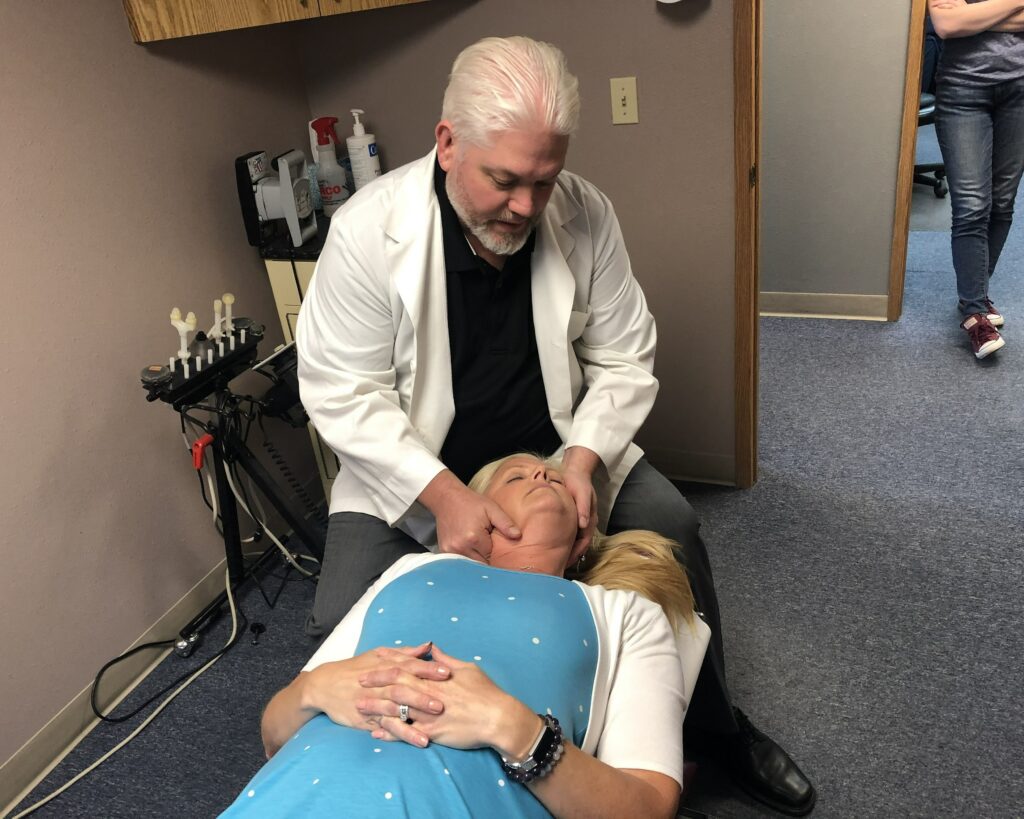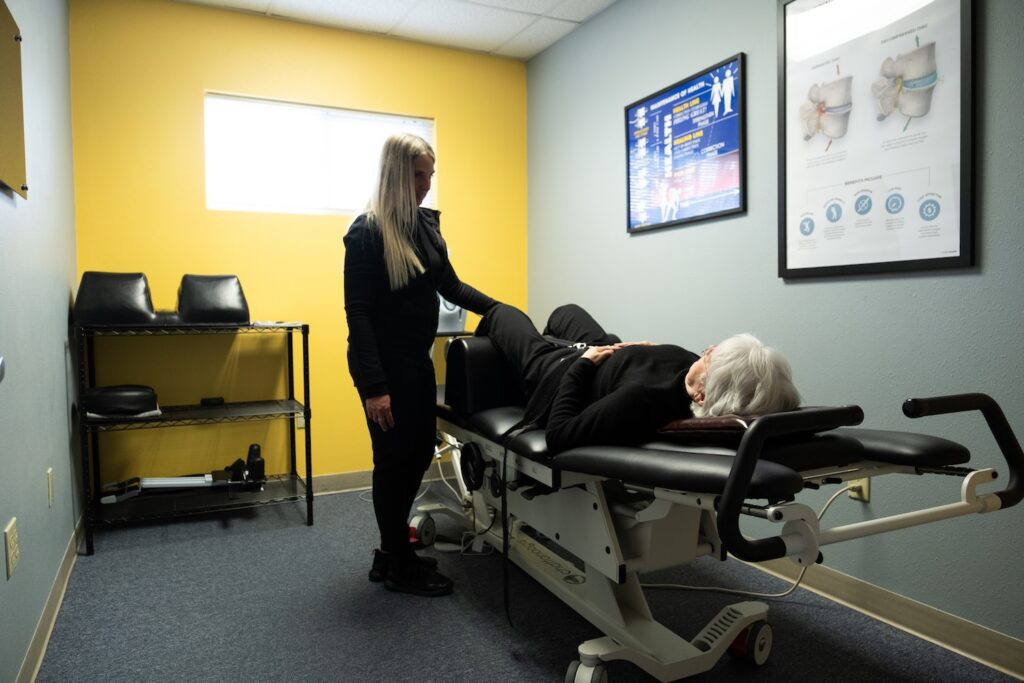

Personalized care is essential because it directly addresses your specific health needs and preferences, making your treatment more effective. When you engage in this tailored approach, you're not just a passive recipient of care; you're an active participant in your health journey. This method not only enhances your understanding of your conditions but also builds a stronger relationship with your healthcare provider. By recognizing the impact of personalized care, you might find yourself wondering how this strategy can reshape your overall health experience. The answers could lead to significant changes in your well-being.
Understanding Personalized Care
Personalized care is all about tailoring healthcare to fit your unique needs and preferences. This approach recognizes that you're not just a number or a diagnosis; you're an individual with specific health concerns, lifestyle choices, and personal goals. Understanding personalized care means grasping how healthcare can adapt to serve you better.
At the heart of personalized care is the idea that treatment should be as unique as you are. It involves collecting and analyzing your health information, including your medical history, genetic background, and lifestyle habits. This data helps your healthcare providers create a plan that suits you, rather than using a one-size-fits-all approach.
For instance, if you have a chronic condition, your doctors might tailor your treatment based on what's worked for you in the past, your current symptoms, and even your personal preferences regarding medications or therapies.
Moreover, personalized care encourages a collaborative relationship between you and your healthcare team. This means you're actively involved in discussions about your treatment options, allowing you to express your concerns and preferences. When you take part in your own care, you're more likely to feel empowered and satisfied with the outcomes.
In short, understanding personalized care is about recognizing that your health journey is unique, and it deserves an approach that reflects that. By embracing this concept, you can enhance your healthcare experience and improve your overall well-being.
Benefits of Tailored Services
When you choose tailored services, you're not just getting care; you're enhancing your individual experience.
This personalized approach often leads to improved health outcomes, as the care you receive is designed specifically for your needs.
Let's explore how these benefits can transform your healthcare journey.
Enhanced Individual Experience
Tailored services create a unique experience that caters specifically to your needs and preferences, enhancing your overall satisfaction. When you receive personalized care, you're not just another face in the crowd; you're treated as an individual with distinct requirements. This approach makes you feel valued and understood, which can greatly elevate your experience.
For instance, whether you're selecting a healthcare provider or a service, personalized attention guarantees that every interaction is relevant to you. You won't have to wade through generic solutions that don't resonate with your lifestyle or goals. Instead, you'll enjoy services crafted around your specific circumstances, making it easier for you to engage and participate in your care.
Moreover, when you express your preferences, you set the tone for your experience. You can expect open communication and a collaborative relationship, where your feedback directly influences the services you receive. This level of engagement fosters trust and comfort, allowing you to navigate your care journey more confidently.
Ultimately, tailored services transform routine experiences into meaningful interactions, guaranteeing that your unique needs are met every step of the way.
Improved Health Outcomes
How can personalized services lead to better health outcomes? When your care is tailored specifically to your needs, it directly impacts your health journey.
Personalized services allow healthcare providers to evaluate your unique medical history, lifestyle, and preferences. This means treatments are more relevant and effective for you.
For instance, when your doctor understands your specific challenges—like allergies or existing conditions—they can prescribe medications or therapies that won't hinder your recovery. Additionally, these services encourage open communication, allowing you to voice concerns and ask questions, which leads to better adherence to treatment plans.
Moreover, personalized care often includes preventive measures tailored to your risk factors. This proactive approach can help catch potential health issues before they become serious problems, improving your long-term health outcomes.
You're not just a number; you're an individual. When healthcare systems recognize that, you're more likely to feel empowered and engaged in your care.
This engagement leads to increased satisfaction and better adherence to treatment recommendations, ultimately enhancing your overall health and well-being. Personalized care truly transforms your health journey, making it more effective and supportive.
Impact on Health Outcomes
When you embrace personalized care, you can see a significant boost in treatment effectiveness.
This approach not only enhances your engagement in the process but also leads to health strategies tailored specifically to your needs.
Ultimately, these factors contribute to better health outcomes for you and others.
Improved Treatment Effectiveness
Personalized care greatly enhances treatment effectiveness, leading to improved health outcomes for patients. When your healthcare providers tailor treatments to your unique needs, they can target specific health issues more precisely. This means you're less likely to waste time on ineffective therapies that don't address your situation.
By considering your genetic makeup, lifestyle, and personal preferences, healthcare professionals can create a plan that's right for you. For example, if you have a chronic condition, a personalized approach can identify the most effective medications and dosages, minimizing side effects while maximizing benefits. You'll find that treatments work better when they're designed specifically for you.
Moreover, personalized care often includes ongoing assessments, allowing your healthcare team to adjust your treatment as needed. If something isn't working, they can pivot quickly, ensuring you're always on the best path to recovery. This dynamic approach not only boosts treatment effectiveness but also fosters a sense of trust and collaboration between you and your medical team.
In short, when treatments align closely with your individual circumstances, you're more likely to experience significant improvements in your health outcomes, making personalized care not just beneficial, but essential.
Enhanced Patient Engagement
Engaging patients in their own care greatly boosts health outcomes. When you actively participate in your treatment decisions, you're more likely to understand your condition and adhere to your care plan. This connection not only empowers you but also creates a sense of ownership over your health journey.
By being involved, you can communicate openly with your healthcare team. This collaboration helps them tailor their recommendations to fit your preferences, lifestyle, and values. When you express your concerns or ask questions, you guarantee that your treatment aligns with what matters most to you. This tailored approach leads to higher satisfaction with your care.
Additionally, when you feel engaged, you're more likely to stick to your medications, attend appointments, and follow lifestyle changes. All of these factors contribute to better management of your health conditions and can even prevent complications down the line.
Ultimately, the more you engage in your care, the better the outcomes you're likely to achieve. So, take an active role in your health, and don't hesitate to speak up during your medical visits. Your engagement matters now more than ever.
Tailored Health Strategies
Tailored health strategies can markedly enhance your health outcomes by addressing your unique needs and circumstances. When healthcare providers customize their approach based on your personal health history, lifestyle, and preferences, you're more likely to engage actively in your own care. This involvement not only empowers you but also leads to better adherence to treatment plans and lifestyle changes.
For instance, if you struggle with managing diabetes, a one-size-fits-all approach may not work for you. An individualized strategy could include specific dietary recommendations, exercise plans, and regular monitoring that fit seamlessly into your daily life. Such targeted interventions can help stabilize your blood sugar levels more effectively.
Moreover, tailored strategies often involve regular check-ins with healthcare professionals, ensuring that your plan evolves alongside your health status. This continuous support fosters a sense of accountability, motivating you to stick with your goals.
In short, adopting tailored health strategies allows you to take charge of your health in a way that resonates with you. As a result, you're likely to see significant improvements in your overall well-being and health outcomes.
Enhancing Patient Engagement
When patients feel involved in their care, they're more likely to stick to treatment plans and achieve better health outcomes. Engaging you in your healthcare journey can transform your experience and increase your motivation. When you take an active role, you become more aware of your needs, preferences, and goals, allowing for a more tailored approach to your treatment.
One key aspect of enhancing patient engagement is effective communication. Your healthcare provider should encourage open dialogue, where you can ask questions and express concerns. This two-way interaction fosters trust and guarantees that your voice is heard. When you're comfortable discussing your health, you're more likely to share important information that can influence your care.
Another way to boost your engagement is through shared decision-making. This means being part of the conversation about your treatment options, weighing the benefits and risks together with your provider. When you feel empowered to make choices about your care, you're more likely to commit to the plan and follow through.
Lastly, utilizing technology can also enhance your engagement. Patient portals, mobile apps, and telehealth options can help you access information, schedule appointments, and communicate with your healthcare team conveniently. Having these tools at your fingertips makes it easier to stay involved and informed about your health.
Personalized Care in Education
Personalized care in education recognizes that every student has unique learning needs, strengths, and challenges. This approach tailors the educational experience to meet those individual requirements, ensuring you or your child can thrive in a supportive environment.
By focusing on personalized care, educators can create a more engaging and effective learning experience.
Here are three key benefits of personalized care in education:
- Individualized Learning Plans: Schools can develop specific learning plans based on your strengths and areas for improvement. This means that the curriculum can adapt to match your pace, enabling you to grasp concepts more effectively.
- Enhanced Engagement: When education is personalized, you're more likely to stay engaged. Lessons that align with your interests and learning style make it easier to connect with the material, fostering a deeper understanding and retention of knowledge.
- Stronger Relationships: Personalized care nurtures stronger relationships between you and your teachers. When educators take the time to understand your unique background and motivations, they can provide more meaningful support, making you feel valued and understood in the classroom.
Incorporating personalized care into education not only enhances your learning experience but also promotes a sense of belonging and motivation.
By recognizing and addressing your unique needs, educators can create a more inclusive environment where you can excel academically and personally.
Ultimately, personalized care in education empowers you to be the best learner you can be.
Role in Mental Health
Mental health plays an essential role in your overall well-being and can greatly impact your educational journey. When you prioritize your mental health, you create a solid foundation for learning and personal growth. Stress, anxiety, and depression can hinder your ability to focus, retain information, and engage in classroom discussions. By addressing these issues through personalized care, you can improve your mental state and, in turn, enhance your academic performance.
Personalized care allows for tailored strategies that cater to your unique mental health needs. Whether you prefer therapy, mindfulness practices, or support groups, having a customized approach can markedly increase your chances of success. It's important to recognize that everyone's mental health journey is different, and what works for one person may not work for you. By seeking personalized care, you can find the right tools and techniques that resonate with you.
Moreover, your mental health impacts your social interactions and relationships with peers and educators. When you feel balanced and supported, you're more likely to build meaningful connections, participate in group projects, and seek help when needed.
This sense of community can further contribute to your academic success and personal development.
Taking Control of Your Journey
Taking charge of your educational journey involves recognizing the power you have over your mental health and overall well-being. You can't always control what happens around you, but you can control how you respond to it. By actively participating in your own care, you can create a personalized approach that meets your unique needs.
Here's how to take control:
- Set Clear Goals: Define what success looks like for you. Whether it's achieving a certain GPA, mastering a specific skill, or prioritizing your mental health, having clear goals helps you stay focused and motivated.
- Utilize Resources: Don't hesitate to seek out resources available to you. This might include counseling services, academic advisors, or peer support groups. Tap into these resources to gain insights and tools that can help you navigate challenges.
- Practice Self-Reflection: Regularly take a step back and evaluate your progress. Ask yourself what's working and what isn't. Reflect on your experiences to better understand your feelings and reactions, which will empower you to make informed decisions moving forward.
Conclusion
To sum up, personalized care isn't just a trend; it's an essential part of your health journey. By focusing on your unique needs and involving you in decisions, you not only enhance your understanding but also improve your health outcomes. Embracing this tailored approach empowers you to take control of your well-being and fosters a trusting relationship with your healthcare providers. Remember, your health is personal, and personalized care is the key to releasing your best self.