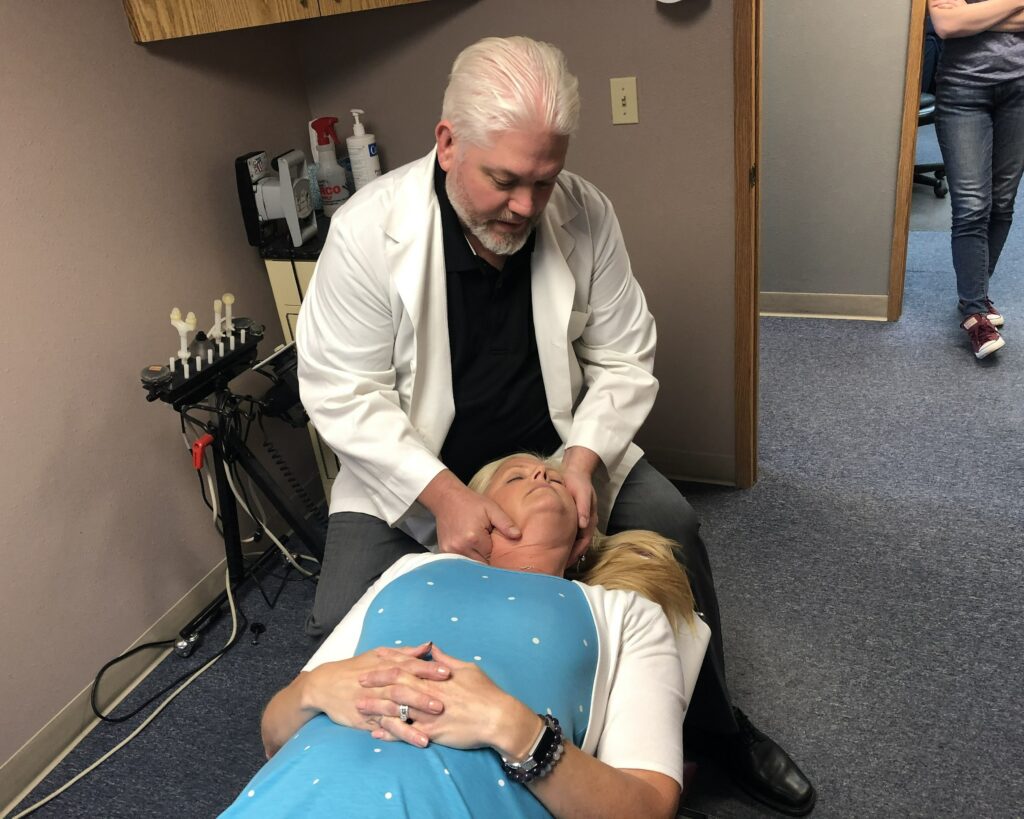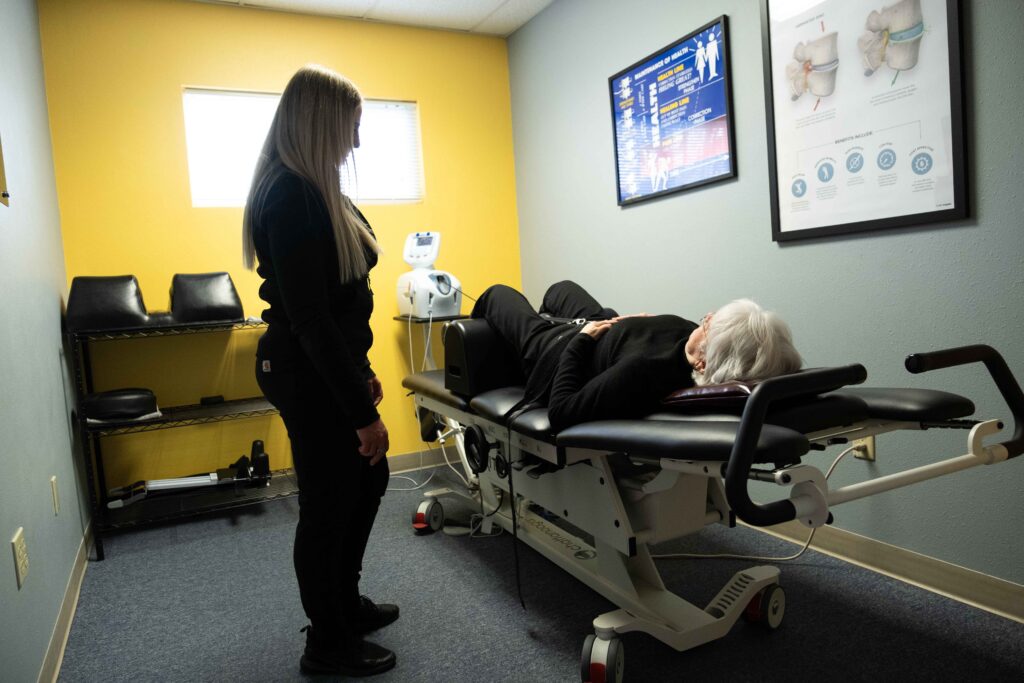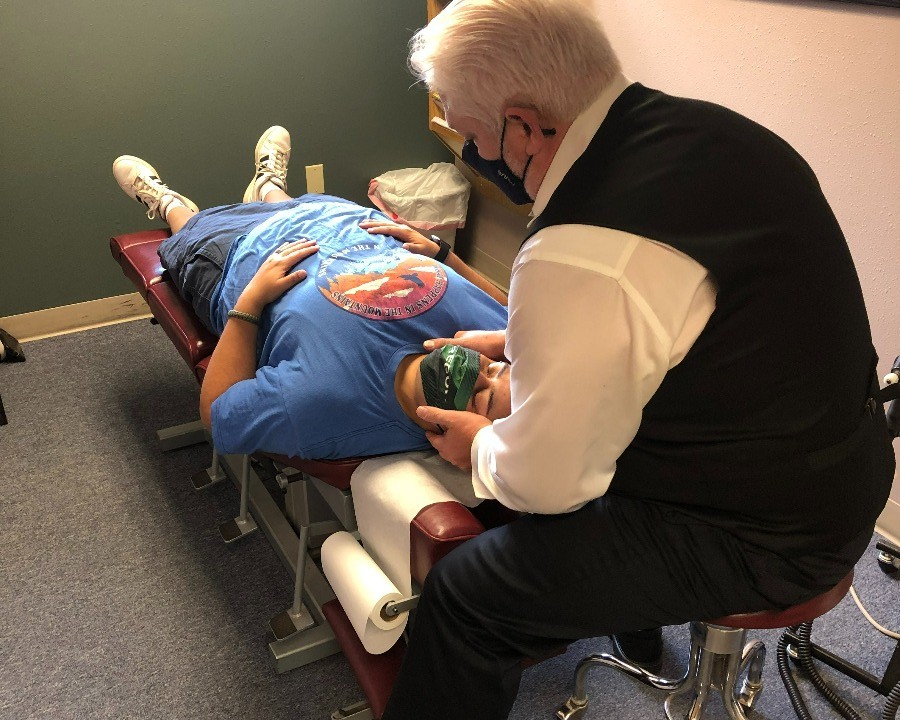

You might wonder why tailored care is often emphasized in healthcare discussions. This approach focuses on your specific needs, considering everything from your medical history to your lifestyle. By personalizing treatment plans, you're more likely to engage actively in your health journey, fostering a stronger connection with your healthcare provider. This connection can lead to better outcomes, but it also raises questions about how tailored care can adapt to your evolving health needs. What aspects of your life could benefit from this customized approach?
Understanding Tailored Care
Understanding tailored care means recognizing that healthcare isn't one-size-fits-all; it's about customizing your treatment to meet your unique needs. When you approach healthcare through a tailored lens, you take into account your personal history, preferences, and specific conditions. This individualized approach empowers you to be an active participant in your health journey.
You might find that traditional healthcare models often overlook your unique circumstances. Instead of merely following a generic treatment protocol, tailored care encourages open dialogue between you and your healthcare provider. This collaboration helps guarantee that your treatment plan aligns closely with your lifestyle, values, and goals.
In tailored care, your concerns and questions become central. This means your provider listens actively and considers your input when developing strategies for your health. You're not just another patient; you're an integral part of your healthcare team. This personalized approach can lead to more relevant screenings, medications, and therapeutic options that resonate with your daily life.
Moreover, tailored care recognizes that your health isn't static. As your situation evolves, so too should your treatment. Regular check-ins with your healthcare provider allow for adjustments based on how you're feeling, any new symptoms, or changes in your life circumstances. This ongoing adaptability is essential for achieving the best possible outcomes.
Ultimately, understanding tailored care is about embracing a more effective, engaging approach that respects and responds to your individual healthcare needs.
Benefits of Personalized Treatment
When you choose personalized treatment, you're stepping into a world where your specific needs are prioritized, leading to more effective healthcare outcomes. This tailored approach means that healthcare providers take the time to understand your unique circumstances, medical history, and preferences. As a result, you receive treatments that are more aligned with your individual health goals.
One significant benefit of personalized treatment is its ability to enhance the accuracy of diagnoses. When healthcare providers focus on your specific symptoms and background, they can identify underlying issues more effectively. This leads to targeted interventions that address the root causes of your health concerns rather than just treating symptoms.
Moreover, personalized treatment often results in improved adherence to treatment plans. When you feel that your preferences and needs are considered, you're more likely to stick to the recommended course of action. This can lead to better health outcomes and a more satisfying healthcare experience overall.
Additionally, personalized treatment can reduce the risk of adverse effects. By tailoring medications and therapies to your individual characteristics, healthcare providers can minimize the chances of negative reactions, ensuring that you receive the safest and most effective care possible.
Finally, when your treatment is personalized, you're more likely to feel empowered in your healthcare journey. You gain a sense of ownership over your health decisions, which can boost your confidence and motivation to achieve better health.
Enhanced Patient-Provider Relationships
Building strong patient-provider relationships is essential for effective healthcare delivery. When you feel connected to your healthcare provider, you're more likely to share your concerns openly and actively participate in your treatment plan. This partnership fosters trust, which is vital for a successful healthcare journey.
Tailored care enhances these relationships by recognizing your unique needs and preferences. When your provider takes the time to understand your specific situation, you feel valued and respected. This personalized approach encourages you to engage in discussions about your health, leading to better communication. You're not just a number; you're an individual whose voice matters.
Moreover, a solid patient-provider relationship can lead to improved health outcomes. When you trust your provider, you're more likely to adhere to recommended treatments and follow through with necessary lifestyle changes. This proactive involvement can greatly impact your overall well-being.
Additionally, strong relationships promote continuity of care. When you regularly see the same provider, they become familiar with your medical history and personal circumstances, allowing for more informed decisions. You won't have to repeat your story each time you visit, which saves time and reduces frustration.
In essence, enhancing your relationship with your healthcare provider isn't just about feeling comfortable; it's about creating a collaborative environment that empowers you. Embracing tailored care can lead to improved communication, trust, and ultimately, better health outcomes.
Addressing Unique Health Needs
When it comes to your health, one size definitely doesn't fit all.
You deserve personalized treatment plans and thorough assessments that cater to your unique needs.
Personalized Treatment Plans
Personalized treatment plans are crucial for addressing your unique health needs. Everyone's body is different, and what works for one person mightn't work for another. By tailoring your treatment, healthcare providers can focus on your specific conditions, lifestyle, and preferences, guaranteeing that you receive the most effective care possible.
When creating a personalized treatment plan, your healthcare provider considers various factors, such as your medical history, current health status, and any ongoing treatments. This thorough approach allows them to identify the best strategies for managing your health.
Whether it's medication, therapy, or lifestyle changes, each element of your plan is designed with you in mind.
Moreover, personalized treatment plans enhance your engagement in the healing process. When you feel that your specific needs are being met, you're more likely to stick to the plan and achieve better outcomes.
Regular check-ins and adjustments guarantee that your treatment evolves as your health changes, keeping you on the right track.
In short, a personalized treatment plan isn't just about treating symptoms; it's about providing you with a pathway to ideal health tailored to your unique situation.
Comprehensive Health Assessments
To create effective personalized treatment plans, healthcare providers must first conduct thorough health assessments. These assessments are essential for understanding your individual health needs and ensuring that any treatment aligns perfectly with your lifestyle and goals. By gathering detailed information, providers can identify specific health concerns and tailor their approaches accordingly.
Here are some key components of detailed health assessments:
- Medical history: Review of past illnesses, surgeries, and medications.
- Lifestyle factors: Evaluation of your diet, exercise, and stress levels.
- Family history: Understanding hereditary conditions that might affect your health.
- Current symptoms: Discussing any ongoing issues that may need immediate attention.
With these elements in mind, healthcare providers can pinpoint areas that require focus and develop strategies that truly resonate with you. Instead of a one-size-fits-all approach, your care becomes uniquely tailored to fit your needs.
This not only enhances your treatment outcomes but also helps you feel more engaged and empowered in your health journey. Prioritizing these assessments is the first step toward achieving the personalized care you deserve.
Adaptive Care Strategies
Adaptive care strategies focus on meeting your unique health needs by adjusting treatment plans based on ongoing assessments and feedback. This approach guarantees that your care evolves alongside your health status, allowing for timely interventions and modifications.
By continuously monitoring your progress, healthcare providers can identify what's working and what isn't, tailoring your treatment accordingly.
For example, if you're undergoing physical therapy, your therapist might change exercises based on your responses. If you report increased pain or limited mobility, they can introduce new techniques or adjust the intensity to better suit your condition.
Similarly, in medication management, regular reviews can lead to adjustments in dosages or even switching medications to minimize side effects and maximize effectiveness.
This dynamic process fosters a more personalized healthcare experience, empowering you to be an active participant in your health journey. You'll feel more in control and informed about your treatment options.
Furthermore, adaptive care strategies can improve outcomes by addressing issues before they escalate, ultimately leading to a healthier, well-balanced life. Embracing these strategies means you're not just a patient; you're a partner in your care.
Improved Health Outcomes
When you embrace personalized treatment plans, you're setting the stage for better health outcomes.
Enhanced patient engagement means you're more involved in your care, leading to proactive health management.
Together, these strategies can transform your health journey and improve your overall well-being.
Personalized Treatment Plans
Personalized treatment plans are revolutionizing patient care by tailoring medical approaches to individual needs. These plans recognize that each person is unique, and what works for one may not work for another.
By focusing on your specific health conditions, preferences, and lifestyle, healthcare providers can create strategies that enhance your overall well-being.
Here's why personalized treatment plans are essential for better health outcomes:
- Targeted Therapies: Treatments are designed to address your specific health issues effectively.
- Optimized Medication: Medications are prescribed based on your genetic makeup, which can reduce side effects and improve efficacy.
- Holistic Approach: Plans consider your mental, emotional, and physical health, ensuring thorough care.
- Flexible Adjustments: Your plan can evolve as your needs change, allowing for continuous improvement in your health journey.
Enhanced Patient Engagement
Enhanced patient engagement is essential for achieving improved health outcomes. When you actively participate in your healthcare journey, you're more likely to understand your condition and treatment options. This understanding empowers you to make informed decisions, which leads to better adherence to treatment plans and lifestyle changes.
By engaging in open communication with your healthcare team, you can express your concerns and preferences. This collaborative approach fosters a sense of partnership, ensuring that your needs are prioritized. You can ask questions, seek clarifications, and share your experiences, all of which contribute to a tailored care plan that works for you.
Additionally, utilizing digital tools and resources can enhance your engagement. Apps and online portals allow you to track your health progress, set reminders for medications, and access educational materials. These tools keep you connected to your healthcare team and encourage you to stay involved in your treatment.
Ultimately, the more engaged you are, the better your health outcomes will be. By taking an active role in your care, you not only improve your own health but also contribute to a more effective healthcare system. Your involvement truly makes a difference.
Proactive Health Management
Taking an active role in your healthcare not only boosts your engagement but also sets the stage for proactive health management. By anticipating potential health issues and addressing them early, you can greatly improve your health outcomes.
This approach empowers you to make informed decisions and fosters a sense of control over your wellbeing.
Here are some key benefits of proactive health management:
- Early Detection: Catching health issues before they escalate can save you time, money, and stress.
- Personalized Care: Tailored treatments based on your unique health profile lead to better results.
- Preventive Measures: Regular screenings and lifestyle adjustments can help you avoid chronic diseases.
- Informed Choices: Access to your health data enables you to make educated decisions about your care.
Empowering Patient Engagement
Engaging patients in their care journey transforms their experience and outcomes. When you actively participate in your healthcare decisions, you not only feel more in control but also more satisfied with the care you receive. This empowerment leads to better adherence to treatment plans and ultimately improves your health.
To foster this engagement, it's essential to encourage open communication with your healthcare team. Don't hesitate to ask questions, express your concerns, and share your preferences. When you feel heard, you're more likely to trust the recommendations made by your providers. Building this relationship can lead to a more personalized approach to your care.
Another critical aspect of patient engagement is education. The more you understand your condition and treatment options, the better equipped you're to make informed decisions. Seek out resources, attend workshops, or participate in support groups. Knowledge is power, and it can greatly influence your health journey.
Moreover, setting personal health goals can enhance your engagement. Think about what you want to achieve, whether it's managing a chronic illness, improving your fitness, or enhancing your mental well-being. Sharing these goals with your healthcare team allows them to support you effectively.
Finally, remember that your feedback is invaluable. Whether it's about your treatment or the overall experience, sharing your thoughts helps improve the system for everyone. By taking an active role, you're not just a patient; you're a partner in your care.
Customizing Care Plans
Customizing care plans is essential for achieving ideal health outcomes tailored to your unique needs. When you work with healthcare providers to create a personalized plan, you're more likely to engage actively in your health journey.
This tailored approach takes into account your specific circumstances, preferences, and goals, ensuring that you receive the most effective care possible.
Here are some key benefits of customizing care plans:
- Personalized Goals: You set health and wellness objectives that resonate with you, making it easier to stay committed.
- Targeted Interventions: Your care plan focuses on the treatments and strategies that are most effective for your condition, enhancing your chances of success.
- Increased Satisfaction: When your care plan reflects your needs and preferences, you're likely to feel more satisfied with your healthcare experience.
- Better Communication: Customizing your plan encourages open dialogue with your healthcare provider, fostering a collaborative relationship.
Overcoming Barriers to Access
While personalized care plans can greatly improve your health outcomes, accessing the necessary resources and services can sometimes be challenging. You might face several barriers that hinder your ability to obtain the tailored care you need. These can include financial constraints, lack of transportation, or even limited availability of specialized healthcare providers in your area.
To overcome these obstacles, start by evaluating your current situation. Identify what specific resources you need. If finances are tight, research local programs or insurance options that can help subsidize your care costs. Many communities offer sliding scale fees based on income, so don't hesitate to ask about these options.
Transportation can also be a significant barrier. Consider reaching out to local organizations that provide transportation services for medical appointments. If that's not an option, explore telehealth services, which can allow you to receive care from the comfort of your home.
Building a support network is another vital step. Talk to friends, family, or community members who may have faced similar challenges. They might provide valuable insights or even accompany you to appointments.
Additionally, don't hesitate to communicate your needs with your healthcare provider. They can often help you navigate the system and connect you with resources designed to assist patients in overcoming barriers.
Future of Tailored Healthcare
The future of tailored healthcare promises to revolutionize the way you receive medical services. As advancements in technology and data analytics continue to evolve, you'll find that your healthcare experience becomes increasingly personalized. The focus is shifting from a one-size-fits-all approach to a model that considers your unique needs, preferences, and genetic makeup.
Here are some key aspects to look forward to in tailored healthcare:
- Personalized Treatment Plans: Your medical history and lifestyle will shape individualized treatment options, ensuring you receive the most effective care.
- Predictive Analytics: Advanced algorithms will analyze your data to foresee potential health risks, allowing for proactive interventions before issues arise.
- Enhanced Patient Engagement: With mobile apps and telehealth services, you can easily connect with healthcare providers, track your health, and take an active role in your care.
- Integration of Wearable Technology: Devices like smartwatches will provide continuous health monitoring, enabling real-time adjustments in your treatment plan.
As these innovations unfold, you'll enjoy better health outcomes and a more satisfying healthcare experience. The future of tailored healthcare isn't just about treating illnesses; it's about empowering you to take charge of your well-being.
Conclusion
In conclusion, tailored care is essential for your health journey. By focusing on your unique needs and fostering a strong relationship with your provider, you're more likely to adhere to treatment plans and achieve better outcomes. This personalized approach empowers you to take an active role in your healthcare decisions, ensuring that your experience is not only effective but also satisfying. As healthcare evolves, embracing tailored care will be key to maximizing your overall well-being.