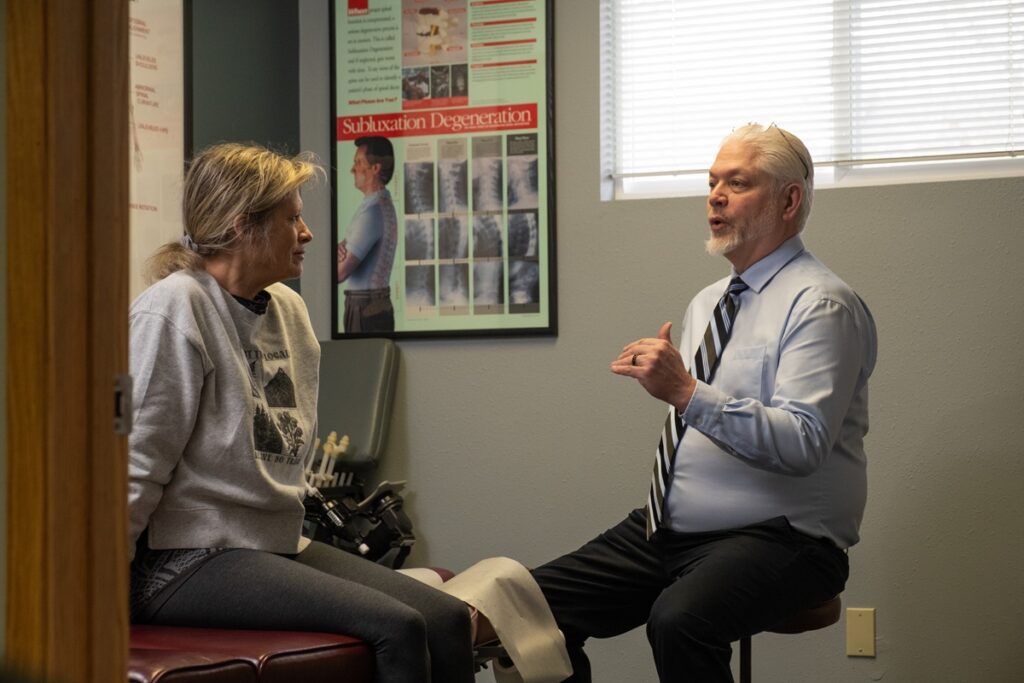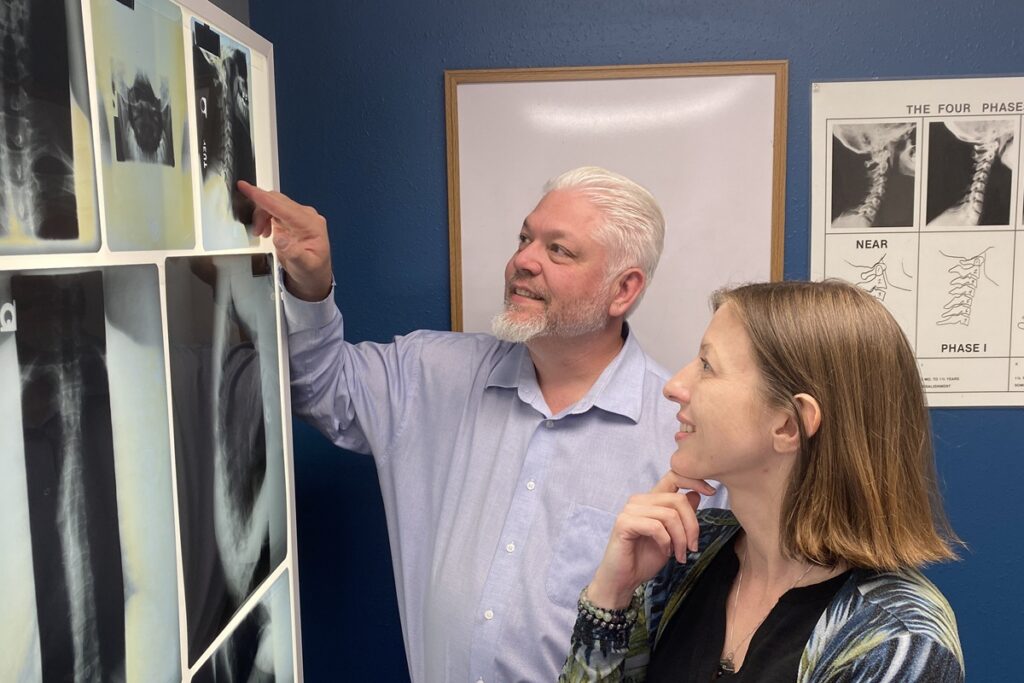

When it comes to your health, a one-size-fits-all approach often falls short. Tailored treatment plans not only enhance treatment efficacy but also actively engage you in your care journey, making it a collaborative effort. Plus, by addressing your unique health profile, these personalized strategies greatly reduce the risk of adverse effects. Understanding how these factors work together can transform your healthcare experience, but there's more to explore about the impact of personalized approaches on your overall well-being.
Enhanced Treatment Efficacy
When you tailor treatment plans to individual needs, you greatly enhance treatment efficacy. Customized approaches allow you to address specific health conditions and personal circumstances. By considering factors like age, gender, medical history, and lifestyle, you can create a plan that resonates with the unique aspects of each patient. This personalized strategy guarantees that treatments aren't just one-size-fits-all solutions, but rather, they target the core issues effectively.
For instance, if you know a patient has a history of adverse reactions to certain medications, you can avoid those options and focus on alternatives that align with their health profile. This not only minimizes risks but also boosts the likelihood of a positive response to the treatment.
Additionally, when treatment plans align with a patient's lifestyle and preferences, adherence improves. Patients are more likely to follow through with recommendations when they feel understood and considered.
Moreover, fine-tuning these plans based on ongoing assessments can lead to even better outcomes. Regularly monitoring a patient's progress and adjusting the approach accordingly guarantees that you remain responsive to their evolving needs. As you implement changes, you can identify what's working and what isn't, leading to continuous improvement in their treatment journey.
Ultimately, enhanced treatment efficacy through tailored plans not only leads to better health outcomes but fosters trust and collaboration between you and your patients. This partnership is essential for long-term success and satisfaction in healthcare.
Improved Patient Engagement
Tailored treatment plans not only enhance efficacy but also considerably improve patient engagement. When you receive a treatment plan designed specifically for your needs, you're more likely to feel involved in your healthcare journey. This personalized approach fosters a sense of ownership, encouraging you to actively participate in your treatment.
With tailored plans, healthcare providers take your preferences, lifestyle, and specific health conditions into account. You're not just another patient; you're an individual with unique needs and goals. This recognition helps build a stronger relationship between you and your healthcare team. When you feel that your voice matters, you're more inclined to ask questions, share concerns, and express your thoughts about the treatment process.
Moreover, tailored treatment plans often incorporate tools and resources that resonate with you personally. Whether it's educational materials, mobile apps, or support groups, these resources are designed to keep you engaged and informed. You're more likely to adhere to a plan that feels relevant and relatable, which can ultimately lead to better health outcomes.
Additionally, when you see the positive impact of a personalized plan on your health, your motivation to stay engaged increases. You're more likely to track your progress, celebrate small victories, and remain committed to your treatment goals.
Ultimately, improved patient engagement not only enhances your experience but also empowers you to take control of your health, leading to better results and a more fulfilling healthcare journey.
Reduced Risk of Adverse Effects
By focusing on your individual health profile, tailored treatment plans greatly reduce the risk of adverse effects. When healthcare providers consider your unique genetics, medical history, and lifestyle, they can create a plan that's more aligned with your needs. This personalized approach helps in selecting medications and therapies that are more likely to work for you while avoiding those that could trigger negative reactions.
For instance, if you have a history of allergic reactions to certain medications, a tailored plan will steer clear of those options. Instead, it'll focus on alternatives that have a better safety profile for you. By doing this, you're not just receiving treatment; you're receiving the right treatment, which minimizes potential complications.
Additionally, tailored plans often involve ongoing monitoring. Your healthcare provider will keep track of how you respond to the treatment, allowing them to make adjustments as necessary. This proactive approach means that if any side effects do arise, they can be addressed quickly, often before they escalate into more serious problems.
Moreover, when treatments are customized to your specific circumstances, there's a better chance you'll adhere to the plan. You're more likely to feel confident in the prescribed medications and therapies, which can enhance your overall health outcomes.
In essence, by opting for tailored treatment plans, you're taking a significant step toward safeguarding your health and reducing the risk of adverse effects. You deserve a treatment strategy that focuses on what works best for you.
Conclusion
Incorporating tailored treatment plans into your healthcare journey can greatly enhance your overall experience. By ensuring that therapies are specifically designed for you, you'll likely see better results and feel more engaged in your health. Plus, with careful medication selection, the chances of experiencing adverse effects drop, giving you peace of mind. Embracing this personalized approach empowers you to take charge of your health and work closely with your healthcare provider for ideal outcomes.