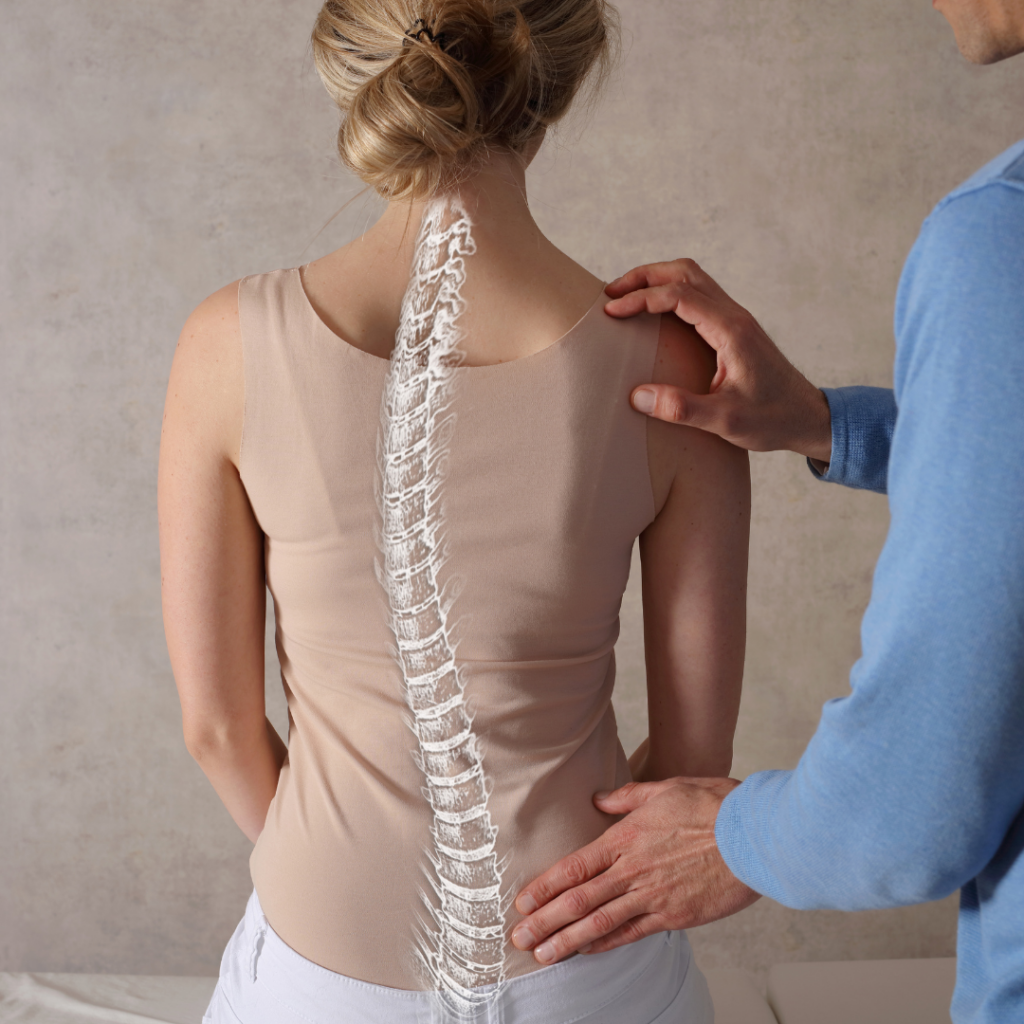

As a local chiropractor, I understand how debilitating sports-related back pain can be, impacting both your athletic performance and everyday life. It's essential to know that there are effective, natural treatments available to help you regain your mobility and comfort.
Chiropractic care is one of the most beneficial options for addressing back pain. Through targeted adjustments, we can realign your spine, reduce pain, and improve your overall function. Additionally, incorporating physical therapy can strengthen the muscles that support your back, promoting long-term healing.
You might be surprised to learn that simple practices, such as applying ice and heat therapy or making dietary adjustments, can significantly aid your recovery. As you navigate your healing journey, I encourage you to explore these top treatments and consider how they can enhance your well-being. Let's work together to find the best approach tailored to your needs!
Rest and Recovery
As a local chiropractor, I want to emphasize the importance of rest and recovery when it comes to managing sports-related back pain. After pushing your body through intense workouts or competitions, it's crucial to prioritize healing. Ignoring the signs of your body needing rest can lead to prolonged discomfort and potentially worsen your condition.
First, it's important to listen to your body. If you're experiencing sharp or persistent pain, this is a clear indication that you should take a break from your regular training routine. However, this doesn't mean you should be completely inactive. Incorporating gentle movements like walking or light stretching can enhance circulation and aid in your recovery without adding extra strain to your back.
Quality sleep is another vital component of recovery. Aim for 7-9 hours of restorative sleep each night, as this is when your body performs much of its healing work. Creating a comfortable sleep environment—using supportive pillows and a suitable mattress—can significantly enhance your recovery process.
Nutrition also plays a fundamental role in healing. Focus on a balanced diet that includes anti-inflammatory foods, such as fresh fruits, vegetables, and lean proteins. Staying well-hydrated is equally essential, as proper hydration helps maintain muscle and joint function.
Additionally, I encourage you to explore relaxation techniques such as yoga or meditation. These practices not only reduce stress but also promote overall well-being, making it easier for your body to recover from sports-related back pain.
Ice and Heat Therapy
As a local chiropractor, I want to share some valuable insights on managing sports-related back pain through ice and heat therapy. These natural healing methods can significantly aid in your recovery, especially if you're not familiar with chiropractic care.
When you first experience an injury, ice therapy is your go-to solution. It's particularly effective in the initial stages as it helps reduce inflammation and numbs the pain. I recommend applying ice for 15 to 20 minutes at a time, several times a day. Remember to wrap the ice pack in a thin towel to protect your skin—this ensures that you can enjoy the benefits without the risk of frostbite. The cold sensation can do wonders in alleviating soreness and preventing further swelling.
Once the acute pain starts to fade, you can transition to heat therapy. This method is fantastic for enhancing blood flow to the affected area, which promotes healing and eases muscle stiffness. You may use a heating pad, a hot water bottle, or even indulge in a warm bath. Just like with ice, apply heat for about 15 to 20 minutes, and make sure not to place it directly on your skin to avoid burns.
It's crucial to pay attention to your body's signals throughout this process. If you find that ice or heat worsens your pain, please stop immediately and consult with a healthcare professional.
Additionally, consider alternating between ice and heat. Start with ice to tackle swelling, then switch to heat for muscle relaxation. This combination can optimize your recovery and help you get back to your favorite activities sooner.
Consistency is key in this healing journey, so I encourage you to incorporate these therapies into your routine until you feel better. As your chiropractor, I'm here to support you on your path to recovery and help you understand the benefits of these natural healing methods.
Physical Therapy
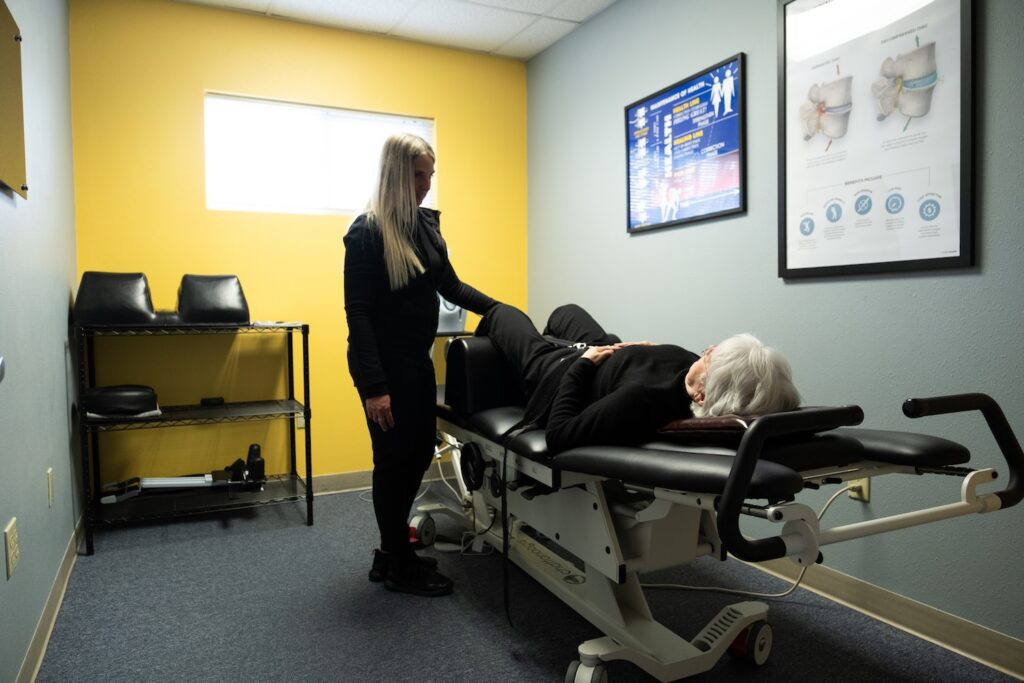
Chiropractic care is a vital approach to managing sports-related back pain and can significantly support your recovery journey. If you're experiencing discomfort, a personalized chiropractic treatment plan can help you restore strength, flexibility, and overall function.
Here are three essential benefits you can gain from chiropractic care:
- Customized Treatment Plans: As a chiropractor, I'll evaluate your specific condition and design a tailored plan that addresses your individual needs. This ensures that you're concentrating on the right adjustments and therapies for your situation, promoting optimal healing.
- Enhanced Mobility and Flexibility: Through specialized spinal adjustments and targeted exercises, chiropractic care can help improve your range of motion. By enhancing flexibility, you can reduce stiffness and elevate your athletic performance, allowing you to move more freely and effectively.
- Natural Pain Relief Techniques: Chiropractors are skilled in employing various holistic methods to alleviate pain without relying on medication. Techniques such as spinal manipulation, soft tissue therapy, and rehabilitative exercises can help relieve discomfort and foster your body's natural healing processes.
Chiropractic Adjustments
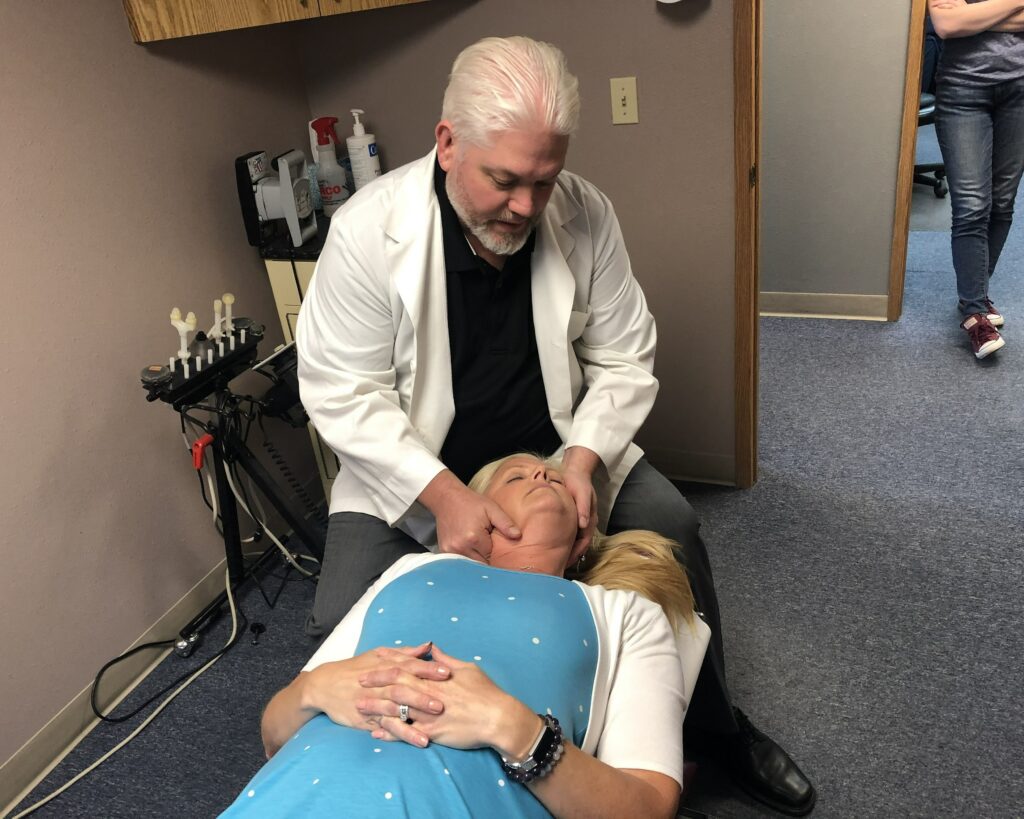
As a local chiropractor, I want to take a moment to explain how chiropractic adjustments can be an essential part of managing sports-related back pain. Many athletes, whether amateur or professional, often experience discomfort due to their physical activities. Our goal is to help you find significant relief by realigning your spine and enhancing your overall function.
When you visit my office, I'll conduct a thorough assessment of your posture, movement patterns, and any areas of tension you might be experiencing. Through hands-on techniques, I'll manipulate your spine and joints, which can improve mobility and reduce pain.
It's important to understand that these adjustments not only focus on alleviating your back pain but also address underlying issues that may be contributing to your discomfort, such as muscle imbalances or improper biomechanics.
You may notice improvements in your range of motion and a decrease in pain after just a few sessions. Many athletes who incorporate regular chiropractic care into their routine find that it not only aids in recovery but also enhances their overall performance.
By keeping your spine aligned, we can ensure that your body functions at its best, which in turn reduces the risk of future injuries.
Integrating chiropractic adjustments into your wellness routine can truly be transformative. You might feel more balanced and agile, which is crucial when you're pushing your limits in sports.
If you're currently struggling with back pain, I encourage you to schedule an appointment with me. Together, we can work towards getting you back in the game faster and more comfortably.
Massage Therapy
As a local chiropractor, I want to share how massage therapy can significantly help manage sports-related back pain.
Many athletes may not realize the variety of techniques available that can be tailored to meet your individual needs. Each technique offers distinct benefits that can enhance your recovery and overall performance.
It's important to understand the frequency and duration of massage therapy in your routine to maximize its effectiveness. By integrating these practices into your wellness plan, you can support your body's natural healing processes and improve your athletic capabilities.
Types of Massage Techniques
As a local chiropractor, I want to help you understand how massage therapy can be an effective component of your overall wellness strategy, especially for addressing sports-related back pain.
Each massage technique serves a unique purpose, targeting specific muscle groups to aid in recovery and enhance your performance. Here are three popular techniques that I often recommend to my patients:
1. Swedish Massage: This technique is gentle and utilizes long, flowing strokes and kneading motions. It's designed to relax your muscles and improve blood circulation, which can significantly reduce overall tension and promote a sense of relaxation.
This is particularly beneficial after a strenuous workout or a long day.
2. Deep Tissue Massage: If you're experiencing chronic pain or persistent tightness in certain areas, deep tissue massage may be the right choice for you. This technique focuses on the deeper layers of muscles and connective tissues, effectively releasing knots and alleviating tension.
It's particularly useful for those who've sustained injuries or have long-standing muscle tightness.
3. Sports Massage: Specifically tailored for athletes, sports massage integrates techniques from both Swedish and deep tissue massages. This approach emphasizes not only injury prevention but also aids in recovery, focusing on the specific muscle groups utilized in your sport.
Whether you're training for a marathon or engaged in recreational activities, this type of massage can enhance your performance and reduce the risk of injury.
Integrating these massage techniques into your chiropractic care can enhance your healing process and help you maintain optimal physical health.
If you have any questions or would like to learn more about how these methods can benefit you, feel free to ask during your next visit!
Benefits for Athletes
As a local chiropractor, I want to share with you the incredible benefits of massage therapy for athletes, especially if you're looking to improve your performance and recovery naturally.
One of the primary advantages of massage is its ability to relieve muscle tension and soreness. This relief allows you to train harder and more frequently, helping you reach your athletic goals.
Massage therapy can also enhance your flexibility, which is crucial for executing movements accurately and avoiding injuries. By incorporating regular massage into your routine, you can improve your body's range of motion and overall agility.
Another significant benefit of massage is its positive impact on blood circulation. Improved circulation means that your muscles receive the necessary oxygen and nutrients for optimal performance. Additionally, effective circulation aids in the removal of metabolic waste, which can shorten recovery time after intense workouts or competitions.
Beyond the physical benefits, massage therapy plays a vital role in reducing stress and anxiety. A calm and focused mind is essential for peak performance, and by helping you relax, massage prepares you mentally for competitions and fosters a positive mindset.
Integrating massage therapy into your wellness routine not only addresses physical discomfort but also supports your mental health. This holistic approach to care can lead to a more balanced athletic experience, enhancing your overall performance and longevity in your sport.
As your chiropractor, I encourage you to explore the transformative effects of massage therapy on your journey to peak performance.
Frequency and Duration
As a local chiropractor, I want to help you understand the importance of frequency and duration in your journey to optimal health through massage therapy.
Whether you're experiencing pain or just looking to enhance your overall wellness, finding the right balance can significantly improve your recovery and performance. Here are three key insights to consider:
- Frequency: For those undergoing intense physical activities or managing chronic issues, I recommend scheduling at least one massage session each week. This regularity is crucial in managing muscle tension, alleviating pain, and supporting your overall recovery process.
- Duration: Each massage session should ideally last between 60 to 90 minutes. Longer sessions provide the opportunity for deeper tissue work, which can be particularly beneficial for alleviating chronic pain and enhancing your flexibility. This extra time allows for thorough attention to your specific needs.
- Listen to Your Body: It's vital to pay attention to how your body feels. If you notice increased soreness or tension, consider increasing your massage frequency temporarily. On the other hand, if you're feeling good and recovering well, you may find that reducing the number of sessions is appropriate.
Always communicate with your chiropractor about your experiences to tailor your care effectively.
By incorporating these practices into your routine, you can take significant steps towards a healthier, pain-free life.
Stretching and Strengthening
As your local chiropractor, I want to emphasize the importance of stretching and strengthening in preventing and managing sports-related back pain. Many people may not realize how crucial these practices are for maintaining a healthy back.
By incorporating regular stretching into your routine, you can significantly improve your flexibility, which in turn enhances your range of motion and reduces the risk of injuries.
Moreover, strengthening your core muscles is vital for providing essential support to your spine during physical activities. A strong core acts like a natural brace for your back, helping to prevent strain and discomfort.
I encourage you to consider these practices as part of your wellness journey, as they can greatly contribute to your overall spinal health and performance in sports.
Importance of Flexibility
As a local chiropractor, I want to emphasize the vital role that flexibility plays in preventing and alleviating sports-related back pain. Many patients may not realize that when your muscles and joints are flexible, you significantly reduce your risk of injury, allowing you to perform better in your physical activities.
Regular stretching is a key component in maintaining your range of motion, which helps you engage in activities without discomfort.
Let me share three important benefits of incorporating flexibility into your routine:
- Increased Range of Motion: Enhancing your flexibility allows for more efficient movement, whether you're running, jumping, or bending. This increased range of motion helps your back move freely, ultimately lowering the risk of strains and injuries.
- Improved Posture: Flexibility exercises can correct muscle imbalances and promote better posture. Maintaining good posture not only alleviates strain on your back but also supports your overall athletic performance, which is crucial for anyone active in sports or fitness.
- Faster Recovery: Stretching increases blood flow to your muscles, which aids in recovery after intense workouts. This means you can experience less soreness and return to your favorite activities more quickly.
Incorporating flexibility training into your routine is essential for maintaining your back health and enhancing your athletic performance.
As your chiropractor, I encourage you to make stretching a priority in your daily activities—your body will thank you for it!
Core Muscle Strengthening
As a local chiropractor, I want to emphasize the vital role that core muscle strengthening plays in maintaining a healthy back and preventing injuries. A strong core is essential for stabilizing your spine, which in turn helps you maintain proper posture during both athletic activities and everyday tasks.
When you engage in physical activities, your core muscles help absorb shock and efficiently transfer energy, ultimately reducing the risk of strain on your back.
To effectively strengthen your core, I recommend incorporating exercises such as planks, bridges, and Russian twists into your weekly routine. Aim for at least two to three sessions each week, focusing not just on building strength but also on enhancing endurance.
As you become more comfortable with these exercises, consider increasing the intensity and variety to further challenge your muscles.
It's also important to remember that flexibility is key to your core's effectiveness. If your muscles are tight, it can hinder your performance and increase the risk of injury.
Therefore, I encourage you to balance your strengthening exercises with flexibility routines. Stretching your hips, hamstrings, and lower back can significantly improve your overall performance and help alleviate tension.
By prioritizing core strengthening and flexibility, you can support your spine and overall health, ensuring you stay active and injury-free.
If you have any questions or need guidance on how to get started, feel free to reach out during your next visit!
Over-the-Counter Pain Relief
When it comes to managing sports-related back pain, many people turn to over-the-counter pain relief as a quick fix. While these medications can provide temporary relief from discomfort and inflammation, they're just one piece of the puzzle in a holistic approach to healing.
As a chiropractor, I want to help you understand how to effectively manage your pain and support your body's natural healing process.
Here are three common over-the-counter options you might consider, along with some insights into how they fit into a broader wellness strategy:
- Ibuprofen: This nonsteroidal anti-inflammatory drug (NSAID) is often a go-to for reducing pain and swelling. While it can be helpful for acute injuries, it's important to remember that it addresses symptoms rather than the underlying cause of your discomfort. Incorporating chiropractic adjustments can help align your spine and improve mobility, allowing for a more comprehensive healing experience.
- Acetaminophen: If you prefer a gentler option, acetaminophen can be effective for pain relief, especially for mild to moderate discomfort. However, unlike NSAIDs, it doesn't reduce inflammation. To truly support your body, consider combining this with chiropractic care, which focuses on correcting misalignments that may contribute to your pain.
- Naproxen: Another NSAID, naproxen offers longer-lasting relief than ibuprofen, making it useful for prolonged activities. Still, it's essential to understand that these medications may mask symptoms rather than treat the root issue. Regular chiropractic sessions can enhance your overall function and help prevent future injuries by addressing imbalances in your spine and muscles.
Before you take any medication, be sure to read the instructions carefully and be aware of potential side effects. If your pain persists or worsens, it's crucial to consult with a healthcare professional.
While over-the-counter pain relief can be a valuable tool in managing sports-related back pain, it shouldn't be your sole strategy. Integrating chiropractic care, along with other treatments like stretching and strengthening exercises, allows for a more thorough approach to recovery and helps you return to your favorite activities safely and effectively.
Your body deserves a balanced and supportive healing journey!
Acupuncture
As a local chiropractor, I want to introduce you to a holistic approach for managing sports-related back pain: acupuncture. This ancient practice involves stimulating specific points on your body, which can enhance blood flow and promote healing.
For athletes, this can be particularly beneficial, as it not only aids in recovery but can also improve overall performance.
Let's delve into how acupuncture works and the multitude of benefits it can offer for your physical health and athletic capabilities.
How Acupuncture Works
In the realm of natural healing, chiropractic care is a highly effective option for addressing sports-related back pain. This holistic approach focuses on the alignment of the spine and the nervous system to promote overall health and wellness.
Here's how chiropractic care can benefit you:
- Encourages Natural Pain Relief: Chiropractic adjustments can stimulate your body's natural ability to heal itself, often leading to the release of endorphins—your body's natural painkillers. This can significantly help in managing discomfort associated with injuries.
- Enhances Blood Circulation: By correcting misalignments in the spine, chiropractic care can improve blood flow to the affected areas. This increased circulation promotes healing and reduces inflammation, which is crucial for recovering from sports injuries.
- Restores Balance in the Body: Chiropractors understand that pain can often be linked to misalignments in the spine that disrupt the flow of energy and nerve signals. By aligning the spine properly, chiropractic adjustments can help restore balance within the body, alleviating pain and improving function.
As you explore options for managing your back pain, consider the benefits of chiropractic care.
It's not just about relief; it's about enhancing your overall well-being. If you're ready to take the next step, schedule a consultation with a licensed chiropractor to discuss your specific needs and create a personalized treatment plan.
Embracing chiropractic care could be a transformative aspect of your recovery journey.
Benefits for Athletes
As a local chiropractor, I want to share with you the incredible benefits of acupuncture, especially for athletes looking to enhance their performance and recovery. While you may not be familiar with this ancient practice, it can serve as a powerful tool to help you stay at the top of your game.
One of the primary advantages of acupuncture is its ability to alleviate pain. Many athletes experience sports-related injuries, particularly back pain. By targeting specific acupuncture points, this technique promotes blood flow and reduces inflammation, leading to faster healing and relief from discomfort.
Acupuncture also plays a significant role in improving your range of motion and flexibility, which are essential for any athlete. Regular acupuncture sessions can help maintain your body's balance and prevent injuries, ensuring you can perform at your best.
In addition to physical benefits, acupuncture supports mental well-being by reducing stress and anxiety. These factors can greatly impact your athletic performance. When you feel relaxed and focused, you're more likely to excel in your sport.
Finally, acupuncture can boost your energy levels, aiding in recovery after intense workouts or competitions. With all these benefits, it's clear why many athletes are turning to acupuncture as part of their training regimens.
If you haven't yet explored the advantages of acupuncture, I encourage you to schedule a session. You may be pleasantly surprised by how much it can enhance your athletic performance and overall well-being!
TENS Therapy
As a local chiropractor, I want to introduce you to a valuable tool for managing sports-related back pain: TENS therapy, or Transcutaneous Electrical Nerve Stimulation. This non-invasive treatment utilizes low-voltage electrical currents to stimulate your nerves and help alleviate discomfort. Many athletes have found TENS therapy to be an effective way to manage pain and enhance their performance.
Here are three key benefits you might want to consider:
- Pain Relief: TENS therapy functions by blocking the pain signals that your body sends to the brain. This can provide immediate relief from back pain, making it a great option to use during or after your workouts to help you manage discomfort more effectively.
- Muscle Relaxation: The electrical stimulation from TENS can help relax tight muscles, reducing tension and promoting a feeling of relaxation. This is particularly beneficial after intense training sessions or games when your back is likely to feel strained.
- Easy to Use: One of the great advantages of TENS units is their portability and user-friendliness. You can easily apply the electrodes to the area that's bothering you and adjust the intensity according to your comfort level. This means you can seamlessly incorporate TENS therapy into your daily routine without much fuss.
While it's important to note that TENS therapy isn't a one-size-fits-all solution, it can certainly be a valuable addition to your pain management strategy.
If you're experiencing sports-related back pain, I encourage you to consider trying TENS therapy. Remember to consult with a healthcare professional, like myself, before starting any new treatment to ensure it's appropriate for your specific situation.
Surgical Options
When conservative treatments, such as chiropractic adjustments and natural healing methods, haven't provided the relief you need from sports-related back pain, it's important to consider all your options.
Surgery may become a consideration if pain persists despite the best efforts with physical therapy, medication, or other non-invasive approaches. However, before heading down that path, let's explore how chiropractic care can often serve as an effective alternative.
Chiropractic care focuses on restoring proper alignment and function to the spine, which can alleviate discomfort without the need for invasive procedures. Many patients find significant relief from conditions like herniated discs or degenerative disc disease through targeted adjustments, reducing the pressure on nerves and improving mobility.
For those experiencing symptoms related to spinal stenosis, chiropractic techniques can help create more space for the spinal cord and nerves, often diminishing pain and discomfort. Through gentle manipulation and therapeutic exercises, we can work together to address the underlying issues contributing to your symptoms.
If you've been told that surgery is your only option, I encourage you to have an open conversation with your healthcare provider about all available treatments, including chiropractic care.
Together, we can weigh the risks and benefits of each approach, empowering you to make an informed decision about your health.
Recovery from any treatment, whether surgical or conservative, varies from person to person.
In chiropractic care, we focus on developing a personalized rehabilitation plan to help you regain strength and mobility effectively.
While surgery can be effective for some, many patients have successfully managed their pain through natural healing methods.
It's essential to keep an open mind and explore all avenues for relief, as every individual's journey to wellness is unique.
Conclusion
As a local chiropractor, I want to share valuable insights on managing sports-related back pain. It's essential to understand that recovery involves a tailored approach that suits your specific needs. While rest is crucial, I encourage you to consider incorporating physical therapy and chiropractic adjustments into your treatment plan. These methods are designed to restore your body's natural alignment and function.
Additionally, don't underestimate the benefits of complementary therapies such as ice and heat applications, massage, and acupuncture. Each of these treatments can significantly contribute to your healing process. It's important to listen to your body during this time; staying hydrated and maintaining a balanced diet are also key factors that support recovery.
With the right combination of chiropractic care and self-awareness, you can successfully alleviate back pain and return to your favorite activities without discomfort. Let's work together to get you back on track!