
As a local chiropractor, I've seen many patients who experience back pain while engaging in their favorite sports. This discomfort can significantly hinder both your performance and enjoyment of the game. If you're facing this issue, it's crucial to understand the underlying causes of your pain and explore effective natural healing strategies for relief.
Chiropractic care focuses on restoring proper function to your spine and surrounding muscles, which can help alleviate pain and enhance your athletic performance. One of the key components of managing sports-related back pain is to strengthen your core. A strong core supports your spine and helps prevent injuries.
Additionally, wearing the right gear is vital. Proper footwear and equipment tailored to your specific sport can make a big difference in preventing discomfort.
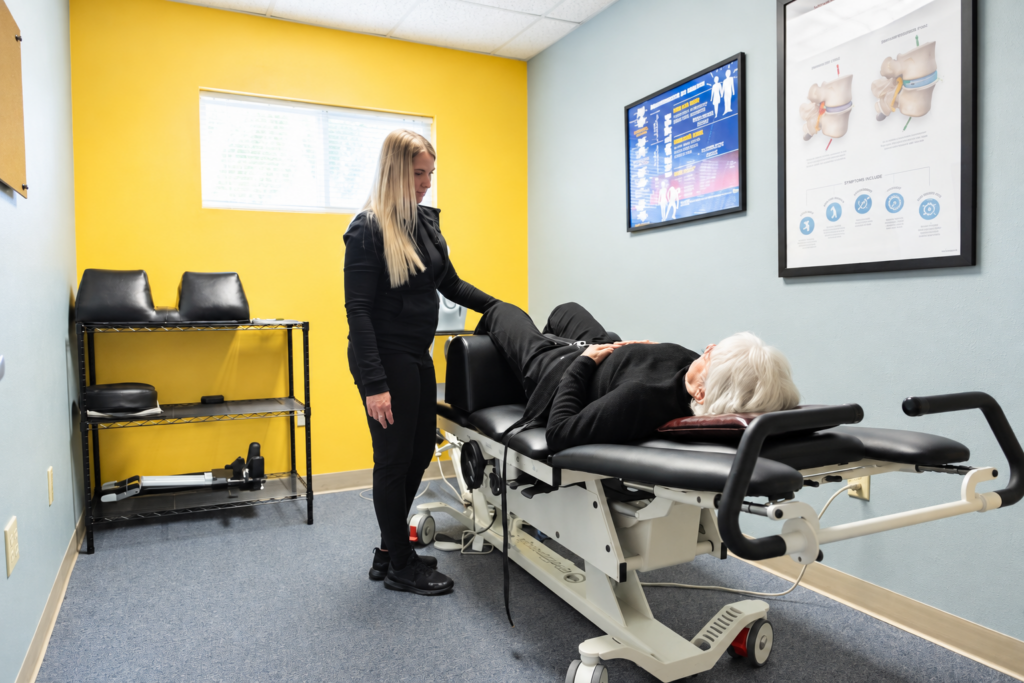
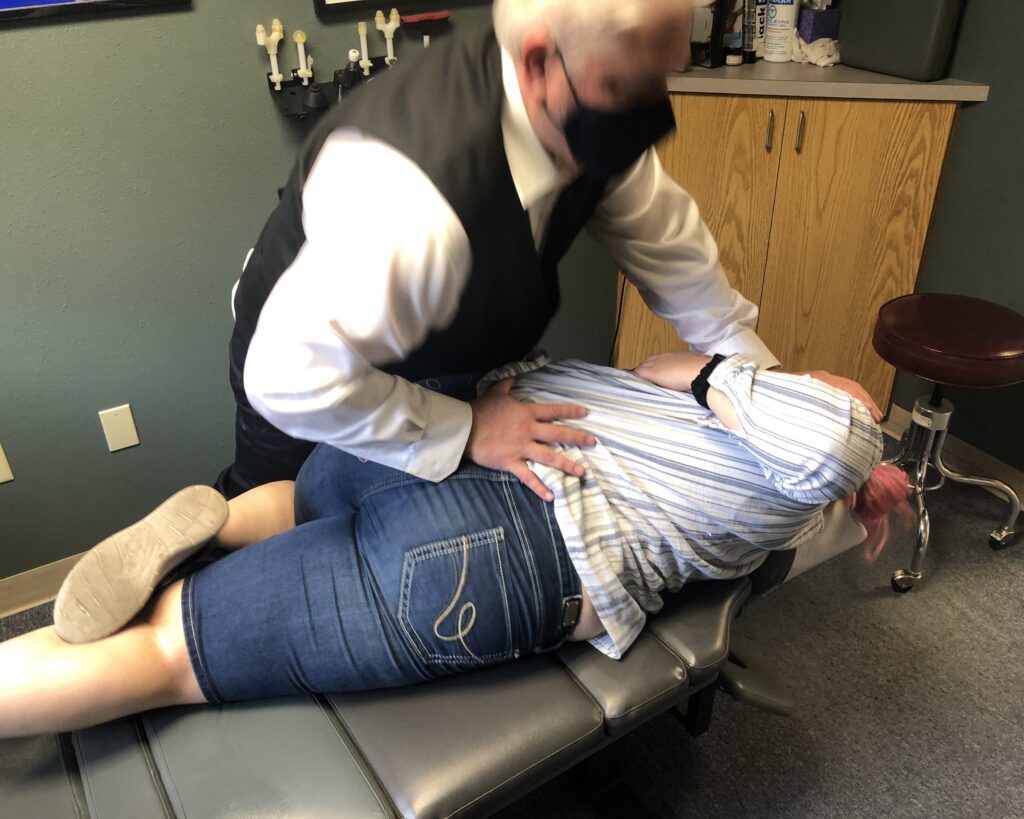
In addition to these measures, I encourage you to consider regular chiropractic adjustments. These adjustments can help realign your spine, reduce tension in your muscles, and improve your overall mobility.
Let's work together to create a personalized recovery plan that addresses your unique needs and helps you get back to enjoying your sport pain-free. Remember, understanding your body and implementing natural healing techniques can lead to lasting relief and improved performance.
Understand Your Pain
As a local chiropractor, I want to help you understand sports-related back pain and how we can address it naturally. First and foremost, it's crucial to recognize the underlying causes of your discomfort. Many times, back pain stems from poor posture, improper lifting techniques, or simply pushing your body too hard during physical activities.
You may not be aware, but the way you move and hold yourself plays a significant role in the health of your back. For example, if you're leaning too far forward while running or twisting incorrectly when lifting weights, you're putting excessive strain on your spine.
Another aspect to consider is muscle imbalances. When certain muscle groups are weaker than others, they can't adequately support your spine, leading to pain and discomfort. Common culprits include tight hamstrings or underdeveloped core muscles, both of which can significantly impact your back health.
Pay attention to how your body feels during various activities; these sensations can offer valuable insights into what's going wrong.
It's also important to reflect on any past injuries. Previous back injuries can lead to chronic pain or increase your vulnerability to new injuries. By understanding your medical history, we can identify patterns and triggers that may be worsening your discomfort.
Finally, age is a factor that can't be overlooked. As we grow older, our spines can undergo changes that may contribute to pain. By being aware of these factors, you'll be better equipped to make informed choices about your training and recovery strategies.
I encourage you to take a moment to think about your activities, posture, and past injuries. Gaining clarity on these elements is the first step toward effectively managing and relieving your back pain through natural chiropractic care.
Together, we can create a tailored plan to enhance your overall well-being and restore your body's balance.
Stretch Regularly
As a chiropractor, I want to share the importance of incorporating a regular stretching routine into your daily life, especially if you're dealing with sports-related back pain. Stretching is a natural way to improve flexibility, enhance your range of motion, and significantly reduce your risk of injury. By concentrating on the muscles surrounding your back, you can promote better alignment and overall function, which is essential for your well-being.
I recommend starting your stretching routine with dynamic stretches before any physical activity. These movements warm up your muscles and prepare your body for exercise. Simple exercises like gentle torso twists or cat-cow stretches can effectively mobilize your spine and get you ready for action.
Once you've completed your workout, it's crucial to take time for static stretches that specifically target areas like your hamstrings, hip flexors, and lower back. Holding each stretch for 20-30 seconds can help release tension and improve muscle elasticity.
I encourage you to make stretching a daily habit, even if it's just for a few minutes. If you're feeling tight or sore, it's even more important not to skip your routine; that's when your body needs stretching the most. Additionally, you might find that incorporating yoga or Pilates into your week can be beneficial. Both practices focus on flexibility and can further support the health of your back.
Above all, it's important to listen to your body. If you experience pain during a particular stretch, gently ease off and adjust your position. Consistency is vital, so find a stretching routine that fits your lifestyle and stick with it.
Strengthen Core Muscles
As a local chiropractor, I want to emphasize the importance of strengthening your core muscles, especially if you're dealing with sports-related back pain. A strong core is crucial because it provides the stability and support your spine needs, which can significantly reduce your risk of injury.
By focusing on core strength, you not only alleviate pain but also enhance your overall body stability.
Let me guide you through some effective core exercises that can help you build this essential strength. These exercises aren't only beneficial for your back but also support your entire musculoskeletal system, contributing to better posture and balance.
Core Exercises Overview
As a local chiropractor, I want to emphasize the importance of a strong core in preventing and alleviating sports-related back pain. Many people think of core strength as just having a six-pack, but it actually encompasses the muscles in your abdomen, lower back, hips, and pelvis.
By strengthening these muscles, you can stabilize your spine and support proper posture during your physical activities, which is crucial for overall health.
To begin, I recommend starting with foundational exercises such as planks, bridges, and bird-dogs. Planks are particularly effective because they engage multiple muscle groups and improve endurance.
For bridges, lie on your back with your knees bent, lift your hips, and hold that position; this exercise strengthens your glutes and lower back. Bird-dogs, performed on all fours, are excellent for enhancing balance and coordination while also engaging your core.
Once you feel comfortable with these basic exercises, you can gradually progress to more advanced movements like Russian twists or stability ball workouts. Incorporating these exercises into your routine two to three times a week can significantly improve your core strength.
It's important to maintain proper form during these exercises to avoid any potential injuries.
By integrating core exercises into your regimen, not only can you reduce back pain, but you can also boost your overall athletic performance. This will help you stay active and injury-free.
I encourage you to start today, and with consistency, you'll begin to notice the positive impacts on your body and wellbeing!
Importance of Stability
As a local chiropractor dedicated to your health and well-being, I want to emphasize the significance of stability in your daily life and athletic pursuits. Understanding how stability influences your overall performance and helps prevent injuries is crucial, especially if you're new to chiropractic care and natural healing.
A stable core plays a vital role in supporting your spine, which is essential for optimal movement mechanics in various activities. When your core is strong and stable, you can perform movements more effectively, leading to enhanced athletic performance and a lower risk of injury.
Here are some key benefits of incorporating stability training into your routine:
- Injury Prevention: A stable core serves as a protective barrier for your back and joints, especially during dynamic movements. This protection is essential for maintaining long-term health.
- Improved Balance: Enhanced stability contributes to better balance, a critical component in almost every sport and daily activity. This can help you feel more secure and confident in your movements.
- Increased Power: A strong core facilitates greater force transfer, enabling you to execute movements with more power and efficiency, whether you're playing a sport or engaging in everyday tasks.
- Better Posture: Stability training can promote proper alignment of your body, helping to reduce strain on your back and improve your overall posture. Good posture is essential for preventing discomfort and enhancing your quality of life.
Incorporating simple stability exercises, such as planks and balance activities, into your daily routine can significantly strengthen your core. This won't only improve your performance but also contribute to your overall health, making you more resilient against back pain and other common issues.
Prioritizing stability is a natural way to empower your body and enhance your athletic capabilities. If you have any questions about how chiropractic care can support your journey to better stability and health, please feel free to reach out!
Use Proper Techniques
As a local chiropractor, I want to emphasize the importance of using proper techniques during sports activities to prevent back pain and promote long-term health. Many people may not realize how crucial body mechanics are when engaging in any sport. Poor posture or improper movements can lead to unnecessary strain on your back, resulting in pain or even injury.
Before you begin any activity, always prioritize a warm-up. This step is vital as it increases blood flow to your muscles, preparing your body for the demands of physical activity. Incorporating stretching into your warm-up routine not only enhances flexibility but also helps you maintain proper form throughout your sports engagement.
For those participating in contact sports, pay particular attention to your stance and balance. Keeping your knees slightly bent and evenly distributing your weight can help you avoid sudden twists that might jeopardize your back health.
While actively participating in sports, be conscious of your movements. If you're lifting weights or performing exercises, it's essential to engage your core and maintain a straight back. Avoid twisting your torso while lifting, as this can place undue pressure on your spine. Instead, pivot your feet to change your position safely.
Don't overlook the importance of taking breaks to combat fatigue. When you're tired, your form may falter, increasing your risk of injury. Always listen to your body; if you start to feel discomfort, it's crucial to modify your technique or take a pause.
Invest in Ergonomic Gear
As a local chiropractor, I want to emphasize the importance of preventing back pain, especially during sports activities. One effective way to safeguard your spine is by investing in ergonomic gear. This includes selecting supportive footwear that fits properly, which can significantly reduce the risk of injury.
It's also essential to use equipment that's specifically designed for your sport, as this can help maintain optimal body alignment and posture.
Additionally, consider incorporating adjustable athletic accessories into your routine. These tools can enhance your comfort and help you maintain the right posture while engaging in physical activities.
By making these informed choices, not only will you improve your athletic performance, but you'll also protect your back from unnecessary strain and the potential for long-term issues.
Choose Supportive Footwear
As a local chiropractor, I want to emphasize the importance of choosing supportive footwear for those of you who may be experiencing sports-related back pain. The right shoes do more than just protect your feet; they play a crucial role in improving your overall posture, enhancing your athletic performance, and minimizing stress on your spine.
When you're active, your feet endure a lot of impact. That's why investing in quality footwear can significantly impact your well-being.
Here are some key features to look for when selecting supportive shoes:
- Arch Support: It's vital to choose shoes that provide adequate arch support. This helps maintain proper alignment, reducing strain on your back and promoting better posture.
- Cushioning: Opt for footwear that offers excellent cushioning. Good cushioning absorbs shock, which can alleviate pressure on your spine and help prevent discomfort.
- Stability: Look for shoes with a stable base. Stability is crucial in preventing excessive movement of the foot, which can lead to injuries and exacerbate back pain.
- Fit: Make sure your shoes fit well. A snug but comfortable fit is essential to prevent blisters and foot pain, which can affect your overall activity level and spinal health.
By making informed choices about your footwear, you can take an important step towards alleviating back pain and enhancing your overall health.
If you have any questions about how your shoes might be affecting your spine, feel free to reach out to me for guidance!
Utilize Proper Equipment
As a local chiropractor, I want to emphasize the importance of investing in ergonomic gear, especially for those dealing with sports-related back pain. Proper equipment plays a crucial role in reducing discomfort and preventing further injuries.
Let's start with the basics: if you're engaging in physical activities, choosing a high-quality sports bra or compression shirt can provide essential support to your body. These items help stabilize your posture and lessen the strain on your back during movement.
For cyclists and runners, it's beneficial to consider using ergonomic handlebars or padded shorts. These specially designed items promote better posture, making your rides or runs more comfortable and alleviating pressure on your spine.
If weightlifting is part of your routine, a lifting belt can be invaluable. It provides critical back support and aids in maintaining proper form, which is essential for avoiding injuries.
Additionally, pay attention to the design of your equipment. Look for items that encourage a natural range of motion and proper alignment. For example, a well-constructed backpack can evenly distribute weight across your shoulders and back, significantly reducing strain while you carry your belongings.
Remember, investing in ergonomic gear isn't just about immediate comfort; it's a long-term strategy for maintaining a healthy spine. By prioritizing supportive equipment, you can continue to engage in your favorite sports while minimizing the risk of pain and injury.
As your chiropractor, I encourage you to recognize that the right gear can profoundly impact your performance and overall well-being. Let's work together to ensure you have the tools necessary for a healthier, pain-free life.
Adjustable Athletic Accessories
As a local chiropractor dedicated to promoting natural healing and overall well-being, I want to highlight the significant impact that adjustable athletic accessories can have on your comfort and support during physical activities.
Investing in ergonomic gear not only enhances your performance but also plays a crucial role in reducing the risk of back pain.
Here are some adjustable accessories I recommend to help you stay comfortable while staying active:
- Adjustable Back Support: This accessory provides personalized lumbar support, which is essential for maintaining proper spinal alignment throughout your workouts. Proper alignment can alleviate stress on your back and improve your posture.
- Compression Sleeves: These sleeves are designed to offer targeted support to your muscles and joints, which can help minimize strain during exercise. Additionally, they enhance blood flow, aiding in recovery and reducing soreness after physical activity.
- Adjustable Straps on Gear: Ensuring that your athletic gear fits correctly is vital. Adjustable straps help secure your equipment in place, reducing unnecessary movement that can lead to discomfort and strain on your back.
- Ergonomic Footwear: The right shoes can make a world of difference. Ergonomic footwear promotes proper posture and provides shock absorption, both of which are key factors in maintaining good back health.
By incorporating these adjustable accessories into your athletic routine, you can significantly improve your comfort and support, helping to prevent potential injuries and maintain a healthier back.
If you have questions about how to choose the right gear or if you're experiencing discomfort, please feel free to reach out—I'm here to help you on your journey to better health!
Apply Heat and Cold
As your local chiropractor, I want to share some valuable insights on managing sports-related back pain, particularly through the use of heat and cold therapy. Understanding how to apply these methods effectively can make a significant difference in your recovery process.
When you experience an injury, cold therapy should be your go-to first step. It helps reduce inflammation and numbs the sharp pain that often accompanies injuries. I recommend using an ice pack wrapped in a cloth or even a bag of frozen peas. Apply it to the affected area for about 15-20 minutes at a time, but remember to avoid placing ice directly on your skin to prevent frostbite.
Once the initial pain has subsided, heat therapy can be incredibly beneficial for easing muscle tightness and stiffness. If your back feels sore after physical activity or a long day, applying heat can help relax those tense muscles and improve blood circulation. You can use a heating pad, a hot water bottle, or simply enjoy a warm shower. Like cold therapy, limit your heat applications to about 15-20 minutes.
Another effective approach is to alternate between heat and cold therapy. Start with cold to alleviate inflammation, then switch to heat to encourage relaxation and healing. Pay attention to your body's responses; if you find that one method works better for you than the other, feel free to follow what feels most comfortable.
As your chiropractor, I emphasize the importance of listening to your body and tailoring your approach to your individual needs. Incorporating these strategies can significantly aid in relieving sports-related back pain and support your overall well-being.
Let's work together to find the best methods for your recovery!
Consult a Professional
As a local chiropractor, I want to emphasize the importance of understanding when it's time to seek professional help for sports-related back pain. While heat and cold therapy can be effective for temporary relief, there are instances where professional evaluation is essential.
If your back pain persists or even worsens despite your at-home efforts, I encourage you to reach out to a healthcare provider, like myself. I can help identify the underlying causes of your discomfort and create a personalized treatment plan tailored to your needs.
Here are some key indicators that it's time to consult with a chiropractor:
- Persistent Pain: If your back pain lingers for more than a week despite self-care techniques, it's a good idea to get a professional opinion.
- Radiating Pain: If you experience pain that travels down your legs or impacts your ability to move, this could signal a more serious condition that needs attention.
- Numbness or Weakness: Don't ignore sensations of tingling, weakness, or numbness in your limbs. These symptoms warrant a thorough examination.
- Injury History: If you've recently sustained an injury while engaging in sports, it's important to have a professional assessment to avoid potential long-term complications.
As your chiropractor, I'll conduct a comprehensive evaluation, which may include diagnostic imaging if necessary, to fully understand your condition.
Together, we can develop a safe exercise regimen and rehabilitation techniques specifically designed for your recovery.
Conclusion
As a local chiropractor, I want to emphasize the importance of a proactive approach to managing sports-related back pain. It's crucial to understand the nature of your pain and how it affects your performance. Incorporating regular stretching and core-strengthening exercises can significantly enhance your athletic abilities and help prevent injuries.
Proper techniques during physical activities, along with investing in ergonomic gear, play a vital role in supporting your back health. Don't underestimate the effectiveness of heat and cold therapies; they can provide soothing relief from discomfort. Most importantly, always listen to your body. If you experience persistent pain, seeking professional guidance is essential.
By following these tips and considering chiropractic care, you can pave the way for a healthier, pain-free athletic experience. I'm here to help you understand how natural healing can support your journey to optimal performance and well-being!