
As a local chiropractor, I often see athletes grappling with back pain that affects their performance and enjoyment of their sport. It's crucial to recognize that the causes of this discomfort can be multifaceted and not merely due to a simple strain. Many of you might be surprised to learn how your warm-up routine, core strength, and even your posture can significantly influence your back health.
In our practice, we emphasize the importance of understanding these factors. As we delve into effective techniques and preventative measures, I aim to provide you with insights that can genuinely transform your approach to both training and recovery. Imagine if the key to alleviating your back pain is more straightforward than you ever imagined. By incorporating natural healing methods and chiropractic care into your routine, you could find the relief you've been searching for. Let's work together to unlock your potential and enhance your performance on and off the field!
Understanding Back Pain Causes
As a local chiropractor, I understand that back pain can be a significant challenge, especially for those who are active in sports or physical activities. Many athletes experience discomfort due to a variety of factors, and it's crucial to understand these underlying causes to effectively address and alleviate your pain.
One common reason for back pain is muscle strain. This often happens when you push your body too hard during training or competition. Consistent, repetitive movements can also lead to wear and tear on your back, resulting in chronic pain. This not only affects your athletic performance but can also interfere with your daily activities.
Poor posture is another prevalent issue that can lead to discomfort. Being unaware of your body mechanics while participating in sports can put unnecessary stress on your spine. This misalignment can lead to long-term problems if not addressed.
Additionally, a lack of core strength is a contributing factor to back pain. Your core muscles are vital for stabilizing your body during physical activities, and when they're weak, your back has to compensate, which can lead to pain.
Injuries from falls or collisions can also result in acute back pain. Sometimes, the effects of these injuries aren't felt immediately, but they can develop into ongoing issues.
Furthermore, more complex conditions like herniated discs or sciatica can amplify the problem, causing radiating pain that may extend beyond just the back.
Understanding the causes of your back pain is the first step towards effective treatment. By identifying the factors contributing to your discomfort, we can work together to implement proactive measures that not only alleviate your pain but also enhance your overall athletic performance.
As a chiropractor, I focus on natural healing methods to help restore balance and function to your body, so you can get back to doing what you love.
Importance of Proper Warm-Up
As a local chiropractor, I want to emphasize the importance of a proper warm-up for anyone involved in physical activities. Many people may not realize that a well-structured warm-up is key to preventing back pain and injuries.
Engaging in dynamic stretching not only prepares your body for the physical demands of sports but also enhances your overall flexibility and strength.
Incorporating injury prevention techniques into your routine can significantly reduce your risk of injury and help you stay active longer.
By taking the time to warm up properly, you're not just preparing your muscles and joints; you're also supporting your spine and nervous system, which are crucial for optimal performance.
Remember, taking care of your body through these practices can lead to a healthier, more active lifestyle.
If you have any questions or need guidance on how to incorporate these techniques, feel free to reach out!
Benefits of Dynamic Stretching
Dynamic stretching is an essential practice that can significantly improve your athletic performance while also reducing the likelihood of injuries. As a local chiropractor, I want to emphasize the importance of preparing your muscles and joints for the activities you engage in. When you incorporate dynamic stretches, you actively get your body ready for movement, which is crucial for optimal performance.
These stretches promote increased blood flow, elevate your heart rate, and raise your body temperature—factors that play a vital role in helping your body function at its best. Additionally, dynamic stretching enhances your range of motion, allowing for more fluid and efficient movements. By activating various muscle groups during these stretches, you ensure that your body is primed and ready for action, which can lead to improved coordination and balance—key elements in any sport.
Furthermore, adding dynamic stretching to your warm-up routine serves as a mental preparation tool. By concentrating on your movements and your breathing, you foster a stronger mind-body connection, making you more attuned to how your body operates. This awareness can be beneficial not only for athletic performance but also for your overall well-being.
Injury Prevention Techniques
As a local chiropractor, I want to emphasize the importance of proper warm-up techniques in preventing injuries and preparing your body for physical activity. Many people overlook this crucial step, but taking the time to warm up significantly reduces the risk of injuries, particularly in areas like your back.
When you engage in a warm-up, you elevate your heart rate and increase blood flow to your muscles, which enhances flexibility. This proactive approach helps to prevent strains, sprains, and other injuries that could sideline you from your favorite activities.
Begin your warm-up with light aerobic exercises such as jogging or jumping jacks to get your heart pumping. After that, incorporate dynamic stretching that targets your major muscle groups, including your back, hips, and legs. Movements like leg swings, arm circles, and torso twists are excellent for activating your muscles and improving your range of motion.
Many individuals think they can skip the warm-up and jump straight into their sport, believing it will save time. However, this can lead to setbacks and injuries that may require chiropractic care to address. Instead, I encourage you to dedicate at least 10 to 15 minutes for a thorough warm-up.
A well-prepared body not only performs better but also recovers more quickly from physical activity. By prioritizing warm-up techniques, you'll not only help to avoid injuries but also enhance your overall performance in any sport or exercise you choose. Incorporate this practice into your routine, and your back—and overall health—will thank you!
Strengthening Your Core Muscles
As a local chiropractor, I want to emphasize the importance of core muscles in maintaining a healthy and balanced body. Think of your core muscles as the foundation of a house; they provide essential stability and support for your entire body, especially during physical activities and sports.
When your core is strong, you'll notice improved balance and power in your movements. Conversely, weak core muscles can lead to poor posture and an increased risk of back pain, which is why it's crucial to integrate core-strengthening exercises into your wellness routine.
To get started, I recommend incorporating simple exercises such as planks, crunches, and bridges into your regimen. Planks are particularly beneficial because they engage not only your abdominal muscles but also your back and shoulders, promoting overall stability.
I suggest starting by holding a plank for 30 seconds and gradually increasing your time as your strength improves. Crunches are great for targeting your abs, and there are many variations to fit different skill levels. For an added challenge, consider bicycle crunches, which engage the obliques as well.
Bridges are another excellent exercise that strengthens both your glutes and lower back, creating a solid support system for your spine. To keep your workouts fresh and engaging, you might want to include exercises like Russian twists or leg raises.
These moves not only bolster your core but also enhance your rotational strength, which is particularly beneficial for various sports. Aim to work on your core two to three times a week, allowing your muscles time to recover and adapt.
Stretching Techniques for Relief
As a local chiropractor, I want to emphasize the importance of incorporating stretching techniques into your routine to help alleviate back pain and improve overall flexibility. Many patients are surprised to learn how effective regular stretching can be in relieving muscle tension, enhancing blood circulation, and increasing your range of motion.
Here are some proven stretches that I recommend to help ease your back pain.
Let's begin with a fundamental stretch known as the cat-cow stretch. Start by getting on your hands and knees, ensuring your wrists are directly under your shoulders and your knees are under your hips. As you inhale, arch your back and lift your gaze towards the ceiling (this is the cow position). Then, as you exhale, round your back and tuck your chin towards your chest (the cat position).
Repeat this sequence for about 10 cycles to help mobilize your spine.
Another effective stretch is the child's pose. Begin by kneeling on the floor, then gently sit back on your heels while extending your arms forward on the ground. Allow your forehead to rest on the mat.
Hold this position for 30 seconds to a minute, focusing on deep breathing to really feel the release in your lower back.
I also recommend trying the seated forward bend. Sit with your legs extended straight in front of you and gently reach towards your toes, ensuring that your back remains straight.
Hold this stretch for 20-30 seconds, and you'll notice the benefits in your hamstrings and lower back.
Finally, let's not overlook the standing quadriceps stretch. Stand on one leg and use the opposite hand to grasp your ankle. Gently pull your ankle towards your glutes while keeping your knees close together.
Hold this position for 20-30 seconds on each side. By routinely practicing these stretches, you can effectively manage and even prevent back pain.
Remember, incorporating these stretches into your daily routine can be a natural way to support your body's healing process and enhance your overall well-being.
If you're experiencing persistent discomfort, please don't hesitate to reach out for a chiropractic consultation to explore additional holistic treatment options.
Correct Posture During Activities
As a local chiropractor, I want to emphasize the importance of maintaining correct posture during your daily activities to prevent back pain and promote optimal spinal health. Whether you're engaged in sports or just going about your day-to-day tasks, the alignment of your body plays a crucial role in how well it can handle strain. Slouching or leaning incorrectly can lead to discomfort and even injuries.
When you're participating in any physical activity, it's essential to be mindful of your body position. Keep your shoulders back and relaxed, avoiding any forward hunching. Aim to keep your spine in a neutral position, which means it should maintain its natural curves. This proper alignment assists in distributing weight evenly, minimizing stress on your back muscles and joints.
When lifting or bending, remember to utilize your legs rather than putting strain on your back. Squat down, keeping your back straight, and engage your core muscles as you lift. This technique not only safeguards your spine but also improves your strength and stability.
It's also important to take breaks and stretch from time to time, especially during prolonged activities. Regular stretching helps maintain muscle flexibility and reduces the likelihood of stiffness.
As you engage in various activities, be attuned to how your body feels. If you start to experience any discomfort, take a moment to reassess your posture. Often, small adjustments can lead to significant improvements.
By committing to good posture, you're not just aiming for enhanced performance; you're making an investment in your long-term health. Prioritizing proper alignment will help you stay active and pain-free, allowing you to fully enjoy the activities you love for many years to come.
If you have any questions or would like to learn more about how chiropractic care can support your health, feel free to reach out!
Choosing the Right Equipment
As a local chiropractor, I want to emphasize that maintaining good posture is just one aspect of preventing sports-related back pain. The equipment you choose is equally important in protecting your spine and overall well-being. Selecting the right gear can significantly impact how your body feels during and after physical activities.
Whether you're playing sports, working out at the gym, or engaging in recreational activities, investing in quality equipment tailored to your specific sport is crucial for your health.
Let's start with footwear. Wearing the right shoes is essential for providing the support, cushioning, and stability your body needs, particularly your back. Make sure to choose shoes designed specifically for your activity, as different sports require different types of support and traction. For example, if you enjoy running, look for shoes that offer appropriate arch support and shock absorption to help minimize strain on your back.
Next, consider the fit and function of your gear. Whether it's a bicycle, racket, or helmet, it's vital that everything fits you properly. Equipment that's too tight or too loose can lead to imbalances in your body, which may result in improper movements and increase your risk of injury. Look for adjustable options that can be tailored to your individual body shape and size.
Additionally, don't overlook the importance of protective gear, such as back braces or support belts, especially if you participate in high-impact activities. These supportive devices can help provide extra stability and minimize stress on your spine, reducing the likelihood of injury.
Finally, always make it a point to replace any worn-out or outdated equipment. Old gear may not function as intended and could lead to discomfort or pain during your activities.
Recovery Methods to Consider
As a local chiropractor, I want to share some important insights on recovering from sports-related back pain. One of the most effective approaches is to incorporate stretching and strengthening exercises into your daily routine. These movements not only enhance your flexibility but also provide essential support to your spine, helping to alleviate pain and prevent future injuries.
Additionally, I encourage you to explore physical therapy techniques, which can offer personalized strategies tailored to your specific needs. By working with a chiropractor, you can learn how to properly execute these exercises and integrate natural healing methods that promote overall wellness.
Stretching and Strengthening Exercises
As a local chiropractor, I want to share some valuable insights on how incorporating effective stretching and strengthening exercises into your routine can significantly alleviate sports-related back pain. Many of my patients have found that gentle stretches targeting the spine and surrounding muscles are a great place to start.
One particularly beneficial stretch is the cat-cow stretch, which helps improve flexibility and relieve tension in your back. To perform this exercise, get on all fours, arch your back while inhaling, and then round it while exhaling. Hold each position for a few seconds to maximize the benefits.
In addition to stretching, it's crucial to focus on strengthening your core. A strong core is essential for supporting your spine and reducing strain on your back. I often recommend planks for this purpose. Begin by positioning yourself on your elbows and toes, keeping your body in a straight line. Aim to hold this position for 20-30 seconds, gradually increasing the duration as your strength improves.
Don't overlook the importance of lower back exercises, such as bridges. To do this exercise, lie on your back, bend your knees, and lift your hips off the ground. This movement not only strengthens your glutes but also reinforces your lower back, contributing to overall stability.
It's also essential to incorporate hamstring stretches into your routine, as tight hamstrings can exacerbate back pain. You can perform this stretch by standing and placing one foot on an elevated surface, then leaning forward gently to stretch the back of your leg.
Physical Therapy Techniques
As a local chiropractor, I want to share how chiropractic care can play a crucial role in your recovery from sports-related back pain. Many people are unaware of the natural healing methods we offer, which can significantly improve your well-being.
Here are three key techniques I recommend incorporating into your recovery plan:
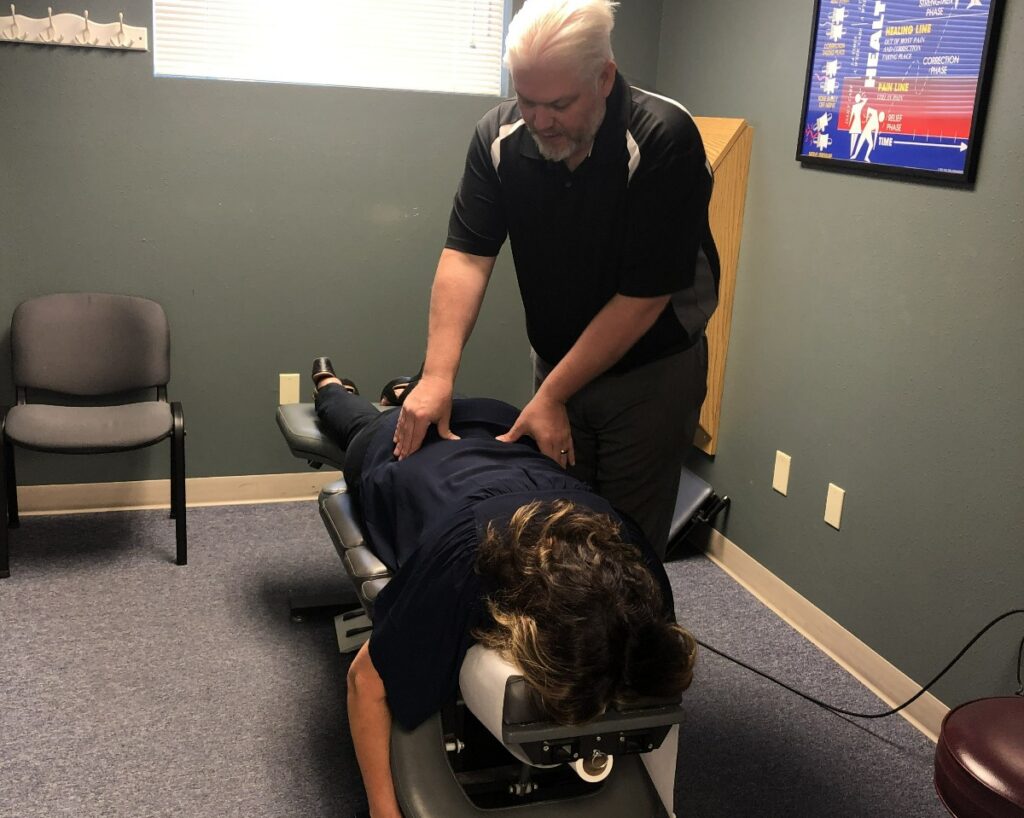
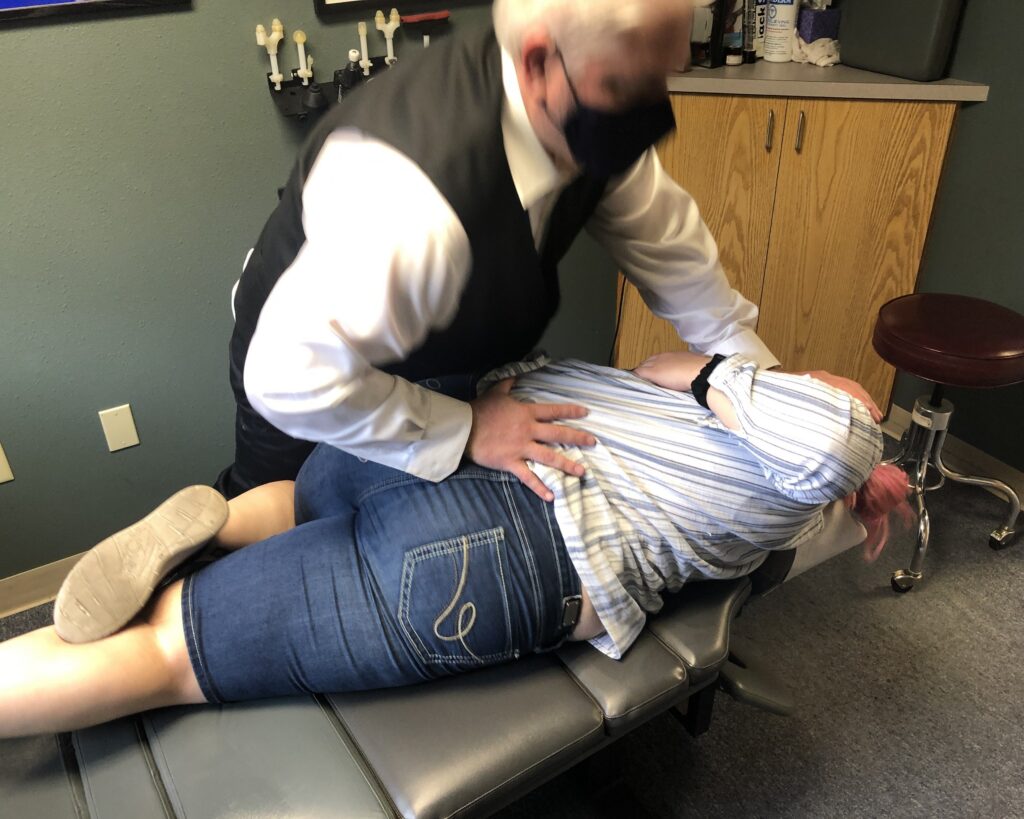
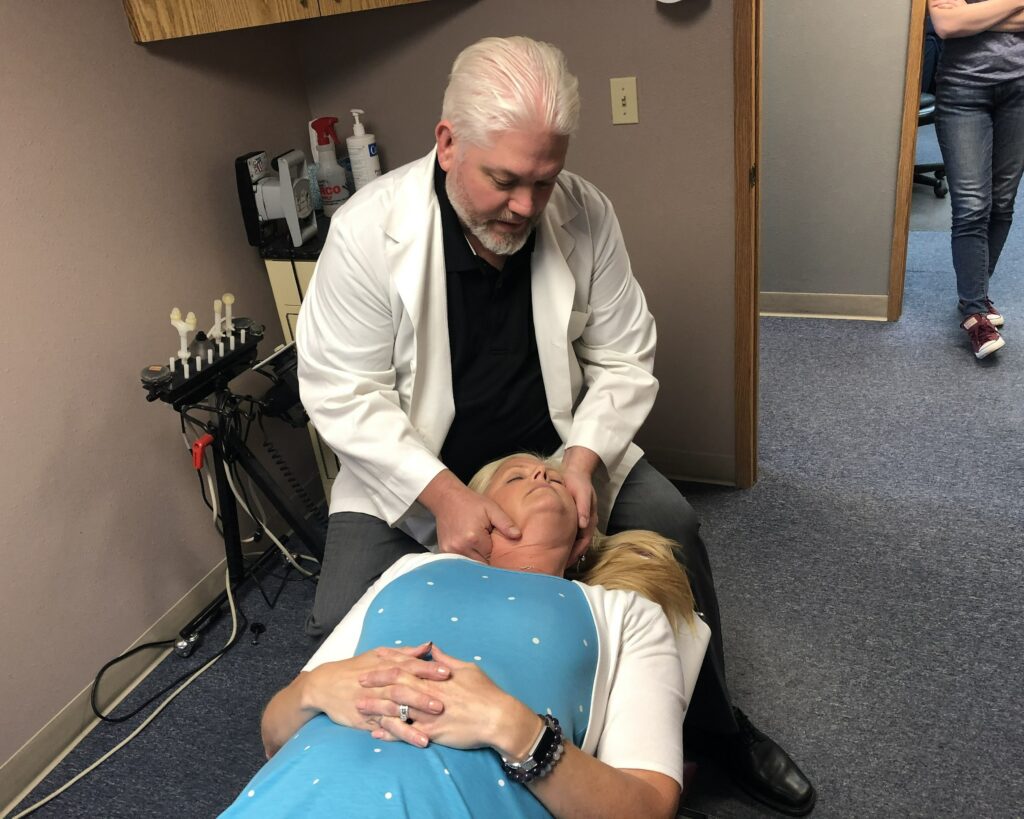
- Spinal Manipulation: This hands-on technique involves the application of controlled force to specific joints in your spine. By realigning the vertebrae, we can alleviate pain, reduce tension, and restore proper mobility, allowing your body to function optimally.
- Rehabilitative Exercises: We provide personalized exercises designed to strengthen your core and back muscles. These movements not only help relieve pain but also enhance your stability and posture, which are essential for preventing future injuries during sports activities.
- Therapeutic Modalities: In our practice, we may utilize various modalities such as heat therapy, ice packs, ultrasound, or electrical stimulation. These treatments are effective in reducing pain and inflammation, promoting healing, and increasing blood flow to the affected areas, which supports your overall recovery process.
When to Seek Professional Help
As a local chiropractor, I want to help you understand when it's important to seek professional help for sports-related back pain. Your recovery is a priority, and recognizing the right time to consult a healthcare professional can make all the difference.
If you find yourself dealing with persistent back pain that lingers for more than a few days, it's crucial to reach out for assistance. Ignoring ongoing discomfort can lead to more serious issues that may require more extensive treatment later on.
You should also be aware that severe or worsening pain is a clear signal to get help. If you're struggling with simple movements—like bending, lifting, or even walking—don't hesitate to contact a chiropractor. We specialize in understanding the mechanics of your body and can provide relief.
Additionally, if you experience any numbness, tingling, or weakness in your legs or feet, it's vital to seek evaluation right away, as these symptoms may indicate nerve involvement that we can address.
Another important factor to consider is pain associated with other symptoms. If you have a fever, are experiencing unexplained weight loss, or are facing issues with bowel or bladder control, it's essential to act quickly. These could be signs of more serious underlying conditions that require immediate attention.
Lastly, if your back pain is preventing you from enjoying sports or participating in your daily activities, reaching out for professional help is key. As a chiropractor, I can help identify the root cause of your pain and develop a personalized treatment plan that caters to your specific needs, using natural healing methods to promote your overall well-being.
Preventative Measures for Athletes
As a local chiropractor, I want to emphasize the importance of preventing back pain for maintaining optimal performance in your sport and enjoying your favorite activities without disruption.
By integrating a few straightforward strategies into your daily routine, you can significantly lessen your risk of injury and promote a healthy back.
1. Strengthen Your Core: A robust core is vital for supporting your spine. I recommend incorporating exercises such as planks, bridges, and targeted abdominal workouts into your routine.
A well-conditioned core not only enhances stability and endurance but also helps absorb impact and reduces strain on your back.
2. Focus on Flexibility: Regular stretching is essential for improving flexibility, allowing for better movement and alleviating muscle tension.
I suggest incorporating dynamic stretches before your workouts and static stretches afterward. Make sure to pay special attention to areas like your hamstrings, hip flexors, and lower back to ensure you maintain an optimal range of motion.
3. Use Proper Technique: Whether you're lifting weights, running, or playing a sport, using the correct form is crucial.
Improper technique can place unnecessary stress on your back, leading to pain and injury. I encourage you to consider working with a coach or a trained professional to ensure you're employing the right mechanics in all your activities.
By following these preventative measures, you can better protect your back and enhance your overall well-being.
As a chiropractor, I'm here to support you on your journey to a healthier, pain-free life.
Conclusion
As a local chiropractor, I want to share some valuable insights on how to manage and prevent sports-related back pain. It's essential to take a proactive approach to your health. Understanding the underlying causes of your pain is the first step. Proper warm-ups, strengthening your core muscles, and maintaining good posture are crucial in reducing your risk of injury.
Incorporating effective stretching techniques into your routine, along with selecting the right equipment for your activities, can make a significant difference as well. Remember, if you experience persistent pain, seeking professional help—like chiropractic care—can provide you with the guidance and treatment you need to heal naturally. By committing to these preventative measures, you'll not only enhance your athletic performance but also keep your back healthy and strong. Let's work together to help you achieve your best!