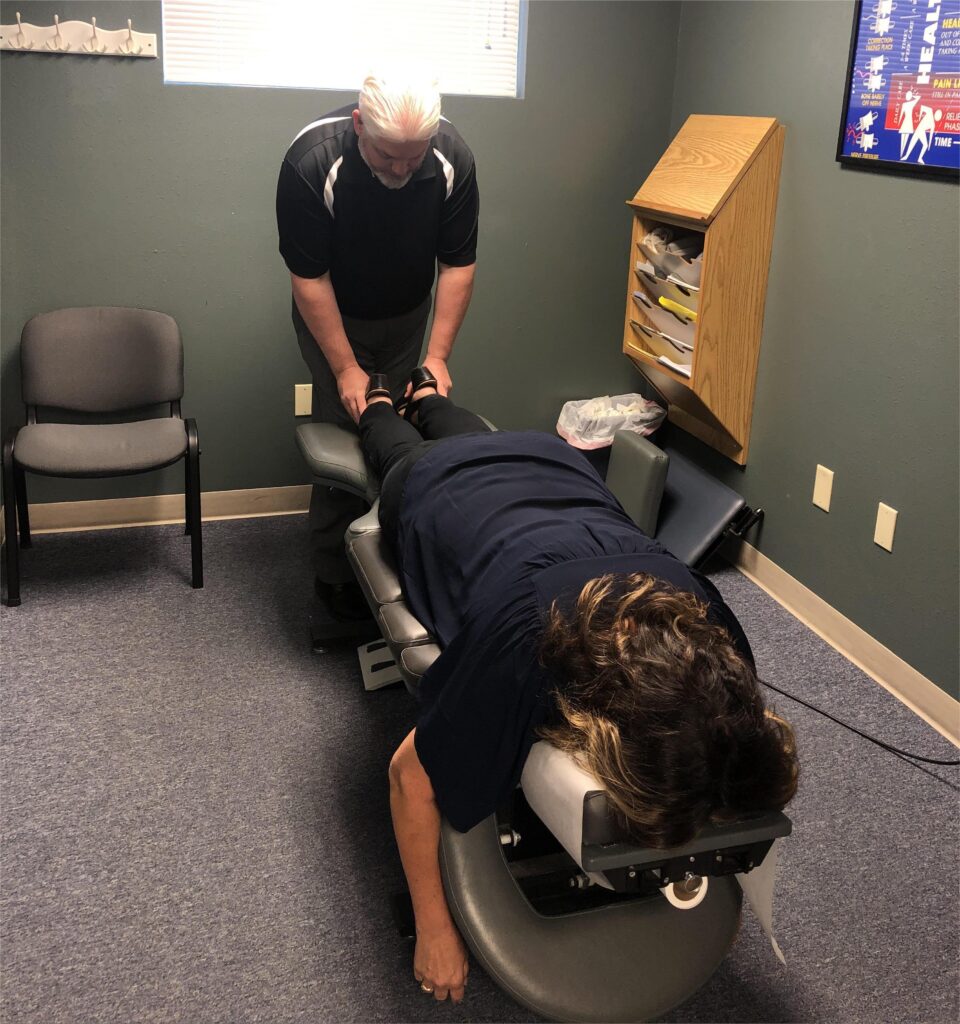

If you're grappling with chronic pain, you might feel overwhelmed by the options available for relief. Fortunately, managing your discomfort naturally doesn't have to be complicated. By making some dietary adjustments, incorporating regular physical activity, and exploring mindfulness techniques, you can create a holistic approach that suits your lifestyle. But that's just the beginning; there are additional methods you may not have considered that could further enhance your well-being. Curious about what these strategies entail and how they can work for you?
Dietary Adjustments
When managing chronic pain, your diet can play an essential role in how you feel day-to-day. The foods you choose can either exacerbate your discomfort or help alleviate it. Start by incorporating anti-inflammatory foods into your meals. Fruits like berries and oranges, along with vegetables such as leafy greens, can considerably reduce inflammation.
Don't forget about healthy fats—avocados, nuts, and olive oil can also provide relief.
It's important to limit processed foods, sugars, and refined carbohydrates. These items can trigger inflammation and may worsen your pain. Instead, focus on whole, unprocessed foods that nourish your body. Whole grains, legumes, and lean proteins like fish or chicken should be staples in your diet. They not only support your overall health but can also help manage pain levels.
Stay hydrated, too. Drinking enough water is essential for maintaining bodily functions and can help flush out toxins that may contribute to pain. Herbal teas, especially ginger or turmeric, can offer additional anti-inflammatory benefits.
Consider keeping a food diary to track how certain foods impact your pain. This can help you identify specific triggers and adjust your diet accordingly. Don't hesitate to consult with a nutritionist for personalized advice tailored to your needs.
Making these dietary adjustments may seem challenging at first, but with time, you'll likely notice a positive shift in how you feel. Your body will thank you for the care you give it through the foods you choose.
Regular Physical Activity
Regular physical activity is a powerful tool in managing chronic pain. Engaging in regular exercise helps to strengthen your muscles, improve flexibility, and enhance overall mobility. When you move your body, you stimulate the release of endorphins, which are natural pain relievers. This can lead to a significant reduction in your perception of pain over time.
It's important to find activities that you enjoy, as this will make it easier to stick with a routine. Whether it's walking, swimming, cycling, or yoga, choose something that feels good to you. Start slow and gradually increase the intensity and duration of your workouts. Listen to your body; it's okay to take breaks if you're feeling fatigued or in pain.
Consistency is key, so aim for at least 150 minutes of moderate exercise each week. Incorporating strength training exercises into your routine can also be beneficial. These exercises help build muscle support around your joints, providing added stability and reducing discomfort.
Stretching is equally important, as it enhances your flexibility and can relieve tightness in your muscles. Don't forget to consult with your healthcare provider before starting any new exercise program, especially if you have specific limitations or health concerns. They can help tailor an exercise plan that meets your needs.
Mindfulness and Meditation
Mindfulness and meditation can be powerful tools for managing chronic pain.
By practicing breathing techniques and guided imagery, you can create a sense of calm and reduce your body's stress response.
These techniques not only help in coping with pain but also enhance your overall well-being.
Breathing Techniques
Breathing techniques can be powerful tools for managing chronic pain, offering a moment of calm amidst the discomfort. When you focus on your breath, you activate your body's relaxation response, which can help reduce tension and stress often associated with pain.
Start by finding a comfortable position, whether seated or lying down. Close your eyes if you feel comfortable, and begin to take slow, deep breaths.
Inhale deeply through your nose, allowing your abdomen to expand. Hold that breath for a moment, then gently exhale through your mouth. Repeat this process, focusing on the rhythm of your breathing. As you do, visualize each inhale bringing in calm and each exhale releasing pain and tension.
You might also try counting your breaths. Inhale for a count of four, hold for four, and exhale for a count of six. This structured approach can help keep your mind anchored and reduce racing thoughts.
Practicing these techniques regularly can enhance your ability to cope with pain, making it easier to navigate daily challenges. Incorporating breathing exercises into your routine can lead to profound shifts in how you experience and manage chronic pain.
Guided Imagery
Guided imagery combines visualization techniques with mindfulness to create a mental escape that can help ease chronic pain. By focusing your mind on calming and positive images, you can distract yourself from discomfort and promote relaxation. This technique encourages you to visualize peaceful scenes, such as a serene beach or a tranquil forest, allowing your body to respond with reduced tension.
To practice guided imagery, find a quiet space where you won't be disturbed. Close your eyes and take a few deep breaths to center yourself. Picture a place that brings you comfort and joy. Engage all your senses—imagine the sounds, smells, and sensations of this environment. This vivid imagery can help shift your focus away from pain and create a sense of calm.
You can also use recordings or apps that guide you through these visualizations, making it easier to immerse yourself in the experience. Regular practice can enhance your ability to manage pain and improve your overall well-being.
Heat and Cold Therapy
When it comes to managing chronic pain, heat and cold therapy can really make a difference. Both methods offer unique benefits that can help alleviate discomfort.
Heat therapy works by increasing blood flow to the affected area, promoting relaxation and easing tension in the muscles. You can use a heating pad, hot water bottle, or even take a warm bath to enjoy these benefits. Just be sure to keep the heat at a comfortable level to avoid burns, and limit application to about 15-20 minutes.
On the other hand, cold therapy helps reduce inflammation and numb sharp pain. It constricts blood vessels, which can decrease swelling and provide relief. Ice packs or cold compresses are effective options. You should apply cold therapy for about 10-15 minutes at a time, ensuring you have a barrier, like a cloth, between the ice and your skin to prevent frostbite.
Determining which method works best for you may require some trial and error. You might find that alternating between heat and cold therapy provides the most relief. For example, you can start with cold therapy to reduce inflammation, then switch to heat to ease muscle tension afterward.
Integrating heat and cold therapy into your routine can be a simple yet effective way to manage chronic pain. Listen to your body and adjust the methods as needed, and you might discover a significant reduction in discomfort.
Herbal Remedies
When you're exploring herbal remedies for chronic pain, it's important to know your options.
Popular choices like turmeric and ginger can offer relief, but you'll need to pay attention to their dosage and safety.
Plus, consider how these remedies might work alongside your other treatments for the best results.
Popular Herbal Options
Many individuals seeking relief from chronic pain are turning to popular herbal options, which often provide a natural alternative to conventional medications. These remedies have been used for centuries and are gaining renewed attention for their potential benefits.
One of the most well-known herbal options is turmeric, known for its active compound, curcumin, which has anti-inflammatory properties. You might also consider ginger, which can help reduce pain and inflammation, especially in conditions like arthritis.
Willow bark is another traditional remedy; it contains salicin, which is similar to aspirin and may help alleviate pain. If you're looking for something to help with nerve pain, St. John's Wort might be worth exploring. Its properties can ease discomfort associated with nerve pain.
Similarly, capsicum, derived from chili peppers, has been shown to have pain-relieving effects when applied topically. Lastly, don't overlook the benefits of peppermint, which can soothe headaches and migraines.
Incorporating these herbs into your daily routine may offer you much-needed relief, allowing you to manage your chronic pain more effectively.
Dosage and Safety
Understanding the appropriate dosage and safety factors for herbal remedies is vital for effective chronic pain management. When you turn to herbal options, it's important to follow guidelines to maximize benefits and minimize risks. Each herb has its own recommended dosage, so it's best to consult with a healthcare provider familiar with herbal medicine.
Here are some important safety tips to keep in mind:
- Start Low, Go Slow: Begin with a lower dose to see how your body reacts, then gradually increase if necessary.
- Watch for Side Effects: Pay attention to any adverse reactions, such as digestive issues or allergic responses, and discontinue use if needed.
- Check for Interactions: Some herbs can interact with medications or other supplements, so make sure your healthcare professional reviews your entire regimen.
Always remember, just because something is natural doesn't mean it's harmless. Being informed about dosages and potential side effects will empower you to make safe and effective choices in your chronic pain journey.
Prioritizing safety helps you gain the best possible results from your herbal remedies.
Combining With Other Treatments
Integrating herbal remedies with conventional treatments can enhance your chronic pain management strategy. Many people find that combining these approaches helps alleviate symptoms more effectively than either method alone.
For instance, you might consider using turmeric, which contains curcumin, known for its anti-inflammatory properties. Adding it to your diet or taking it in supplement form can complement your prescribed medications.
Another option is ginger, which may help reduce pain and inflammation as well. You could brew ginger tea or use ginger extract alongside your regular treatment plan.
Always consult your healthcare provider before adding any herbal remedies, as they can interact with medications and affect their efficacy.
Additionally, you might explore the benefits of willow bark, often used for its pain-relieving properties. It's essential to monitor how your body responds when you introduce these herbs. Keeping a journal can help you track your pain levels and any side effects.
Acupuncture Treatment
In the domain of chronic pain management, acupuncture treatment stands out as a compelling alternative to conventional therapies. This ancient practice, rooted in Traditional Chinese Medicine, involves the insertion of thin needles into specific points on your body. By doing so, it aims to enhance energy flow and promote natural healing. You might be surprised by how effective this treatment can be, especially if you've been seeking relief from persistent pain.
Here's what you can expect from acupuncture:
- A calming atmosphere: Imagine entering a serene space, filled with soft lighting and gentle music, allowing you to unwind and focus on your healing journey.
- The sensation of needles: You may feel a slight pinch or tingling as the needles are inserted, but many find the overall experience surprisingly relaxing.
- Holistic benefits: Beyond pain relief, acupuncture can help improve your mood, boost your immune system, and enhance your overall well-being.
Acupuncture's effectiveness lies in its ability to stimulate your body's natural painkillers, such as endorphins. It can also reduce inflammation and improve blood flow, which may contribute to a decrease in chronic pain symptoms.
While individual experiences can vary, many patients report significant improvements after just a few sessions. If you're considering a natural approach to managing your chronic pain, acupuncture might just be the relief you've been searching for.
It's worth exploring this holistic option as part of your thorough pain management plan.
Quality Sleep Practices
Finding relief from chronic pain is often a multifaceted journey, and quality sleep practices play an essential role in your overall well-being. When you prioritize sleep, you give your body the chance to heal and recharge, which can greatly reduce your pain levels.
Start by establishing a consistent sleep schedule. Go to bed and wake up at the same time every day, even on weekends. This helps regulate your body's internal clock, making it easier to fall asleep and stay asleep.
Create a restful environment in your bedroom. Keep the room dark, cool, and quiet. Consider using blackout curtains, earplugs, or a white noise machine to minimize disturbances. Make your bed as comfortable as possible—invest in a good-quality mattress and pillows that support your body properly.
Before bedtime, develop a relaxing pre-sleep routine. Engage in calming activities like reading, taking a warm bath, or practicing deep breathing exercises. Avoid screens for at least an hour before bed since the blue light can interfere with your sleep quality.
Limit caffeine and heavy meals close to bedtime, as these can disrupt your sleep. Instead, opt for a light snack if you're hungry.
If you find it hard to fall asleep due to pain, consider gentle stretches or mindfulness meditation to help ease tension. By integrating these quality sleep practices, you'll likely experience improvements in both your sleep and pain management.
Conclusion
Managing chronic pain naturally is within your reach. By incorporating anti-inflammatory foods, staying active, practicing mindfulness, and utilizing heat and cold therapy, you can make a significant difference in your comfort levels. Exploring herbal remedies and considering acupuncture can further enhance your well-being. Don't forget the importance of quality sleep in your pain management strategy. Remember to consult with healthcare professionals for personalized advice, and take proactive steps towards a more comfortable life.