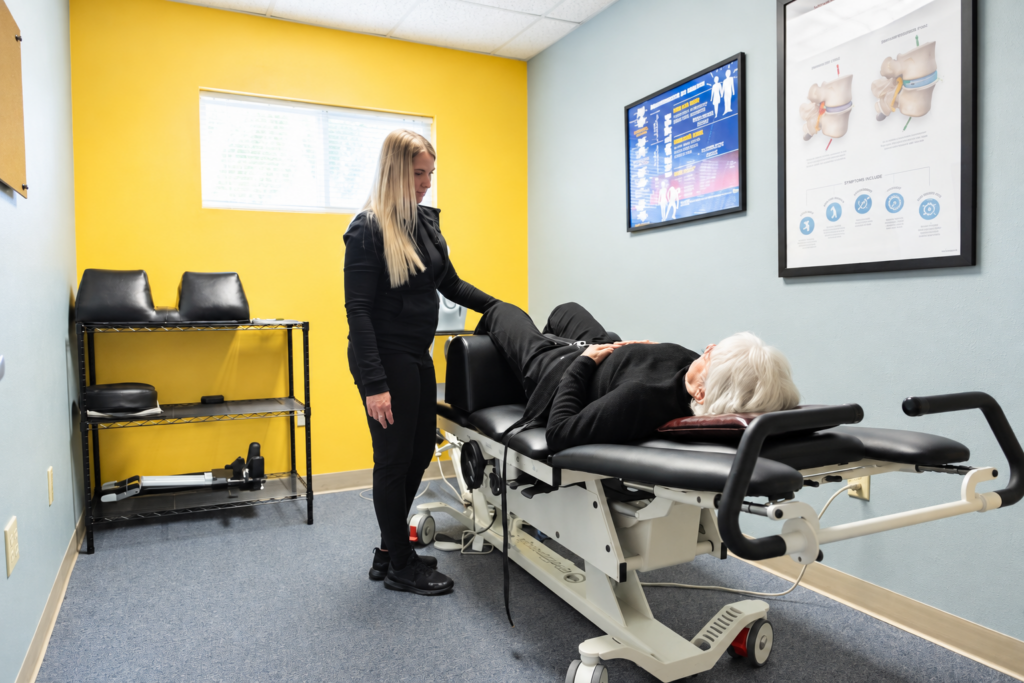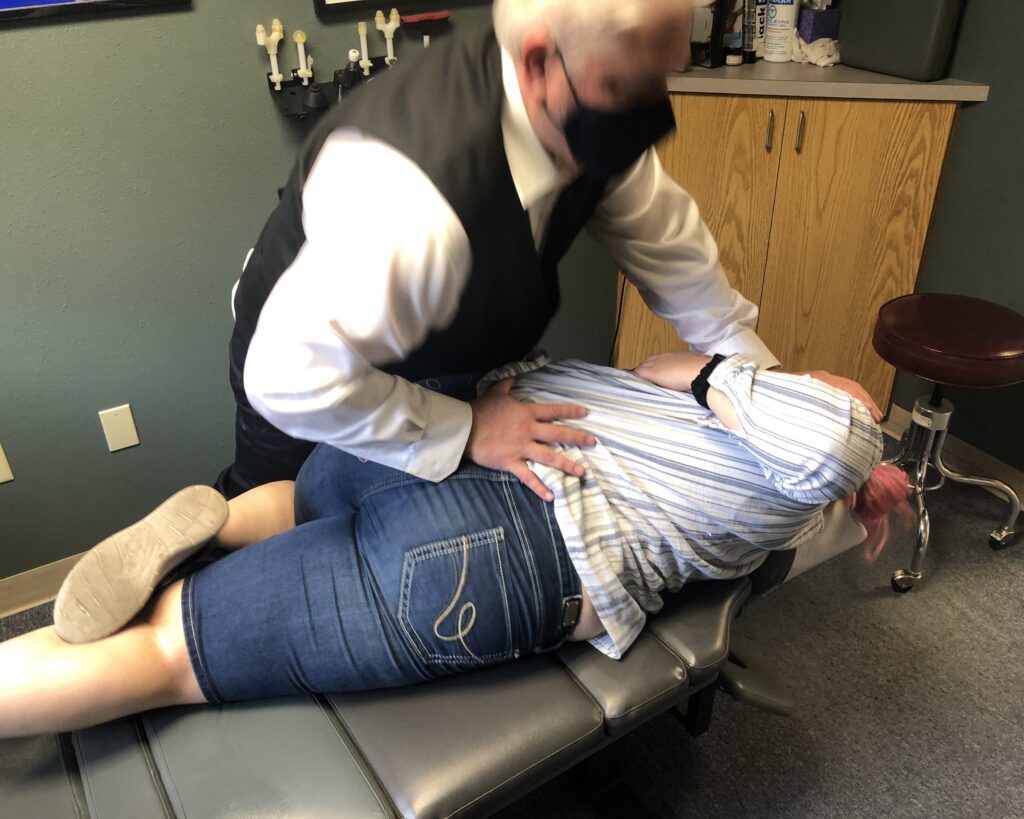

Have you ever wondered how professional athletes recover from injuries so quickly? As a local chiropractor, I can tell you that the answer often lies in a variety of natural healing techniques designed to enhance recovery. Techniques such as chiropractic adjustments, which align the spine and improve overall function, can play a crucial role in speeding up the healing process.
But it's not just about physical treatments; mental health and nutrition are equally important in an athlete's recovery journey. When combined with chiropractic care, these elements work together to support the body's natural healing abilities. Are you curious about how these holistic approaches can transform your own recovery experience? Let's delve into the incredible world of natural healing and athletic recovery together!
Understanding Athletic Injuries
Athletic injuries are more prevalent than many realize, impacting countless athletes at all levels each year. Whether you're a casual participant in weekend sports or a dedicated professional athlete, the potential for injury is always looming. As a chiropractor, I believe that understanding the types of injuries you might face can empower you to take preventive steps and promote natural healing.
Common injuries we see include sprains, strains, fractures, and overuse injuries such as tendonitis. A sprain occurs when the ligaments, which connect bones at a joint, are overstretched or torn. In contrast, a strain affects the muscles or tendons, which connect muscles to bones. Fractures involve breaks in the bone, while overuse injuries like tendonitis arise from repetitive motions that lead to inflammation and discomfort over time.
In my practice, I often emphasize the difference between acute injuries, which occur suddenly during physical activity, and chronic injuries that develop gradually. Both types can hinder your performance and affect your overall health. It's crucial to recognize the signs and symptoms of these injuries—swelling, pain, and limited mobility are all indicators that something may be wrong.
Preventing injuries is an essential part of maintaining your health as an athlete. I recommend incorporating proper warm-ups, strength training, and flexibility exercises into your routine. Also, listen to your body; if something doesn't feel right, it's wise to rest rather than push through the discomfort. Ignoring these warning signs can lead to more serious injuries down the road.
As a chiropractor, I focus on holistic approaches to injury prevention and recovery. By understanding the nature of athletic injuries and how chiropractic care can help, you can take proactive steps toward maintaining your health and enhancing your recovery, allowing you to stay active and engaged in the activities you love.
The Role of Physical Therapy
While injuries can set you back, the right chiropractic care can significantly enhance your recovery and help you return to your activities. Chiropractic care plays an essential role in your rehabilitation journey by providing a holistic approach to healing. When you visit a skilled chiropractor, they'll assess your injury, identify any underlying issues, and create a personalized treatment plan designed specifically for you.
One of the main objectives of chiropractic care is to restore your body's natural alignment and mobility. Through gentle adjustments and a range of therapeutic techniques, you'll gradually regain your range of motion and strengthen the muscles that support your recovery. This process not only aids in healing but also helps prevent future injuries. You'll learn how to maintain proper posture and body mechanics, equipping you to handle the physical demands of your daily activities or sports.
Chiropractic care also emphasizes pain management. Chiropractors utilize a variety of natural modalities, such as spinal adjustments, soft tissue therapy, and lifestyle recommendations, to alleviate discomfort. These methods can reduce inflammation and promote healing, allowing you to focus on your recovery without being hindered by pain.
Additionally, your chiropractor will educate you about proper body mechanics and functional movements. Understanding how to move correctly can make a significant difference in your performance and overall safety.
Benefits of Massage Therapy
As a local chiropractor, I want to share the incredible benefits of massage therapy, particularly for athletes who are on the journey of recovery from injuries. Incorporating massage into your recovery routine isn't just a luxury; it plays a crucial role in promoting healing and enhancing your athletic performance.
The specialized techniques used in massage therapy significantly enhance blood circulation, ensuring that your muscles receive the essential nutrients they need. This increased blood flow elevates oxygen levels and accelerates your recovery from soreness and fatigue, which is vital after an intense workout or injury.
In addition to physical benefits, massage therapy is excellent for alleviating muscle tension and stiffness. This can help you regain your full range of motion more comfortably, which is essential when working towards full recovery. By easing tightness in your muscles, you can also reduce the risk of further injuries and improve your overall flexibility, allowing you to perform at your best.
One of the often-overlooked benefits of massage therapy is its positive effect on mental well-being. The calming nature of massage can help lower stress and anxiety levels, keeping you focused on your recovery goals. Plus, it can significantly enhance your sleep quality—a crucial factor in the healing process.
Regular massage therapy is also an effective way to maintain peak physical condition. By addressing minor aches and concerns early on, we can prevent them from developing into more serious issues. This proactive approach ensures that you're always in optimal shape and ready to tackle your next competition.
In our practice, we emphasize the importance of a holistic approach to healing, combining chiropractic care with massage therapy for comprehensive recovery and wellness. If you're ready to explore how these therapies can benefit you, we're here to guide you on your path to better health.
Innovative Cryotherapy Techniques
As a local chiropractor, I want to introduce you to some innovative cryotherapy techniques that can significantly enhance your recovery process.
Whole body cryotherapy is a fantastic option that offers a wide range of benefits, promoting overall healing and wellness.
Additionally, targeted cryotherapy applications can effectively address specific injuries you may be dealing with.
By incorporating these natural healing methods into your recovery routine, you can significantly reduce your downtime and return to your daily activities and sports more quickly.
Let's explore how these techniques can work for you and support your journey to better health.
Whole Body Cryotherapy Benefits
As a local chiropractor, I want to introduce you to an exciting recovery method that many athletes are discovering: whole body cryotherapy (WBC). This innovative treatment can significantly enhance your physical recovery and overall well-being. When you enter a cryotherapy chamber, your body is exposed to extremely cold temperatures for a brief period, which triggers a variety of beneficial physiological responses.
One of the most important benefits of WBC is its ability to reduce inflammation and muscle soreness. This means that whether you're recovering from a tough workout or preparing for an upcoming competition, cryotherapy can help you bounce back more quickly and effectively.
Another key advantage is improved circulation. The cold exposure stimulates blood flow, which ensures that oxygen and essential nutrients reach your muscles more efficiently, promoting faster healing.
Many of my patients have also reported increased energy levels and an uplifted mood following their cryotherapy sessions, largely due to the release of endorphins during treatment.
Additionally, regular cryotherapy can enhance your sleep quality, making it easier for your body to recover both physically and mentally. Many athletes find that they feel more focused and alert after WBC, which can lead to improved performance in their training and competitions.
Incorporating whole body cryotherapy into your recovery routine can give you the competitive edge you need while also helping to minimize the risk of injury. If you're curious about this natural healing method, I invite you to experience the benefits of cryotherapy for yourself. You might find it to be a game-changer in your recovery journey!
Targeted Cryotherapy Applications
At our chiropractic practice, we believe that cryotherapy isn't just limited to the whole-body experience; targeted cryotherapy applications are an innovative way to address specific areas of discomfort or injury that many of our patients may be experiencing. Rather than immersing yourself in a whole-body chamber, you can focus on particular muscle groups or joints that require special attention. This targeted approach can significantly enhance your recovery, as it delivers cold therapy directly to the source of pain or inflammation.
Localized cryotherapy can be particularly beneficial after an intense workout or competition, which many of our active patients may encounter. Using handheld devices or localized cryo chambers, we can focus on areas such as your knees, shoulders, or lower back. The cold temperature works by constricting blood vessels, which reduces swelling and numbs pain, allowing your body to begin the healing process more efficiently.
Furthermore, integrating targeted cryotherapy with other therapies, such as chiropractic adjustments or physical therapy, can greatly enhance your overall recovery. This combination can improve your mobility and expedite healing.
By incorporating targeted cryotherapy into your wellness routine, you can effectively manage pain, reduce inflammation, and return to your training regimen more quickly. It's a powerful tool that empowers you to take control of your recovery and improve your performance naturally.
If you have any questions about how targeted cryotherapy can benefit you, feel free to ask during your next visit!
Recovery Time Reduction Techniques
Are you looking to enhance your recovery and return to peak performance more quickly? As a local chiropractor, I believe that innovative techniques like cryotherapy can be a valuable addition to your healing journey. This method utilizes extreme cold to reduce inflammation and promote healing, helping you bounce back faster from injuries or intense workouts.
One popular technique is whole-body cryotherapy. By exposing your body to sub-zero temperatures for just a few minutes, you can significantly decrease muscle soreness and inflammation. Many patients report feeling invigorated and ready to take on their next training session sooner than they expected.
Another effective approach is localized cryotherapy, which targets specific areas of discomfort. If you're dealing with a persistent injury, applying cold directly to the affected area can help reduce swelling and alleviate pain, making the rehabilitation process more manageable.
Combining cryotherapy with other recovery strategies, such as proper hydration and nutrition, can enhance its effects. It's important to remember that consistency is key.
Regular cryotherapy sessions not only help speed up your recovery time but also contribute to improved overall performance. If you're serious about optimizing your health and athletic journey, I encourage you to consider incorporating these innovative cryotherapy techniques into your routine alongside chiropractic care.
Together, we can work towards achieving your wellness goals!
The Power of Hydrotherapy
As a local chiropractor, I often see patients who are curious about various natural healing methods for recovery, and one technique I highly recommend is hydrotherapy. Many athletes and individuals alike have experienced the remarkable benefits of using water as a therapeutic tool.
When you immerse your body in water—whether it's soaking in a tub or swimming in a pool—you benefit from buoyancy that alleviates stress on your joints and muscles. This is particularly advantageous after intense workouts or injuries.
Hydrotherapy significantly enhances circulation, which is crucial in delivering essential nutrients and oxygen to damaged tissues. The warmth of the water promotes increased blood flow, helping to flush out toxins and reduce inflammation. Often, patients report feeling less sore and more relaxed following a hydrotherapy session.
On the flip side, cold water immersion can numb pain and decrease swelling, making it a popular choice for those dealing with acute injuries.
Incorporating hydrotherapy into your recovery routine not only aids physical healing but also offers mental benefits. The calming properties of water can help reduce stress and anxiety, allowing you to concentrate on your recovery journey.
You may find that spending time in water helps clear your mind and prepares you mentally for your next training session or daily activities.
Whether you choose hot tubs, cold baths, or even contrast therapy—alternating between hot and cold—hydrotherapy presents a versatile and effective approach to recovery.
I encourage you not to overlook the power of water; it may just be the key to helping you regain your peak condition faster than you ever anticipated.
If you have any questions about integrating hydrotherapy with chiropractic care, I'm here to guide you on your path to natural healing.
Active Release Techniques
As a local chiropractor, I want to introduce you to Active Release Techniques (ART), a highly effective approach to soft tissue recovery that can significantly benefit your overall health and well-being.
ART is a hands-on therapy that focuses on pinpointing and treating specific areas of tension and dysfunction in your muscles, tendons, ligaments, and nerves. By utilizing precise movements and targeted pressure, we can help release tightness, improve flexibility, and support faster recovery, ultimately enhancing your performance in daily activities or sports.
Many of you may not realize that pain or limited movement often arises from adhesions or scar tissue that hinder your body's natural functions. As a trained ART practitioner, I can assess your unique concerns and customize the treatment specifically for you.
During our sessions, I'll work to identify the exact locations of discomfort and apply the right amount of pressure to effectively break up those adhesions.
What's unique about ART is that you'll actively participate in your healing process. By moving your body through various ranges of motion during the sessions, we ensure that the treatment isn't only effective but also helps retrain your body to move correctly.
Many of my patients report significant improvements in their range of motion and a noticeable reduction in pain after just a few sessions.
Integrating ART into your recovery routine can truly be a game-changer. Not only does it address existing injuries, but it also helps prevent future issues, allowing you to engage in activities you love with greater ease.
If you're serious about enhancing your health and performance, I encourage you to consider seeking out a qualified ART practitioner like myself. Your body will appreciate the care, and you'll be back to doing what you enjoy in no time.
Utilizing Electrical Stimulation
As a local chiropractor, I'd like to share some insights about recovery methods, particularly electrical stimulation, which can be a remarkable tool for your healing journey.
This therapy not only accelerates the healing process but also comes in several forms tailored to meet your individual needs.
Let's take a closer look at the benefits of electrical stimulation and the various types of therapies available that can significantly enhance your performance and recovery.
Understanding these options can empower you to make informed decisions about your health and wellness.
Benefits of Electrical Stimulation
As a local chiropractor dedicated to promoting natural healing and wellness, I want to share with you the incredible benefits of electrical stimulation, especially for those of you who may not be familiar with it.
This therapeutic technique uses electrical impulses to stimulate your muscles and nerves, which can significantly enhance your recovery and rehabilitation process. By incorporating electrical stimulation into your care plan, you may find that you can return to your peak performance much sooner.
Here are some key advantages you can expect from electrical stimulation:
- Reduced Pain: Many patients report experiencing less discomfort when using this therapy, as it works to block pain signals and encourages the release of your body's natural pain-relieving chemicals.
- Improved Circulation: The enhanced blood flow resulting from electrical stimulation helps deliver essential nutrients to your muscles, which can speed up the healing process.
- Muscle Re-education: If you've experienced an injury, electrical stimulation can aid in retraining your muscles, enabling them to regain strength and proper function.
- Decreased Swelling: This therapy promotes lymphatic drainage, which can help minimize swelling—a crucial factor for a swift return to your usual activities.
- Enhanced Muscle Recovery: You may notice that you recover more quickly from intense workouts, allowing you to stick to your training schedule without extended downtime.
By understanding and utilizing electrical stimulation, you can take significant steps toward achieving better health and wellness through natural methods.
If you're curious about how this technique can fit into your chiropractic care, feel free to reach out for more information!
Types of Electrical Therapy
Hello everyone! As your local chiropractor, I want to take a moment to introduce you to some exciting aspects of electrical therapy that can aid in your healing and recovery process. Many of you may not be familiar with these techniques, but they can be incredibly beneficial for managing pain and improving your overall wellness.
One prominent method is Transcutaneous Electrical Nerve Stimulation, commonly known as TENS. This technique is particularly effective for pain relief. It involves sending low-voltage electrical currents through the skin to interrupt pain signals, providing you with much-needed comfort.
Another valuable approach is Electrical Muscle Stimulation, or EMS. This method works by using electrical impulses to contract your muscles, which can help enhance strength, boost circulation, and expedite recovery after intense physical activity. If you're in rehabilitation from an injury or just looking to improve your physical performance, EMS can be a fantastic addition to your routine.
We also have Neuromuscular Electrical Stimulation, or NMES, which specifically targets certain nerves to stimulate muscle contractions. This is especially useful for maintaining muscle mass during periods of inactivity, such as after surgery or while recovering from an injury. It's a safe and effective way to ensure your muscles stay engaged while you heal.
Lastly, I want to highlight Interferential Current Therapy, or IFC. This method employs two alternating electrical currents that intersect, allowing for a deeper tissue effect. It's particularly useful for alleviating pain and reducing swelling, making it a popular choice among athletes recovering from injuries.
Incorporating these various forms of electrical therapy into your recovery plan can significantly enhance your healing process. As your chiropractor, I'm here to support you on your journey back to health, helping you return to your favorite activities faster and stronger.
If you're curious about how these therapies can fit into your individualized treatment plan, don't hesitate to ask!
Nutritional Support for Recovery
As a local chiropractor, I want to emphasize the importance of nutritional support in your recovery process, especially if you've been active or dealing with physical stress. The way you nourish your body can significantly impact how quickly and effectively you recover.
Proper nutrition not only aids in healing but also helps reduce fatigue and improve your overall performance in daily activities. Here's what to focus on:
- Protein: Essential for repairing and building muscles, protein should be a key component of your meals. Incorporate sources like lean meats, fish, or plant-based proteins to support your recovery.
- Carbohydrates: These are vital for replenishing glycogen stores, which provide the energy needed for your daily activities and any physical exertion. Opt for whole grains, fruits, and vegetables to keep your energy levels up.
- Healthy Fats: These play a crucial role in hormone production and can help reduce inflammation in the body. Make sure to include avocados, nuts, and olive oil in your diet, as they're excellent sources of healthy fats.
- Vitamins and Minerals: These nutrients are critical for various bodily functions and can significantly boost your immune system, aiding in your recovery. Look for leafy greens and colorful fruits to provide a range of vitamins and minerals.
- Hydration: Staying well-hydrated is vital for recovery. Drinking plenty of water and electrolyte-rich beverages can help prevent fatigue and muscle cramps, ensuring your body functions optimally.
By focusing on these nutritional components, you can enhance your recovery process and support your overall health naturally.
If you have questions about how nutrition ties into chiropractic care and healing, feel free to reach out!
Mental Health and Recovery Strategies
Physical recovery isn't solely dependent on diet; your mental health is equally important. As a chiropractor, I often see how an athlete's mindset can significantly affect their recovery from injuries. Maintaining a positive outlook can enhance your motivation and engagement in the healing process. This is where incorporating mental health strategies becomes essential.
To start, I recommend practicing mindfulness techniques such as meditation or yoga. These practices can help clear your mind and alleviate anxiety, allowing you to concentrate better on your rehabilitation goals. Breathing exercises can also play a vital role in enhancing mental clarity, making it easier to visualize your path to recovery.
I also encourage you to seek support from a sports psychologist or counselor. These professionals can offer valuable insights into managing stress and overcoming mental hurdles. Sharing your thoughts and fears can lighten your emotional burden, fostering a sense of support and understanding.
Moreover, building a strong support system is crucial. Friends, family, and teammates can provide encouragement and accountability, which is essential during challenging times. Remember, it's perfectly acceptable to lean on others when you need assistance.
Finally, setting realistic goals is important. Break down your recovery into smaller, manageable milestones. Celebrating these achievements can boost your confidence and motivation, reinforcing a positive mindset that complements your physical recovery.
As your chiropractor, I'm here to support both your physical and mental health on your journey to wellness.
Conclusion
As a local chiropractor, I want to share how incorporating various therapeutic techniques into your recovery routine can significantly accelerate your healing process. Understanding your injuries is crucial, and utilizing methods such as chiropractic adjustments, massage therapy, cryotherapy, and proper nutritional support can greatly enhance your overall performance. It's important to recognize that mental health strategies also play a vital role in a holistic recovery. By embracing these natural healing tools, not only will you recover more quickly, but you will also return to your sport stronger and more resilient than before. Let's work together to unlock your body's full potential through chiropractic care and natural healing methods.