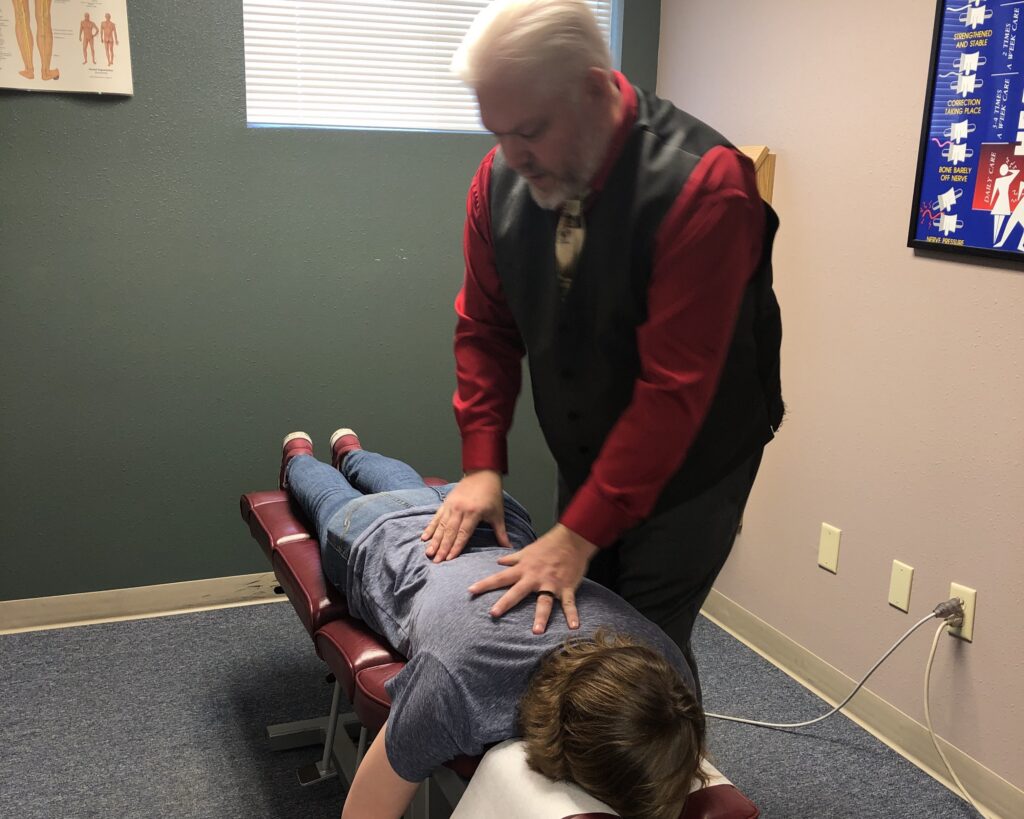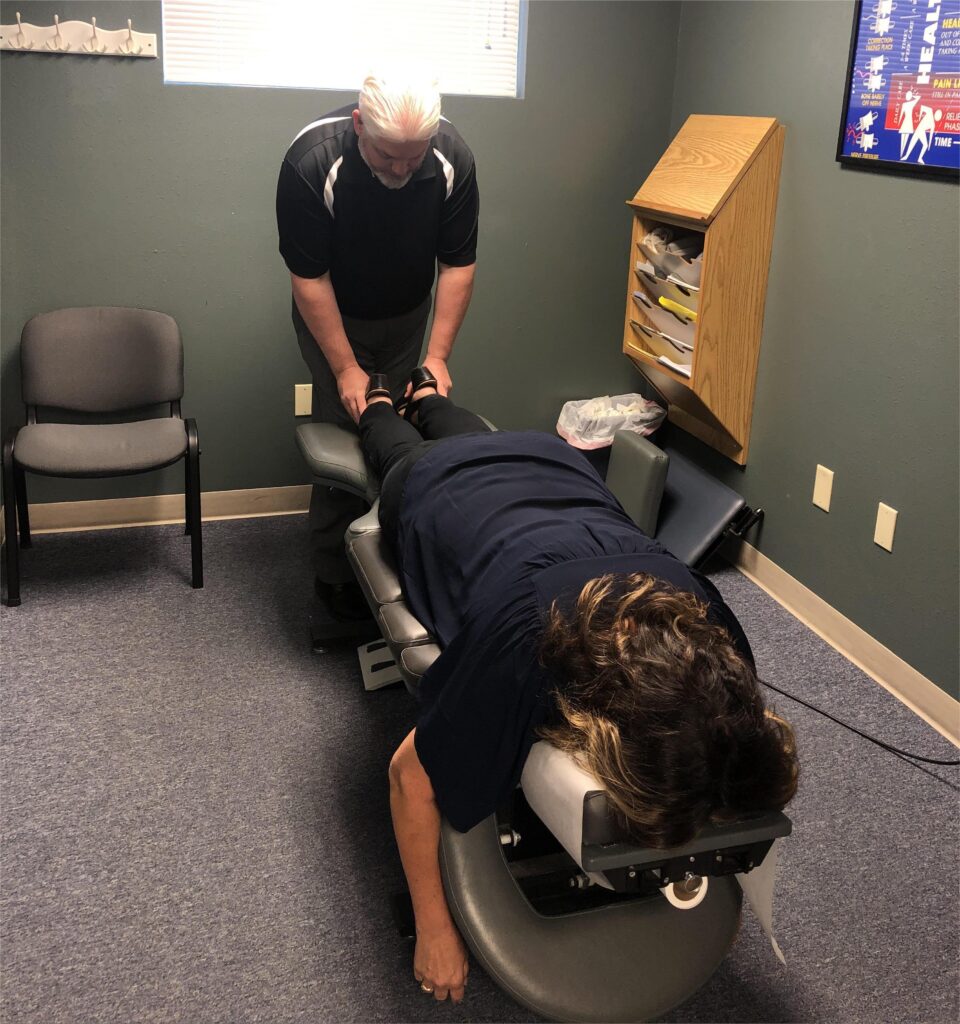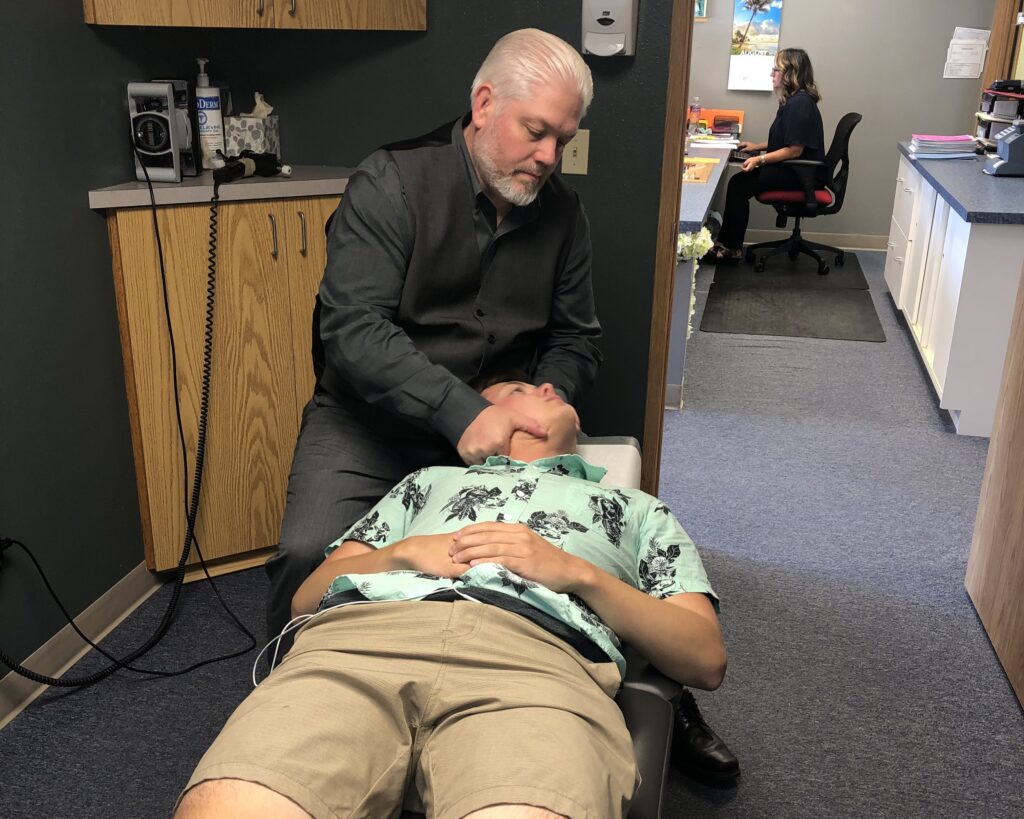

As a local chiropractor, I understand that chronic pain can be overwhelming, and it can feel like it controls your life. However, I want to assure you that it doesn't have to be this way. By exploring natural methods to alleviate your discomfort, you can take back control and improve your overall well-being.
In my practice, I've seen how integrating mindfulness techniques, maintaining a balanced diet, and engaging in regular physical activity can significantly enhance your daily experience. It's also important to understand how these elements work in harmony with chiropractic care.
As you embark on this journey, I will guide you through key strategies and insights that could truly transform your life. One crucial aspect that many patients often overlook is the importance of spinal health and its connection to overall wellness. Together, we can uncover this vital piece of the puzzle to help you live a more comfortable and fulfilling life.
Understanding Chronic Pain
Chronic pain can often catch you off guard, making simple daily activities feel daunting. It's not just a temporary issue; it's a lasting discomfort that can linger for months or even years. As a chiropractor, I believe that understanding chronic pain is crucial for effective management. This type of pain frequently arises from underlying conditions such as arthritis, fibromyalgia, or even from previous injuries. Identifying the root cause of your pain is empowering and can guide you toward the right treatments and lifestyle changes.
Chronic pain doesn't just affect your body; it can also take a toll on your emotional health. Feelings of frustration, anxiety, and even depression can develop as pain limits your ability to enjoy hobbies, work, or socialize. Recognizing these emotions is important; they're a natural response to living with chronic pain.
When you're dealing with chronic pain, your body may enter a heightened state of alertness, making you more sensitive to discomfort. This heightened sensitivity can create a vicious cycle where pain leads to muscle tension, and tension, in turn, worsens the pain. As a chiropractor, I can help you understand this cycle and provide you with proactive strategies to break it.
There are many coping strategies we can explore together that are tailored to your individual needs. Educating yourself about chronic pain not only brings clarity but also helps you communicate your experiences more effectively to healthcare professionals.
The Role of Mindfulness
As a local chiropractor, I want to share how mindfulness can serve as a powerful ally in your journey to manage chronic pain. By embracing mindfulness, you can enhance your awareness of your body and its sensations, which empowers you to distinguish between pain and discomfort more effectively. This heightened awareness enables you to respond to pain in a constructive manner, rather than reacting with stress or anxiety.
Integrating mindfulness into your daily life means training your mind to stay present. This practice can significantly alleviate the emotional burden that often accompanies chronic pain. As you learn to observe your pain without judgment, you can cultivate a sense of acceptance and calm, rather than letting pain dominate your thoughts.
One of the most effective ways to engage in mindfulness is through meditation. I encourage you to carve out a few minutes each day to sit quietly, take deep breaths, and concentrate on your breathing. When thoughts about your pain come up, simply acknowledge them and gently redirect your focus back to your breath. This technique fosters a mental space where pain has less control over your emotions.
Mindfulness can also be practiced during everyday activities. Whether you're eating, walking, or completing chores, try to immerse yourself fully in each moment. Be aware of the sensations, sounds, and smells around you. This mindfulness practice can ground you, helping you become less reactive to pain.
It's essential to recognize that while incorporating mindfulness into your life won't eliminate pain, it can empower you to manage it more effectively. By fostering a mindful approach, you can transform your relationship with pain, making it easier to cope and enhancing your overall well-being.
As your chiropractor, I'm here to support you on this journey toward a more mindful and pain-managed life.
Nutritional Approaches to Pain Relief
As a chiropractor dedicated to helping my patients manage pain naturally, I want to emphasize the significant role that nutrition plays in your healing journey. What you eat can profoundly influence your pain experience, particularly when it comes to chronic conditions. A balanced diet that includes anti-inflammatory foods can be a powerful ally in alleviating discomfort.
Start by focusing on whole foods—think fresh fruits, vibrant vegetables, whole grains, nuts, and seeds. These foods are rich in antioxidants and essential nutrients that help fight inflammation, which is often at the core of pain issues.
Omega-3 fatty acids are especially important; you can find these beneficial fats in fatty fish like salmon, as well as in walnuts and flaxseeds. They work wonders in reducing inflammation and promoting joint health.
Don't forget about spices like turmeric and ginger—they aren't just flavorful additions to your meals but also pack a punch with their anti-inflammatory properties.
It's crucial to steer clear of processed foods, sugary snacks, and excessive alcohol, as these can aggravate inflammation and worsen your pain. Instead, choose complex carbohydrates like brown rice and quinoa, which provide sustained energy without causing spikes in blood sugar levels.
Staying hydrated is equally important; adequate water intake helps maintain joint lubrication and aids in flushing out toxins from your body.
I encourage you to incorporate a variety of colorful fruits and vegetables into your meals. The different colors typically indicate a range of nutrients that are beneficial for your health.
Dark leafy greens, such as spinach and kale, are loaded with vitamins and minerals, while berries are fantastic sources of antioxidants.
Lastly, I recommend paying attention to how specific foods affect your pain levels. Everyone's body reacts differently, and by being mindful of your dietary choices, you can take an active role in your journey towards relief.
Benefits of Regular Exercise
As your local chiropractor, I want to emphasize the profound benefits that regular exercise can have on your overall health and wellness, particularly in managing pain. Engaging in physical activity stimulates the release of endorphins—our body's natural pain relievers—which can significantly alleviate discomfort and elevate your mood.
By incorporating movement into your daily routine, you enhance blood circulation to your muscles and joints, fostering healing and reducing stiffness.
I understand that starting a new exercise regimen can be daunting, especially if you're living with chronic pain. However, it's essential to find a method that suits your individual needs. Gentle, low-impact activities such as walking, swimming, or yoga can be incredibly beneficial.
These exercises not only strengthen your muscles but also improve your flexibility and balance, which are crucial in preventing future injuries.
Moreover, regular physical activity can greatly improve your sleep quality. When your body engages in movement, it naturally becomes fatigued, leading to deeper and more restorative sleep. This aspect is vital, as inadequate sleep can often heighten pain levels.
Another positive outcome of regular exercise is an increase in your energy levels throughout the day. This newfound energy can make it easier for you to participate in daily activities you may have previously found challenging.
Additionally, joining group classes or sports can foster social connections, providing emotional support and helping to alleviate feelings of isolation that can accompany chronic pain.
Ultimately, establishing a consistent exercise routine empowers you to take charge of your body and health. It can help mitigate the psychological burden of chronic pain, offering you a greater sense of control.
Alternative Therapies to Explore
As a local chiropractor, I want to share with you some alternative therapies that can complement your journey toward managing chronic pain more effectively. Many individuals find that traditional treatments may not always provide the relief they desire.
By exploring these alternative therapies alongside chiropractic care, you may uncover new ways to alleviate discomfort and enhance your overall well-being. Here are some options to consider:
- Acupuncture: This ancient technique involves the insertion of fine needles into specific points on the body. It's thought to stimulate the nervous system and activate the release of natural pain-relieving substances. Many patients have reported positive outcomes in managing their chronic pain through acupuncture.
- Massage Therapy: Incorporating regular massage into your wellness routine can significantly enhance circulation, reduce muscle tension, and promote deep relaxation. Beyond alleviating physical pain, massage therapy can also help mitigate stress and anxiety, creating a more comprehensive approach to pain relief.
- Herbal Remedies: Some natural herbs, such as turmeric and ginger, possess anti-inflammatory properties that may help in reducing pain levels. However, it's important to consult with a healthcare professional before starting any herbal supplements to ensure they're appropriate for your individual health needs.
Integrating these therapies into your pain management plan can empower you to take charge of your health.
Keep in mind that approaching these alternatives with an open mind and a willingness to explore can be beneficial. What may work wonders for one person may not yield the same results for another, so it's essential to be patient and attentive to how your body responds.
Alongside regular chiropractic adjustments and lifestyle modifications, these alternative therapies can assist you in discovering the relief you've been searching for.
Importance of Sleep Hygiene
As a local chiropractor, I want to emphasize the critical role of good sleep hygiene in effectively managing chronic pain. Prioritizing your sleep can create an environment that fosters restful and restorative slumber, which is essential for alleviating pain.
One of the first steps you can take is to establish a consistent sleep schedule. Aim to go to bed and wake up at the same time every day, including weekends. This routine helps regulate your body's internal clock, making it easier to fall asleep and wake up feeling refreshed.
Creating a calming bedtime routine is another important aspect. Engage in activities that help you unwind, such as reading a book or taking a warm bath, to signal to your body that it's time to relax.
It's also advisable to steer clear of screens from phones and computers at least an hour before bedtime, as the blue light they emit can interfere with melatonin production and make it more difficult to fall asleep.
Your sleep environment plays a significant role in the quality of your rest. Make sure your bedroom is dark, quiet, and cool. Consider using blackout curtains, earplugs, or a white noise machine to reduce potential disturbances.
Investing in a comfortable mattress and supportive pillows can also enhance your sleep experience.
Additionally, pay attention to what you consume before bedtime. It's best to avoid large meals, caffeine, and alcohol in the hours leading up to sleep, as these can disrupt your sleep patterns.
By incorporating these sleep hygiene practices, you'll not only enhance your overall sleep quality but also lay a solid foundation for managing chronic pain naturally.
Stress Management Techniques
As a local chiropractor, I understand that managing stress effectively is crucial for your overall health, especially when it comes to coping with chronic pain. Stress can lead to muscle tension, worsening discomfort and making pain management more challenging.
By incorporating stress management techniques into your routine, you can help relax your body, regain control, and enhance your well-being. Here are some effective strategies I recommend:
- Mindfulness and Meditation: These practices can help you center your thoughts and alleviate anxiety. Even dedicating just a few minutes to focused breathing can significantly enhance how you feel. Mindfulness allows you to connect with your body and recognize areas of tension that may contribute to your pain.
- Physical Activity: Regular exercise is vital for releasing endorphins, which are your body's natural pain relievers. Finding an activity you enjoy—whether it's walking, yoga, or swimming—can provide a healthy distraction from pain while promoting physical health. This is something I often encourage my patients to integrate into their daily lives.
- Journaling: Putting your thoughts and feelings into words can provide a therapeutic outlet. This practice allows you to articulate your worries and frustrations, helping you process your emotions and lower stress levels. It can be a helpful tool to track your pain and see how it correlates with your emotional state.
Incorporating these techniques into your daily life can lead to a more balanced and less stressful existence. It's important to find the methods that resonate with you personally.
Feel free to experiment and adjust these practices as needed. By actively managing your stress, you can enhance your pain tolerance and improve your overall quality of life.
Building a Support Network
As a chiropractor, I want to emphasize the importance of building a robust support network, especially when managing chronic pain. Surrounding yourself with understanding and empathetic individuals can significantly enhance your ability to navigate the challenges associated with pain. Friends, family, and supportive communities are essential, as they can provide the emotional strength you need during tough times.
Start by reaching out to those closest to you. Share your experiences and feelings about your pain, and let them know how it affects you. Many people want to help but mightn't know how to do so effectively. By being open and honest, you allow them to understand your situation better, enabling them to provide support that truly meets your needs. Encourage them to ask questions and express what you find helpful in your healing journey.
Additionally, consider joining a local or online support group. Engaging with others who share similar experiences can be incredibly validating and beneficial. You'll hear inspiring stories of resilience, discover new coping strategies, and potentially forge friendships that can last a lifetime. Many find comfort in the knowledge that they aren't alone in their struggles.
Lastly, don't overlook the role of healthcare professionals in your support network. As your chiropractor, I'm here to guide you through natural healing processes and provide resources to help manage your pain effectively.
Together, we can develop a comprehensive plan that not only addresses physical symptoms but also empowers you emotionally and mentally. Remember, your journey towards wellness is a collaborative effort, and I'm here to support you every step of the way.
Creating a Personalized Plan
As a local chiropractor, I understand that chronic pain can be overwhelming and challenging to manage. One of the most effective ways to address this issue is by creating a personalized plan that caters specifically to your individual needs. A cookie-cutter approach often falls short, so it's crucial to focus on strategies that truly resonate with you and your body.
To begin, I recommend assessing your current situation regarding your pain. Ask yourself: What activities or circumstances seem to trigger your discomfort? At what times does the pain feel most intense? Taking notes on these aspects can provide valuable insights that we can work with together.
In our practice, we often incorporate a blend of therapies and lifestyle changes to help manage your pain effectively. Here are three essential components that I suggest including in your personalized plan:
- Chiropractic Adjustments: Regular chiropractic adjustments can help align your spine and improve your overall function. This technique can alleviate stiffness and enhance mobility, allowing you to engage in daily activities with less discomfort.
- Physical Activity: While I understand that exercise can be daunting, I encourage you to participate in low-impact activities that are appropriate for your condition, such as walking, swimming, or yoga. These movements can help reduce stiffness and improve your overall well-being.
- Mind-Body Techniques: Integrating practices like meditation, deep breathing, or mindfulness into your routine can significantly enhance your emotional health. Reducing stress is essential for effective pain management, and these techniques can help you achieve that balance.
- Nutrition: It's also worth examining your diet to identify any foods that may contribute to inflammation. By incorporating anti-inflammatory foods such as leafy greens, fatty fish, and nuts, you can positively influence how you feel on a daily basis.
Lastly, I want to emphasize the importance of being flexible with your plan. It's not a rigid structure; it should evolve based on your experiences and what works best for you. Regularly reviewing and adjusting your plan is key to finding the most effective strategies for your pain management.
Conclusion
As a local chiropractor, I want to share how incorporating holistic approaches into your daily routine can significantly improve your experience with chronic pain. Many individuals are unaware of the benefits of chiropractic care and natural healing, but these methods can be transformative.
By practicing mindfulness, you can enhance your awareness of pain and learn how to manage it more effectively. Additionally, incorporating anti-inflammatory foods into your diet can reduce pain levels and promote overall health. Staying active is crucial—gentle movement and exercise can help keep your body functioning optimally.
I also encourage exploring alternative therapies, such as chiropractic adjustments, which can help realign your spine and relieve tension. Prioritizing quality sleep is essential for recovery, while effective stress management techniques can further support your healing journey.
Building a supportive network, including healthcare professionals and loved ones, is vital in your path to recovery. Remember, creating a personalized pain management plan that caters to your unique needs is key to regaining control over your health. Embrace these strategies, and take those first steps toward a healthier, pain-free life. You deserve to feel your best!