
Revitalizing your sports recovery journey begins with understanding the vital components that contribute to optimal performance, particularly through the lens of chiropractic care and natural healing. It’s not just about pushing your limits on the field or court; it’s equally important to focus on how you recover afterward. Proper nutrition, effective hydration, and mindful practices, alongside regular chiropractic adjustments, can significantly enhance your recovery process.
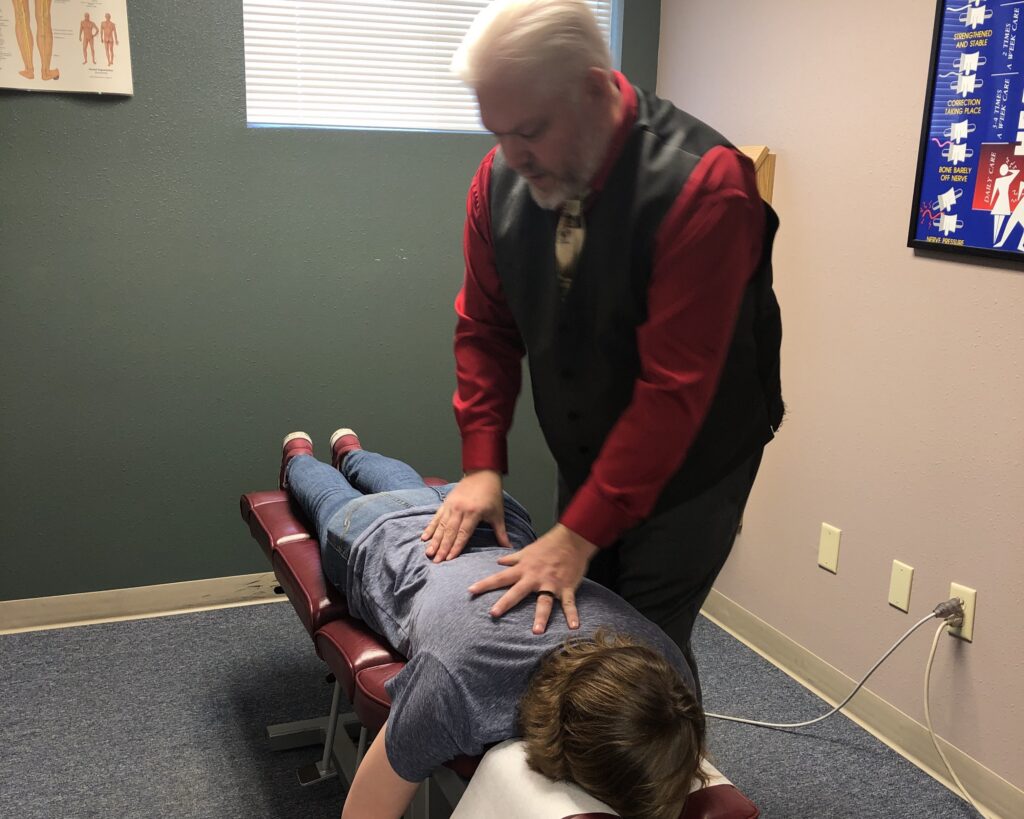
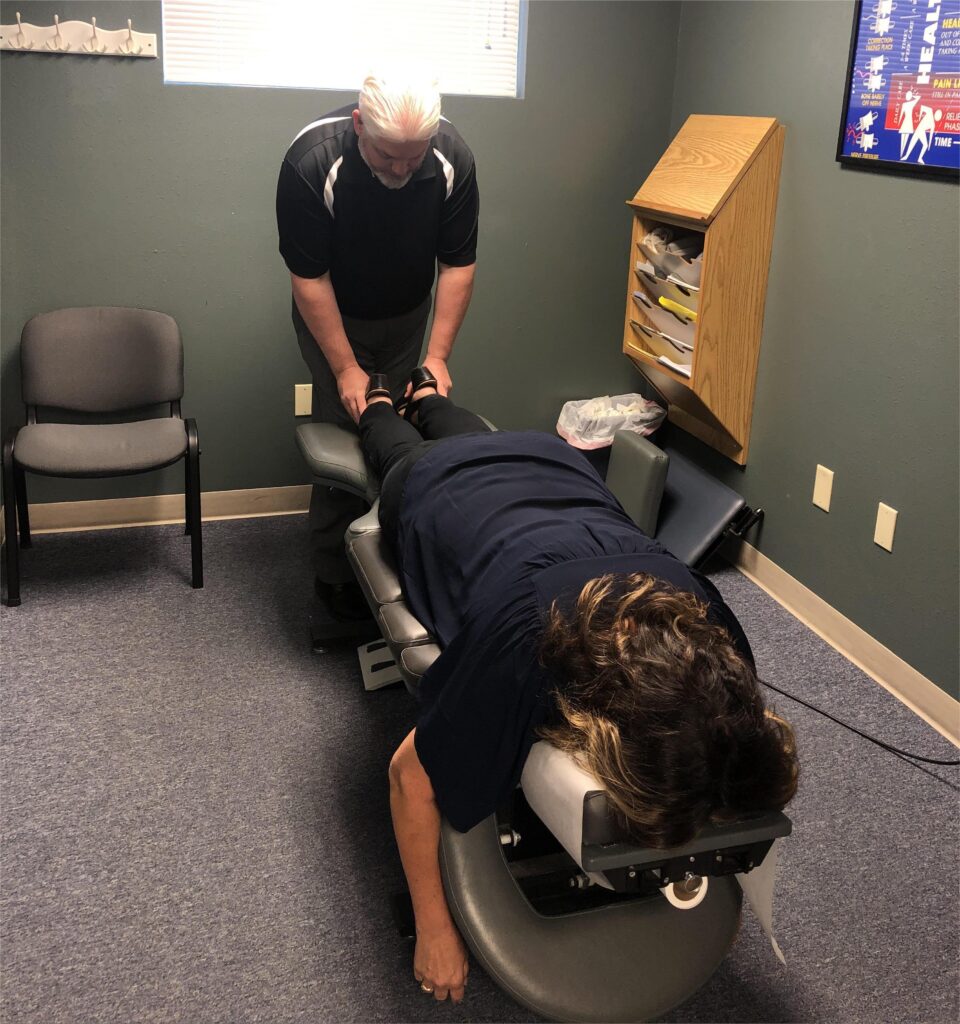
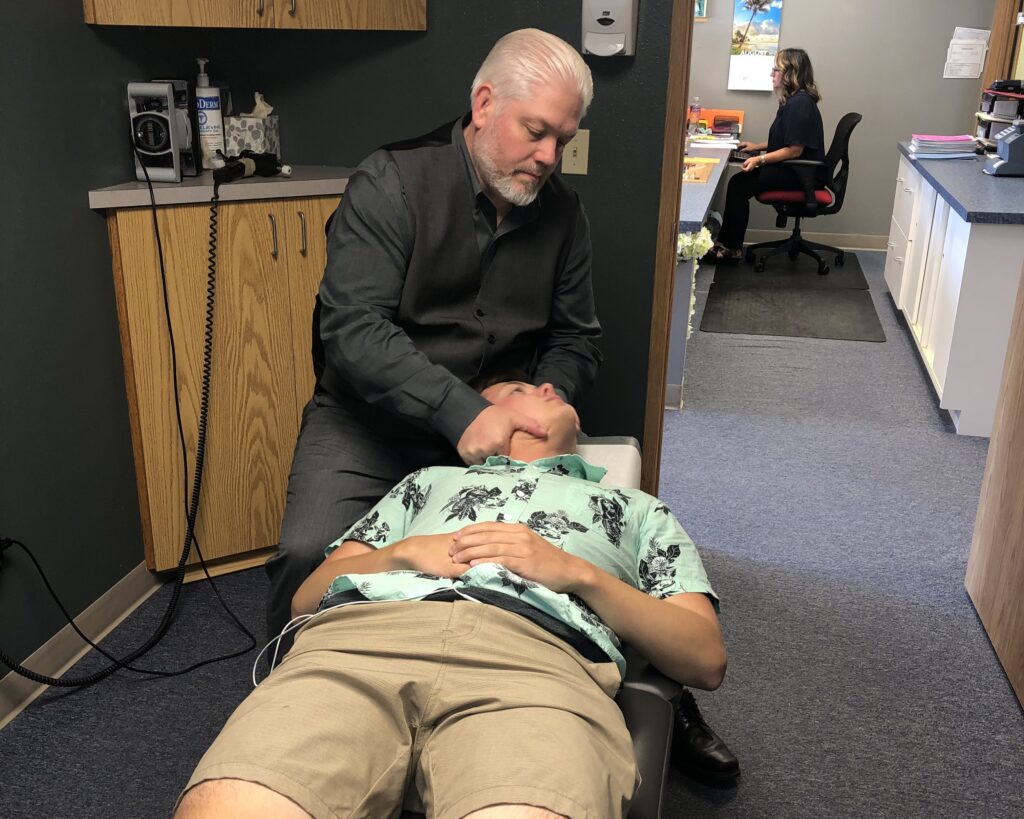
As your local chiropractor, I want to emphasize the importance of spinal alignment and how it impacts your overall health and athletic performance. Misalignments can lead to discomfort and hinder your body’s ability to recover effectively. By incorporating chiropractic care into your recovery routine, you can improve your body’s function and reduce the risk of injury.
But you may be wondering, what specific strategies can you implement to transform your recovery? Let’s explore key components such as regular chiropractic adjustments, stretching routines, and holistic nutrition that can elevate your recovery game and enhance your overall performance. Together, we can optimize your body’s healing potential and help you achieve your athletic goals.
The Science Behind Recovery
As a local chiropractor, I want to help you understand the vital role recovery plays in your overall health, especially if you’re active in sports or exercise. Recovery isn’t merely about taking a break; it involves a fascinating interplay of various physiological processes that your body undergoes after exertion.
When you engage in physical activity, your muscle fibers sustain tiny tears, leading to inflammation. This is a natural response, and your body works hard to repair those fibers, sending essential nutrients and oxygen to strengthen them. This process is fundamental to building resilience and improving your performance.
Hormones also play a crucial role in recovery. For instance, cortisol, often referred to as the stress hormone, increases during intense activity. It’s important for your body to bring cortisol levels back to normal to facilitate effective recovery. This is where a good night’s sleep becomes essential. During deep sleep, your body releases growth hormone, which is critical for muscle repair and growth.
In addition to adequate sleep, I encourage you to incorporate active recovery techniques into your routine. Light stretching or engaging in low-intensity workouts can enhance circulation, which helps in healing and reduces soreness.
Nutrition: Fueling Your Recovery
As a local chiropractor, I want to emphasize the vital role that nutrition plays in your recovery journey. Proper nutrition isn’t just about maintaining a healthy weight; it’s about giving your body the right balance of macronutrients and ensuring adequate hydration to support healing and rebuilding.
By focusing on these essential elements, you can enhance your performance and overall well-being.
When you nourish your body with the right foods, you’re not only supporting your chiropractic adjustments but also promoting a holistic path to recovery. Imagine your body as a machine that needs the right fuel to function optimally. The better you eat, the better you feel!
Let’s work together to explore how incorporating these nutritional principles can aid in your healing process and help you achieve your health goals.
Essential Macronutrients for Recovery
As a local chiropractor dedicated to your overall well-being, I want to emphasize the importance of proper nutrition in your recovery process, especially if you’re pushing your limits in training or competition. Fueling your body with the right macronutrients is crucial for effective healing and performance enhancement.
Carbohydrates play a significant role in replenishing your glycogen stores, which are essential for restoring energy levels for your next workout. I recommend focusing on complex carbohydrates, such as whole grains and fruits, as they provide sustained energy and help prevent energy crashes.
Protein is another vital macronutrient. It aids in repairing and building muscles, which is especially important after physical activity. You can meet your protein needs through lean meats, dairy, or plant-based options like legumes and nuts. This won’t only support your muscle recovery but also contribute to your overall health.
Fats shouldn’t be overlooked, as they’re essential for hormone production and maintaining good health. Opt for healthy sources of fats, such as avocados and olive oil, to ensure your body functions optimally.
By balancing these macronutrients in your diet, you’re setting the groundwork for a successful recovery. This holistic approach, combined with chiropractic care, can help you bounce back stronger and more prepared for your next challenge.
Hydration’s Key Role
As a local Chiropractor, I often emphasize the importance of hydration for overall health and recovery, especially when you’re engaging in physical activity. Staying hydrated is just as crucial as ensuring you’re getting the right balance of nutrients in your diet.
Water serves many essential functions in the body, including transporting nutrients, regulating body temperature, and assisting in muscle recovery. If you find yourself dehydrated, you may experience fatigue, cramps, and a decline in performance, all of which can significantly impact your healing process.
I recommend that you drink water consistently throughout the day. If you’re participating in intense workouts, incorporating electrolyte drinks can help replenish the minerals lost through sweat.
After exercising, it’s important to rehydrate with fluids that provide both water and electrolytes to kickstart your recovery. Remember, adequate hydration is essential for your body to repair itself effectively.
Pay attention to your thirst signals, and keep a water bottle close at hand to ensure you’re maintaining optimal hydration levels. This simple practice can make a significant difference in your overall wellness and recovery journey.
Sleep: The Unsung Hero
As a local chiropractor, I want to highlight an often underestimated aspect of your overall health and recovery: sleep. Many people don’t realize just how crucial quality sleep is, especially for athletes and active individuals.
When you lay down to rest, your body shifts into a vital repair mode. It begins the process of rebuilding muscles and replenishing your energy reserves. The deeper your sleep, the more effective this restorative process becomes. It’s during these essential hours that your body releases growth hormone, which is key for tissue growth and recovery.
A lack of quality sleep can significantly hinder not only your physical recovery but also your mental clarity and focus. You may notice it becomes more challenging to concentrate during training sessions or to make split-second decisions during competitions.
To truly optimize your recovery, aim for 7-9 hours of uninterrupted sleep each night.
I recommend establishing a calming bedtime routine that encourages relaxation. This could include dimming your lights and taking a break from screens.
By prioritizing sleep, you’re doing more than just resting; you’re actively enhancing your athletic performance and extending your longevity in your chosen sport.
Active Recovery Techniques
As a local chiropractor, I want to emphasize the importance of active recovery techniques in your sports recovery journey.
These methods, which include stretching, mobility drills, and low-impact cardio, are vital in enhancing your overall performance and minimizing the risk of injury.
By incorporating these practices into your routine, you can support your body’s natural healing processes and promote optimal function.
Let’s take a closer look at how these techniques can significantly benefit your recovery and overall well-being.
Stretching and Mobility Drills
As a local chiropractor, I want to share an important aspect of recovery that goes beyond just resting—incorporating stretching and mobility drills can significantly enhance your overall well-being and performance.
Many people may not realize that these active recovery techniques play a crucial role in improving flexibility, alleviating muscle tension, and preventing injuries.
By dedicating just a few minutes each day to these exercises, you can promote better blood circulation and expedite your recovery process.
Here are three effective stretching and mobility drills that I recommend integrating into your daily routine:
- Dynamic stretches: Begin with movements like leg swings and arm circles to gently warm up your muscles and increase your range of motion.
- Foam rolling: Utilizing a foam roller can be an excellent way to target tight areas in your muscles and fascia, helping to release tension and improve mobility.
- Static stretches: Focus on major muscle groups by holding each stretch for 20-30 seconds. This practice not only enhances flexibility but also promotes relaxation.
By embracing these simple yet effective drills, you can feel the positive impact they’ve on your recovery journey and overall health.
Remember, chiropractic care complements these practices by addressing misalignments and promoting natural healing.
Together, we can work towards achieving your wellness goals!
Low-Impact Cardio Options
As your local chiropractor, I want to emphasize the importance of incorporating low-impact cardio into your recovery routine. This approach can be transformative, especially for those of you looking to stay active while minimizing stress on your body.
Activities such as cycling, swimming, and walking serve as fantastic low-impact options that can help you maintain your cardiovascular fitness and aid in muscle recovery.
These exercises not only increase blood circulation, which is vital for flushing out toxins and alleviating soreness, but they also promote overall well-being. For those who may be new to exercise, utilizing an elliptical machine or participating in water aerobics can provide an effective workout that’s gentle on your joints.
I recommend aiming for sessions of 20 to 30 minutes, focusing on a steady, manageable intensity. It’s crucial to listen to your body during these activities—your health and comfort are our top priorities.
The aim here is to keep you moving without overexerting yourself, allowing your body to heal naturally while enhancing your physical fitness. If you have any questions about how to integrate these activities into your routine or need personalized advice, feel free to reach out to me.
Your journey to recovery and health is important, and I’m here to support you every step of the way.
The Role of Hydration
As a local chiropractor, I want to emphasize the critical importance of hydration in your recovery process, especially after physical activity.
Proper hydration is vital for your body’s ability to repair and rebuild, which is essential for overall health and well-being. When you stay well-hydrated, your muscles recover more quickly, and you may experience less fatigue. On the other hand, if you neglect to hydrate, you may face issues like muscle cramps and prolonged recovery times.
To help you optimize your hydration, here are some important tips to consider:
- Hydrate before, during, and after your workouts: It’s crucial to maintain a consistent intake of fluids to ensure your body remains hydrated throughout your exercise routine.
- Opt for electrolyte-rich beverages: While water is essential, incorporating drinks with electrolytes can help replace the minerals you lose through sweat, aiding in your recovery.
- Keep an eye on your urine color: A light yellow shade usually indicates that you’re well-hydrated, while dark yellow can be a sign that you need to drink more fluids.
Understanding and implementing these hydration strategies can significantly enhance your recovery and overall health.
Stretching and Flexibility Exercises
As a local chiropractor, I want to emphasize the importance of stretching and flexibility exercises in your recovery journey. These practices aren’t just about improving your range of motion; they play a crucial role in preventing injuries and enhancing overall well-being.
Incorporating stretching into your routine can greatly benefit your body, especially if you’re engaging in physical activities or sports. It helps maintain muscle elasticity and joint health, which are vital for optimal performance.
I encourage you to explore different stretching techniques that can be easily integrated into your daily life. Simple stretches can be performed at home or even at work, and they can make a significant difference in how you feel.
Benefits of Stretching
As a local chiropractor, I want to emphasize the importance of stretching as a vital component of your overall health and wellness, especially if you’re unfamiliar with chiropractic care and natural healing.
Many individuals often focus solely on strength and endurance in their fitness routines, but incorporating stretching can significantly enhance your performance and speed up recovery.
Stretching plays a crucial role in maintaining flexibility, which is key to preventing injuries and improving your range of motion.
Regular stretching not only helps you feel more comfortable in your movements but also contributes to reduced muscle soreness and better blood circulation to your muscles, promoting overall wellness.
Here are some key benefits of stretching that I encourage you to consider:
- Improved flexibility: This allows your body to move more freely and efficiently, making everyday activities easier and more enjoyable.
- Injury prevention: By regularly stretching, you can significantly lower your risk of strains and sprains during physical activities, keeping you active and pain-free.
- Enhanced recovery: Stretching is beneficial post-exercise as it aids in the muscle recovery process, helping you bounce back quicker and reducing discomfort.
Incorporating stretching into your routine can be a simple yet effective way to enhance your overall health, and I’m here to guide you on how to do it safely and effectively.
Effective Flexibility Techniques
As a local chiropractor, I want to help you understand the importance of flexibility in your overall health and recovery. Incorporating effective flexibility techniques into your routine can significantly enhance your well-being.
Start with dynamic stretching before your workouts to prepare your muscles. Movements such as leg swings and arm circles are great for improving your range of motion and reducing the risk of injury.
After your physical activities, it’s essential to transition to static stretching. Hold each stretch for 15 to 30 seconds, focusing on major muscle groups like your hamstrings, quadriceps, and shoulders. This practice not only aids in recovery but also helps alleviate tension that may accumulate in your body.
Additionally, consider integrating yoga or Pilates into your routine. These practices blend strength and flexibility, which can greatly contribute to better balance and alignment—a critical aspect of chiropractic care.
Consistency is crucial; I recommend aiming for these flexibility exercises at least three times a week. Always listen to your body; if something feels painful, it’s important not to push through it.
Massage and Foam Rolling Benefits
As a local chiropractor, I want to share the significant benefits of massage and foam rolling for your recovery and overall well-being.
These techniques aren’t just for athletes; they can be incredibly helpful for anyone looking to relieve muscle tension and enhance circulation.
Incorporating massage and foam rolling into your routine can lead to numerous advantages:
- Improved flexibility: Engaging in regular massage and foam rolling helps maintain and even boost your flexibility. This is vital for everyone, as it promotes better movement and reduces the risk of injuries in daily activities.
- Accelerated recovery: These methods enhance blood flow, which aids in the removal of metabolic waste from your muscles and ensures that essential nutrients reach them more quickly.
This can be especially beneficial after physical exertion or a long day at work.
– Pain relief: Many of my patients report a significant decrease in muscle tightness and soreness when they incorporate these practices into their self-care routine.
This can lead to more comfortable daily activities and an overall more enjoyable lifestyle.
Embracing massage and foam rolling can be a game-changer for your health, and I encourage you to consider them as part of your natural healing journey.
Mindfulness and Mental Recovery
As you navigate the challenges of daily life, including your athletic pursuits, I want to emphasize the importance of incorporating mindfulness into your recovery routine. This practice can significantly enhance your mental well-being. Mindfulness helps you stay present, which can alleviate the stress and anxiety that often accompany rigorous training.
By focusing on your breath or engaging in meditation, you can create a mental space that promotes reflection and emotional processing. I encourage you to set aside a few minutes each day to practice mindfulness techniques, such as guided imagery or body scans. These methods can improve your ability to manage fatigue and bolster your resilience.
Being aware of your thoughts during recovery is crucial too. It can help you identify negative patterns and shift toward a more positive mindset. Embracing mindfulness not only supports your mental recovery but also enhances your overall athletic performance.
When you cultivate a balanced mental state, you’ll find yourself better prepared to face challenges both on and off the field.
As a chiropractor, I believe that the integration of mindfulness into your recovery process can complement the physical adjustments and treatments we provide. Together, we can work towards achieving optimal health and performance through a holistic approach that includes both physical and mental well-being.
Technology in Recovery: Gadgets and Apps
As a local chiropractor, I want to share how technology is changing the game when it comes to recovery and overall well-being.
There are several innovative gadgets and apps available that can complement your chiropractic care and support your healing process. These tools can assist you in tracking your progress, optimizing your recovery routines, and ensuring that you’re taking the right steps toward a healthier lifestyle.
Here are some essential items to consider:
- Wearable Fitness Trackers: These devices help you keep an eye on your heart rate, sleep quality, and daily activity levels. By understanding these metrics, you can make informed decisions about your recovery and overall health.
- Massage Guns: Handheld massage devices provide deep tissue therapy, which can effectively relieve muscle soreness and enhance blood circulation after physical activity. This can be particularly beneficial in conjunction with chiropractic adjustments.
- Recovery Apps: There are various apps designed to help you develop personalized recovery plans. They can assist you in tracking your hydration levels and even offer guided meditation sessions to support mental recovery.
These tools can be a great way to integrate holistic wellness practices into your routine.
Building a Personalized Recovery Plan
As a local chiropractor, I want to emphasize how creating a personalized recovery plan can significantly enhance your healing journey. It all starts with understanding your individual needs, which include considering your specific activities, current fitness level, and any pre-existing injuries you may have.
Together, we can explore various recovery methods that suit you, whether that involves gentle stretching, foam rolling, or engaging in active recovery exercises.
Setting clear recovery goals is essential. Are you aiming to improve your flexibility, alleviate soreness, or enhance your overall athletic performance? We can break these goals down into manageable steps and incorporate them into your daily routine.
It’s also important to add variety to your recovery practices to keep you motivated and prevent feelings of monotony.
Nutrition plays a pivotal role in recovery as well. Ensuring that your body receives the right nutrients is crucial for optimal healing. Staying well-hydrated and considering natural supplements can provide additional support.
Lastly, I encourage you to remain flexible and open to adjusting your recovery plan. Regularly assessing how well your plan is working allows us to make necessary changes and improvements.
A personalized recovery plan not only helps speed up your healing process but also keeps you engaged and motivated throughout your wellness journey. Remember, chiropractic care is here to support you every step of the way!
Conclusion
As a local chiropractor dedicated to your overall well-being, I want to help you revitalize your sports recovery journey by embracing a holistic approach to healing. It’s essential to understand that recovery goes beyond just rest; it involves a combination of proper nutrition, hydration, and mindfulness practices.
Start by prioritizing balanced meals that fuel your body with the right nutrients. Incorporating active recovery techniques—such as gentle stretching or low-impact exercises—can also support your muscles and joints in healing. Don’t underestimate the power of sleep; it plays a critical role in your body’s recovery process.
Hydration is equally vital. Keeping your body well-hydrated will enhance your performance and recovery. Additionally, consider utilizing technology, like apps or wearable devices, to tailor your recovery plan to your unique needs.
By integrating these elements into your routine, you’ll not only improve your athletic performance but also develop a deeper connection with your body. This holistic approach ensures that you’re always prepared to face your next challenge, and as your chiropractor, I’m here to guide you every step of the way.