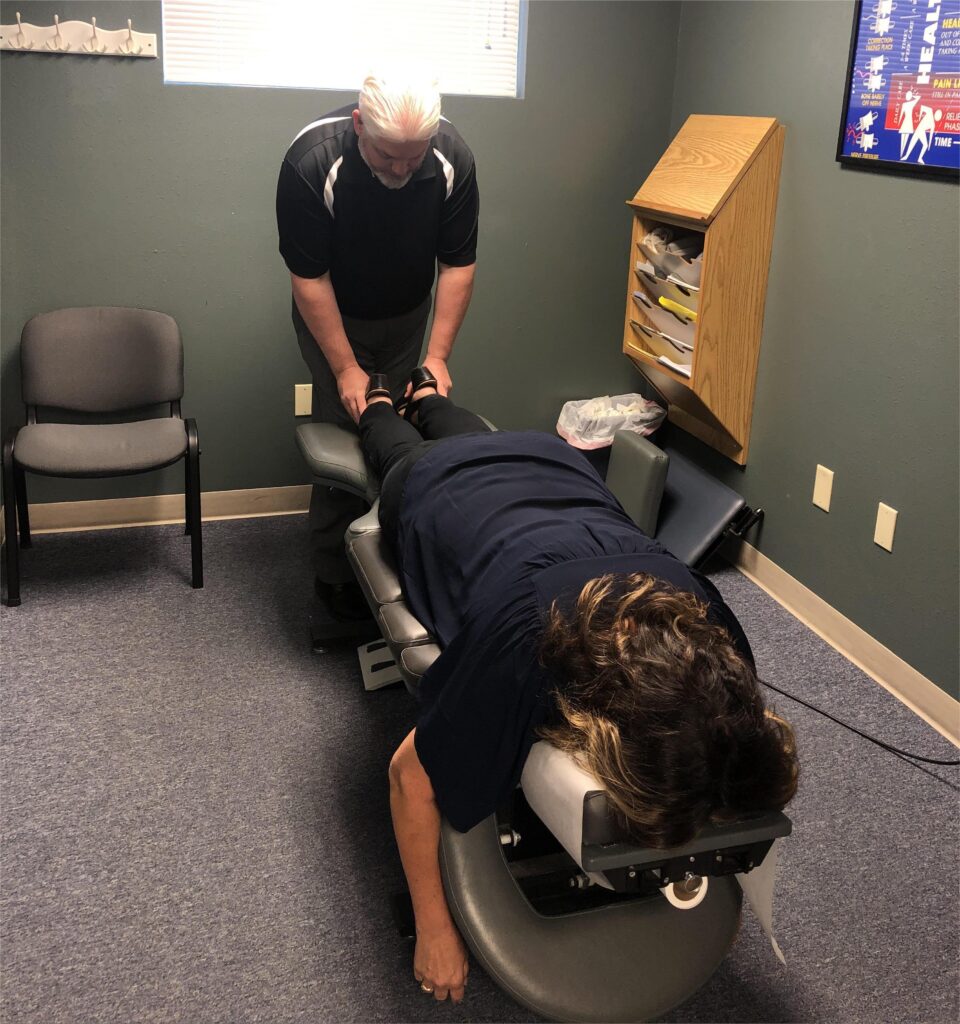

When it comes to preventing migraines, understanding your triggers is essential. Many people are aware that factors like sleep patterns, hydration, and diet play a significant role in their overall health. However, have you explored how a consistent routine, along with chiropractic care, can help manage and reduce migraine episodes?
Chiropractic care focuses on spinal health and the overall well-being of your body, which can be instrumental in preventing migraines. By ensuring that your spine is properly aligned, you can reduce tension and improve circulation, which may help alleviate migraine symptoms. Regular chiropractic adjustments can help keep your nervous system functioning optimally, potentially reducing the frequency and severity of migraines.
In addition to chiropractic care, here are some general tips that can help you manage migraines and promote a healthier lifestyle:
- Stay Hydrated: Drink plenty of water throughout the day to prevent dehydration, which can trigger migraines.
- Establish a Routine: Try to go to bed and wake up at the same time every day. Consistency in your sleep schedule can help regulate your body’s internal clock.
- Practice Relaxation Techniques: Incorporating stress-relief practices like deep breathing, meditation, or yoga can help reduce tension and prevent migraines.
- Monitor Your Diet: Keep a food diary to identify any dietary triggers. Eating balanced meals at regular intervals can also help maintain stable blood sugar levels.
- Limit Screen Time: Take regular breaks from screens to reduce eye strain, which can contribute to headaches and migraines.
By incorporating these strategies and making chiropractic care a part of your wellness routine, you can take proactive steps towards a life with fewer migraine episodes. Embracing natural healing methods and focusing on spinal health can be your pathway to optimal health and wellness.
Key Takeaways
- Start a migraine diary to identify your unique triggers, dietary habits, and patterns. This personalized approach can help you understand what might be causing your migraines and how chiropractic care can support your journey to wellness.
- Hydration is key! Aim to drink at least eight glasses of water a day to keep your body well-hydrated. Remember, staying hydrated can help prevent migraines, and your chiropractor can provide guidance on how proper hydration supports spinal health and overall wellness.
- Consistency is important when it comes to sleep. Try to go to bed and wake up at the same time each day. Good sleep habits can contribute to less tension in your body, and regular chiropractic adjustments can enhance your sleep quality by relieving spinal stress.
- Engage in regular physical activity for at least 30 minutes most days. Not only does exercise help reduce stress and muscle tension, but it also promotes overall body function. A chiropractor can offer tailored exercise recommendations that complement your adjustments and enhance your well-being.
- Incorporate stress management techniques into your routine, such as mindfulness, relaxation exercises, or yoga. These practices can help alleviate stress-related migraine triggers. Additionally, chiropractic care can aid in reducing tension in your body, which may contribute to fewer migraines and a more relaxed state overall.
By incorporating these tips and considering chiropractic care as a part of your wellness journey, you can take proactive steps towards preventing migraines and achieving optimal health.
Understanding Migraine Triggers
Understanding migraine triggers is essential for taking control of your health and wellness, especially since these triggers can differ greatly from one individual to another. As a local chiropractor, I believe that identifying what sets off your migraines can help you manage and reduce their frequency naturally—without relying on medications or surgical interventions.
Certain foods, like aged cheeses or processed meats, may contribute to your headaches. Keeping a food diary can help you pinpoint any dietary triggers. Additionally, stress is a significant factor; when life becomes overwhelming, your body responds, and this can lead to a migraine. Incorporating regular chiropractic adjustments can help alleviate stress and tension in your body, promoting relaxation and overall well-being.
Environmental factors, such as bright lights or strong smells, could also play a role in triggering your migraines. You might find that creating a more calming environment can help; consider dimming the lights or using essential oils that promote relaxation.
Pay attention to your sleep patterns as well; both insufficient and excessive sleep can lead to migraines. Establishing a regular sleep routine can support better sleep quality. Hormonal changes, particularly in women, can also trigger migraines, so being mindful of your body’s changes is important.
Weather changes, like sudden shifts in temperature or barometric pressure, might affect you too. While we can’t control the weather, staying hydrated and maintaining a healthy lifestyle can help your body adapt.
Keeping a Migraine Diary
Keeping a migraine diary can be a transformative step in managing your health and wellness. By tracking your triggers and patterns, you can pinpoint when your symptoms begin and evaluate how effective your treatments are. This simple tool empowers you to take control of your migraine management.
As a chiropractor, I understand how important it’s to find natural methods for pain relief. By keeping a diary, you can identify potential triggers such as stress, certain foods, or changes in sleep patterns. This awareness can lead you to make lifestyle modifications that enhance your overall well-being.
In addition to tracking your symptoms, consider incorporating chiropractic care into your routine. Regular adjustments can help align your spine, which may alleviate tension and improve your body’s ability to heal itself naturally. A well-aligned spine supports optimal nervous system function, which is crucial for managing pain and promoting your overall health.
Here are a few tips to help you get started with your migraine diary:
- Be Consistent: Write in your diary daily to capture the most accurate picture of your symptoms and triggers.
- Note Your Lifestyle: Include information about your diet, sleep patterns, stress levels, and any physical activities you engage in.
- Look for Patterns: After a few weeks, review your entries to identify any common triggers that may be contributing to your migraines.
- Consult with Your Chiropractor: Share your findings with your chiropractor. They can help you develop a personalized plan that combines adjustments with lifestyle changes for optimal health.
Taking charge of your migraine management is empowering. With the right tools and support, you can find relief and enhance your quality of life through natural chiropractic care.
Tracking Triggers and Patterns
Many individuals have discovered that tracking their migraine triggers and patterns can significantly lessen the frequency and intensity of their headaches. One effective way to do this is by maintaining a migraine diary. By keeping track of the time, duration, and severity of each migraine, along with potential triggers such as food, weather changes, or stress levels, you can gain valuable insights into what might be causing your discomfort. Over time, you’ll start to notice patterns that can guide you in making informed lifestyle changes that promote overall wellness.
Here’s a simple table to help you get started on your journey to understanding your migraines better:
| Trigger | Notes |
|---|---|
| Food | What did you eat? |
| Weather | Temperature or pressure changes? |
| Stress Levels | Rate your stress daily. |
| Sleep Patterns | Hours slept, quality of sleep? |
| Hormonal Changes | Any cycle-related symptoms? |
By tracking these factors, you empower yourself to manage your migraines more effectively. Additionally, consider incorporating chiropractic care into your routine. Chiropractic adjustments can help restore proper spinal alignment, reduce tension in the body, and promote natural healing, which may alleviate migraine frequency and intensity.
Regular chiropractic visits can also enhance your overall health and well-being, helping you live a healthier, pain-free life. Remember, your spine plays a crucial role in your body’s function, and maintaining its health can lead to better management of migraine triggers and improved quality of life. Embrace these strategies, and take steps towards a more balanced and pain-free existence!
Identifying Symptom Onset
Tracking the onset of your migraine symptoms can be a transformative step in managing your health and overall wellness. Keeping a migraine diary is an effective way to gain insights into when and how your symptoms start. Make sure to note the exact time they occur, along with any sensations you might experience, such as visual disturbances or neck stiffness. Recognizing these early signs can empower you to take proactive steps before the migraine worsens.
In addition, it’s beneficial to document your daily activities, diet, and stress levels leading up to the onset of your migraines. This information can help you identify specific triggers that may contribute to your discomfort. By understanding these patterns, you can make informed choices that promote your health and well-being.
As a chiropractor, I encourage you to consider holistic approaches to managing your migraines, such as chiropractic adjustments. These adjustments can help improve spinal alignment, reduce tension in the body, and enhance your overall health. Incorporating regular chiropractic care into your routine can support your body’s natural healing processes and provide relief from pain without the need for medications or invasive procedures.
Consistency is essential; make it a daily habit to jot down your experiences and observe any changes. Over time, you’ll create a clearer picture of your migraine journey, allowing you to take control of your health and explore natural wellness solutions. Remember, your body is resilient, and with the right support, you can work towards optimal health and well-being.
Analyzing Treatment Effectiveness
As you explore effective ways to manage your migraines, keeping a detailed migraine diary can be a valuable resource.
Tracking various aspects of your migraines will help you identify what might be triggering them and how natural treatments, including chiropractic care, can provide relief. Here’s what you can include in your diary:
- Date and time of when your migraine starts
- Duration of the migraine
- Intensity on a scale of 1-10, so you can gauge severity
- Lifestyle factors you engaged in, such as exercise, stress levels, and sleep quality
- Chiropractic adjustments or natural remedies you tried, and how they helped
By regularly reviewing this information, you can spot trends and connections that may point toward how chiropractic care could best support your migraine relief.
Remember, chiropractic adjustments can help alleviate tension in your spine, which may be contributing to your migraine symptoms.
In addition to keeping this diary, consider some general tips for managing migraines naturally:
- Stay Hydrated: Dehydration can trigger migraines, so drink plenty of water throughout the day.
- Maintain a Regular Sleep Schedule: Consistent sleep patterns can help reduce the frequency of migraines.
- Practice Stress-Relief Techniques: Activities like yoga, meditation, or deep-breathing exercises can lower stress, a common migraine trigger.
- Incorporate Chiropractic Care: Regular chiropractic adjustments can help improve spinal alignment and reduce tension, leading to fewer headaches.
Your migraine diary, combined with these strategies, can empower you to take charge of your health and work with your chiropractor to find effective, natural solutions for migraine relief.
Implementing Regular Sleep Patterns
Establishing regular sleep patterns is a vital step in managing migraines and promoting overall wellness. By going to bed and waking up at the same time every day, you help your body’s internal clock work more effectively. This consistency signals your brain when it’s time to rest and when it’s time to be alert, which can be especially beneficial for those prone to migraines. Aim for seven to nine hours of quality sleep each night, ensuring your sleep environment is dark, quiet, and comfortable.
Incorporating a relaxing bedtime routine can further enhance your sleep quality. Simple activities like reading a book or practicing mindfulness can signal to your body that it’s time to wind down. Additionally, try to avoid screens and stimulating activities before bed, as these can interfere with your ability to fall asleep. Remember, irregular sleep patterns can trigger migraines, so prioritizing your sleep is crucial for your health and well-being.
As a chiropractor, I want to emphasize the importance of holistic approaches to managing pain and promoting health. Regular chiropractic care can support your overall wellness and may help reduce the frequency and intensity of migraines. By focusing on spinal health and nervous system function, chiropractic adjustments can contribute to improved sleep quality and overall vitality.
Staying Hydrated
Staying hydrated is crucial for your overall health and can play a significant role in preventing migraines. As a chiropractor, I often see how proper hydration influences not just our physical well-being but also our spinal health.
When we don’t drink enough water, we can experience dehydration, which may lead to headaches, fatigue, and additional discomfort in our bodies, including the spine.
Here are some simple hydration tips to help you maintain optimal health:
- Set a Daily Goal: Aim for at least 8 glasses of water a day. Keeping a reusable water bottle with you can serve as a constant reminder to drink more.
- Infuse Your Water: If plain water doesn’t excite you, try adding slices of fruits like lemon, cucumber, or berries for a refreshing twist while still keeping it healthy.
- Eat Water-Rich Foods: Incorporate fruits and vegetables high in water content, such as cucumbers, oranges, and watermelon, into your diet. This not only hydrates you but also provides essential nutrients for your spine.
- Listen to Your Body: Pay attention to signs of dehydration. If you’re feeling thirsty, tired, or have a dry mouth, it’s time to grab a glass of water.
- Hydrate Before and After Adjustments: If you’re visiting your chiropractor for an adjustment, drinking water before and after can help your body respond better to the treatment and aid in recovery.
Remember, staying hydrated is a simple yet powerful way to support your spinal health and overall wellness.
Importance of Water Intake
Hydration is essential for maintaining overall health, especially when it comes to preventing migraines. Many people often underestimate the importance of drinking enough water throughout the day. Staying well-hydrated helps your body function optimally and can significantly reduce the frequency and intensity of migraine attacks.
Here are a few key reasons why prioritizing water intake is crucial for your wellness:
- Regulates body temperature: Proper hydration helps keep your body cool, which can prevent heat-related headaches.
- Supports digestion: Drinking enough water aids in nutrient absorption, helping to alleviate discomfort that might trigger migraines.
- Boosts energy levels: Staying hydrated keeps you feeling alert and focused, promoting a productive day without the interruptions of headaches.
- Improves circulation: Adequate water intake ensures that your blood circulates well, delivering oxygen-rich blood to your brain and reducing the chance of migraines.
- Reduces stress: Hydration plays a role in managing stress levels, which can often be a contributing factor to migraines.
Incorporating these hydration tips into your daily routine can enhance your overall wellness. Aim to carry a water bottle with you, set reminders to drink water, and consider hydrating foods like fruits and vegetables.
Signs of Dehydration
When you’re not drinking enough water, your body may exhibit several signs of dehydration that are important to recognize. Feeling thirsty is often your body’s first signal that it needs hydration. Another common sign is a dry mouth; if you notice this, it’s a good idea to reach for a glass of water. Fatigue and dizziness can also indicate dehydration, which can make it difficult for you to focus or feel your best.
Dark yellow urine is a clear indication that you need to increase your fluid intake. Additionally, headaches, which can sometimes feel like migraines, may occur when you’re dehydrated.
It’s essential to listen to your body and respond to these signs by boosting your water consumption. Staying hydrated not only helps prevent headaches but also supports your overall health and well-being.
As a chiropractor, I want to emphasize the connection between hydration and spinal health. Proper hydration helps maintain the elasticity of the spinal discs and supports overall bodily functions, which is vital for optimal performance and pain relief.
Here are some helpful tips to ensure you stay hydrated throughout the day:
- Carry a water bottle with you to track your intake.
- Set reminders on your phone to drink water regularly.
- Incorporate hydrating foods into your diet, like fruits and vegetables.
- Drink a glass of water before each meal.
Hydration Tips and Strategies
Staying properly hydrated is crucial not only for your overall health but also for minimizing the frequency and intensity of migraine attacks. As a chiropractor, I understand the importance of maintaining wellness through natural means, and hydration plays a significant role in that.
Here are some straightforward hydration tips and strategies to help you stay on track:
- Aim for 8 Glasses a Day: Set a daily water intake goal of at least 8 glasses. Keeping your body hydrated supports spinal health and overall function.
- Use a Reusable Water Bottle: Carrying a reusable water bottle can serve as a constant reminder to drink water throughout the day, promoting a healthy habit.
- Add Flavor Naturally: If plain water doesn’t excite you, try infusing it with fruits or herbs. This not only enhances the taste but also encourages you to drink more.
- Establish a Routine: Make it a habit to drink a glass of water before each meal. This simple routine can help you stay hydrated and support your digestive health.
- Check Your Hydration Level: A quick way to monitor your hydration is by observing the color of your urine. Aim for a light yellow color, which indicates that you’re well-hydrated.
By incorporating these easy strategies into your daily life, you can’t only enhance your hydration but also support your body’s natural healing processes.
Dietary Modifications
A balanced diet can significantly influence your overall health and wellness, including the frequency and intensity of migraines. As a local chiropractor, I believe in the power of natural healing and the importance of understanding how our lifestyle choices, like what we eat, can affect our well-being. By paying close attention to your diet, you can identify potential triggers for your migraines. A great first step is to keep a food diary to track what you eat alongside any migraine occurrences. This can help pinpoint foods that may not agree with you.
Common dietary culprits include aged cheeses, processed meats, and foods that contain MSG. To support your health and potentially reduce migraine episodes, focus on incorporating a wide variety of fresh fruits, vegetables, whole grains, and lean proteins into your meals. These nutrient-rich foods not only help maintain stable blood sugar levels but also provide your body with essential vitamins and minerals that support your overall health.
Regular meal times are crucial, too. Skipping meals can lead to headaches, so make it a point to eat at consistent intervals throughout the day. Additionally, consider moderating your intake of caffeine and alcohol, as they can worsen migraine symptoms for some individuals.
Stress Management Techniques
Identifying dietary triggers is just one piece of the puzzle in managing migraines; stress is another significant factor that can lead to increased frequency and intensity of headaches. As a chiropractor, I want to emphasize the importance of managing stress naturally, as it can have a profound impact on overall health and wellness.
Here are some effective techniques that can complement chiropractic care in promoting a calmer mindset and reducing the likelihood of migraines:
- Mindfulness Meditation: Taking a few moments each day to focus on the present can help alleviate anxiety and tension. This practice can enhance the mind-body connection, which is vital for overall health.
- Deep Breathing Exercises: Slow, deep breaths aren’t just relaxing; they can also help to lower blood pressure and improve circulation. This promotes better oxygen flow to your brain, which may help in reducing headache symptoms.
- Progressive Muscle Relaxation: By tensing and then relaxing each muscle group, you can release built-up tension throughout your body. This technique can be beneficial in relieving stress and may complement the adjustments you receive during chiropractic care.
- Journaling: Writing down your thoughts and feelings can provide clarity and help you process daily stressors. This simple practice can support your emotional well-being, leading to a healthier mindset.
- Time Management: Organizing your day can prevent feelings of being overwhelmed. Setting aside time for self-care and relaxation can enhance the effectiveness of your chiropractic treatments.
Incorporating these techniques into your daily routine can create a more balanced and calmer mindset. When paired with regular chiropractic adjustments, you may experience fewer migraines, allowing you to regain control and enjoy life more fully.
Regular Physical Activity
Regular physical activity is crucial for managing migraines and boosting your overall well-being, and it complements the benefits of chiropractic care. Engaging in regular exercise can significantly reduce the frequency and intensity of migraine attacks. When you move your body, you release endorphins, which act as natural pain relievers and mood enhancers. Aim for at least 30 minutes of moderate exercise most days of the week—this could be as simple as walking, swimming, or cycling.
It’s important to listen to your body and choose activities that you genuinely enjoy. This will make it easier to stick with your routine and maintain consistency, which is key for achieving lasting results. Finding a time that works best for you can help you establish a regular habit.
In addition to exercise, incorporating stretching and relaxation techniques can relieve tension in your muscles and help prevent migraines. As a chiropractor, I often see how spinal health plays a critical role in overall wellness. Keeping your spine aligned through regular chiropractic adjustments can enhance your body’s ability to cope with stress and physical strain.
Don’t forget the importance of staying hydrated and maintaining a balanced diet alongside your exercise routine. Proper nutrition and hydration can further support your efforts in migraine prevention. By prioritizing physical activity and chiropractic care, you’re taking significant steps towards a healthier, migraine-free life. Remember, your path to wellness is a journey, and embracing these natural methods can lead you to optimal health.
Exploring Alternative Therapies
If you’re seeking relief from migraines, consider looking into chiropractic care as a natural and effective solution. Chiropractic adjustments can help alleviate tension in your spine and surrounding muscles, which may be contributing to your migraine symptoms. In addition to chiropractic treatment, you might also explore complementary approaches such as acupuncture, herbal remedies, and mindfulness techniques to enhance your overall wellness.
Chiropractic care focuses on the health of your spine and nervous system, which plays a crucial role in how your body functions. By ensuring that your spine is properly aligned, you can improve your body’s ability to manage pain and stress, potentially reducing the frequency and intensity of your migraines.
Here are a few tips to help you manage migraines naturally:
- Stay Hydrated: Dehydration can trigger migraines, so make sure you’re drinking plenty of water throughout the day.
- Maintain Good Posture: Poor posture can lead to neck and back tension, which may worsen migraine symptoms. Be mindful of your posture, especially when sitting for long periods.
- Stress Management: Incorporate relaxation techniques such as deep breathing, meditation, or yoga into your daily routine to help reduce stress levels.
- Regular Chiropractic Visits: Regular adjustments can help keep your spine aligned and improve your overall health, which may prevent migraines from occurring.
- Healthy Diet: Eating a balanced diet rich in whole foods can support your overall well-being and potentially reduce migraine triggers.
Acupuncture for Migraine Relief
When it comes to finding relief from migraines, many people are exploring various options, and one effective approach is chiropractic care. This natural, holistic method focuses on aligning the spine and improving overall health, which can lead to significant relief for those suffering from migraine headaches. Here are some benefits of chiropractic care for migraine sufferers:
- Reduced Frequency of Migraines: Regular chiropractic adjustments can help realign the spine, which may reduce the occurrence of migraine attacks over time.
- Less Intense Pain: Many patients report a decrease in the intensity of their migraine pain after receiving chiropractic care, allowing them to enjoy their daily activities more fully.
- Improved Mood and Stress Management: Chiropractic care not only addresses physical issues but also promotes relaxation and overall well-being, which can positively impact your emotional health.
- Natural and Safe: Chiropractic care is a drug-free approach, meaning you can avoid the side effects associated with medications while still finding effective relief.
- Enhanced Relaxation and Tension Relief: Chiropractic adjustments can relieve tension in the neck and back, which may contribute to migraine triggers.
If you’re struggling with migraines, consider scheduling an appointment with a licensed chiropractor who specializes in headache relief. They can develop a personalized treatment plan that fits your needs.
Additionally, here are some general tips to help manage migraines naturally:
- Stay Hydrated: Drink plenty of water throughout the day to keep your body well-hydrated, as dehydration can trigger migraines.
- Maintain a Consistent Sleep Schedule: Establish a regular sleep routine to ensure you’re getting enough restorative rest.
- Practice Stress-Relief Techniques: Incorporate relaxation techniques such as deep breathing, yoga, or meditation into your daily routine to help manage stress levels.
- Keep a Migraine Diary: Track your migraine patterns to identify triggers and discuss them with your chiropractor for a more tailored approach to your care.
Herbal Remedies and Supplements
Chiropractic care offers a holistic and natural approach to managing migraines, and it’s a fantastic option for those looking to avoid medications and surgeries.
Alongside chiropractic adjustments, you might want to consider incorporating herbal remedies and supplements to enhance your wellness journey.
Many individuals have found relief with options like butterbur, which may help reduce the frequency of migraine attacks, and feverfew, known for its anti-inflammatory properties.
Additionally, magnesium is an essential mineral that can play a role in preventing migraines, as some studies suggest that a deficiency may trigger attacks.
Riboflavin, or Vitamin B2, is another supplement that has shown promise in decreasing the frequency of migraines.
While exploring these options, remember that it’s essential to consult with your chiropractor or healthcare provider before starting any new supplement, especially if you’re currently undergoing treatment or have other health considerations.
Here are a few general tips to help manage migraines naturally:
- Stay Hydrated: Dehydration can trigger headaches, so ensure you’re drinking plenty of water throughout the day.
- Maintain a Consistent Sleep Schedule: Irregular sleep patterns can lead to migraines. Aim for a good night’s sleep by sticking to a routine.
- Practice Stress Management: Consider incorporating relaxation techniques like yoga, meditation, or deep breathing exercises, which can help reduce tension and stress that may contribute to migraines.
- Keep a Migraine Diary: Tracking your migraines can help you identify potential triggers and patterns, which can be beneficial for your chiropractor to tailor your treatment plan.
By staying proactive about your health and considering chiropractic care as a cornerstone of your wellness routine, you can find effective ways to manage migraines and promote overall well-being.
Remember, the journey to optimal health is a personal one, and what works for one person may take some experimentation for another.
Your chiropractor can guide you in finding what best fits your needs.
Mindfulness and Meditation Techniques
Mindfulness and meditation techniques can significantly support your journey toward managing migraines, complementing the natural healing benefits of chiropractic care.
By incorporating these practices into your daily life, you can effectively reduce stress and promote relaxation—two critical components in preventing migraines. Here are some easy techniques you can try alongside your chiropractic adjustments:
- Deep Breathing: Take a moment to focus on your breath. Inhale deeply through your nose and exhale slowly through your mouth. This simple practice helps calm your mind and alleviate tension in your body.
- Body Scan: Gently shift your attention to different parts of your body. Notice any areas of tightness or discomfort and consciously relax those muscles. This technique can help you become more aware of your body and its needs.
- Guided Imagery: Picture a serene landscape or a peaceful moment in your mind. Imagining calming scenes can distract you from pain and anxiety, fostering a sense of tranquility.
- Mindful Walking: While walking, pay close attention to each step you take. Notice how your feet feel on the ground and the sensations around you. This practice can ground you in the present moment and reduce stress.
- Loving-Kindness Meditation: Take a few moments to cultivate feelings of compassion for yourself and others. Sending positive thoughts can promote emotional healing and enhance your overall well-being.
Incorporating these mindfulness techniques into your routine can empower you to take charge of your migraine management.
Maintaining a Consistent Routine
A consistent routine is essential for managing migraines and promoting overall well-being. When you establish regular sleeping, eating, and activity patterns, you help your body maintain balance, which is crucial for optimal health. To start, aim to go to bed and wake up at the same time every day, even on weekends. Irregular sleep can often trigger migraines, so consistency is key to a healthy sleep cycle.
Nutrition plays a significant role in how you feel. Make sure you’re enjoying nutritious meals at regular intervals. Skipping meals or loading up on caffeine can lead to headaches, so try to eat balanced meals throughout the day. Staying well-hydrated is just as important, so drink plenty of water to keep your body functioning at its best.
Incorporating regular physical activity into your routine can also help. Exercise is a natural way to release endorphins, which can alleviate stress and tension that might contribute to migraines. Simple activities like walking, stretching, or yoga can make a big difference.
Don’t forget to carve out time for relaxation and self-care. Engaging in activities you enjoy, such as reading, meditating, or simply enjoying some quiet time, can significantly reduce tension and promote relaxation.
As a chiropractor, I believe that maintaining a consistent routine not only helps in minimizing migraine occurrences but also contributes to overall health and wellness. Chiropractic care can be a fantastic addition to your routine, helping to align your spine and improve your body’s ability to heal naturally. Prioritizing these practices helps create a stable environment for your body, enhancing your quality of life and promoting natural healing.
Seeking Professional Guidance
While maintaining a consistent routine is essential for managing migraines, incorporating chiropractic care into your wellness plan can significantly enhance your results. By working with a chiropractor, you can explore natural, holistic approaches to migraine relief that align with your body’s needs. Here’s what you can expect when you seek chiropractic care:
- Personalized Approach: A chiropractor will assess your unique situation, focusing on your specific migraine triggers and lifestyle to create a customized care plan that suits you best.
- Spinal Adjustments: Regular spinal adjustments can help improve your nervous system function, which may reduce the frequency and severity of migraines by alleviating tension in your neck and back.
- Holistic Therapies: Chiropractors often utilize complementary therapies, such as massage or stretching exercises, to relieve muscle tension and promote relaxation, aiding in overall migraine management.
- Nutritional Guidance: Your chiropractor may provide insights on nutrition, helping you identify potential food triggers and suggesting natural dietary changes to support your health and well-being.
- Lifestyle Recommendations: Incorporating strategies like proper hydration, regular exercise, and stress management techniques can play a significant role in reducing migraine occurrences.
- Ongoing Support: Regular visits to your chiropractor allow for continuous monitoring of your progress, ensuring that your care plan evolves as your needs change.
By choosing chiropractic care, you’re opting for a natural, non-invasive way to tackle migraines and improve your overall health.
Conclusion
Incorporating natural techniques into your daily routine can significantly help in reducing the frequency and intensity of migraines. One of the most important steps is to understand your personal triggers—this can include stress, certain foods, or even poor posture. By recognizing these, you can make informed choices to avoid them.
Maintaining a consistent daily routine is also key. This includes getting enough sleep each night and sticking to regular meal times. Staying hydrated is crucial, as dehydration can be a common trigger for migraines. Aim to drink plenty of water throughout the day, and focus on eating balanced meals rich in nutrients.
Regular physical activity is another vital component of migraine prevention. Engaging in gentle exercises like walking, yoga, or stretching can improve circulation and reduce tension in your body, which may help alleviate migraine symptoms.
Chiropractic care is an excellent option for managing migraines naturally. By focusing on spinal health and alignment, chiropractic adjustments can help relieve tension and improve overall function, which may lead to fewer headaches. Regular visits to a chiropractor can provide personalized care tailored to your needs, promoting a holistic approach to wellness.
Don’t hesitate to reach out to a chiropractic professional for guidance in developing a personalized prevention plan. With commitment to a healthy lifestyle and the support of chiropractic care, you can take control over your migraines and enhance your quality of life.