
When headaches strike, finding effective relief without turning to medication is essential. As a chiropractor, I want to share with you some natural techniques that not only ease your discomfort but also promote overall well-being. These strategies can be surprisingly beneficial and can easily be integrated into your daily routine.
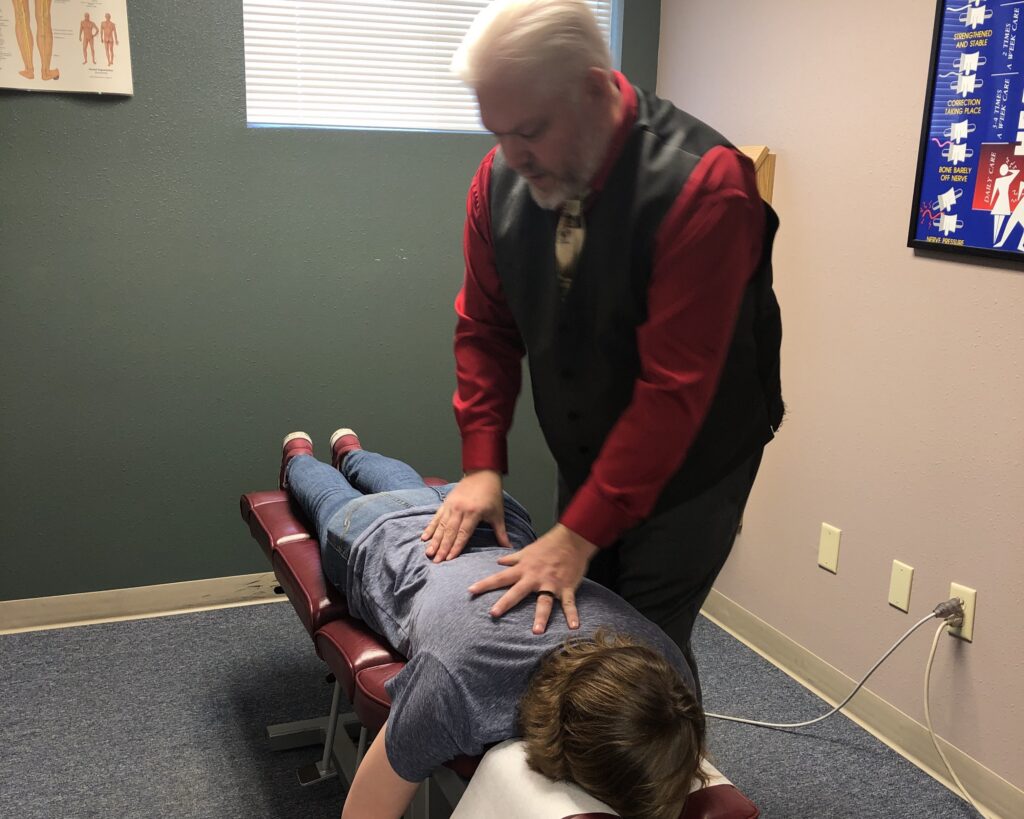
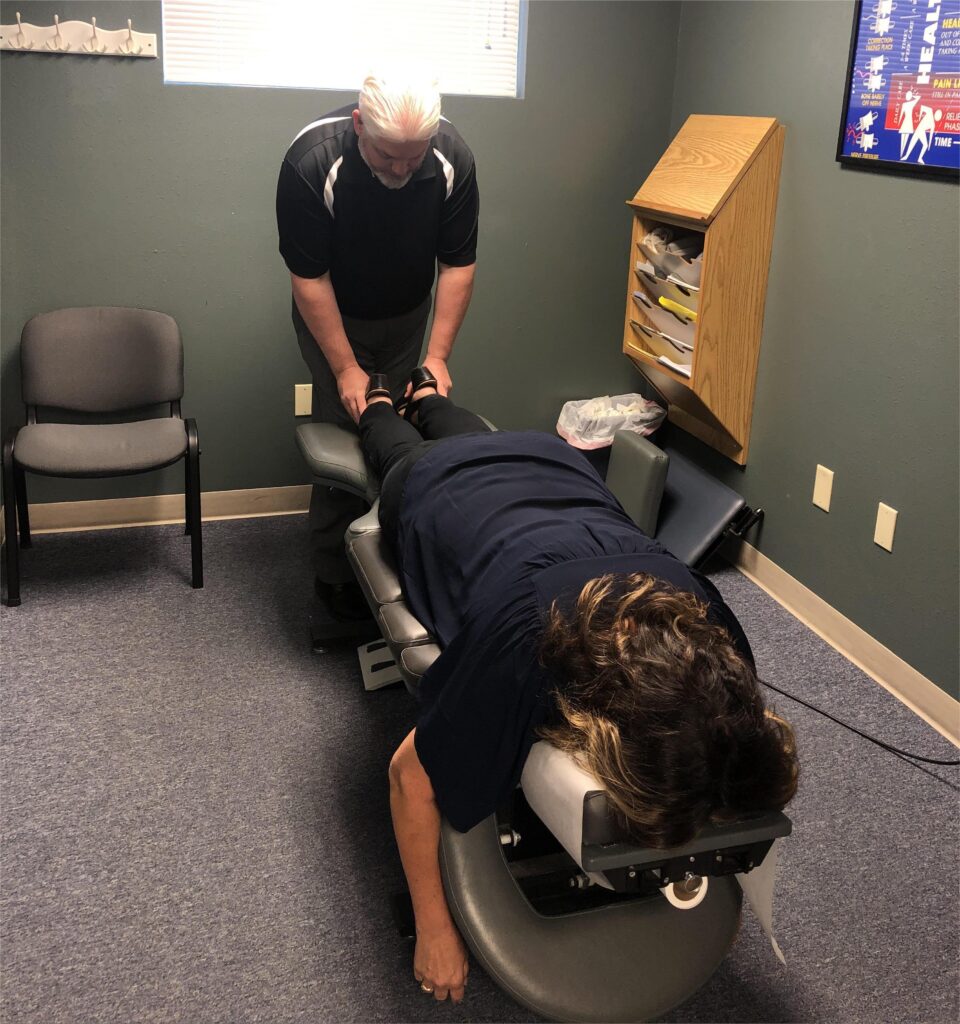
Chiropractic care is an excellent first step in addressing headaches. Many headaches are linked to spinal misalignments, especially in the neck. Regular chiropractic adjustments can help realign your spine, relieve tension, and ultimately reduce headache frequency and intensity.
In addition to chiropractic care, here are some other natural headache relief techniques you can try:
- Stay Hydrated: Dehydration can lead to headaches. Make sure you drink plenty of water throughout the day.
- Practice Good Posture: Maintaining proper posture, especially if you sit for long periods, can help reduce strain on your neck and spine.
- Apply Heat or Cold: A warm compress on your neck or a cold pack on your forehead can provide immediate relief.
- Manage Stress: Engage in relaxation techniques like deep breathing, meditation, or yoga. These can help reduce tension that may trigger headaches.
- Regular Exercise: Staying active helps improve blood circulation and reduces stress, both of which can alleviate headache symptoms.
- Adequate Sleep: Ensuring you get enough quality sleep is crucial for your overall health and can help prevent headaches.
- Herbal Remedies: Some natural herbs, like peppermint or ginger, can be effective for relieving headache symptoms.
- Limit Caffeine: While a small amount of caffeine can sometimes help alleviate headaches, too much can lead to rebound headaches.
- Essential Oils: Aromatherapy with oils like lavender or eucalyptus may promote relaxation and help relieve headache pain.
- Regular Chiropractic Visits: Consistent chiropractic care not only addresses current headache issues but also helps prevent future occurrences by maintaining proper spinal alignment and overall health.
By incorporating these natural techniques into your lifestyle, you can take proactive steps toward achieving optimal health and reducing the frequency and severity of headaches. Remember, chiropractic care is a powerful tool in your wellness journey, and I’m here to support you in achieving a pain-free life.
Key Takeaways
- Stay well-hydrated by drinking at least eight glasses of water daily; dehydration can often lead to tension headaches. Proper hydration supports overall health, including spinal health, which is critical for preventing discomfort.
- Incorporate deep breathing exercises into your daily routine. This simple practice can help reduce tension and stress—common headache triggers. Remember, a relaxed body often leads to a relaxed spine.
- Apply cold or warm compresses on your forehead or neck to ease headache pain. This can also help relax the muscles connected to your spine, promoting better alignment and overall wellness.
- Consider using diluted essential oils like peppermint or lavender on your temples for targeted headache relief. These natural remedies can complement the benefits of chiropractic care by promoting relaxation and reducing tension in the body.
- Explore acupressure techniques on specific points, such as LI4 and Yintang. Stimulating these areas can encourage relaxation and alleviate headache discomfort, while also supporting your body’s natural healing processes.
By integrating these natural techniques into your lifestyle and regularly visiting your chiropractor, you can achieve optimal health and significantly reduce headache occurrences. Remember, chiropractic care focuses on addressing the root causes of pain, ensuring long-term wellness and relief.
Stay Hydrated
Staying hydrated is vital for your overall health and can play a significant role in preventing headaches. As a chiropractor, I emphasize the importance of proper hydration not only for your spinal health but for your entire body. When your body is low on fluids, it can lead to dehydration, which is a common trigger for headaches. Make it a habit to drink water regularly throughout the day—aim for at least eight glasses, adjusting this amount based on how active you’re and the climate you’re in.
Carrying a reusable water bottle with you can be a great reminder to sip throughout the day. If you find plain water a bit boring, consider infusing it with fruits or herbs to make it more enjoyable. Staying hydrated not only helps to keep headaches at bay but also supports your spinal health and overall wellness.
Be on the lookout for signs of dehydration, such as a dry mouth or feeling tired, and take action quickly by drinking water. You can also add hydrating foods like cucumbers and watermelon to your meals for extra hydration.
Practice Deep Breathing
In addition to staying hydrated, practicing deep breathing can significantly aid in managing headaches. As a chiropractor, I believe in the power of natural methods to alleviate pain and promote wellness. Deep breathing techniques are a fantastic way to slow your breath and calm your mind, which can help reduce the tension and stress that often lead to headaches.
To practice deep breathing, find a quiet space where you can sit comfortably and close your eyes. Inhale slowly through your nose for a count of four, letting your abdomen expand fully. Hold that breath for another count of four, and then exhale gently through your mouth for a count of four. Repeat this cycle several times, focusing on your breath. You’ll likely notice that your body starts to relax, which can ease headache symptoms.
If your thoughts begin to drift, gently redirect your focus back to your breathing. This mindfulness practice can be beneficial not just for headaches, but for your overall well-being. Incorporating deep breathing into your daily routine can create a calming ritual that complements the benefits of chiropractic care.
Apply Cold or Warm Compresses
When a headache strikes, applying a cold or warm compress can offer quick and effective relief, complementing the benefits of chiropractic care. Cold compresses can numb the pain and reduce inflammation, making them a great option for tension headaches or migraines.
On the other hand, warm compresses can help relax tight muscles, which is especially helpful if your headache is caused by muscle tension in the neck or shoulders.
Choosing the right temperature can significantly impact how you feel. If you’re unsure, consider starting with a cold compress for acute pain and switching to a warm compress if you feel tension building.
In addition to using compresses, remember that regular chiropractic adjustments can address the root causes of headaches, such as misalignments in the spine. By maintaining proper spinal health, you can’t only reduce headache frequency but also enhance your overall well-being.
As you seek natural ways to alleviate headaches, consider incorporating gentle stretches and hydration into your routine, as these can support your body’s healing process. Remember, chiropractic care is a holistic approach that promotes optimal health and wellness, so don’t hesitate to reach out to your chiropractor for personalized advice and treatment!
Cold Compress Benefits
Cold compresses can be a quick and effective way to find relief from headaches, and as a chiropractor, I believe in utilizing natural methods to promote wellness. When you apply a cold compress to your forehead or the back of your neck, it can help constrict blood vessels, which reduces inflammation and numbs pain. This technique is especially beneficial for migraines and tension headaches.
To use a cold compress effectively, simply wrap ice or a cold pack in a cloth and place it on the affected area for about 15-20 minutes. Many patients find that this cooling sensation helps alleviate their throbbing pain. Additionally, cold compresses can contribute to a sense of calm, alleviating stress and tension that often accompany headaches.
While cold compresses can be a helpful part of your headache relief strategy, I encourage you to consider chiropractic care as a comprehensive approach to your health. Chiropractors focus on aligning the spine and addressing underlying issues that can contribute to headaches and other discomforts. By incorporating regular chiropractic adjustments into your wellness routine, you can promote better spinal health, reduce pain, and enhance your overall well-being.
Warm Compress Advantages
While cold compresses can provide quick relief for headaches, warm compresses are equally valuable in alleviating tension and discomfort. As a chiropractor, I often recommend warm compresses to my patients because they help relax tight muscles and enhance blood circulation, which is particularly beneficial for those suffering from tension headaches. You can easily create a warm compress at home by soaking a towel in hot water or by using a heating pad.
| Warm Compress Benefits | How to Use |
|---|---|
| Eases muscle tension | Apply for 15-20 minutes |
| Improves blood flow | Use on forehead or neck |
| Promotes relaxation | Combine with essential oils |
| Reduces stress | Breathe deeply while using |
Incorporating warm compresses into your headache relief routine can significantly enhance your comfort and promote relaxation. Remember, chiropractic care is an excellent way to address the underlying causes of headaches, and these natural remedies can complement your treatment. For optimal health, consider scheduling regular chiropractic adjustments, which can help maintain proper spinal alignment and contribute to overall wellness.
Explore Aromatherapy
Aromatherapy can be a wonderful complement to your overall wellness routine, especially when it comes to alleviating headaches. As a chiropractor, I believe in harnessing natural methods to support your body’s healing processes. Essential oils, such as lavender, peppermint, and eucalyptus, can be effective in creating a calming environment and easing tension.
To incorporate aromatherapy into your daily life, start by simply inhaling the soothing scents of these oils. This can help relax your mind and promote a sense of well-being. You can also use a diffuser to spread the aroma around your living or workspace, enhancing your environment in a way that encourages relaxation and concentration.
For a more targeted approach, consider diluting essential oils in a carrier oil and gently applying them to areas like your temples or the back of your neck. Just be sure to perform a patch test first to ensure your skin reacts well.
Creating your own unique blends can also be an enjoyable experience. Mixing different essential oils allows you to find the perfect combination that resonates with you. Keep experimenting until you discover what works best for your body and mind.
While aromatherapy is a great tool for headache relief, it’s important to remember that regular chiropractic care can significantly contribute to your overall health. Misalignments in the spine can lead to headaches and tension. By addressing these misalignments through chiropractic adjustments, you can help improve your body’s function and reduce the frequency and intensity of headaches.
Try Acupressure
If you’re seeking relief from headaches, chiropractic care may be your best option. Chiropractic focuses on the alignment of your spine and overall body function, which can help alleviate pain and tension naturally. While acupressure can be beneficial, let’s explore how chiropractic adjustments and techniques can offer you effective relief.
Chiropractors are trained to identify misalignments in the spine that may contribute to headaches. By gently adjusting the spine, we can help restore proper function, reduce tension, and promote overall wellness. This approach not only targets headaches but also supports your body’s natural healing processes.
In addition to spinal adjustments, there are several techniques and tips you can use at home to complement your chiropractic care:
- Stay Hydrated: Drinking plenty of water can help prevent dehydration, which is a common trigger for headaches.
- Practice Good Posture: Make sure your workspace is ergonomically set up to avoid strain on your neck and back. Remember to take regular breaks to stretch.
- Manage Stress: Techniques such as deep breathing, meditation, and gentle yoga can help reduce stress levels that may contribute to headaches.
- Regular Exercise: Engaging in regular physical activity can help improve circulation and reduce tension in the body.
- Sleep Well: Aim for a consistent sleep schedule and create a calming bedtime routine to enhance the quality of your rest.
Pressure Points Explained
When you’re dealing with a headache, it’s essential to explore natural methods for relief. One effective approach is acupressure, which involves applying pressure to specific points on your body to alleviate pain and tension. While chiropractic care is often the best route for achieving optimal health, understanding these acupressure techniques can complement your wellness journey. Here are three key pressure points to consider:
- LI4 (Hegu): This point is located between your thumb and index finger. Gently squeezing this spot can help ease headache pain. Incorporating this technique into your daily routine can be a handy tool for managing discomfort.
- GB20 (Fengchi): Found at the base of your skull, pressing on this point can help relieve tension and stress-related headaches. It’s a great way to unwind after a long day, especially when combined with proper spinal alignment through chiropractic care.
- Yintang: Located between your eyebrows, gently massaging this area can promote relaxation and reduce discomfort. Taking a moment to focus on this point can be a simple practice to incorporate into your self-care routine.
While these acupressure points can provide temporary relief, remember that regular chiropractic adjustments are vital for maintaining overall health. Chiropractors can help address the root causes of headaches by ensuring your spine is properly aligned, promoting optimal nerve function, and supporting your body’s natural healing processes.
Incorporate these acupressure techniques and consider scheduling a visit to your chiropractor for a comprehensive approach to headache relief. Together, these practices can lead you toward a healthier, pain-free life.
Techniques for Application
To effectively use acupressure for headache relief, it’s essential to create a calm environment where you can fully concentrate on the techniques. Start by sitting comfortably and taking several deep breaths to help relax your mind and body. As a chiropractor, I emphasize the importance of listening to your body and understanding how it responds to different stimuli.
Begin by locating key pressure points that can alleviate headache tension. One of the most effective spots is the area between your thumb and index finger. This point is known to help relieve various types of headaches. Additionally, gently pressing on your temples can also provide significant relief. Apply firm, steady pressure for about 30 seconds while maintaining deep, rhythmic breathing to enhance relaxation.
For added relief, you might find it beneficial to massage these areas in small circles. If you experience any discomfort or tension, adjust the pressure to ensure you remain comfortable. Staying present and mindful during this process is crucial, as it allows you to better connect with your body’s needs.
As a chiropractic care advocate, I encourage you to incorporate these techniques into your routine whenever headaches arise. Remember, natural wellness practices like acupressure can work hand in hand with spinal adjustments to help you achieve optimal health. Always listen to your body and find what works best for you. Regular chiropractic care can also play a pivotal role in preventing headaches by ensuring your spine is aligned and functioning properly.
Benefits of Acupressure
Explore the many benefits of acupressure as a complementary practice to chiropractic care, enhancing your overall well-being and promoting a healthier lifestyle. While chiropractic care is an excellent choice for pain relief and natural wellness, acupressure can provide additional support for your health journey.
Here are three key benefits of acupressure:
- Stress Reduction: Acupressure works by stimulating specific pressure points in your body, which can help to promote relaxation and ease tension. Reducing stress is crucial for maintaining spinal health and overall wellness, as it allows your body to function better and supports the work we do in chiropractic care.
- Improved Circulation: This ancient technique encourages better blood flow, which is essential for healing and can complement the adjustments you receive in chiropractic care. Improved circulation helps deliver nutrients to your cells and can boost your energy levels, contributing to a more vibrant and active lifestyle.
- Pain Relief: Acupressure can be a valuable tool for alleviating various types of pain, including headaches and muscle tension. While chiropractic adjustments are highly effective for managing pain, acupressure offers a natural alternative that can be easily integrated into your self-care routine.
Incorporating acupressure alongside your chiropractic care can lead to a more balanced life. Remember to listen to your body and consider these additional tips for enhancing your health:
- Stay Hydrated: Drinking plenty of water is essential for overall health and can help your body recover from adjustments and acupressure sessions.
- Practice Deep Breathing: Taking a few moments each day to focus on your breath can reduce stress and enhance the benefits of both chiropractic care and acupressure.
- Regular Movement: Engage in gentle exercises or stretches to keep your muscles and joints flexible, which pairs well with the benefits of acupressure.
Maintain Good Posture
Maintaining good posture is a simple yet powerful method to help alleviate headaches naturally. When you sit or stand with proper alignment, you minimize strain on your neck and back, which are common culprits for tension headaches. It’s essential to be mindful of your body position throughout the day. Keep your shoulders relaxed and ensure your head is aligned directly over your spine, which promotes better spinal health.
If you spend a lot of time working at a desk, it’s crucial to have a chair that supports your lower back and to position your computer screen at eye level. This alignment helps prevent unnecessary strain on your body. Remember to take regular breaks to stretch and reset your posture, especially if you’re sitting for extended periods. Simple movements can make a big difference in how you feel.
Incorporating posture exercises into your routine can also be beneficial. Exercises like wall angels or chin tucks not only strengthen your muscles but also enhance your awareness of proper alignment. These small adjustments can create a more comfortable environment, reducing the likelihood of headaches and promoting overall wellness.
As a chiropractor, I believe that maintaining good posture is one of the most effective ways to support your body’s natural healing processes. By prioritizing your posture and incorporating chiropractic care into your wellness routine, you can achieve optimal health and experience relief from discomfort without the need for medications or surgeries. Embrace these practices for a healthier, headache-free life!
Incorporate Regular Exercise
Regular exercise can play a vital role in reducing the frequency and intensity of headaches, and as your local chiropractor, I’m here to highlight how it ties into achieving optimal health through natural methods.
Staying active not only improves blood circulation but also releases endorphins—your body’s natural pain relievers.
Here are three types of exercise you should consider incorporating into your routine:
1. Aerobic Activities: Simple exercises like walking, cycling, or swimming for at least 30 minutes a day can significantly help reduce tension and stress, which are common triggers for headaches.
These activities not only elevate your heart rate but also keep your body and mind in harmony.
2. Yoga and Stretching: Adding yoga to your weekly exercise regimen can enhance your flexibility while promoting relaxation.
The gentle movements and stretches help reduce muscle tension, particularly in the neck and shoulders, which can be contributing factors to headaches.
Plus, yoga encourages mindfulness, helping you manage stress more effectively.
3. Strength Training: Incorporating resistance exercises into your routine helps build muscle, which can improve your posture.
Good posture is essential, as it reduces strain on your neck and back—common culprits behind headache discomfort.
By making regular exercise a cornerstone of your wellness journey, you’ll not only reduce headache occurrences but also boost your overall sense of well-being.
Remember, chiropractic care complements your exercise routine by ensuring your spine is aligned and your nervous system is functioning optimally.
Together, they create a powerful approach to achieving a healthier, pain-free life.
Get Quality Sleep
After focusing on exercise, it’s essential to recognize how quality sleep plays a pivotal role in relieving headaches. Poor sleep often leads to increased stress and muscle tension, which can trigger headaches. To enhance your sleep quality and support your overall wellness, establish a consistent sleep schedule by going to bed and waking up at the same time every day. This routine helps regulate your body’s internal clock, promoting more restful sleep.
In addition, creating a calming bedtime routine can signal to your body that it’s time to relax. Activities like gentle stretching or deep breathing can help ease tension in your spine and muscles, further assisting in headache prevention.
It’s also wise to limit screen time before bed, as the blue light from devices can disrupt your ability to fall asleep. Instead, consider reading a book or enjoying a warm herbal tea to unwind.
Make your sleep environment as comfortable as possible: keep the room dark, quiet, and cool. This not only enhances your sleep but also supports your spinal health. Investing in comfortable pillows and a supportive mattress can alleviate pressure points and promote proper alignment, which is crucial for headache relief.
Use Herbal Remedies
When you’re seeking natural relief from headaches, it’s important to consider the holistic approach that chiropractic care offers. While herbal remedies like peppermint and ginger can provide some relief, they’re best used in conjunction with spinal adjustments and overall wellness practices. Chiropractic care focuses on identifying the root cause of your headaches, which often stems from misalignments in the spine and tension in the muscles.
In addition to regular chiropractic adjustments, there are simple strategies you can incorporate into your daily routine to help alleviate headache pain. Staying well-hydrated, maintaining good posture, and practicing stress-relief techniques such as deep breathing or gentle stretching can all contribute to reducing headache frequency and intensity.
Popular Herbal Options
When it comes to finding relief from headaches, exploring natural remedies can be a beneficial approach. Many individuals experience discomfort that can be addressed through holistic practices, including chiropractic care.
Here are three popular herbal options that may complement your wellness journey, along with some tips to enhance your overall health:
- Peppermint: This herb is well-known for its cooling properties. You might find that applying diluted peppermint oil to your temples can help relax tense muscles and improve blood circulation. This can be particularly helpful in reducing headache intensity. Remember, maintaining proper spinal alignment through chiropractic adjustments can also significantly alleviate tension in your neck and head.
- Ginger: Renowned for its anti-inflammatory benefits, ginger can be effective in easing nausea and tension that often accompany headaches and migraines. You can enjoy ginger tea or incorporate fresh ginger into your meals. For optimal health, consider regular chiropractic visits to support your body’s natural healing processes and further reduce inflammation.
- Feverfew: Traditionally used to prevent migraines, feverfew may help lessen the frequency and severity of headaches when taken consistently. It’s a great idea to combine this herbal remedy with a proactive approach to your spinal health. Regular chiropractic adjustments can help ensure that your nervous system functions optimally, which can play a crucial role in managing headaches.
In addition to these herbal options, here are some general tips for maintaining a healthier lifestyle and managing headaches:
- Stay hydrated: Dehydration can trigger headaches, so drink plenty of water throughout the day.
- Practice good posture: Poor posture can lead to muscle tension in the neck and back, contributing to headaches. Be mindful of your posture, especially if you spend long hours at a desk.
- Incorporate stretching and relaxation techniques: Gentle stretches and relaxation exercises can help reduce tension in your muscles and improve blood flow.
By combining these natural remedies with chiropractic care, you can create a comprehensive approach to headache management and overall wellness.
Effective Preparation Methods
To effectively harness the benefits of herbal remedies for headache relief, it’s essential to prepare them properly while also considering how chiropractic care can support your overall wellness. Start by selecting fresh, high-quality herbs, such as peppermint or ginger, which can complement your journey towards natural healing. For a soothing tea, steep one to two teaspoons of dried herbs in hot water for about 10 minutes. This can be a great way to relax and unwind, which is important for spinal health.
You might also explore tinctures by soaking fresh herbs in alcohol for several weeks and shaking them occasionally. Alternatively, if you prefer essential oils, dilute a few drops in a carrier oil and gently apply it to your temples or the back of your neck. This can provide localized relief and promote relaxation, further supporting your chiropractic care routine.
Another effective method is making compresses by soaking a cloth in herbal-infused water and applying it to your forehead. This can help ease tension and is a great addition to your natural pain relief toolkit.
Dosage and Safety Guidelines
Understanding how to safely use herbal remedies can complement your journey towards better health and wellness, especially when dealing with headaches. Here are some important guidelines to ensure you use these remedies effectively and safely:
- Start Low and Go Slow: When trying a new herbal remedy, it’s wise to start with a lower dose. This allows you to see how your body reacts. If you feel comfortable, you can gradually increase the dosage—just be sure to stay within the recommended limits.
- Consult a Professional: Before diving into any herbal remedies, it’s best to consult with a healthcare provider, especially if you’re currently taking medication or have existing health concerns. A knowledgeable professional can offer you personalized advice that aligns perfectly with your health goals.
- Monitor Side Effects: Pay attention to how your body responds to any new remedy. If you notice anything unusual or feel unwell, it’s important to stop using the product and talk to a professional.
While exploring natural remedies, remember that chiropractic care can also play a vital role in your overall wellness. Regular chiropractic adjustments can help alleviate tension and promote a healthier spine, which may reduce the frequency and intensity of headaches.
Embracing a holistic approach by combining chiropractic care with safe herbal practices can lead you to optimal health and well-being. Always prioritize your body’s signals and take charge of your health journey!
Limit Caffeine Intake
Limiting your caffeine intake can significantly help reduce the frequency and intensity of headaches, and as a chiropractor, I want to share how this simple change can promote overall wellness. While caffeine may seem like a quick solution for headache relief, relying on it can lead to dependency and uncomfortable withdrawal headaches when you don’t have your usual amount.
To maintain a balanced approach to health, consider gradually cutting back on caffeine. Start by tracking how much caffeine you consume each day. You might find it helpful to swap coffee or energy drinks for soothing herbal teas or decaffeinated options. If you notice withdrawal symptoms like irritability or fatigue, don’t be alarmed—this is a common experience as your body adjusts.
Staying hydrated and eating a balanced diet can also support your body during this transition. Remember, the goal isn’t just to alleviate headaches but to promote long-term wellness. Chiropractic care can play a vital role in managing pain and stress, helping your body function at its best. By incorporating these lifestyle changes alongside regular chiropractic adjustments, you can enhance your overall health and well-being.
Conclusion
Incorporating natural headache relief techniques into your daily routine can greatly enhance your overall wellness and help manage pain effectively. Begin by ensuring you stay well-hydrated, as dehydration can often trigger headaches. Practicing deep breathing exercises can also promote relaxation and reduce tension, which may alleviate headache symptoms.
Aromatherapy can be a wonderful addition to your self-care practices; essential oils like lavender or peppermint can create a soothing environment that helps ease discomfort. Additionally, acupressure—applying gentle pressure to specific points on your body—can be a powerful tool for headache relief, and it’s something you can learn to do at home.
Regular exercise is essential for maintaining spinal health and can significantly help in preventing headaches. Whether it’s a brisk walk, yoga, or any form of movement you enjoy, staying active supports your body’s natural healing processes. Don’t underestimate the importance of quality sleep, as a well-rested body is better equipped to fend off headaches.
While some may consider herbal remedies, remember that chiropractic care stands out as a comprehensive solution for pain relief and overall health. By addressing the root cause of headaches through spinal adjustments, chiropractors can help restore balance and function to your nervous system.
Lastly, keep an eye on your caffeine intake, as excessive consumption can sometimes contribute to headaches. By integrating these strategies into your life, you can take control of your well-being and say goodbye to those persistent headaches, all while embracing the natural, holistic benefits of chiropractic care!