
If you’ve ever felt a strange tingling in your fingers, weakness in your hand, or a nagging numbness that wakes you up at night, you already know how disruptive it can be. Carpal tunnel syndrome is one of the most common nerve-related conditions we see here at Kuns Chiropractic Clinic in Gresham, OR — and yet, it’s also one of the most misunderstood. Many people assume it’s a single, one-size-fits-all condition, but the reality is more nuanced than that. Understanding the different types of carpal tunnel and what causes them is the first step toward finding real, lasting relief.
What Is Carpal Tunnel Syndrome?
Carpal tunnel syndrome (CTS) is a condition that occurs when the median nerve — which runs from your forearm through a narrow passageway in your wrist called the carpal tunnel — becomes compressed or irritated. This pressure on the nerve leads to symptoms like numbness, tingling, pain, and weakness in the hand and fingers. It is not a single disease but rather a set of symptoms that can develop from a variety of causes and circumstances.
Understanding the Carpal Tunnel: Anatomy Made Simple
Before diving into the different types of carpal tunnel syndrome, it helps to understand a little bit of anatomy. The carpal tunnel is a narrow channel — roughly the size of your thumb — located at the base of your wrist. It is formed by small wrist bones called carpals on three sides and a thick band of connective tissue called the transverse carpal ligament across the top.
Running through this tunnel are nine flexor tendons that help you bend your fingers, as well as the median nerve. The median nerve is responsible for sensation in your thumb, index finger, middle finger, and part of your ring finger. It also controls the small muscles at the base of your thumb. When anything causes the carpal tunnel to narrow — or when the tissues inside it swell — that precious median nerve gets squeezed.
That compression is what produces the hallmark symptoms of carpal tunnel syndrome. The condition doesn’t always originate at the wrist, though. Sometimes nerve irritation begins higher up the arm, at the elbow, the shoulder, or even the cervical spine. This is something Dr. Westley Kuns pays close attention to during evaluations at Kuns Chiropractic Clinic, because treating the right source is what leads to the best outcomes.
The Different Types of Carpal Tunnel Syndrome
Not all carpal tunnel syndrome is the same. Clinicians often categorize it by cause, severity, and onset pattern. Recognizing which type you may be dealing with can make a significant difference in how it’s addressed.
Idiopathic Carpal Tunnel Syndrome
The word “idiopathic” simply means the cause is unknown or unclear. This is actually the most common classification of carpal tunnel syndrome. In these cases, there is no single obvious injury or medical condition driving the compression. Instead, it tends to develop gradually over time — often from a combination of genetics, anatomy, and lifestyle factors. People with naturally narrower carpal tunnels are at higher baseline risk, regardless of their daily activities.
Occupational or Repetitive Strain Carpal Tunnel Syndrome
This type is strongly associated with repetitive hand and wrist movements performed over extended periods of time. Assembly line workers, keyboard users, cashiers, musicians, and tradespeople are among those most frequently affected. The repeated motions cause the tendons inside the carpal tunnel to swell, putting pressure on the median nerve. Here in Gresham, OR, Dr. Westley Kuns often sees this type in patients whose work involves prolonged gripping, pinching, or typing without adequate breaks or ergonomic support.
Acute or Traumatic Carpal Tunnel Syndrome
This form develops suddenly, usually following a direct injury to the wrist — such as a fracture, dislocation, or severe sprain. The trauma causes rapid swelling inside the carpal tunnel, which quickly compresses the median nerve. Acute carpal tunnel syndrome is considered a more urgent presentation and may require prompt evaluation to prevent lasting nerve damage.
Secondary Carpal Tunnel Syndrome
This type arises as a direct result of an underlying medical condition. Several systemic health conditions can cause fluid retention, inflammation, or tissue changes that reduce the space inside the carpal tunnel. Pregnancy, hypothyroidism, rheumatoid arthritis, and diabetes are among the most well-recognized contributors. Managing the underlying condition often plays a key role in reducing carpal tunnel symptoms in these cases.
Double Crush Syndrome
This is a lesser-known but clinically important concept. Double crush syndrome occurs when the median nerve is compressed at two separate points along its path — for example, at both the carpal tunnel and the cervical spine or thoracic outlet. Each individual compression may be mild, but together they significantly impair nerve function and produce more severe or persistent symptoms. This is one reason why a thorough evaluation of the entire upper extremity and spine is so valuable, not just the wrist alone.
Common Causes of Carpal Tunnel Syndrome
Carpal tunnel syndrome rarely has a single, isolated cause. It typically results from a combination of factors that together increase pressure on the median nerve. Understanding these causes can help you identify what might be contributing to your own symptoms.
Repetitive hand and wrist use is one of the most frequently cited contributors. Activities that involve sustained wrist flexion or extension — especially when combined with vibration or force — can gradually irritate the tendons inside the tunnel. Over time, that irritation leads to swelling and nerve compression.
Anatomy also plays a meaningful role. Some people are simply born with a narrower carpal tunnel, making them more susceptible to compression even with minimal provocation. Women are statistically more likely to develop carpal tunnel syndrome than men, which may be partly related to differences in carpal tunnel size.
Hormonal changes and fluid retention are particularly relevant for pregnant women and those going through menopause. Increased fluid in the body’s tissues can swell the contents of the carpal tunnel, compressing the nerve. For many women, symptoms improve after delivery or when hormone levels stabilize.
Metabolic and inflammatory conditions like diabetes, thyroid dysfunction, and rheumatoid arthritis can alter nerve sensitivity and cause tissue changes that contribute to compression. Poor wrist posture — whether at a workstation or during sleep — is another common driver, particularly when the wrist is held in a bent or extended position for long periods.
How Chiropractic Care Fits In
Chiropractic care offers a conservative, non-invasive approach to carpal tunnel syndrome that focuses on identifying and addressing the underlying mechanical contributors. At Kuns Chiropractic Clinic in Gresham, OR, Dr. Westley Kuns takes a whole-body perspective — because carpal tunnel symptoms don’t always originate at the wrist. Sometimes the root of the problem lies in the neck, shoulder, or elbow, and those areas need attention too.
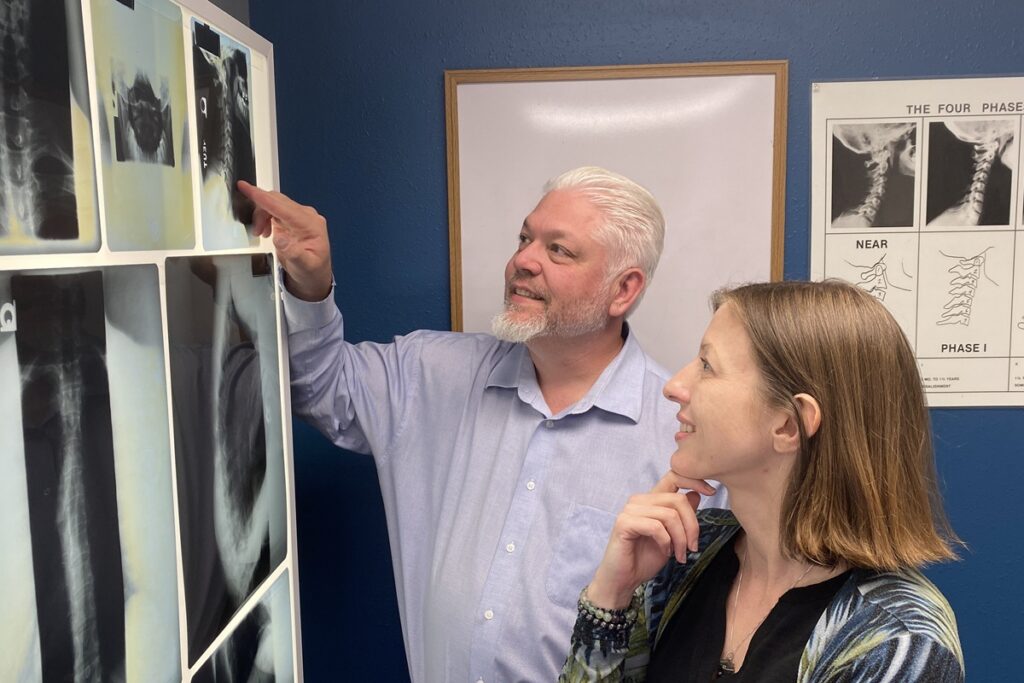
Chiropractic evaluation for carpal tunnel typically involves a thorough assessment of the wrist, forearm, elbow, shoulder, and cervical spine. This helps Dr. Westley Kuns determine where nerve irritation is actually originating, whether it’s a true carpal tunnel compression, a double crush scenario, or something else entirely.
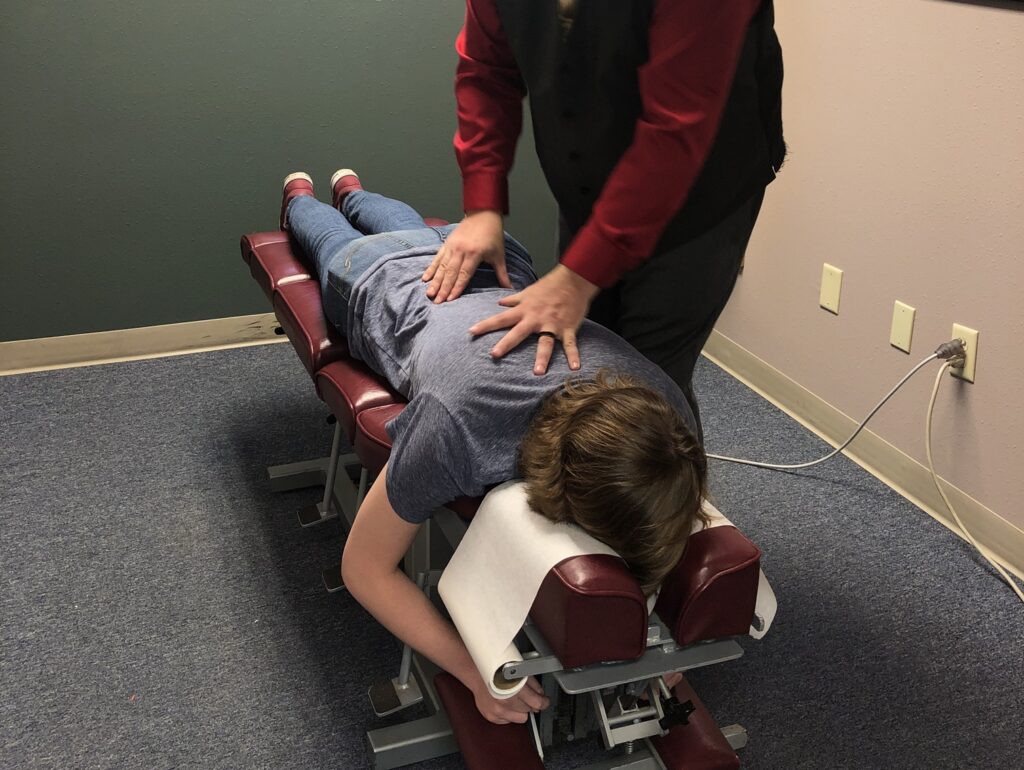
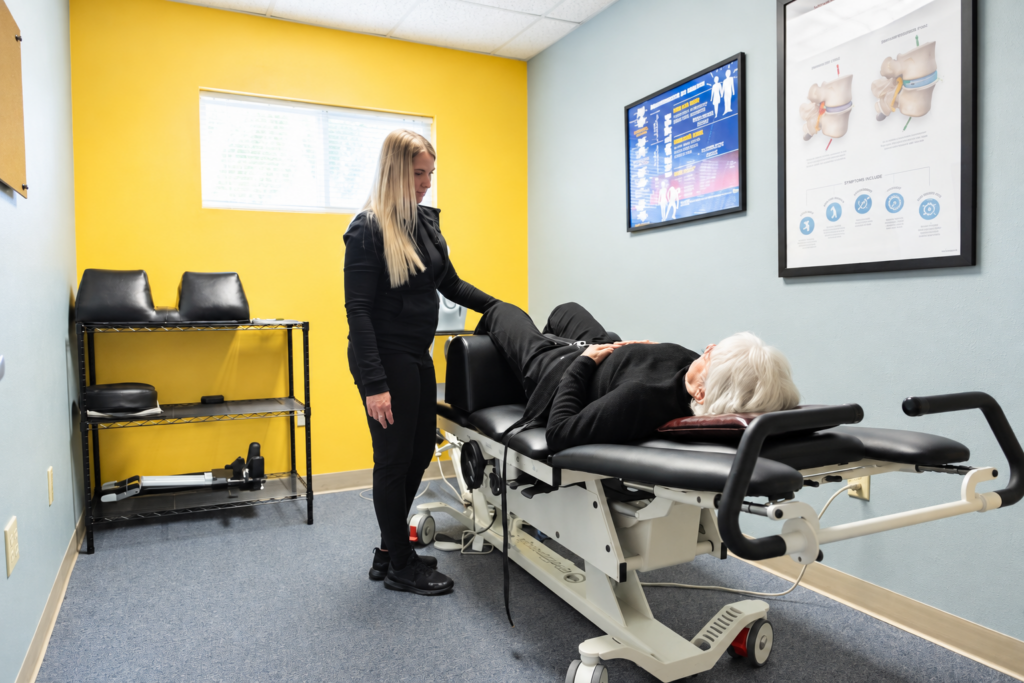
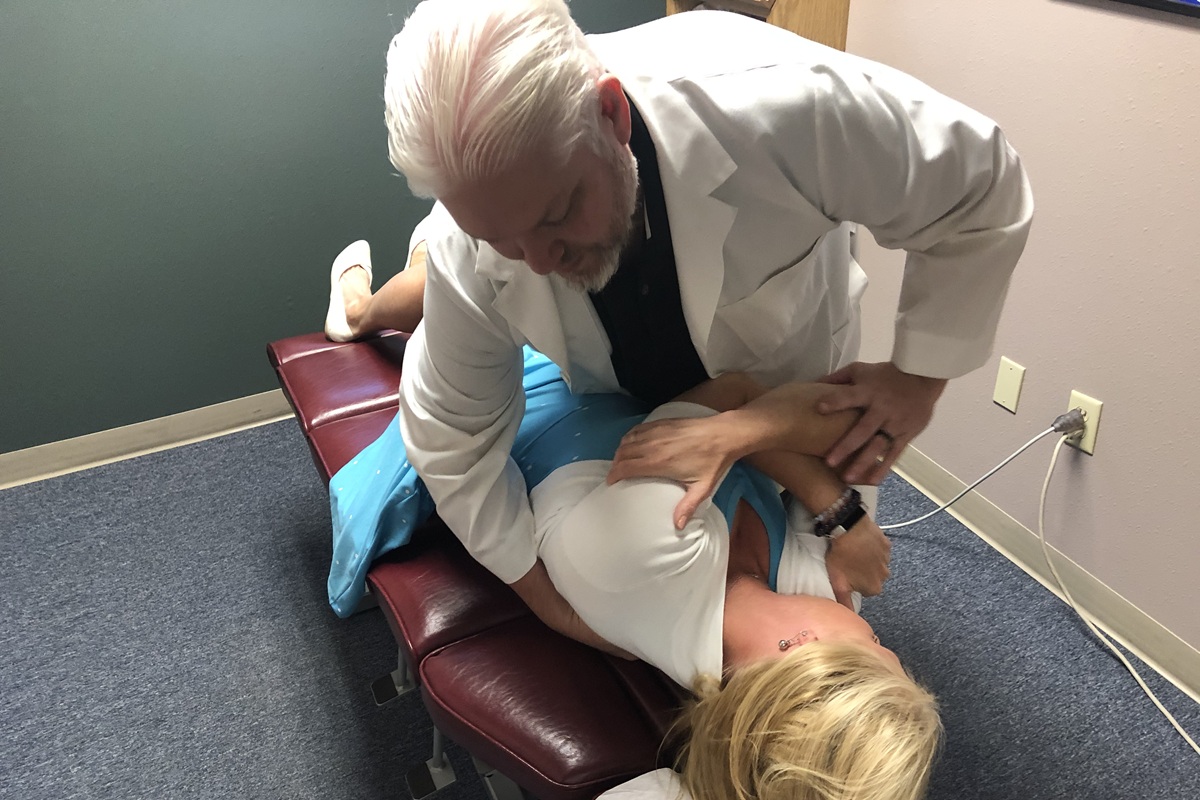
Care may include gentle joint manipulation or mobilization of the wrist and hand, soft tissue work to address tight forearm muscles and tendons, and spinal adjustments when cervical dysfunction is contributing to symptoms. Evidence from the National Center for Complementary and Integrative Health suggests that conservative approaches including chiropractic care may help reduce pain and improve function in individuals with mild to moderate carpal tunnel syndrome.
The goal isn’t just to relieve symptoms in the moment — it’s to restore proper joint mechanics, reduce nerve irritation, and help you stay active and functional without relying on medications or jumping straight to surgical intervention. Every care plan at Kuns Chiropractic Clinic is individualized based on your specific presentation, history, and goals.
Practical Tips for Managing Carpal Tunnel Syndrome
There are several things you can do at home and at work to support your recovery and reduce symptom flare-ups. These recommendations are not a replacement for professional evaluation, but they can complement the care you receive and help you feel more in control.
Paying attention to wrist position throughout the day is one of the most impactful changes you can make. Avoid prolonged wrist flexion or extension. When typing, keep your wrists in a neutral, relaxed position — not bent upward or curled downward. A wrist rest can be helpful, but only if it encourages a neutral position rather than sustained pressure on the tunnel.
Taking microbreaks during repetitive tasks gives your tendons and nerve time to recover. Even a 60-second pause to gently stretch and move your hands and fingers every 30-45 minutes can make a meaningful difference over the course of a workday. Gentle wrist and forearm stretches — performed without forcing the joint — can help maintain flexibility and reduce tension in the surrounding tissues.
If your symptoms are worse at night, consider wearing a neutral-position wrist splint while you sleep. Many people unconsciously curl their wrists while sleeping, which increases pressure inside the carpal tunnel. A splint helps keep the wrist in a neutral alignment through the night. Discuss with Dr. Westley Kuns or your healthcare provider whether a splint is appropriate for your situation before using one long-term.
When to See a Chiropractor for Carpal Tunnel Symptoms
If you’re experiencing persistent tingling, numbness, or weakness in your hand or fingers — especially if it’s affecting your sleep or daily activities — it’s worth getting evaluated sooner rather than later. Early intervention tends to produce better outcomes with conservative care. The longer nerve compression goes unaddressed, the more challenging recovery can become.
Kuns Chiropractic Clinic in Gresham, OR is a good starting point if your symptoms are mild to moderate, if you prefer to explore non-surgical options first, or if you suspect your wrist symptoms may be connected to neck or shoulder tension. Dr. Westley Kuns can help assess the full picture and determine whether chiropractic care is appropriate or whether additional referral is needed.
There are certain red flags that warrant prompt medical attention rather than chiropractic care alone. These include sudden, severe loss of hand function, rapidly progressing weakness, symptoms following a traumatic injury, or signs of significant nerve damage. In these situations, additional diagnostic workup — such as nerve conduction studies or imaging — may be necessary.
Carpal Tunnel Types at a Glance
Type |
Primary Cause |
Common Population |
Onset |
|---|---|---|---|
|
Idiopathic |
Unknown; likely genetic/anatomical |
General population, middle age |
Gradual |
|
Occupational / Repetitive Strain |
Repetitive hand/wrist movements |
Office workers, tradespeople, musicians |
Gradual |
|
Acute / Traumatic |
Wrist fracture, dislocation, injury |
Anyone following trauma |
Sudden |
|
Secondary |
Underlying medical condition |
Pregnant women, diabetics, thyroid patients |
Variable |
|
Double Crush Syndrome |
Nerve compressed at two locations |
People with cervical dysfunction + wrist issues |
Gradual, often severe |
Myths vs. Facts About Carpal Tunnel Syndrome
Myth: Carpal Tunnel Syndrome Only Affects People Who Type All Day
Fact: While repetitive computer use can be a contributing factor, carpal tunnel syndrome affects a wide range of people, including those who have never used a keyboard professionally. Genetics, anatomy, medical conditions, and even sleep position all play roles in its development.
Myth: Surgery Is the Only Real Fix
Fact: Surgery may be appropriate for severe or long-standing cases, but many people with mild to moderate carpal tunnel syndrome respond well to conservative care. Evidence suggests that non-surgical approaches — including chiropractic care, splinting, and activity modification — can be effective first-line options, particularly in the early stages.
Myth: If It Hurts in Your Wrist, the Problem Must Be in Your Wrist
Fact: Nerve symptoms in the hand and wrist can originate anywhere along the median nerve’s path, including the cervical spine, shoulder, or elbow. This is why a thorough evaluation that looks beyond the wrist is so important. A double crush scenario, for example, might look exactly like standard carpal tunnel syndrome on the surface.
Myth: Carpal Tunnel Syndrome Will Go Away on Its Own
Fact: Some mild cases may fluctuate, but untreated carpal tunnel syndrome that is causing consistent symptoms rarely resolves without some form of intervention. Over time, ongoing nerve compression can lead to permanent weakness or loss of sensation. Seeking evaluation early is always the better approach.
Myth: Only Older Adults Get Carpal Tunnel Syndrome
Fact: While carpal tunnel syndrome does become more common with age, it can and does affect younger adults — particularly those in physically demanding jobs, athletes, gamers, or musicians who perform repetitive movements regularly.
Final Thoughts from Kuns Chiropractic Clinic in Gresham, OR
Carpal tunnel syndrome is more complex than most people realize. It isn’t just one condition — it’s a collection of presentations with different causes, timelines, and contributing factors. Whether your symptoms developed gradually from years of repetitive work, surfaced during pregnancy, or came on suddenly after an injury, understanding what type of carpal tunnel syndrome you’re dealing with matters enormously when it comes to finding relief.
Here in Gresham, OR, the team at Kuns Chiropractic Clinic is committed to helping patients understand what’s actually happening in their bodies. Dr. Westley Kuns takes the time to listen, evaluate thoroughly, and build a care plan that makes sense for your specific situation. You deserve care that goes beyond symptom management and actually addresses the root of the problem.
If you’ve been living with hand numbness, wrist pain, or finger tingling and you’re not sure where to turn, consider reaching out to Kuns Chiropractic Clinic. A thorough evaluation is the first step toward understanding your options and feeling more like yourself again. You don’t have to just push through the discomfort — help is available right here in your community.
Frequently Asked Questions About Carpal Tunnel Syndrome
Can a chiropractor help with carpal tunnel syndrome?
Yes, chiropractic care can be a helpful conservative option for mild to moderate carpal tunnel syndrome. Chiropractors like Dr. Westley Kuns evaluate the wrist, forearm, and cervical spine to identify the source of nerve compression and address it through joint mobilization, soft tissue techniques, and postural guidance. Results vary based on the severity and type of carpal tunnel involvement.
How do I know if I have carpal tunnel syndrome or something else?
Carpal tunnel syndrome typically causes numbness, tingling, or pain in the thumb, index, middle, and part of the ring finger — especially at night or with sustained wrist positions. However, similar symptoms can come from cervical nerve irritation, thoracic outlet syndrome, or other conditions. A professional evaluation is the most reliable way to distinguish between them.
Can carpal tunnel syndrome affect both hands at once?
Yes, bilateral carpal tunnel syndrome — affecting both hands — is fairly common, particularly in cases related to systemic conditions like diabetes, thyroid disease, or during pregnancy. It can also occur in people whose work involves both hands equally. Each side should be evaluated individually, as severity may differ between hands.
Is carpal tunnel syndrome permanent?
It doesn’t have to be. When caught and treated in the early to moderate stages, many people experience significant improvement in symptoms with appropriate conservative care. However, severe or long-neglected cases can result in lasting nerve damage, which is why early evaluation is strongly encouraged.
What makes carpal tunnel symptoms worse at night?
Many people sleep with their wrists in a flexed or extended position without realizing it. This increases pressure inside the carpal tunnel and compresses the median nerve during hours when fluid also naturally redistributes in the body. Wearing a neutral-position wrist splint at night may help reduce nighttime symptoms for some individuals.
Do I need an MRI or nerve conduction test to diagnose carpal tunnel syndrome?
Not always. Many cases of carpal tunnel syndrome can be identified through physical examination and a detailed clinical history. Nerve conduction studies may be recommended to confirm the diagnosis or assess severity, particularly before considering surgical intervention. Your chiropractor or physician can guide you on whether additional testing is appropriate.
TL;DR — Key Takeaways
-
Carpal tunnel syndrome is not one single condition — it includes idiopathic, occupational, traumatic, secondary, and double crush types, each with different causes and presentations.
-
Common causes include repetitive hand use, narrow anatomy, hormonal changes, and underlying health conditions like diabetes or thyroid dysfunction.
-
Symptoms — including numbness, tingling, and hand weakness — can originate at the wrist or higher up the nerve pathway, making thorough evaluation essential.
-
Conservative care, including chiropractic treatment, can be an effective first-line option for mild to moderate carpal tunnel syndrome before considering surgery.
-
Early intervention produces better outcomes — if you’re experiencing persistent symptoms, seeking evaluation at Kuns Chiropractic Clinic in Gresham, OR is a smart first step.