
As a local chiropractor, I want to assure you that if you’re dealing with lower back pain, you’re not alone in this struggle. Many individuals experience similar discomfort, and I understand how daunting it can be to find the right treatment. However, there are numerous natural techniques we can explore together that can significantly help in managing and alleviating your pain.
Chiropractic care, for instance, focuses on the alignment of your spine and the overall health of your musculoskeletal system. Through gentle adjustments and targeted therapies, we can help restore proper function and reduce discomfort. In addition to chiropractic adjustments, I often recommend complementary strategies such as physical therapy, which can strengthen your back and improve flexibility.
Moreover, simple lifestyle adjustments can make a world of difference. Incorporating regular exercise, maintaining good posture, and using ergonomic furniture can all contribute to better back health. I encourage my patients to embrace these holistic approaches, as each method offers unique benefits that can enhance your quality of life.
Let’s work together to explore these effective strategies and find the best path for you to manage and overcome your lower back pain. Your journey to relief and wellness starts here!
Physical Therapy
When it comes to lower back pain, chiropractic care can be a transformative approach. It’s not merely about alleviating discomfort; it’s about enhancing your overall mobility and strength naturally.
As a local chiropractor, my goal is to assess your condition thoroughly, pinpointing specific factors that may be contributing to your pain. I will develop a personalized treatment plan that aligns with your unique needs, focusing on techniques that encourage healing from within.
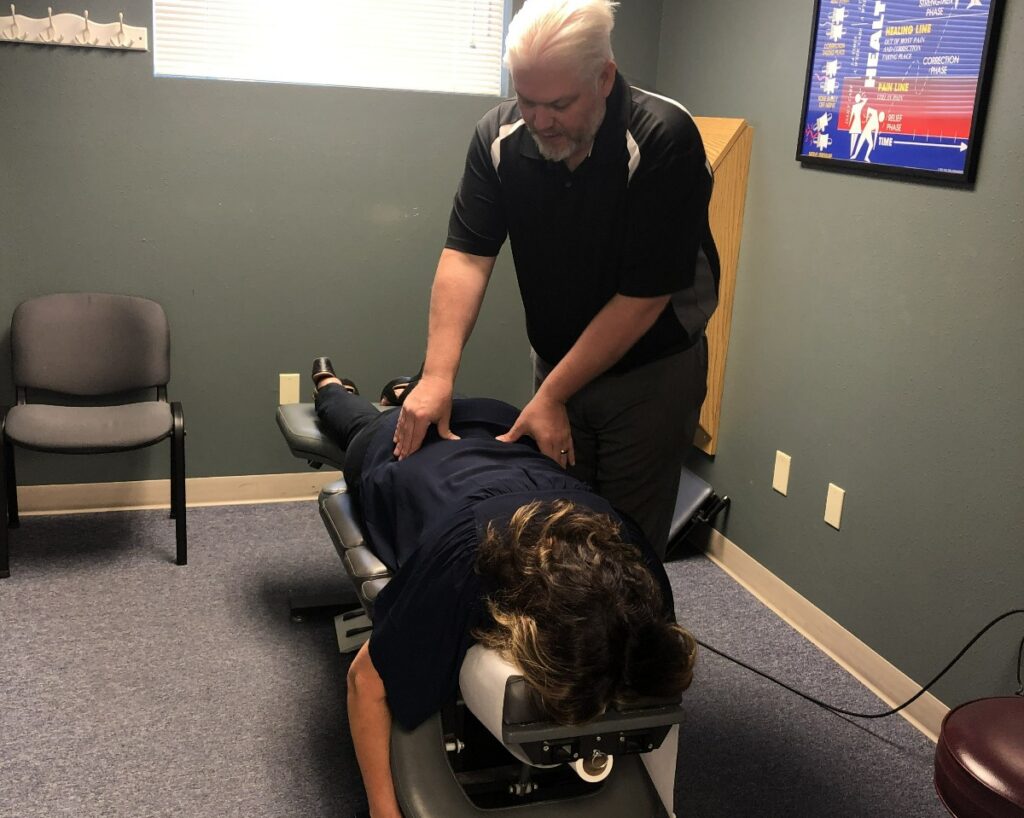
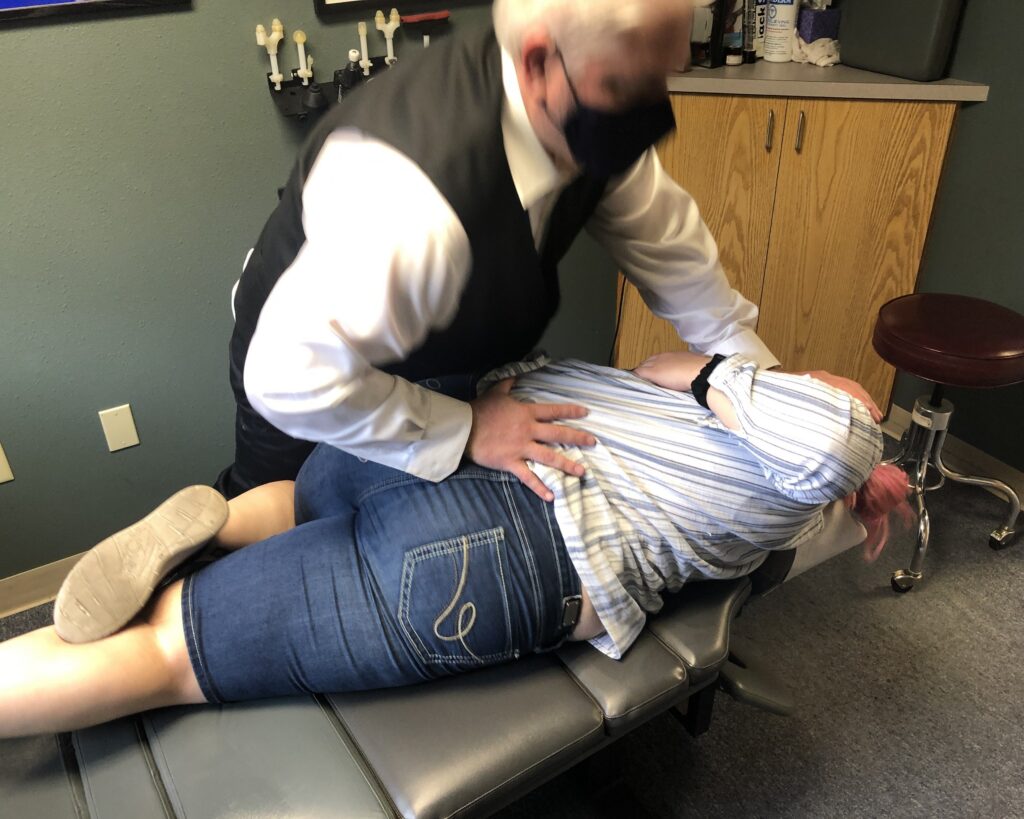
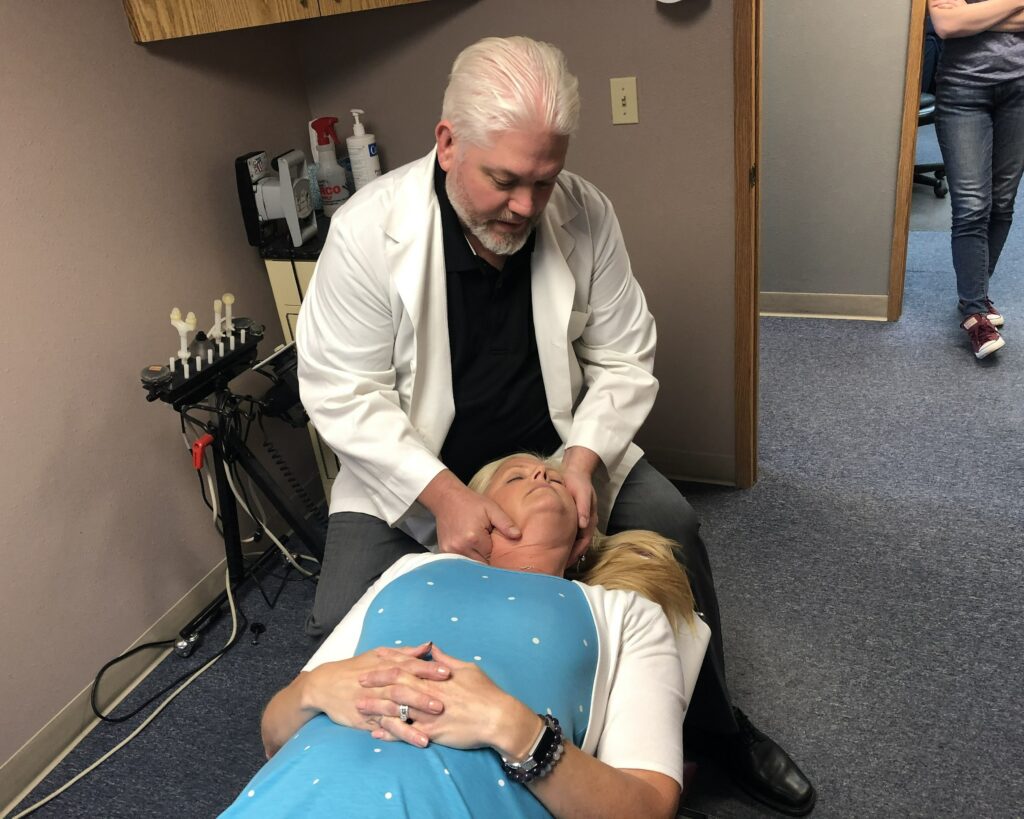
During our sessions, you may experience a variety of gentle adjustments and therapies designed to realign your spine, reduce inflammation, and improve circulation, all of which can provide significant relief.
I will also educate you on proper body mechanics, ensuring that you understand how to move safely and effectively in your daily activities. This knowledge is crucial for preventing future pain and maintaining a healthy spine.
Moreover, I’ll guide you through functional training exercises that rebuild your confidence in movement. By committing to chiropractic care, you can take charge of your lower back pain in a proactive manner, allowing you to return to the activities you enjoy without fear of pain or limitation.
Embracing natural healing methods can truly empower you on your journey to wellness.
Exercise and Stretching
As your local chiropractor, I want to emphasize the importance of not just chiropractic care, but also the role of exercise and stretching in managing lower back pain.
While chiropractic adjustments are crucial for realigning your spine and alleviating discomfort, integrating a routine of exercise and stretching can significantly enhance your recovery process.
Engaging in regular, low-impact activities such as walking, swimming, or cycling can be incredibly beneficial. These activities help to strengthen the muscles surrounding your back, improving your overall stability and flexibility.
When your back muscles are strong, they provide better support for your spine, leading to reduced pain and discomfort.
Stretching is another vital component of your recovery journey. It promotes blood circulation and helps to alleviate muscle tension.
I recommend focusing on gentle stretches that target your lower back, hips, and hamstrings. Simple movements like the cat-cow stretch or knee-to-chest can be very effective in relieving discomfort and enhancing your mobility.
Consistency is key! I encourage you to incorporate a blend of strengthening and stretching exercises into your routine at least three times a week.
Always listen to your body and avoid pushing through any pain. With commitment and effort, you’ll likely experience increased strength, improved posture, and a notable decrease in lower back pain.
Hot and Cold Therapy
As a local chiropractor dedicated to helping you find relief from lower back pain, I want to share a powerful technique that can greatly enhance your healing process: hot and cold therapy.
This method is simple yet incredibly effective in alleviating discomfort and supporting your muscle recovery. Here’s how you can make the most of it:
- Heat Therapy: Begin with a heating pad or a warm towel applied to the affected area for about 15-20 minutes. The warmth helps increase blood flow to the muscles, promoting relaxation and easing any stiffness you may be experiencing.
- Cold Therapy: Next, use an ice pack wrapped in a cloth, applying it to the area for another 15-20 minutes. This step is crucial as it helps to reduce inflammation and numbs any sharp pain, allowing your body to heal more efficiently.
- Alternating Therapies: For optimal relief, consider alternating between heat and cold. Start with the cold therapy to tackle any swelling, then follow up with heat to relax your muscles and provide soothing comfort. This combination can significantly enhance your overall well-being.
Incorporating hot and cold therapy into your routine can be a game changer for managing lower back pain.
If you have any questions or would like to learn more about how chiropractic care can assist you in your healing journey, don’t hesitate to reach out. Your health and comfort are our top priorities!
Massage Therapy
As a local chiropractor, I want to share how massage therapy can significantly enhance your lower back pain management strategy. This natural healing method involves a range of techniques that can effectively relieve muscle tension, enhance circulation, and promote overall relaxation.
For those unfamiliar with the benefits of massage, deep tissue techniques can focus directly on specific areas of pain, while Swedish massage is excellent for overall relaxation and alleviating stress. When you come in for a session, it’s important to communicate your specific pain points and any discomfort you’re experiencing. This way, the therapist can tailor their approach to better suit your individual needs.
Many patients report experiencing reduced stiffness and improved mobility after just a few sessions. Moreover, regular massage therapy can contribute to better posture, which is crucial in preventing future episodes of back pain.
Incorporating massage therapy into your wellness routine can also provide a valuable opportunity for self-care, helping you unwind from daily stressors.
If you’re interested in a holistic approach to managing your lower back pain, consider exploring the benefits of massage therapy alongside chiropractic care. Together, they can create a powerful synergy for your overall well-being.
Chiropractic Care
As a local chiropractor, I want to share how chiropractic care can be a powerful tool in managing lower back pain, especially if you’re unfamiliar with how it works. Chiropractors like myself focus on diagnosing and treating musculoskeletal issues, particularly those related to the spine.
Here are three key benefits of chiropractic treatment for lower back pain that you might find helpful:
- Improved Mobility: Through regular adjustments, we can enhance your range of motion. This means daily activities can become easier and more comfortable, allowing you to enjoy life without the limitations of pain.
- Pain Relief: Many patients experience immediate relief from pain after chiropractic sessions. This can be a critical step in helping you return to your normal routine more quickly and effectively.
- Preventative Care: By identifying and correcting misalignments in your spine and addressing muscle imbalances, chiropractic care can help minimize the chances of future flare-ups. This proactive approach is key to maintaining long-term health.
When you visit my office, I’ll conduct a thorough assessment of your condition to craft a personalized treatment plan tailored to your specific needs.
This may include spinal adjustments, therapeutic exercises, and practical lifestyle recommendations to support your healing journey.
With consistent care, many of my patients experience significant improvements in their back pain, empowering them to lead more active and fulfilling lives.
If you’re interested in exploring how chiropractic care can help you, I’m here to guide you every step of the way.
Acupuncture
If you’ve been dealing with persistent lower back pain, I’d like to introduce you to the benefits of acupuncture as a complementary treatment option.
As a chiropractor, I understand the importance of holistic approaches to health, and acupuncture is a time-honored practice from traditional Chinese medicine that may help alleviate your discomfort.
Acupuncture involves the insertion of fine needles into specific points on your body to stimulate the flow of energy, known as “Qi.” Many patients report that this technique not only helps reduce pain but also promotes relaxation and decreases inflammation, which are crucial for healing.
During an acupuncture session, you might feel just a brief pinch as the needles are placed, and many individuals leave the treatment feeling a profound sense of calm.
Research supports the efficacy of acupuncture in relieving lower back pain, especially when used alongside chiropractic care and other natural therapies.
One of the best aspects of acupuncture is that it’s a drug-free approach, which is ideal for those looking to avoid medications and their side effects.
If you’re curious about how acupuncture can fit into your treatment plan, I encourage you to consult with a qualified practitioner who can customize the experience to meet your individual needs.
Give acupuncture a chance, and you may discover the relief you’ve been seeking.
Mindfulness and Relaxation Techniques
As a local chiropractor, I want to share with you how mindfulness and relaxation techniques can play a crucial role in managing lower back pain. Many of my patients have found that incorporating these practices into their routine can significantly enhance their overall well-being.
One effective approach is deep breathing exercises. By focusing on your breath, you can calm your mind and help alleviate some of the stress that may contribute to your discomfort. I often recommend guided visualization as well; this technique allows you to imagine a healing process taking place in your body, which can be quite powerful.
Another method worth exploring is progressive muscle relaxation. This technique involves tensing and then relaxing different muscle groups, which can help release built-up tension.
Deep Breathing Exercises
As a local chiropractor, I want to share how deep breathing exercises can significantly aid in managing lower back pain. These techniques not only promote relaxation but also foster a sense of mindfulness, which is crucial in your healing journey.
By bringing your attention to your breath, you can alleviate tension and improve your overall well-being. Here are three effective deep breathing methods that I recommend:
- Diaphragmatic Breathing: Begin by inhaling deeply through your nose, allowing your belly to rise. Then, exhale slowly through your mouth. This technique engages your diaphragm, which is vital for relaxation and can help ease the discomfort in your lower back.
- 4-7-8 Breathing: Inhale for a count of 4 seconds, hold your breath for 7 seconds, and then exhale for a full 8 seconds. This practice is excellent for calming your nervous system and reducing stress, which can be beneficial for your back health.
- Box Breathing: Inhale for 4 seconds, hold your breath for another 4 seconds, exhale for 4 seconds, and then hold again for 4 seconds. This method creates a rhythmic pattern that helps to center both your mind and body, aiding in the relief of pain.
Incorporating these deep breathing exercises into your daily routine can complement the chiropractic care you receive and make a meaningful difference in managing your lower back pain.
Guided Visualization Practices
As a chiropractor, I want to share with you some effective techniques for managing lower back pain that go beyond traditional adjustments.
One powerful method is guided visualization, which, when combined with deep breathing, can significantly help in alleviating discomfort.
Imagine being able to mentally transport yourself to a serene environment, allowing your mind to distract from the pain and promote relaxation.
I encourage you to find a quiet space, close your eyes, and take a few deep breaths to start. Picture yourself in a calming setting, such as a pristine beach or a tranquil forest.
Visualize the warmth of the sun on your skin or the gentle rustle of leaves in the breeze. Let these soothing images envelop you.
As you immerse yourself in this peaceful scenario, focus specifically on releasing any tension in your lower back.
This mental exercise can empower you to take control of your pain and contribute to your overall well-being.
Regularly practicing guided visualization can be a valuable addition to your journey toward pain management and healing.
I’m here to support you in exploring these natural healing techniques as part of your chiropractic care.
Progressive Muscle Relaxation
As a local chiropractor, I want to introduce you to a valuable technique called Progressive Muscle Relaxation (PMR), which can be a great complement to chiropractic care for alleviating tension and reducing lower back pain.
By learning to systematically tense and relax different muscle groups, you can enhance your body awareness and promote a state of relaxation that supports your overall health.
Here’s how you can begin this beneficial practice:
- Create a Calm Environment: Start by finding a comfortable and quiet space where you can fully concentrate on your body without distractions.
- Practice Deep Breathing: Take a deep breath in through your nose, filling your lungs completely, and then exhale slowly through your mouth. This breathing technique helps prepare your body to relax.
- Tense and Release: Begin with your toes. Tense the muscles for about five seconds, then release the tension completely. Gradually work your way up through your body, paying attention to each muscle group as you go.
Incorporating PMR into your daily routine can significantly enhance the benefits of your chiropractic treatments and provide you with effective relief from lower back pain.
Embracing natural healing practices like this can lead to a healthier, more relaxed you.
Ergonomic Adjustments
As a local chiropractor dedicated to your health, I want to share some important insights on managing lower back pain through ergonomic adjustments in your workspace.
It’s crucial to create an environment that supports your body’s natural alignment. Start by optimizing your desk setup—ensure your computer screen is at eye level and your chair is adjustable to fit your height.
Selecting the right chair is key; it should provide adequate lumbar support to maintain proper posture throughout the day.
These simple changes can greatly improve your comfort and contribute to your overall well-being.
Desk Setup Optimization
As a local chiropractor, I often see patients who are unaware of how their workspace can contribute to lower back pain.
By optimizing your desk setup, you can significantly reduce discomfort and promote better spinal health. Here are three essential adjustments I recommend:
- Monitor Height: It’s crucial to position your monitor at eye level. This helps prevent neck strain, which often compounds lower back issues. Ideally, the top of the screen should be at or just below your eye level to maintain a neutral neck position.
- Keyboard and Mouse Placement: The placement of your keyboard and mouse is vital for maintaining proper posture. Ensure they’re close enough that your elbows remain relaxed at a 90-degree angle. Your wrists should stay straight and relaxed to prevent strain that can radiate to your back.
- Foot Position: Make sure your feet are flat on the floor or supported by a footrest. This simple adjustment can help maintain proper alignment of your spine and reduce overall strain on your lower back.
By making these changes, you can create a more ergonomic workspace that supports your body and promotes healing.
Proper Chair Selection
As a local chiropractor, I want to emphasize the importance of choosing the right chair for your desk, especially if you spend long hours working. The right chair is crucial for your comfort and can play a significant role in preventing lower back pain.
I recommend looking for an ergonomic chair that aligns with the natural curve of your spine. Key features to consider include adjustable seat height, backrest angle, and armrests, as these allow you to customize the chair to fit your body.
When you sit down, ensure your feet rest flat on the floor and your knees are at or slightly below hip level. This positioning helps reduce strain on your back.
A good backrest is essential; it should provide support to your lower back, which helps maintain proper alignment and minimizes discomfort. Chairs with built-in lumbar support are particularly beneficial for keeping your spine aligned throughout the day.
I encourage you to test out various chairs to find one that feels comfortable for your unique body shape. Remember, investing in a quality chair isn’t just about comfort—it’s an investment in your overall health.
The right chair can significantly enhance your workday, making it more productive and pain-free. Taking these steps can lead to better spinal health and overall well-being.
Medications and Pain Relievers
When it comes to managing lower back pain, it’s important to understand that there are various approaches you can take, and medication isn’t always the only solution. As a local chiropractor, I want to share some insights about your options for relief that can enhance your quality of life without solely relying on pharmaceuticals.
- Over-the-Counter Pain Relievers: Many people turn to nonsteroidal anti-inflammatory drugs (NSAIDs), such as ibuprofen or naproxen, to help with pain and inflammation. While these can provide temporary relief, they don’t address the underlying issues that may be contributing to your discomfort.
- Prescription Medications: In cases where over-the-counter options fall short, doctors may prescribe stronger medications like muscle relaxants or opioids. However, these are typically intended for short-term use and can come with side effects. It’s essential to consider the long-term implications of relying on these medications.
- Topical Treatments: Creams and patches with ingredients like menthol or capsaicin can offer localized relief and are often easier on the body compared to oral medications. They can be a great option for those seeking alternatives to pills.
As your chiropractor, I encourage you to explore natural healing methods, such as spinal adjustments, exercise, and lifestyle modifications, which can help address the root cause of your pain.
Always consult with a healthcare provider before starting any medication regimen. Together, we can find the best approach that balances effectiveness with potential side effects, ensuring that you can manage your lower back pain effectively and holistically.
Lifestyle Modifications
As a local chiropractor, I want to share with you some simple yet effective lifestyle modifications that can significantly enhance your lower back pain management. One of the first steps is to incorporate regular low-impact exercises into your daily routine. Activities like walking or swimming are excellent choices. They not only strengthen your core muscles but also improve your flexibility, which can help alleviate discomfort in your lower back.
It’s also crucial to pay attention to your posture throughout the day. Whether you’re sitting at a desk or lifting heavy objects, maintaining a straight back and using your legs for lifting can prevent unnecessary strain on your spine.
Another important factor is your weight. Keeping a healthy weight can help reduce the pressure on your spine and lower back, minimizing pain. Focus on making nutritious food choices, particularly anti-inflammatory options such as fruits, vegetables, and whole grains.
Don’t underestimate the impact of quality sleep on your back health. Investing in a supportive mattress and practicing good sleep hygiene can make a significant difference in how you feel.
Lastly, managing stress is vital, as stress can contribute to muscle tension and pain. Techniques such as yoga or meditation can be very beneficial in reducing stress levels.
By making these lifestyle changes, you can create a healthier environment for your body, ultimately supporting your lower back and enhancing your overall well-being.
If you have any questions or need guidance, I’m here to help you on your journey to natural healing.
Conclusion
As a local chiropractor, I want to share with you some effective techniques for managing lower back pain that can significantly enhance your daily life. Chiropractic care plays a vital role in this journey, alongside regular exercise and mindfulness practices. Each of these methods brings its own set of benefits that can help alleviate discomfort and promote healing.
It’s also essential to consider ergonomic adjustments in your workplace and home environment, as well as making certain lifestyle changes that support your overall health. Finding the right combination of these strategies is key to your success in managing pain.
I encourage you to consult with professionals—like myself—to create a personalized plan tailored to your specific needs. Together, we can work towards achieving a healthier, pain-free back and improving your quality of life. Your journey to wellness starts here!