
If you're struggling with back pain, you might find that a one-size-fits-all solution isn't cutting it. Instead, consider how a custom approach could specifically address your unique needs and the underlying causes of your discomfort. By evaluating your daily habits, medical history, and even emotional factors, you could reveal a more effective path to relief. But what exactly does this personalized strategy involve, and how can it lead to long-lasting improvements? The answers might surprise you.
Understanding Back Pain Causes
Back pain can stem from a variety of causes, and understanding them is fundamental for effective treatment. You might be surprised to learn that your daily habits, posture, and even your emotional state can contribute markedly to your discomfort.
For instance, sitting for long periods at a desk without proper support can lead to muscle strain and tension. You may find that slouching or using inadequate ergonomic furniture exacerbates your pain.
In addition to lifestyle factors, injuries play an essential role in back pain. Whether it's a sports-related injury or a slip and fall, trauma can result in strains, sprains, or even herniated discs.
You should also be aware of how age affects your back. As you get older, the spine undergoes natural wear and tear, which can lead to conditions like osteoarthritis.
Moreover, some underlying health conditions might be the culprits behind your back pain. Kidney stones, infections, or even certain cancers can manifest as back pain. It's important to reflect on these possibilities and consult a healthcare provider for a thorough evaluation.
Lastly, emotional stress often contributes to muscle tension, leading to discomfort. You might find that your back pain worsens during stressful periods.
Benefits of Personalization
Personalization in treatment plans offers numerous benefits, particularly for those dealing with back pain. When you tailor your approach to your specific needs, you're more likely to see meaningful improvements.
Here are some key benefits of personalization in managing your back pain:
- Targeted Solutions: Personalized plans allow you to focus on the exact areas of discomfort, addressing the root causes rather than just the symptoms.
- Increased Engagement: When a treatment plan resonates with you, you're more likely to stick with it. Custom approaches keep you motivated and committed to the process.
- Enhanced Effectiveness: Personalized strategies often yield quicker results, as they're designed specifically for your unique situation and can adapt over time based on your progress.
- Holistic Consideration: Personalization takes into account your lifestyle, preferences, and overall health, ensuring that the treatment fits seamlessly into your life and works with your body.
- Reduced Risk of Adverse Effects: By focusing on what works for you, personalized plans can minimize potential side effects from generic treatments that may not be suitable.
Assessing Your Unique Needs
When it comes to managing back pain, understanding your unique needs is important for developing an effective treatment plan. Each person's experience with back pain is different, influenced by factors like your lifestyle, medical history, and specific symptoms.
Start by reflecting on your daily activities and how they might contribute to your discomfort. Do you sit for long periods, engage in high-impact sports, or lift heavy objects? Identifying these patterns helps pinpoint potential causes of your pain.
Next, consider any previous injuries or conditions that might affect your back. Have you'd surgery, or do you suffer from conditions like arthritis or scoliosis? Your medical history plays a significant role in understanding your pain's origins and guiding your treatment.
It's also important to evaluate your pain levels and how they fluctuate throughout the day. Keeping a pain journal can help track when your discomfort is at its worst and what activities exacerbate it.
Lastly, don't overlook your emotional and mental well-being. Stress and anxiety can amplify physical pain, making it essential to assess your emotional state as part of your overall health.
Customized Treatment Options
Several customized treatment options can help manage your back pain effectively. By tailoring these approaches to your specific needs, you can find relief and improve your quality of life.
Here's a breakdown of some effective options to reflect upon:
- Physical Therapy: A physical therapist can design a personalized exercise program that strengthens your back and improves flexibility.
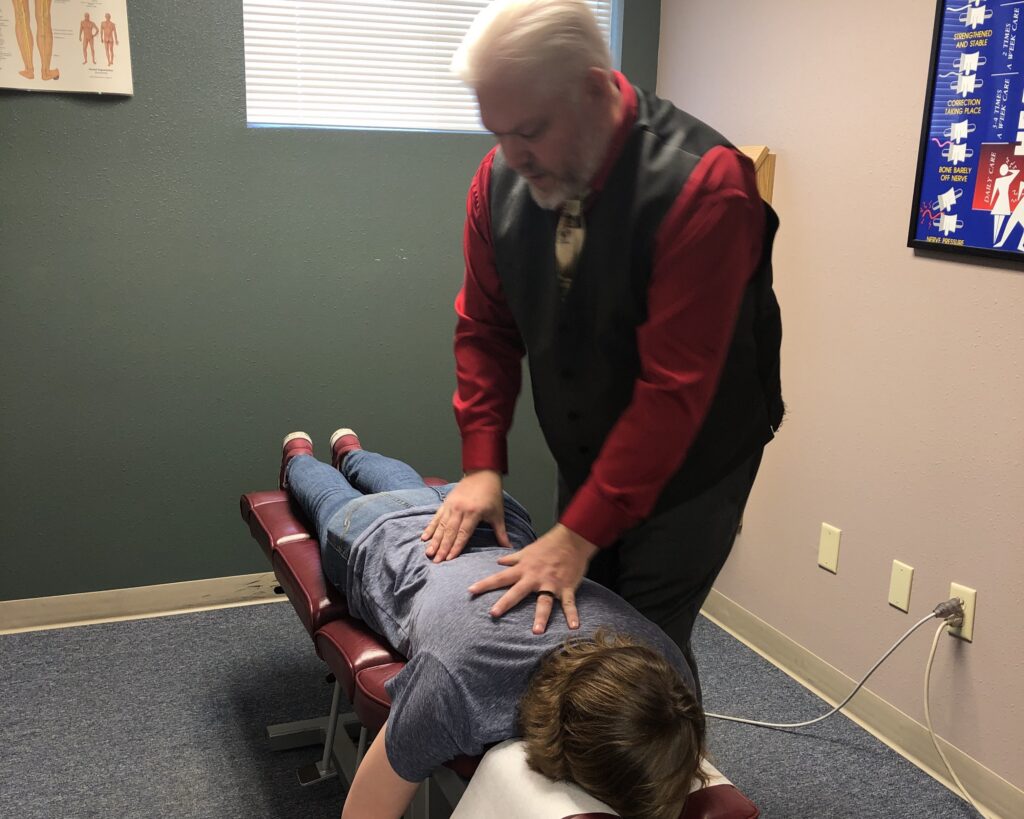
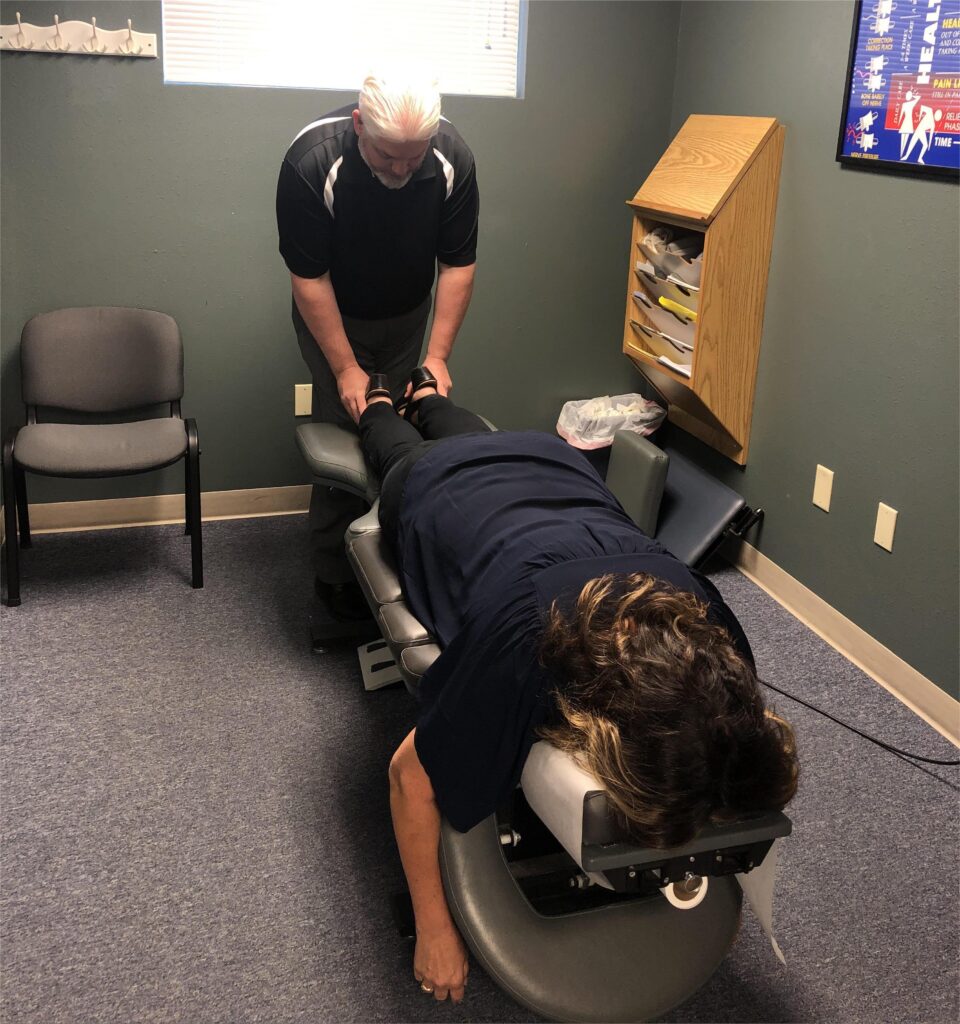
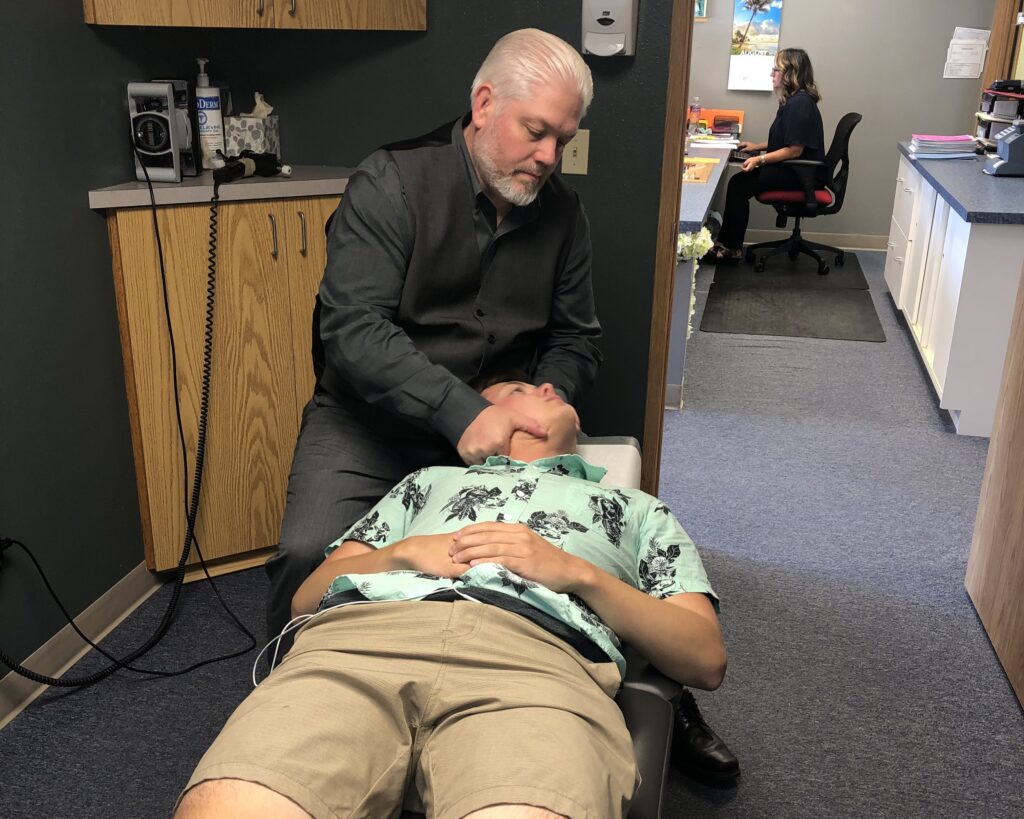
- Chiropractic Care: Regular adjustments may help realign your spine, reducing pain and improving function.
- Massage Therapy: Targeted massage can alleviate muscle tension and promote relaxation, which can be essential in managing chronic pain.
- Acupuncture: This alternative therapy stimulates specific points in your body, potentially reducing pain and enhancing your overall well-being.
- Customized Pain Management Plans: Work with your healthcare provider to create a plan that includes medications, techniques, and therapies tailored to your unique pain experience.
Each of these options can be adjusted based on your individual condition and preferences.
It's important to consult with healthcare professionals who can guide you through the process, ensuring that you're making informed decisions about your treatment.
Remember, what works for one person mightn't work for another, so don't hesitate to explore different methods.
Long-Term Lifestyle Changes
To effectively manage back pain over the long term, adopting lifestyle changes can be just as important as seeking immediate treatment. You mightn't realize it, but your daily habits play a significant role in your back health.
Start by incorporating regular exercise into your routine. Low-impact activities like walking, swimming, or yoga can strengthen your back muscles and improve flexibility. Aim for at least 30 minutes a day, several times a week.
Next, pay attention to your posture. Whether you're sitting at a desk or lifting heavy objects, maintaining proper alignment can prevent strain on your back. Invest in ergonomic furniture and take breaks to stretch. You'll be surprised at how small adjustments can make a big difference.
Nutrition also plays a key role. A balanced diet rich in anti-inflammatory foods can help manage pain. Incorporate fruits, vegetables, whole grains, and lean proteins. Staying hydrated is essential too, as dehydration can lead to muscle cramps and stiffness.
Lastly, prioritize sleep. A good night's rest allows your body to heal and recover. Choose a supportive mattress and find a sleeping position that keeps your spine aligned.
Conclusion
Incorporating a custom approach to your back pain can truly make a difference. By understanding your unique needs and addressing the specific causes of your discomfort, you're setting the stage for effective treatment. With personalized therapies and lifestyle changes, you can not only find relief but also empower yourself to maintain better back health in the long run. Don't settle for a one-size-fits-all solution; embrace a tailored strategy for a happier, healthier back.