
If you're dealing with persistent back pain, exploring effective non-invasive solutions can be a game-changer. Techniques like physical therapy, chiropractic adjustments, and acupuncture offer promising alternatives to medication or surgery. Each method has its own merits, targeting the underlying causes of your discomfort and promoting healing. However, the question remains: which approach is best suited for your unique situation? Understanding how these strategies work together might be key to revealing lasting relief.
Understanding Back Pain
Back pain affects nearly 80% of adults at some point in their lives, making it one of the most common health issues. You might experience it as a dull ache, sharp pain, or even a throbbing sensation. Understanding the various types of back pain can help you identify what's affecting you and how to manage it effectively.
Acute back pain appears suddenly and often results from an injury, lifting something heavy, or even a sudden movement. It usually lasts for a few days to weeks and may improve with rest and self-care.
Chronic back pain, on the other hand, persists for three months or longer and can stem from underlying conditions like arthritis or disc issues.
You might also notice that your pain varies in intensity throughout the day. Factors such as your posture, physical activity, and stress levels can greatly impact your discomfort. For example, sitting for long periods might aggravate your pain, while regular movement and stretching could provide some relief.
Additionally, emotional stress can contribute to muscle tension, which might exacerbate your back pain. It's important to pay attention to these connections, as addressing emotional well-being can sometimes reduce physical discomfort.
Physical Therapy Techniques
When managing back pain, physical therapy techniques can play a vital role.
You'll find that stretching and strengthening exercises, along with manual therapy techniques, are essential for improving your mobility and reducing discomfort.
Let's explore how these methods can help you regain control over your back health.
Stretching and Strengthening Exercises
Incorporating stretching and strengthening exercises into your routine can greatly alleviate back pain and improve overall mobility. By targeting the muscles that support your spine, you can enhance flexibility and build strength, which may help prevent future injuries.
Here are some effective exercises to evaluate:
- Cat-Cow Stretch: This dynamic stretch promotes spinal flexibility and reduces tension in your back.
- Bridges: Strengthening your glutes and lower back, bridges can improve stability and support your spine.
- Child's Pose: A gentle stretch that relaxes your back and helps relieve tension.
- Planks: Core stability is essential for back health, and planks strengthen your entire midsection.
Consistently practicing these exercises can lead to significant improvements over time. Start with a few repetitions and gradually increase the intensity as you feel more comfortable.
Always listen to your body and consult a healthcare professional if you're unsure about any movements. With dedication and the right approach, you'll likely find relief from back pain and enjoy a more active lifestyle.
Manual Therapy Techniques
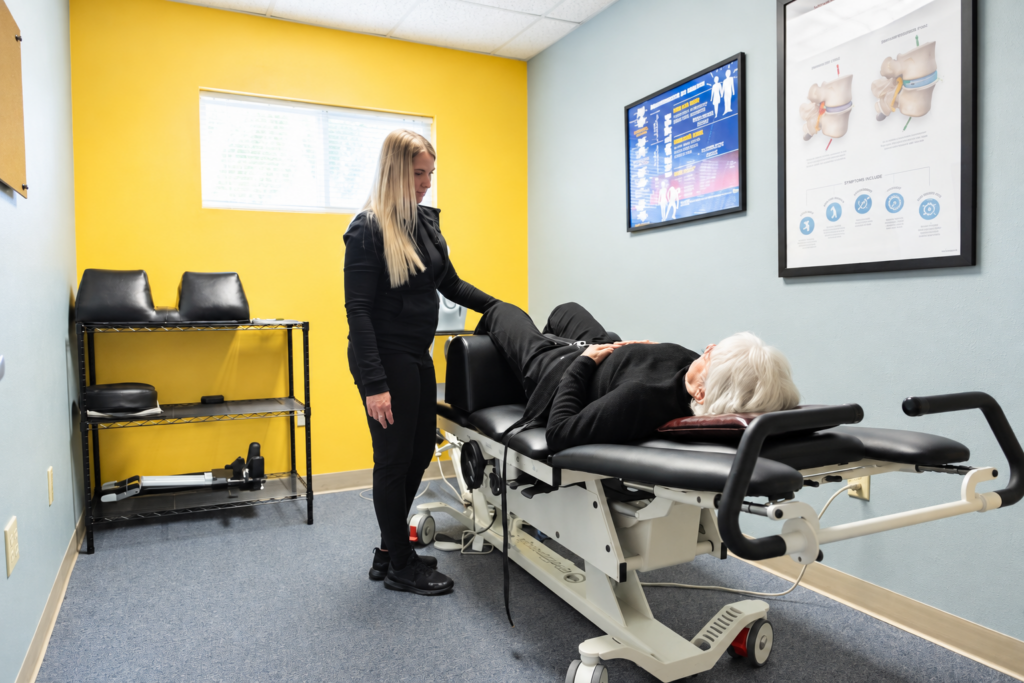
After establishing a solid foundation with stretching and strengthening exercises, you may want to explore manual therapy techniques to further relieve back pain.
These hands-on methods can help ease muscle tension, improve mobility, and promote relaxation.
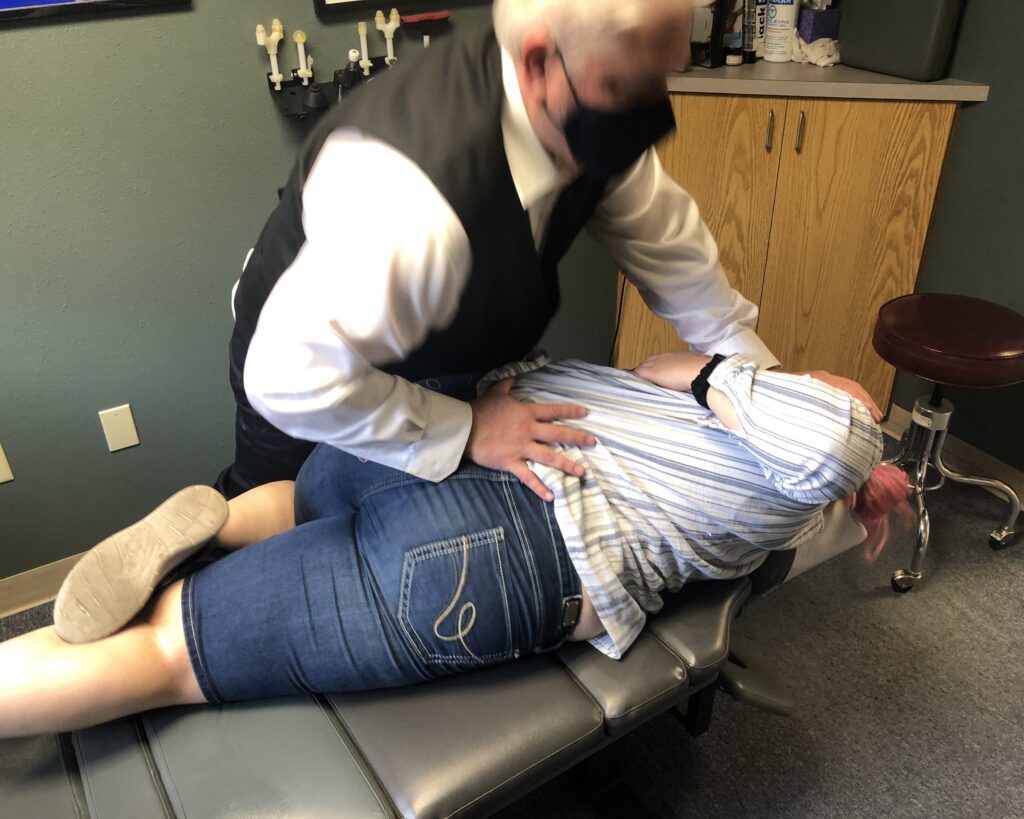
One popular technique is spinal manipulation, where a trained professional applies controlled force to the spine. This can help realign vertebrae and reduce pain.
Another effective approach is soft tissue mobilization, which involves kneading and stretching tight muscles to release tension and improve blood flow.
You might also consider myofascial release, targeting the fascia surrounding muscles. Gentle pressure can help eliminate restrictions and enhance movement.
Additionally, trigger point therapy focuses on specific tight areas, alleviating pain by applying direct pressure to knots in the muscles.
If you're unsure which technique suits you best, consult a physical therapist who can tailor a program to your needs.
Chiropractic Adjustments
Chiropractic adjustments can provide significant relief for back pain by realigning the spine and improving overall function. When your spine is misaligned, it can lead to tension, discomfort, and limited movement. Regular adjustments help restore balance, allowing your body to function at its best.
During a chiropractic session, you'll typically undergo a thorough evaluation to identify the areas needing attention. The chiropractor will use targeted techniques to adjust your spine and joints, helping to alleviate pain and improve mobility. Many people report feeling immediate relief after these adjustments, and over time, you may notice a significant reduction in chronic pain.
Here are some benefits you can expect from chiropractic adjustments:
- Pain Relief: Experience a reduction in back pain and related discomfort.
- Improved Mobility: Enjoy greater flexibility and range of motion in your back and joints.
- Enhanced Posture: Benefit from better alignment, which can lead to improved posture.
- Overall Wellness: Feel a boost in your overall health, as your body functions more efficiently.
Incorporating chiropractic adjustments into your routine can lead to long-lasting relief. It's important to work with a qualified chiropractor who understands your specific needs and can tailor a treatment plan just for you.
With consistent care, you can achieve a more comfortable, active lifestyle, free from the limitations of back pain.
Acupuncture Benefits
Exploring acupuncture as a remedy for back pain can open new avenues for relief. This ancient practice involves inserting fine needles into specific points on your body, promoting healing and pain relief. Many people who've tried acupuncture report significant improvements in their back pain, often after just a few sessions.
One of the primary benefits of acupuncture is its ability to stimulate your body's natural painkillers, like endorphins. When these chemicals are released, you may experience a reduction in pain and an overall sense of well-being.
Additionally, acupuncture can help improve blood circulation in the affected areas, which aids in healing and decreases inflammation.
You might also find that acupuncture helps to alleviate muscle tension. Tight muscles can contribute to back pain, and by targeting these areas, acupuncture can relax the muscles and alleviate discomfort. This can lead to better mobility and a return to your daily activities without the nagging pain.
It's worth noting that acupuncture is generally considered safe when performed by a certified practitioner. Side effects are rare, but you might experience minor bruising or soreness at the needle sites.
Most importantly, acupuncture is non-invasive, making it an appealing option compared to more aggressive treatments.
Incorporating acupuncture into your pain management plan could be a game-changer. Whether you're dealing with chronic pain or a recent injury, this holistic approach could help restore balance and improve your quality of life.
Mindfulness and Relaxation
In addition to acupuncture, mindfulness and relaxation techniques can play a significant role in managing back pain. By incorporating these practices into your routine, you can reduce stress and tension, which often contribute to discomfort.
Mindfulness encourages you to focus on the present moment, allowing you to become more aware of your body and its sensations. This heightened awareness can help you identify triggers for your back pain and enable you to respond more effectively.
Here are some mindfulness and relaxation techniques you might consider:
- Deep Breathing: Take slow, deep breaths to calm your mind and relax your muscles. This can alleviate tension in your back.
- Meditation: Set aside a few minutes each day to meditate. This practice can help you clear your mind and reduce stress, ultimately leading to less pain.
- Progressive Muscle Relaxation: Gradually tense and then relax different muscle groups in your body. This helps to release built-up tension in your back.
- Gentle Yoga: Engage in gentle yoga stretches designed to improve flexibility and reduce tightness in your back muscles while promoting relaxation.
Lifestyle Modifications
While you mightn't realize it, small lifestyle modifications can have a significant impact on managing back pain. Simple changes in your daily routine can enhance your overall well-being and help you find relief.
Start by focusing on your posture. Whether you're sitting at your desk or standing in line, maintaining a neutral spine can reduce strain on your back. Consider investing in an ergonomic chair or using a lumbar support cushion to promote proper alignment.
Incorporating regular physical activity is vital. Aim for exercises that strengthen your core, as a strong core supports your spine. Activities like swimming, cycling, and yoga can improve flexibility and reduce tension.
Don't forget to take breaks throughout the day to stretch and move around, especially if you have a sedentary job.
Watch your weight, too. Extra pounds put additional pressure on your spine, leading to discomfort. A balanced diet rich in whole foods can help you maintain a healthy weight. Stay hydrated; water is essential for spinal disc health.
Finally, prioritize sleep quality. Your mattress and pillow should support your neck and back properly. If you sleep on your side, placing a pillow between your knees can help align your spine.
Conclusion
Incorporating these effective non-invasive solutions can greatly alleviate your back pain. By engaging in physical therapy, seeking chiropractic adjustments, and exploring acupuncture, you'll enhance your overall well-being. Don't forget the power of mindfulness and lifestyle modifications, which can support your journey to a pain-free life. Remember, taking proactive steps today can lead to lasting relief tomorrow. Prioritize your spinal health, and you'll find a balance that fosters both comfort and energy.