
When you're facing chronic back pain, the search for relief can feel overwhelming, especially with so many options available. Non-invasive solutions like physical therapy and acupuncture may offer a different path, steering you away from medications and their side effects. By actively engaging with these methods, you might find not only pain relief but also a deeper understanding of your body's needs. But how do these approaches stack up against traditional treatments, and what factors should you consider when making your choice? Let's explore this vital dilemma further.
Understanding Chronic Back Pain
Many people struggle with chronic back pain, often leading to frustration and a diminished quality of life. Understanding the nature of this pain is the first step toward finding relief. Chronic back pain isn't just a fleeting discomfort; it's a persistent issue that can arise from various factors, including injury, poor posture, or underlying medical conditions.
You might feel it as a dull ache, sharp stabbing sensation, or even a radiating pain that travels down your legs. To grasp your pain better, consider its duration. If it lasts longer than three months, it's classified as chronic. You'll likely experience it daily, which can affect your mood and energy levels. It can also hinder your ability to perform routine activities, leaving you feeling helpless.
Moreover, you should recognize that chronic back pain can stem from both physical and psychological sources. Stress, anxiety, and depression often exacerbate your symptoms. In some cases, your body's response to pain can create a cycle where the fear of pain leads to inactivity, further worsening your condition.
Identifying the specific characteristics and triggers of your back pain is vital. Keeping a pain diary could help you track patterns and understand what exacerbates or alleviates your discomfort. By actively engaging in this self-reflection, you'll be better equipped to communicate with healthcare professionals, paving the way for a tailored approach to managing your chronic back pain effectively.
Overview of Non-Invasive Solutions
Finding relief from chronic back pain can often feel overwhelming, but numerous non-invasive solutions are available to help you regain control. These options focus on improving your overall well-being without the need for surgery or invasive procedures.
You can explore physical therapy, a tailored approach that strengthens your muscles, enhances flexibility, and teaches you proper body mechanics. Working with a skilled therapist can provide personalized exercises to address your specific pain points.
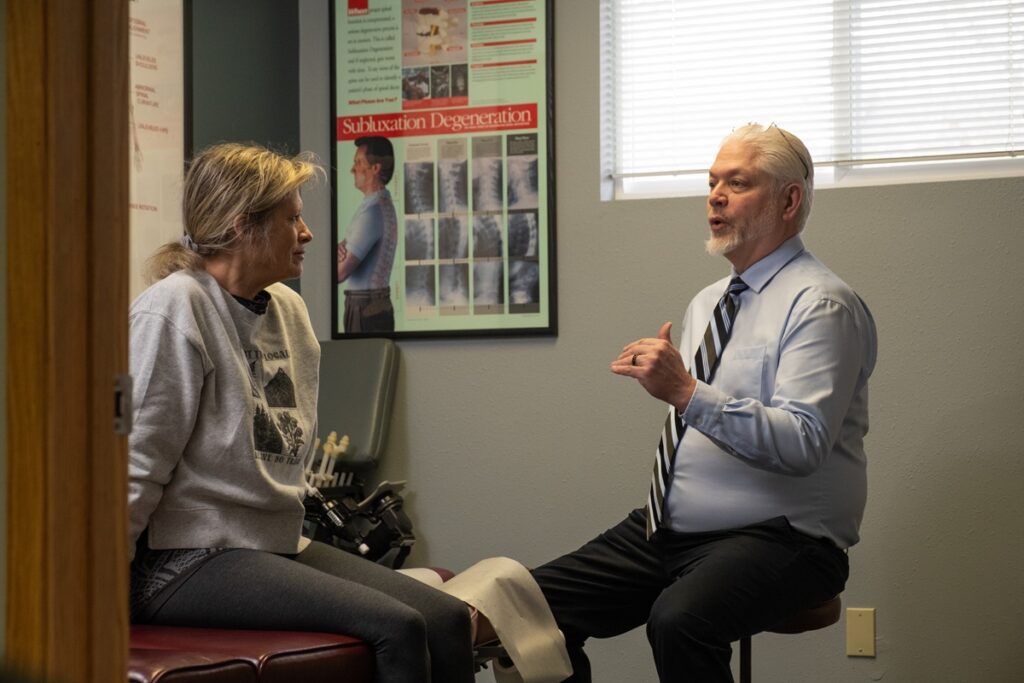
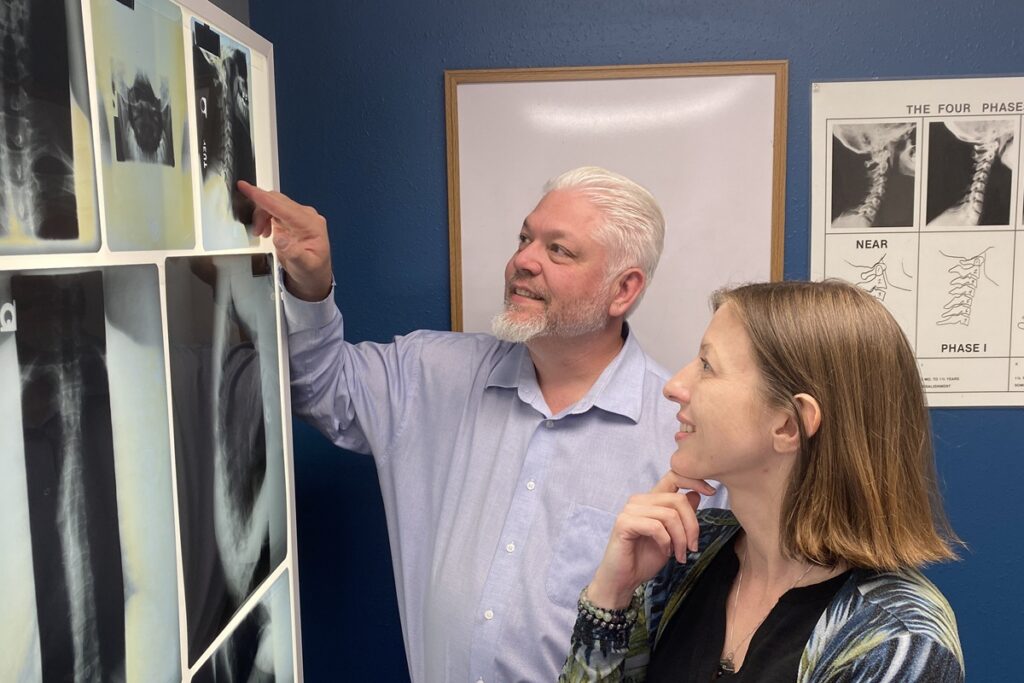
Another effective solution is chiropractic care. Chiropractors use manual manipulation techniques to align your spine, which may alleviate pressure on nerves and reduce discomfort. Many people find regular adjustments beneficial for maintaining spinal health and preventing future pain.
You might also consider acupuncture, an ancient practice that involves inserting thin needles into specific points on your body. Research suggests acupuncture can help release endorphins and improve blood flow, contributing to pain relief.
Incorporating mindfulness and relaxation techniques can also be powerful. Practices like yoga or meditation can teach you how to manage stress, which often exacerbates chronic pain.
Finally, exploring lifestyle changes, such as maintaining a healthy weight, staying active, and ensuring proper posture, can greatly impact your back pain.
Traditional Treatment Methods
When chronic back pain persists despite non-invasive solutions, traditional treatment methods may offer relief. You might find that these approaches target the underlying issues more directly, helping to alleviate your discomfort. Common methods include physical therapy, chiropractic care, and medication.
Physical therapy involves a tailored exercise program designed to strengthen your back and improve flexibility. Your therapist will guide you through specific movements aimed at reducing pain and enhancing mobility.
You'll likely notice that consistency is key; adhering to the regimen can lead to significant improvements over time.
Chiropractic care focuses on spinal manipulation to correct misalignments. By visiting a chiropractor, you may experience immediate relief from pain and improved function.
Regular adjustments can help maintain spinal health and prevent future issues.
Medications, including over-the-counter pain relievers and anti-inflammatory drugs, can provide quick relief from chronic back pain. In some cases, your doctor might prescribe stronger medications or muscle relaxants.
While medication can be effective, it's important to use it judiciously, as long-term reliance can lead to side effects.
Injections, such as corticosteroids, can also be an option if pain persists. These injections target inflamed areas, offering temporary relief that can last for weeks or even months.
Ultimately, traditional treatment methods can complement non-invasive solutions. By exploring these options, you'll gain a better understanding of what works best for your specific situation, paving the way for improved back health and a more active lifestyle.
Effectiveness of Non-Invasive Approaches
Non-invasive approaches can play a significant role in managing chronic back pain, often serving as the first line of defense before considering more invasive treatments. These methods include physical therapy, chiropractic care, acupuncture, and mindfulness practices, each offering unique benefits that can help alleviate pain and improve your quality of life.
When you engage in physical therapy, a trained professional tailors exercises specifically for your needs, focusing on strengthening your back and improving flexibility. This can lead to better posture and reduced strain on your spine.
Chiropractic adjustments can also realign your vertebrae, potentially relieving pressure on nerves and reducing pain.
Acupuncture, an ancient practice, involves inserting thin needles into specific points on your body. Many find this method effective for reducing pain and promoting relaxation, making it a viable option for those seeking relief without medications.
Mindfulness practices, such as yoga or meditation, not only address physical symptoms but also help you manage the emotional aspects of chronic pain, fostering a holistic approach to treatment.
You may find these non-invasive methods effective individually or in combination. The beauty of non-invasive approaches lies in their ability to empower you to take control of your pain management journey.
Making Informed Treatment Choices
Making informed treatment choices is vital for effectively managing chronic back pain. You're faced with numerous options, from physical therapy to alternative therapies like acupuncture. Understanding how each method works, its benefits, and potential side effects will empower you to decide what's best for your situation.
Start by evaluating your specific condition. Is your pain due to an injury, degenerative disease, or perhaps stress-related? This understanding will guide you toward the most suitable treatments.
Consider consulting healthcare professionals who specialize in back pain. They can provide insights tailored to your needs and help you weigh the pros and cons of each option.
Research is also key. Look into studies and patient reviews regarding the effectiveness of non-invasive solutions. You might find that certain treatments have worked well for others with similar conditions.
Don't hesitate to ask questions and seek second opinions if necessary. Your comfort and confidence in your chosen treatment plan are vital.
Moreover, be open to combining different therapies. Sometimes, a holistic approach that includes physical therapy, mindfulness practices, and lifestyle changes can offer the best results.
Make sure to monitor your progress and communicate with your healthcare provider about any changes in your symptoms.
In the end, making informed treatment choices means taking ownership of your health. By actively participating in your treatment journey, you can find relief and improve your quality of life, ultimately empowering you to manage chronic back pain effectively.
Conclusion
To summarize, tackling chronic back pain doesn't always mean turning to medication or invasive procedures. By exploring non-invasive solutions like physical therapy, chiropractic care, and mindfulness practices, you can find relief while addressing the root causes of your discomfort. These approaches empower you to take control of your pain management and improve your overall quality of life. So, consider these options, and make informed choices that work best for you and your unique situation.