
If you're dealing with chronic back pain, you know how it can affect your daily life. Exploring effective non-invasive solutions might seem overwhelming, but understanding the options available can empower you. From tailored physical therapy to innovative mindfulness techniques, there are ways to manage your pain without resorting to invasive procedures. As you consider these strategies, you may wonder which combination could work best for you and how lifestyle changes can play a significant role in your recovery. What if you discovered a method that truly transformed your approach to pain management?
Understanding Chronic Back Pain
When you experience chronic back pain, it can feel overwhelming and frustrating, especially if it lingers for months or years. Understanding the nature of this pain is vital to finding effective relief. Chronic back pain is typically defined as pain that lasts longer than three months. Unlike acute pain, which often has a clear cause, chronic pain may not always have an identifiable source, making it difficult to diagnose and treat.
You might find that the pain varies in intensity, sometimes feeling like a dull ache and other times sharp or stabbing. Factors such as stress, posture, and lifestyle choices can exacerbate your discomfort.
Furthermore, emotional well-being plays a significant role in how you perceive and cope with pain. Anxiety and depression can amplify your experience of pain, creating a cycle that's hard to break.
It's also essential to recognize that your back is a complex structure. Your spine, muscles, ligaments, and nerves all work together, and an issue in one area can affect others. Conditions like herniated discs, arthritis, or spinal stenosis can contribute to chronic pain, but sometimes, the cause remains elusive.
Understanding your pain involves not just recognizing its symptoms but also considering your overall health, daily habits, and even your emotional state. By taking a holistic approach, you can begin to unravel the complexities of chronic back pain and work toward effective solutions tailored to your unique situation.
Physical Therapy Techniques
When dealing with chronic back pain, physical therapy techniques can be a game changer for your recovery.
Manual therapy approaches and exercise rehabilitation programs focus on relieving pain and improving mobility.
Manual Therapy Approaches
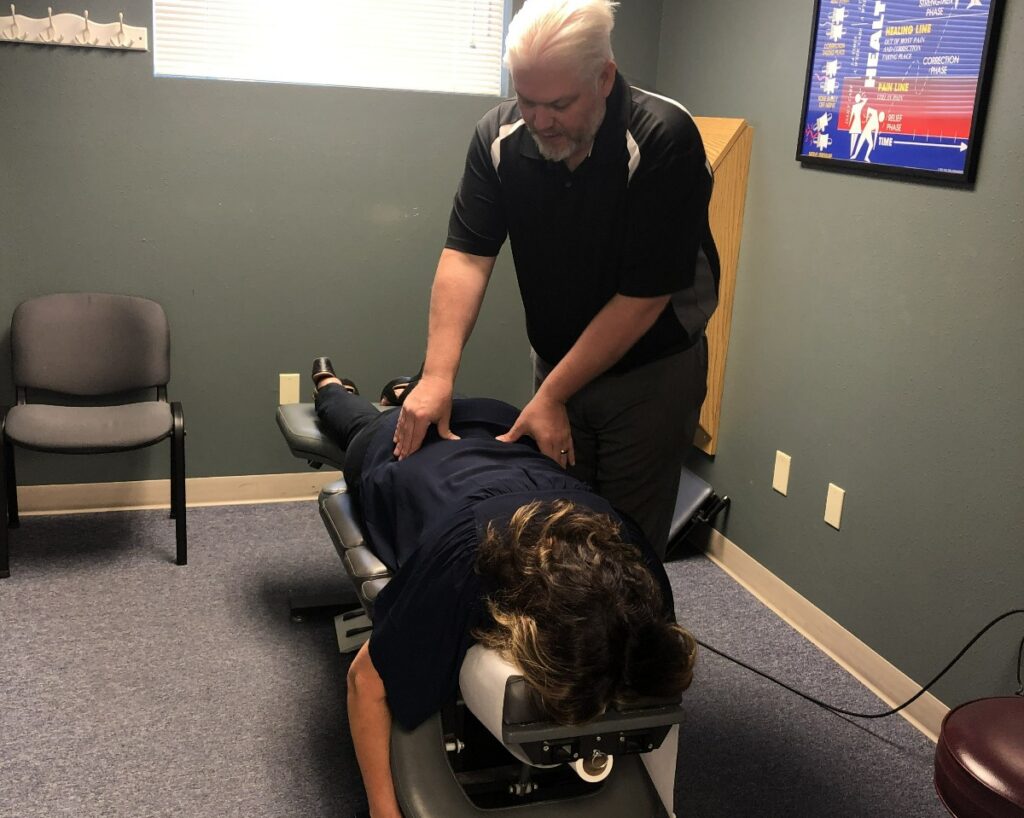
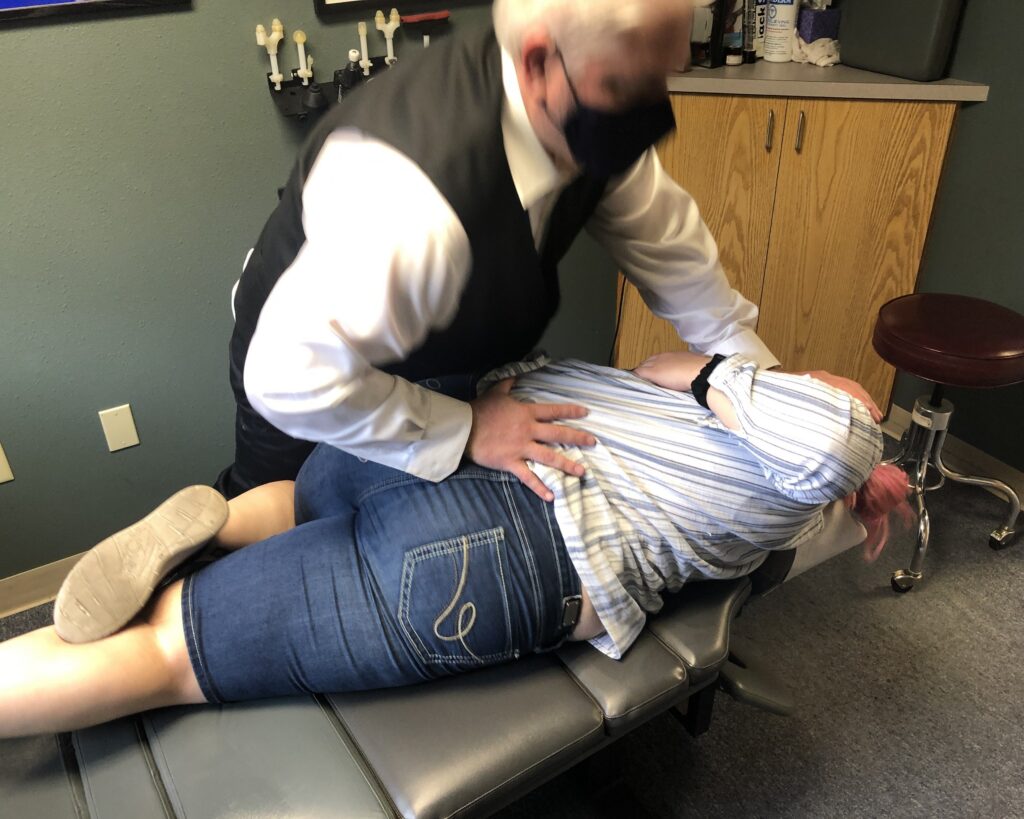
Manual therapy approaches, often utilized in physical therapy, can greatly alleviate chronic back pain. These hands-on techniques focus on manipulating muscles and joints to enhance mobility and reduce discomfort.
When you engage in these therapies, you may experience immediate relief and improved functionality.
Here are some common manual therapy techniques that you might encounter:
- Massage Therapy: Targets muscle tension and promotes relaxation, helping to ease pain and stiffness.
- Joint Mobilization: Involves gentle movements to improve joint function and reduce restrictions in motion.
- Myofascial Release: Focuses on relieving tension in the fascia, the connective tissue surrounding muscles, to enhance overall movement.
- Soft Tissue Techniques: These techniques treat specific areas of muscle tightness, helping to restore normal function and alleviate pain.
Exercise Rehabilitation Programs
Exercise rehabilitation programs play an essential role in managing chronic back pain. These programs are designed to strengthen your back muscles, improve flexibility, and enhance overall function. When you engage in a structured routine, you can alleviate pain and reduce the risk of future injuries.
Typically, a physical therapist tailors the program to your specific needs. They'll assess your posture, movement patterns, and pain levels, ensuring that the exercises are effective and safe. You might find yourself performing core stabilization exercises, stretching routines, and low-impact aerobic activities, all aimed at building endurance and promoting healing.
You'll also learn proper body mechanics to apply in your daily life, making tasks easier and less painful. Consistency is key; committing to your exercise routine can lead to significant improvements over time.
Don't be discouraged if results take time; progress often comes gradually. Keep an open line of communication with your therapist, sharing any discomfort or concerns.
Chiropractic Care Benefits
Chiropractic care offers several benefits that can greatly improve your quality of life.
With a focus on spinal alignment, you'll experience effective pain relief techniques and enhanced mobility.
Understanding these advantages can help you make informed decisions on managing your chronic back pain.
Improved Spinal Alignment
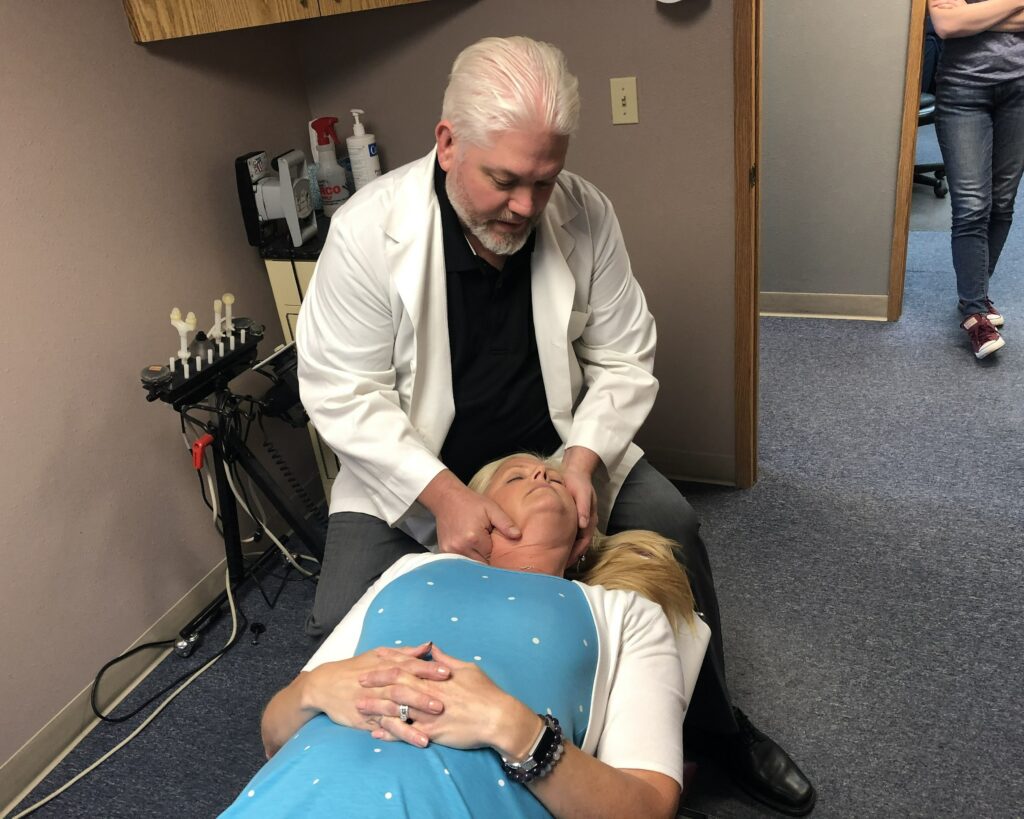
A significant number of people suffering from chronic back pain find relief through improved spinal alignment. By visiting a chiropractor, you can experience the benefits of proper spinal alignment, which plays an essential role in your overall well-being.
When your spine is aligned, it helps your body function more effectively, reducing discomfort and enhancing mobility.
Here are some key benefits of improved spinal alignment:
- Reduced Muscle Tension: Proper alignment alleviates pressure on muscles and ligaments, leading to less strain and tension.
- Enhanced Nervous System Function: An aligned spine allows for better communication between your brain and body, promoting ideal health.
- Increased Range of Motion: With improved alignment, you may notice increased flexibility and movement, making everyday activities easier.
- Better Posture: Regular chiropractic care encourages better posture, which can prevent further injuries and alleviate existing pain.
Pain Relief Techniques
Improved spinal alignment sets the stage for a variety of effective pain relief techniques, particularly through chiropractic care. You may find that regular chiropractic adjustments help reduce pain by realigning your spine and relieving pressure on your nerves. This adjustment not only addresses the source of your discomfort but also enhances your body's natural healing processes.
Chiropractors utilize various techniques tailored to your specific needs. For instance, spinal manipulation can alleviate tension and improve blood flow, promoting faster recovery.
You might also benefit from soft tissue therapy, which targets muscle tightness and enhances relaxation, further decreasing pain levels.
In addition, many chiropractors incorporate complementary treatments, such as heat or cold therapy and electrical stimulation, into their sessions. These methods work in harmony with adjustments to provide a more thorough pain relief strategy.
Enhanced Mobility Benefits
One of the standout benefits of chiropractic care is its ability to enhance your mobility considerably. When you seek chiropractic treatment, you're not just addressing pain; you're also working towards improving your overall physical function.
This increase in mobility can lead to a more active lifestyle, allowing you to participate in activities you may have avoided due to discomfort.
Here are some key ways chiropractic care enhances your mobility:
- Improved Range of Motion: Adjustments can help restore joint function, allowing you to move more freely.
- Reduced Muscle Tension: Chiropractic techniques alleviate tightness, leading to less discomfort during movement.
- Better Posture: Regular adjustments promote spinal alignment, which can prevent restrictions in motion.
- Increased Strength: As your mobility improves, you'll find it easier to engage in strength-building exercises.
Mindfulness and Meditation
Mindfulness and meditation can be powerful tools in managing chronic back pain, offering relief that goes beyond traditional treatments. These practices help you cultivate awareness of your body and mind, allowing you to recognize pain without letting it dominate your thoughts. By focusing on the present moment, you can reduce stress and anxiety, both of which often exacerbate pain.
When you practice mindfulness, you learn to observe your sensations without judgment. This shift in perspective enables you to detach from the pain rather than fight against it.
Meditation, on the other hand, allows you to create a mental space where you can relax and let go of tension. By dedicating just a few minutes each day to these practices, you may find that your pain becomes more manageable.
You can start with simple breathing exercises. Focus on your breath, inhaling deeply and exhaling slowly. As thoughts arise, acknowledge them, but gently bring your attention back to your breath.
Gradually, you can explore guided meditations specifically designed for pain management, which provide structured support as you navigate your experience.
Incorporating mindfulness and meditation into your daily routine can lead to long-term benefits. You'll likely notice improvements not only in your back pain but also in your overall well-being.
As you develop these skills, you empower yourself to take control of your pain, making them invaluable additions to your chronic back pain management strategy.
Innovative Technology Solutions
As you explore various methods to manage chronic back pain, innovative technology solutions are becoming more and more important. These advancements not only offer new approaches but also enhance your overall experience in pain management.
Here's a breakdown of some cutting-edge technologies you might consider:
- Wearable Devices: Smart devices like fitness trackers can monitor your physical activity and posture, helping you identify patterns that contribute to your pain.
- TENS Units: Transcutaneous Electrical Nerve Stimulation (TENS) units deliver gentle electrical impulses to reduce pain and promote muscle relaxation. They're portable and easy to use at home.
- Mobile Apps: Several apps offer guided exercises, stretches, and reminders that can help you stay on track with your pain management routine.
- Virtual Reality (VR): VR technology can immerse you in calming environments, providing distraction and relaxation, which can greatly help during flare-ups.
These innovative solutions empower you to take control of your chronic back pain. By leveraging technology, you can enhance your understanding of your body's needs and respond effectively to pain triggers.
Whether you choose to utilize wearables, TENS units, mobile apps, or VR, each option can serve as a valuable tool in your pain management arsenal. Embracing these technologies might just lead you to find the relief you're seeking and improve your quality of life.
Lifestyle Modifications for Relief
Although managing chronic back pain often requires a multifaceted approach, making specific lifestyle modifications can greatly enhance your comfort and overall well-being.
Start by incorporating regular physical activity into your daily routine. Engaging in low-impact exercises like walking, swimming, or cycling strengthens your back muscles and improves flexibility. Aim for at least 30 minutes a day, five times a week.
Next, pay attention to your posture. Whether you're sitting at a desk or lifting objects, maintaining proper alignment can prevent unnecessary strain on your back. Use ergonomic furniture, and remember to lift with your legs, not your back.
Nutrition also plays an essential role in managing back pain. A balanced diet rich in anti-inflammatory foods, such as fruits, vegetables, whole grains, and lean proteins, can help reduce inflammation and support overall health. Staying hydrated is equally important, as water aids in maintaining spinal disc health.
Adequate sleep is important, too. Aim for 7-9 hours of quality sleep each night, using a supportive mattress and pillow to maintain proper spinal alignment.
Lastly, consider stress management techniques like yoga or meditation. Chronic stress can exacerbate pain, so finding ways to relax can greatly improve your quality of life.
Conclusion
Incorporating these effective non-invasive solutions into your routine can greatly improve your chronic back pain. By engaging in physical therapy, exploring chiropractic care, and practicing mindfulness, you can find relief and enhance your overall well-being. Don't forget the importance of lifestyle modifications like regular exercise and a balanced diet. Take charge of your health and embrace these strategies to pave the way for a more comfortable, pain-free life. Your journey to relief starts now!