
If you've been struggling with chronic back pain, you're not alone, and you might be surprised at the effectiveness of non-invasive solutions available. Techniques like physical therapy and chiropractic care can greatly improve your quality of life, while mindfulness practices offer additional support in managing discomfort. You may be wondering how these approaches can fit into your daily routine and what specific methods yield the best results. As you explore these options, consider the potential impact they could have on your overall well-being.
Physical Therapy Techniques
When it comes to managing chronic back pain, many people find that physical therapy techniques offer effective relief. These techniques focus on strengthening your back, improving flexibility, and enhancing overall body mechanics. By working with a qualified physical therapist, you can develop a personalized plan tailored to your specific needs and pain levels.
One of the key components of physical therapy is therapeutic exercises. These exercises help build strength in the muscles that support your spine, reducing strain on your back. You'll likely engage in stretching routines that improve flexibility, which is vital for maintaining proper posture and preventing future injuries.
Your therapist may also incorporate core stability exercises, as a strong core can alleviate pressure on your back.
Manual therapy is another technique you might experience during physical therapy sessions. This hands-on approach involves your therapist applying pressure to specific areas of your back, helping to relieve tension and improve mobility.
You may also learn various body mechanics and posture techniques to incorporate into your daily life, empowering you to move more safely and efficiently.
Don't underestimate the value of education in physical therapy. Your therapist will guide you on how to modify activities that may exacerbate your pain and teach you self-management strategies.
Chiropractic Care Benefits
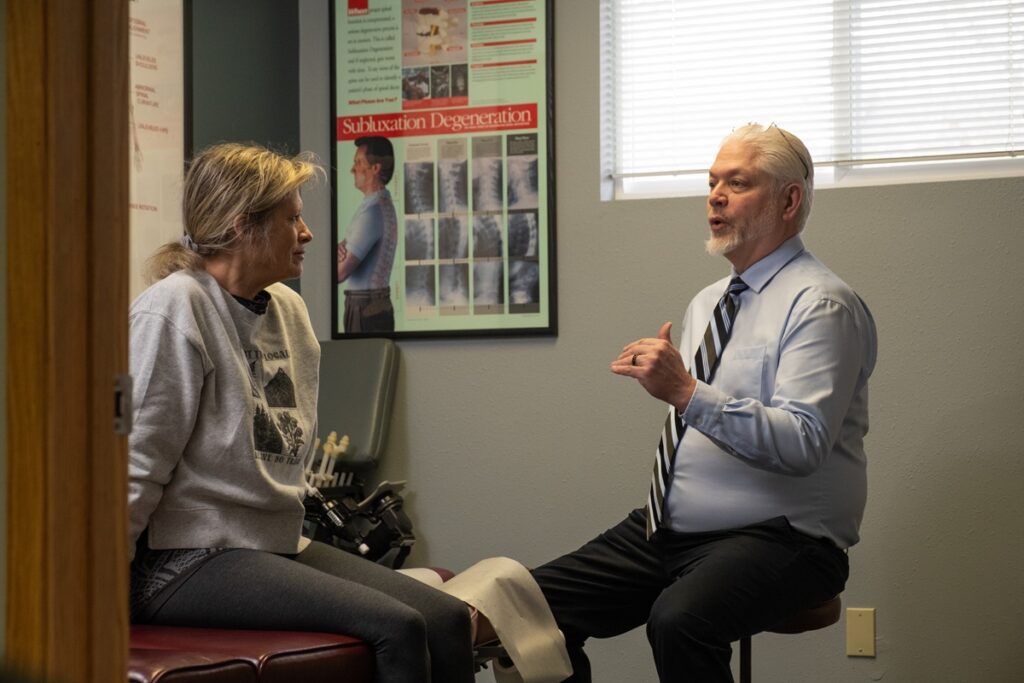
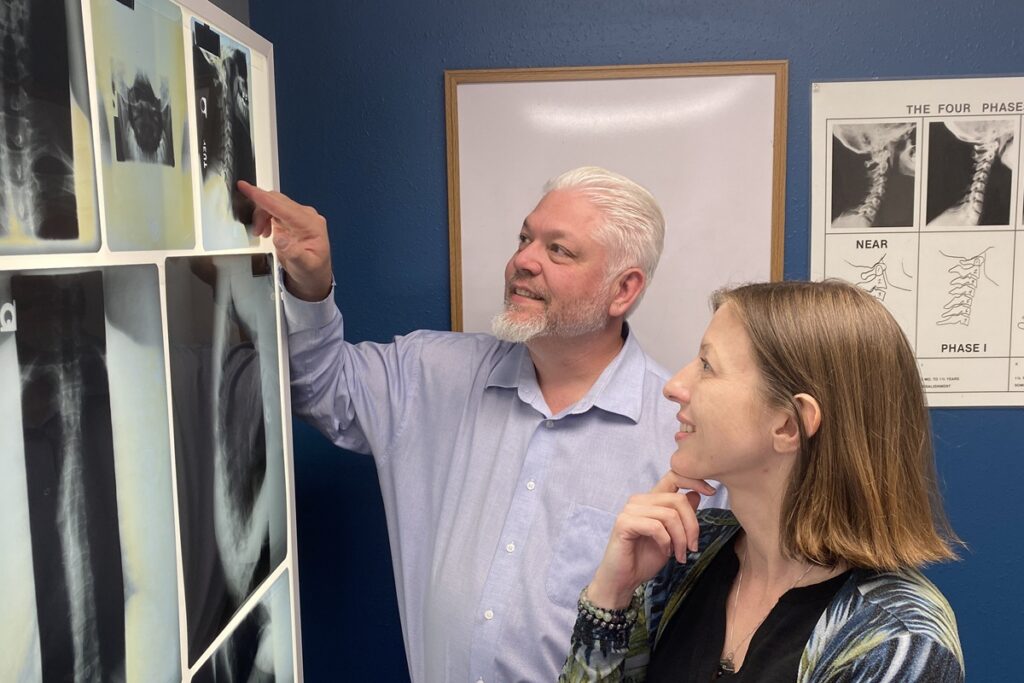
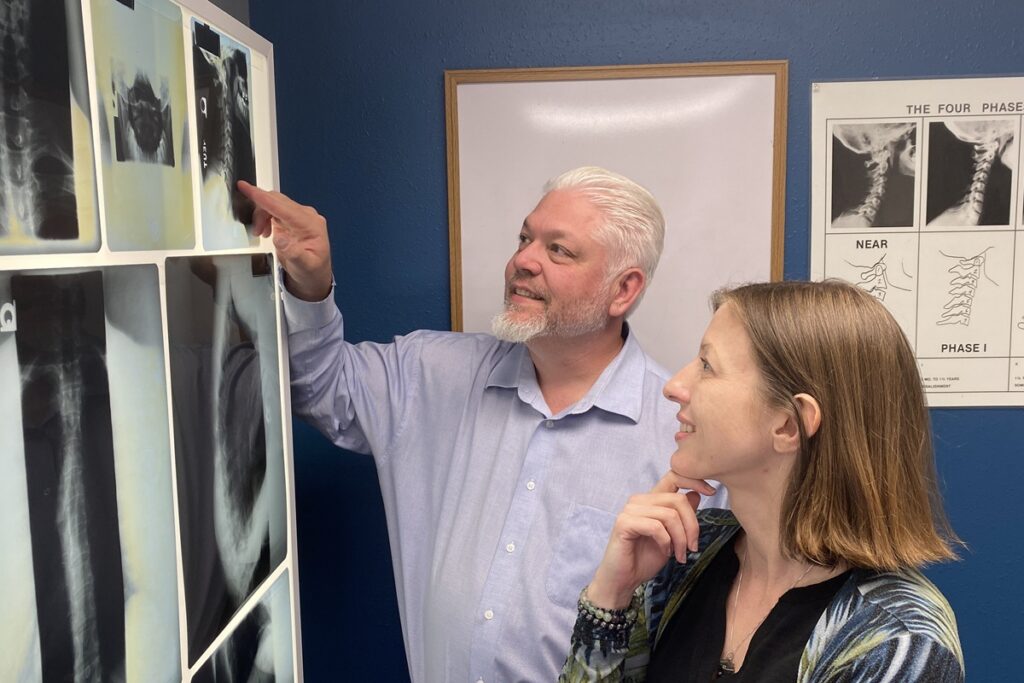
Chiropractic care offers a range of benefits for those struggling with chronic back pain, making it a valuable option to contemplate. As a non-invasive treatment, it focuses on realigning your spine and improving overall body function. This can lead to significant pain relief and enhanced mobility.
Here are a few key benefits you might find appealing:
- Pain Relief: Chiropractors use spinal adjustments to alleviate pressure on nerves, which can help reduce pain levels effectively.
- Improved Posture: Regular chiropractic visits can help correct postural issues, reducing strain on your back and preventing further pain.
- Enhanced Recovery: Chiropractic care can support your body's natural healing processes, allowing you to recover from injuries more quickly.
When you visit a chiropractor, they'll assess your specific condition and create a personalized treatment plan tailored to your needs. You'll likely find that adjustments not only ease your back pain but also improve your overall health.
Many patients report feeling more energized and less stressed after their sessions.
Additionally, chiropractic care emphasizes preventive measures, teaching you exercises and lifestyle adjustments to maintain a healthy spine. This proactive approach can help you avoid future episodes of back pain and lead to a better quality of life.
If you're looking for a holistic method to manage your chronic back pain, chiropractic care might be just what you need.
Mindfulness and Meditation
Mindfulness and meditation can be powerful tools for managing chronic back pain.
By reducing stress levels and enhancing your body awareness, these practices promote a relaxation response that benefits both your mind and body.
Incorporating them into your routine might help you find relief and improve your overall well-being.
Reducing Stress Levels
Chronic back pain often intertwines with heightened stress levels, creating a cycle that can be tough to break. When stress takes hold, it can lead to muscle tension, exacerbating your pain. By focusing on reducing stress, you can find relief not just for your mind but for your back as well.
Mindfulness and meditation are powerful tools that can help you regain control.
Consider these benefits of mindfulness and meditation:
- Improved relaxation: These practices encourage deep breathing and relaxation, which can ease tension in your back muscles.
- Enhanced focus: By centering your mind, you can better manage your thoughts and reduce anxiety.
- Greater emotional resilience: Regular practice can help you respond to stress more effectively, preventing it from affecting your physical health.
To get started, set aside a few minutes each day to practice mindfulness or meditation. Focus on your breath, allowing thoughts to come and go without judgment.
As you cultivate this habit, you'll likely notice a decrease in stress levels, paving the way for a more comfortable experience with chronic back pain. Embrace these non-invasive solutions to reclaim your well-being.
Enhancing Body Awareness
To truly connect with your body, you need to tune in and enhance your body awareness. This begins with mindfulness practices that encourage you to focus on your physical sensations. By paying attention to how your body feels during daily activities, you'll start recognizing patterns that contribute to your chronic back pain.
Meditation can be a powerful tool in this process. Set aside time to sit quietly, close your eyes, and breathe deeply. As you breathe, direct your attention to different parts of your body, especially areas where you feel discomfort. Notice any tension or tightness, and simply observe without judgment. This practice helps you become more attuned to your body's signals.
Incorporating gentle movements, like yoga or tai chi, can further enhance your awareness. These practices encourage you to listen to your body's needs while promoting flexibility and strength.
As you cultivate this awareness, you'll likely find it easier to identify triggers for your back pain and develop healthier habits. Ultimately, enhancing body awareness empowers you to take control of your pain management journey, leading to a more balanced and mindful approach to your overall well-being.
Promoting Relaxation Response
Practicing relaxation techniques can greatly reduce back pain by activating your body's natural relaxation response. Mindfulness and meditation are powerful tools you can use to alleviate tension and promote healing. By incorporating these practices into your daily routine, you'll likely notice a significant improvement in your overall well-being.
- Lower stress levels: Mindfulness helps you focus on the present, reducing anxiety and stress that can contribute to back pain.
- Enhance pain management: Meditation encourages you to observe your pain without judgment, allowing you to respond to it with greater ease.
- Improve sleep quality: Relaxation techniques can lead to better sleep, which is essential for recovery from chronic pain.
To get started, find a quiet space where you can sit or lie down comfortably. Spend a few minutes focusing on your breath, letting thoughts come and go without attachment.
As you practice regularly, you'll likely find it easier to access this relaxed state, helping to ease tension in your back. Remember, consistency is key. Make mindfulness and meditation a part of your life, and you'll be on your way to a more relaxed, pain-free you.
Exercise and Stretching
Incorporating exercise and stretching into your daily routine can greatly alleviate chronic back pain. Engaging in regular physical activity strengthens the muscles that support your spine, improving overall stability and flexibility. You don't need to hit the gym; simple activities like walking, swimming, or cycling can make a significant difference. Aim for at least 30 minutes of moderate exercise most days of the week.
Stretching is equally important. It helps maintain flexibility and reduces muscle tension, which can contribute to pain. Focus on stretches that target your back, hips, and legs. For instance, try the cat-cow stretch to improve spinal flexibility and the hamstring stretch to relieve tension in your lower back. Hold each stretch for at least 15-30 seconds and repeat it several times.
In addition to specific exercises and stretches, consider incorporating core-strengthening activities like planks or bridges. A strong core supports your spine and helps prevent future pain.
It's also essential to listen to your body. If you feel sharp pain during any activity, stop immediately and consult a healthcare professional if necessary.
Consistency is key; try to make exercise and stretching a part of your daily routine. You'll find that gradually building strength and flexibility can lead to lasting relief from chronic back pain. With commitment and the right approach, you can take charge of your well-being and improve your quality of life.
Alternative Therapies
Exploring alternative therapies can offer additional relief for chronic back pain beyond traditional methods. These therapies can complement your existing treatment plan and help you manage pain more effectively. Here are some popular options you might consider:
- Acupuncture: This ancient Chinese technique involves inserting thin needles into specific points on your body. Many people find it effective for reducing pain and improving mobility.
- Chiropractic Care: Chiropractors use manual manipulation to adjust your spine and improve its alignment. This can alleviate pressure on nerves and muscles, potentially reducing your back pain.
- Massage Therapy: Therapeutic massage can help relieve muscle tension, improve circulation, and promote relaxation. Regular sessions might enhance your overall well-being and reduce pain levels.
When exploring these therapies, it's important to consult with your healthcare provider to find what's best for your individual needs. Each person's experience with back pain is unique, and what works for one person may not work for another.
Consider trying a combination of these therapies to see which ones provide the most relief. Keep an open mind and be patient; it may take time to find the right alternative therapy for your back pain.
Lifestyle Modifications
Making lifestyle modifications can greatly improve your chronic back pain.
Incorporating regular exercise, enhancing your posture, and creating an ergonomic workspace are key steps you can take.
These changes not only help alleviate pain but also promote overall well-being.
Exercise and Stretching
To ease chronic back pain, you can turn to exercise and stretching as effective lifestyle modifications. Incorporating these practices into your daily routine can help strengthen your back muscles, improve flexibility, and relieve tension.
Here are some key benefits of exercise and stretching:
- Enhanced mobility: Regular movement keeps your joints flexible and reduces stiffness.
- Strengthened muscles: Targeted exercises build the support system for your spine, alleviating strain.
- Reduced stress: Physical activity releases endorphins, which can help diminish pain perception.
Start with low-impact activities like walking, swimming, or cycling. These exercises are gentle on your back while promoting overall fitness.
Remember to include stretching routines that focus on your back, hips, and legs. Simple stretches like the cat-cow pose, child's pose, and hamstring stretches can be particularly helpful.
Listen to your body and avoid pushing through pain. Gradually increase the intensity and duration of your workouts to avoid injury.
Posture Improvement Techniques
Maintaining good posture is an essential aspect of managing chronic back pain and complements the benefits gained from exercise and stretching. You can start by being mindful of your body alignment throughout the day.
When standing, keep your feet shoulder-width apart, distribute your weight evenly, and engage your core to provide stability. If you sit for long periods, make sure your back is straight, shoulders relaxed, and feet flat on the floor.
Incorporate posture checks into your daily routine. Set reminders on your phone or use sticky notes around your workspace to prompt you to adjust your posture.
During activities like driving or working at a desk, use a lumbar roll or cushion to support your lower back.
When walking, keep your head up, shoulders back, and your chin parallel to the ground. This not only enhances your posture but also helps reduce strain on your back muscles.
Finally, practice exercises that strengthen your core, as a strong core supports proper posture and spinal alignment.
Ergonomic Workspaces
Creating an ergonomic workspace can greatly alleviate chronic back pain, as it promotes proper body alignment and reduces strain during long hours of sitting.
By adjusting your environment, you can make a significant difference in how your body feels throughout the day.
Here are some essential tips to take into account:
- Chair Height: Your feet should rest flat on the floor, with your knees at or slightly below hip level.
- Screen Position: Position your monitor at eye level, about an arm's length away, to avoid neck strain.
- Keyboard and Mouse: Keep them at a comfortable height so your elbows remain close to your body and form an angle between 90 and 120 degrees.
Investing time in creating an ergonomic setup can lead to lasting improvements in your comfort and productivity.
Remember to take regular breaks to stand, stretch, and walk around; these small actions can enhance your overall wellbeing.
With a few adjustments, you'll not only reduce back pain but also create a workspace that supports your health and efficiency.
Conclusion
Incorporating these proven non-invasive solutions can greatly improve your quality of life and help you manage chronic back pain effectively. By combining physical therapy, chiropractic care, mindfulness practices, and lifestyle modifications, you'll empower yourself to find relief and regain control. Remember, consistency is key—stick with these approaches, and you'll likely experience lasting benefits. Don't hesitate to consult with professionals to tailor a plan that works best for you. Your journey to a pain-free life starts now!