
If you're dealing with back pain, you might be wondering about non-invasive options that could provide relief without resorting to surgery. From physical therapy techniques to chiropractic care, there are various approaches designed to enhance your mobility and comfort. Additionally, practices like acupuncture and mindfulness can play a significant role in your recovery journey. However, you may be surprised by how lifestyle changes can further support your back health. What if the solution you've been looking for is simpler than you think?
Physical Therapy Techniques
Exploring physical therapy techniques can be a game changer for managing back pain. When you engage in physical therapy, you're not just addressing the pain; you're also targeting the root cause. A skilled physical therapist will assess your condition and tailor a program specifically for you, focusing on exercises and stretches that enhance flexibility and strength.
One invaluable technique is manual therapy. This hands-on approach involves the therapist using their hands to mobilize your spine and other joints, which can alleviate tension and improve movement. You might also explore modalities like ultrasound or electrical stimulation, which can provide pain relief and promote healing.
Another essential aspect is strengthening exercises. By building your core muscles, you can improve spinal support and reduce the risk of future injuries. Don't underestimate the power of posture correction either. Your therapist will help you identify poor habits and teach you ways to maintain proper alignment throughout your daily activities.
Additionally, incorporating stretching into your routine can enhance your overall mobility and reduce stiffness. Your therapist may introduce you to specific stretches that target tight areas in your back and hips.
Lastly, consistency is vital. Commit to your therapy sessions and follow the prescribed home exercise plan. You'll likely notice improvements in your pain levels and functionality over time.
Chiropractic Care
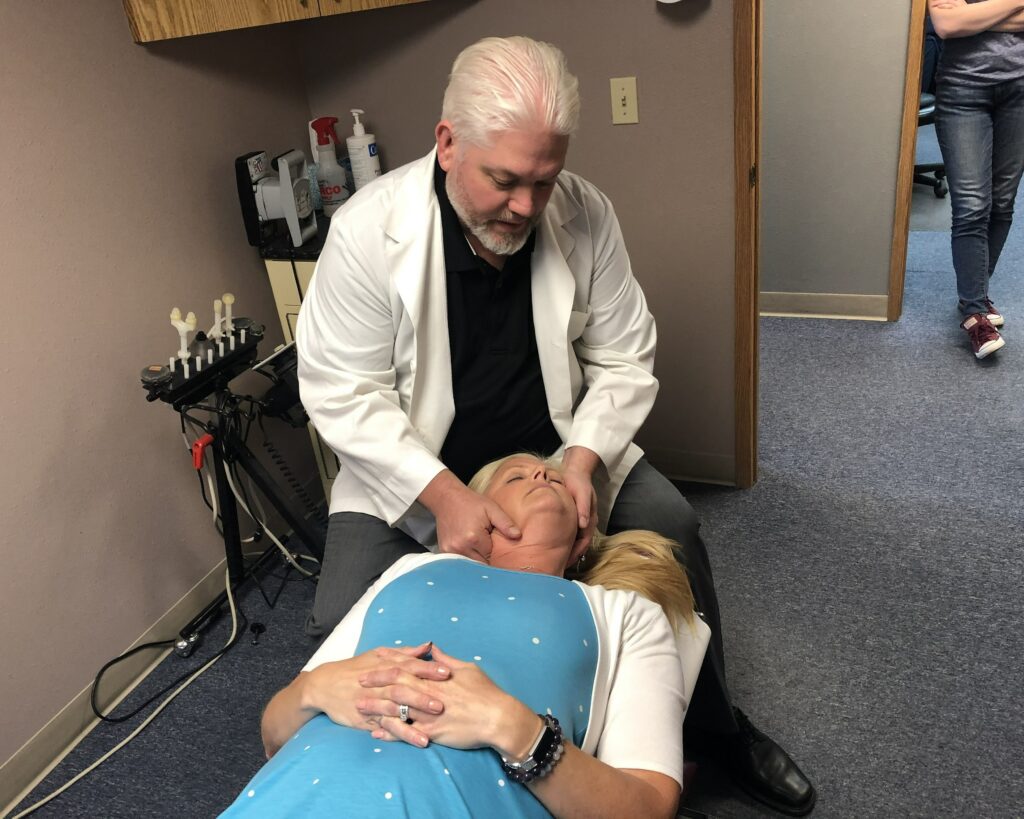
Chiropractic care offers a hands-on approach to relieving back pain and improving overall spinal health. This method focuses on diagnosing and treating musculoskeletal issues, particularly those related to the spine. When you visit a chiropractor, they'll assess your condition through physical examinations and may ask about your medical history. Based on this evaluation, they'll develop a personalized treatment plan tailored to your needs.
One of the primary techniques chiropractors use is spinal manipulation. This involves applying controlled force to specific joints in your spine, which can help restore proper alignment, improve mobility, and reduce pain. Many patients report immediate relief after these adjustments, making it a popular choice for managing back pain.
Chiropractors may also incorporate other treatment modalities, such as soft tissue therapy, stretching exercises, and lifestyle advice. They often emphasize the importance of strengthening your core muscles to support your back and prevent future issues. By working together, you and your chiropractor can address not only the symptoms but also the underlying causes of your pain.
In addition to treating acute back pain, chiropractic care can help with chronic conditions, too. Regular visits can maintain spinal health and prevent flare-ups.
If you're looking for a non-invasive solution to your back pain, consider scheduling an appointment with a chiropractor. You might find that this approach not only alleviates your discomfort but also enhances your overall well-being.
Acupuncture Benefits
If you're seeking a holistic approach to managing back pain, acupuncture might be a valuable option. This ancient practice involves inserting thin needles into specific points on your body, stimulating energy flow and promoting healing. Many people find that acupuncture can effectively reduce pain and improve mobility, often with minimal side effects.
One of the key benefits of acupuncture is its ability to release endorphins, the body's natural painkillers. By encouraging your body to produce these chemicals, acupuncture can provide immediate relief from discomfort. Additionally, it can help decrease inflammation, which is often a significant contributor to back pain.
Another advantage is the personalized nature of acupuncture treatments. Each session is tailored to your specific condition and needs, allowing the practitioner to address your unique pain patterns. Many patients report feeling relaxed and rejuvenated after sessions, which can also help reduce stress that might exacerbate pain.
Moreover, acupuncture is safe when performed by a qualified practitioner, making it a low-risk option for those looking to avoid medications or more invasive treatments. Many studies support its effectiveness for various types of pain, including chronic back pain, making it a viable option for those seeking relief.
Incorporating acupuncture into your pain management plan could lead to significant improvements in your overall well-being. Consider consulting with a licensed acupuncturist to explore how this approach can help you regain comfort and mobility in your daily life.
Mindfulness and Meditation
In addition to acupuncture, mindfulness and meditation offer powerful tools for managing back pain. These practices help you cultivate awareness and acceptance of your body's sensations, allowing you to respond to pain with a calmer mindset.
When you practice mindfulness, you train your brain to focus on the present moment rather than getting caught up in worries about pain. This shift can reduce stress and tension, which often exacerbate discomfort.
Meditation, on the other hand, can provide a dedicated time to relax your mind and body. Techniques like guided imagery or deep breathing can lower your heart rate and promote relaxation, which can help alleviate pain signals.
By engaging in regular meditation, you may also develop a greater understanding of your pain, recognizing it as a temporary experience rather than a constant threat.
To incorporate mindfulness and meditation into your routine, set aside a few minutes each day. Find a quiet space, sit comfortably, and focus on your breath.
If your mind wanders, gently redirect your attention back to your breathing. You can also explore apps or online resources that offer guided sessions tailored to pain management.
Lifestyle Modifications
While many focus on immediate relief for back pain, making lifestyle modifications can greatly enhance your overall well-being and reduce discomfort long-term.
You might be surprised at how small changes in your daily habits can lead to significant improvements in your back health. Here are some effective strategies to take into account:
- Maintain a Healthy Weight: Extra pounds can put added pressure on your spine. Eating a balanced diet and engaging in regular exercise can help you achieve and maintain a healthy weight.
- Practice Good Posture: Whether you're sitting at a desk or lifting objects, maintaining proper posture can prevent strain on your back. Be mindful of your alignment to avoid unnecessary discomfort.
- Stay Active: Regular physical activity strengthens your back muscles, improves flexibility, and enhances your overall fitness. Aim for at least 30 minutes of moderate exercise most days, focusing on activities that promote back health, like swimming or walking.
- Incorporate Stretching: Integrating stretching into your daily routine can improve flexibility and reduce muscle tension. Simple stretches targeting your back and legs can be particularly beneficial.
Conclusion
To summarize, exploring non-invasive options for back pain can greatly enhance your quality of life. By incorporating physical therapy, chiropractic care, acupuncture, mindfulness practices, and healthy lifestyle changes, you can find relief and support your spinal health. Remember, each person's experience is unique, so it's crucial to find the combination that works best for you. Don't hesitate to seek professional guidance to tailor a plan that suits your needs and helps you live pain-free.