
If you're grappling with chronic back pain, you might be looking for alternatives that don't involve invasive procedures or heavy medications. Non-invasive solutions, such as physical therapy and chiropractic care, can offer significant relief while promoting long-term healing. These approaches not only address the pain but also empower you to take control of your recovery journey. However, the landscape of non-invasive treatments is vast and varied. What if you could uncover methods that not only alleviate pain but also enhance your overall well-being?
Understanding Chronic Back Pain
Chronic back pain can feel like a relentless shadow, affecting not just your physical well-being but also your daily life. You might find that simple tasks become overwhelming, and activities you once enjoyed now seem out of reach. Understanding the nature of this pain is vital for managing it effectively.
Chronic back pain is defined as pain that lasts for more than three months. It can stem from various causes, including injury, degenerative conditions, or even lifestyle factors. You may feel sharp, stabbing sensations or a dull ache that lingers, and it can radiate down your legs, making it hard to pinpoint its source.
While it's easy to assume that the pain is solely physical, it often intertwines with emotional and psychological aspects, impacting your mood and energy levels. You might notice that stress and anxiety can exacerbate your symptoms, creating a cycle that feels impossible to break.
It's important to recognize how your body reacts to various situations and to pay attention to your posture, as poor habits can contribute to ongoing discomfort. Additionally, understanding your pain's triggers—whether they're related to specific movements, prolonged sitting, or even stress—can empower you to make changes.
Benefits of Non-Invasive Treatments
When it comes to managing back pain, non-invasive treatments offer a range of benefits that can greatly improve your quality of life. One of the most significant advantages is the reduction of pain without the need for surgery or medications that can have unwanted side effects.
You'll find that techniques such as acupuncture, chiropractic adjustments, and massage therapy can provide immediate relief, allowing you to get back to your daily activities more quickly.
Another benefit is the empowering nature of these treatments. Non-invasive options often encourage you to take an active role in your recovery. You can learn techniques that help you manage your pain better, such as mindfulness practices, stretching routines, or lifestyle modifications.
This empowerment can lead to a greater sense of control over your health.
Moreover, non-invasive treatments typically come with lower risks compared to surgical procedures. Since these methods don't involve incisions or anesthesia, the chances of complications are minimal, allowing you to focus on healing rather than worrying about potential side effects.
Lastly, many non-invasive treatments are accessible and can be tailored to fit your specific needs. Whether you prefer working with a professional or exploring self-care options at home, you've got a variety of choices that can accommodate your lifestyle and preferences.
Physical Therapy Approaches
Utilizing physical therapy approaches can be a game-changer in managing back pain effectively. When you commit to a tailored physical therapy program, you're not just addressing the symptoms; you're also tackling the root causes of your discomfort. A skilled physical therapist will assess your specific condition, helping you understand the underlying issues contributing to your pain.
One fundamental aspect of physical therapy is exercise. You'll engage in targeted exercises designed to strengthen your core, improve flexibility, and enhance posture. These exercises can help alleviate pressure on your spine, making daily activities more manageable. Your therapist will guide you through proper techniques to guarantee you're performing movements safely and effectively.
Manual therapy is another essential component. This hands-on technique can help reduce muscle tension and improve mobility by applying pressure to specific areas. You'll find that these methods can enhance your overall movement, making it easier to perform daily tasks without pain.
Additionally, your therapist may introduce modalities like ultrasound or electrical stimulation. These treatments can promote healing and reduce inflammation, providing relief as you progress in your therapy.
Finally, education plays a vital role. Your therapist will teach you about body mechanics and ergonomic practices, empowering you to make informed choices in your daily life.
Chiropractic Care Techniques
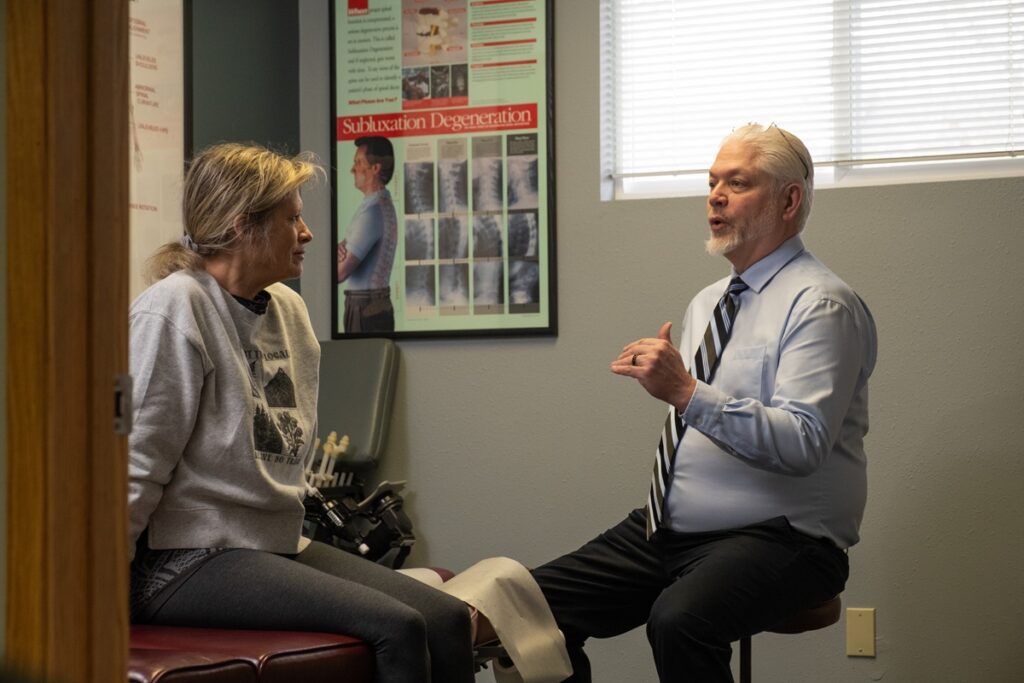
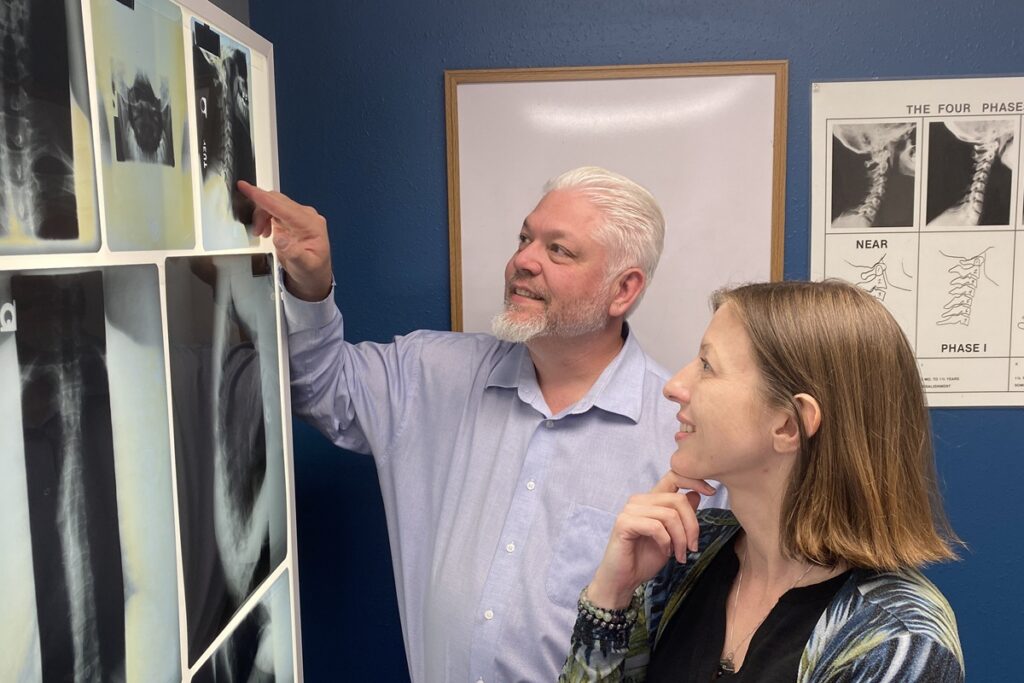
For many seeking relief from back pain, chiropractic care techniques offer a hands-on approach that can effectively address alignment issues and enhance overall spinal health. Chiropractors focus on diagnosing and treating musculoskeletal disorders, primarily through spinal manipulation and manual adjustments. By realigning the spine, they aim to alleviate pain, improve mobility, and promote the body's natural healing processes.
One of the most common techniques you'll encounter is spinal manipulation, where the chiropractor applies controlled force to specific joints. This adjustment can help relieve pressure on nerves, reduce inflammation, and improve blood flow. You'll likely feel immediate relief after just one session, but consistency is key to long-term results.
In addition to spinal manipulation, chiropractors may incorporate other techniques, such as soft tissue therapy. This involves applying pressure to muscles and connective tissues to relieve tension and enhance flexibility. You'll find that these techniques often complement adjustments, creating a more thorough treatment plan.
Chiropractors also emphasize the importance of patient education. They may provide you with ergonomic advice, exercises, and stretches to support your recovery and prevent future issues. By empowering you with knowledge, they help you take an active role in your spinal health.
Alternative Therapies Overview
Alternative therapies can provide a holistic approach to managing chronic back pain, often complementing traditional methods like chiropractic care. These therapies focus on treating the whole person, rather than just the symptoms, which can lead to more effective and lasting relief. You might find various options that suit your preferences and needs, each with unique benefits.
Acupuncture is one popular alternative therapy. By inserting thin needles into specific points on your body, it can help alleviate pain and promote healing. Many people report significant relief from their back pain after several sessions.
Another option is massage therapy, which can reduce muscle tension, improve circulation, and enhance overall relaxation. Regular massages might help you manage pain better and improve your mobility.
Physical therapy is also an important alternative. A physical therapist can design a personalized exercise program tailored to your specific condition, helping you strengthen the muscles supporting your spine.
Yoga is another effective practice that combines gentle movements and stretching to improve flexibility and reduce pain. Plus, it promotes mindfulness and body awareness, which can benefit your overall well-being.
Nutritional therapy, focusing on a balanced diet rich in anti-inflammatory foods, can also play a significant role in managing chronic pain. You might consider working with a nutritionist to identify the best foods for your health.
Mindfulness and Stress Management
Managing chronic back pain often involves more than just physical treatments; addressing the mental and emotional aspects of pain is equally important. Mindfulness and stress management techniques can play a significant role in your journey toward relief. Stress often exacerbates pain, and by learning to manage it, you can potentially reduce your discomfort.
Mindfulness practices, such as meditation and deep breathing exercises, help you cultivate awareness of your body and mind. These techniques encourage you to focus on the present moment, which can help you detach from negative thoughts about your pain. When you practice mindfulness, you train your brain to respond differently to discomfort, fostering a sense of control over your experience.
Incorporating these practices into your daily routine doesn't require a lot of time. You can start with just a few minutes each day. Try setting aside a quiet moment to focus on your breath or engage in a guided meditation. Apps and online resources can also provide structured mindfulness programs tailored to your needs.
Additionally, effective stress management techniques, such as yoga or gentle stretching, can improve your physical condition while simultaneously calming your mind. These activities promote relaxation and flexibility, reducing the tension that can contribute to pain.
Lifestyle Changes for Relief
Many people find that making certain lifestyle changes can greatly alleviate chronic back pain. First, focus on staying active. Regular physical activity strengthens your muscles and improves flexibility, which can reduce the strain on your back. Aim for low-impact exercises like walking, swimming, or yoga. These activities not only keep you fit but also help maintain a healthy weight, which is vital for minimizing back stress.
Next, pay attention to your posture throughout the day. Whether sitting, standing, or lifting, proper alignment is key. Use ergonomic furniture and make adjustments to your workspace to promote a supportive environment. When lifting objects, bend your knees and keep the load close to your body to prevent injury.
Don't underestimate the power of stretching. Incorporating daily stretches into your routine can enhance flexibility and relieve tension in your back. Focus on stretches that target the lower back, hips, and hamstrings.
Additionally, consider your sleep habits. A supportive mattress and pillow can make a significant difference in how well you rest. If you often wake up with back pain, it might be time to reassess your sleep setup.
Lastly, evaluate your diet. Consuming anti-inflammatory foods like fruits, vegetables, and whole grains can help reduce pain levels. Staying hydrated is also essential for maintaining overall health and muscle function.
Conclusion
Incorporating non-invasive solutions for chronic back pain can greatly improve your quality of life. By exploring physical therapy, chiropractic care, and alternative therapies, you can find relief while avoiding the risks of surgery and medications. Embracing mindfulness practices and making lifestyle changes empowers you to take charge of your recovery journey. Remember, the path to lasting relief involves a holistic approach that nurtures both your body and mind, helping you regain your strength and resilience.