
As a local chiropractor, I want to share something you might find surprising: the history of adjustments in sports injury recovery is rich and dates back to ancient civilizations that relied on natural remedies and hands-on techniques. Over the years, these methods have evolved significantly, incorporating advancements in our understanding of the body and the integration of technology.
The journey from those early practices to the modern rehabilitation strategies we see today highlights a fascinating connection between physical therapies and holistic wellness. But what has driven these changes? And how do they influence the recovery processes that athletes trust today? Understanding this history can truly reshape your perspective on injury recovery and the benefits of chiropractic care.
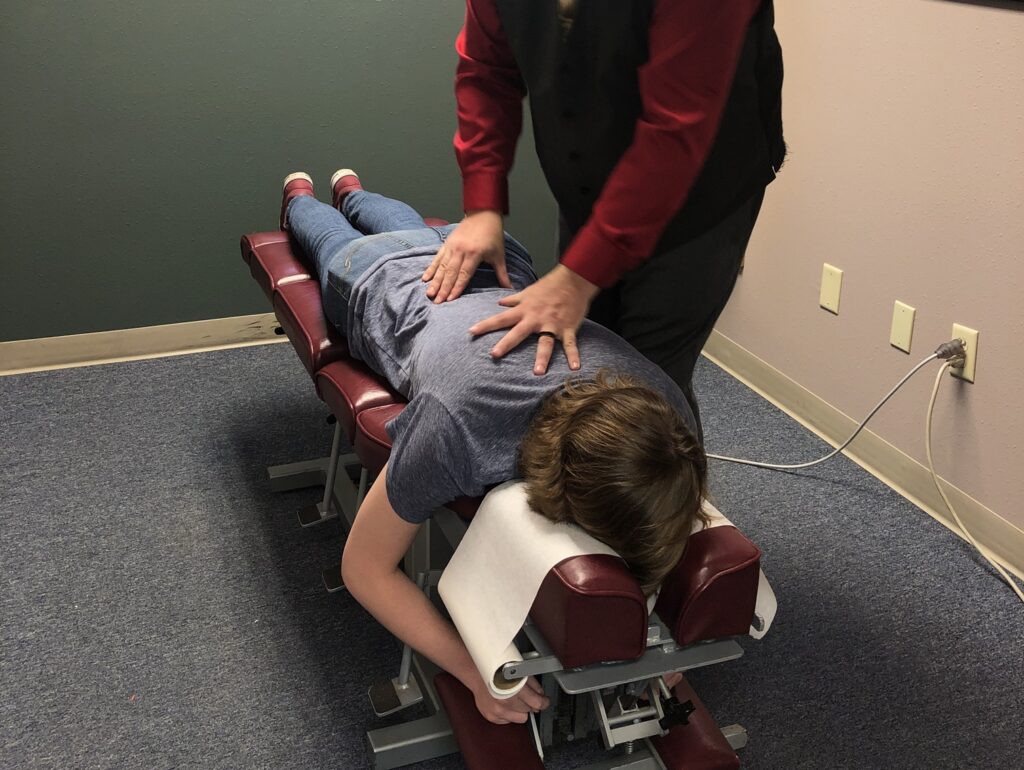
Chiropractic adjustments and natural healing play a vital role in promoting recovery, reducing pain, and enhancing overall performance. It's not just about treating the injury; it's about supporting the body's innate ability to heal itself. I invite you to explore this approach with an open mind, as it may offer you new insights into your own health and recovery journey.
Ancient Practices and Remedies
As a local chiropractor, I want to share some intriguing insights into how ancient practices can inform our understanding of recovery and healing. Many athletes throughout history have sought relief from injuries, and it's fascinating to see how these age-old remedies still resonate with modern approaches.
Take the Egyptians, for example. They utilized natural ingredients like honey and various herbs to treat wounds. Honey, with its natural antibacterial properties, was instrumental in preventing infections, while herbs such as myrrh were believed to aid in the healing process.
Imagine athletes from that era applying these mixtures to sore muscles or cuts, much like how we now recommend natural remedies to support recovery.
The Greeks, too, made significant contributions to recovery practices. They recognized the importance of rest and proper nutrition for the body to heal after strenuous activity. They often enjoyed warm baths infused with oils and herbs to relax and relieve pain.
This concept of soothing immersion is timeless and mirrors the restorative techniques we promote in chiropractic care today.
In traditional Chinese medicine, methods such as acupuncture and herbal remedies have been used for centuries to alleviate pain and promote recovery. These ancient techniques emphasize balance, circulation, and holistic healing—principles that align closely with the philosophy of chiropractic care.
As your chiropractor, I encourage you to explore these natural healing methods and consider how they can complement your recovery journey. By understanding and incorporating these timeless practices, we can work together to promote your overall well-being.
The Rise of Physical Therapy
As more athletes look for effective recovery methods, the growing interest in chiropractic care has revolutionized how we approach rehabilitation and wellness. You may not realize that chiropractors play a crucial role not only in recovery but also in enhancing overall performance. This transformation highlights the significance of personalized treatment plans that cater to individual needs and specific injuries, making recovery more efficient than ever.
Gone are the days of relying solely on rest and ice. Now, chiropractic care utilizes a wide array of techniques, including spinal adjustments, soft tissue therapy, and functional movement assessments. These methods help you regain strength, flexibility, and coordination, enabling you to return to your sport more quickly and safely.
You might find it beneficial to know that chiropractic care also prioritizes educating you about your body and any injuries you may have sustained. Chiropractors guide you in understanding biomechanics and injury prevention, empowering you to take charge of your recovery journey. This knowledge not only helps you avoid future injuries but also enhances your overall athletic performance.
The collaboration between chiropractors, coaches, and trainers has significantly enriched this field. By working together, we develop comprehensive strategies that address immediate injuries while also promoting long-term health and improved performance.
As you continue on your athletic journey, incorporating chiropractic care can be a transformative experience. With a strong emphasis on personalized care and education, you're not just recovering from an injury; you're evolving as an athlete, ready to face new challenges with confidence and resilience.
Innovations in Medical Equipment
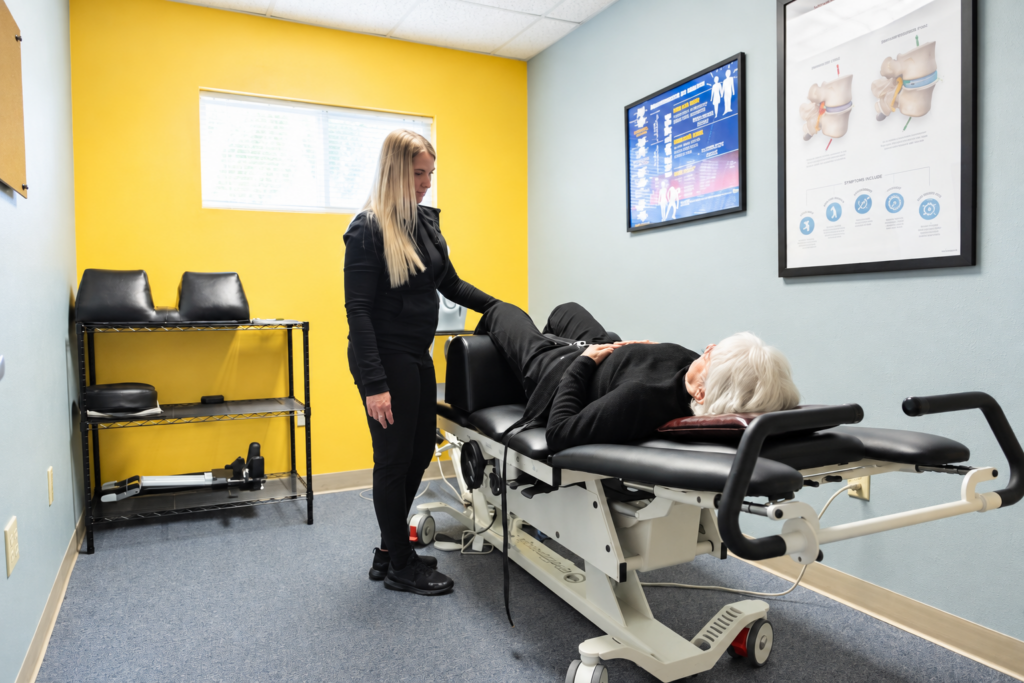
The evolution of medical equipment has significantly impacted the way we approach sports injury recovery, making rehabilitation faster and more effective than ever.
As your local chiropractor, I want to introduce you to some innovative tools that can empower you to recover stronger and more resilient without relying solely on outdated methods.
Let's explore some of these advancements that are revolutionizing the recovery process:
1. Cryotherapy Chambers: These state-of-the-art chambers expose your body to sub-zero temperatures, which can help reduce inflammation and expedite the healing process.
Imagine stepping out feeling revitalized and ready to conquer your next challenge!
2. Electrical Stimulation Units: These devices utilize electrical impulses to induce muscle contractions, which can help maintain your strength and prevent muscle atrophy during your recovery.
Even if you're dealing with an injury, you can actively engage your muscles and support your healing.
3. AlterG Anti-Gravity Treadmill: This innovative treadmill allows you to run with reduced body weight, making it easier to regain strength and mobility.
You can experience the joy of running again, even while you're still recovering.
4. Smart Wearables: These devices monitor essential recovery metrics and provide real-time feedback, helping you stay informed and motivated throughout your rehabilitation.
Understanding your progress is crucial for staying focused on your recovery goals.
These innovations aren't just tools; they're transformative resources that can facilitate a safer and quicker return to your favorite activities.
As you explore these advancements, remember that chiropractic care complements these technologies by addressing the underlying issues causing your pain and enhancing your overall well-being.
Embrace these breakthroughs in recovery and take charge of your healing journey!
The Role of Nutrition
As a local chiropractor, I want to emphasize the crucial role that nutrition plays in your recovery from sports injuries. Many people may not realize that what you eat and when you eat it can significantly impact your healing process.
By focusing on proper nutrient timing and ensuring you stay well-hydrated, you can greatly support your body's recovery and enhance your return to peak performance.
Incorporating the right nutrients into your diet can help reduce inflammation and promote tissue repair, which are essential for healing. Whether you're recovering from a sprain, strain, or any other injury, a balanced diet rich in vitamins, minerals, and proteins can provide the building blocks your body needs.
Additionally, hydration is key. Water plays a vital role in every bodily function, including recovery. Keeping your body well-hydrated helps ensure that nutrients are effectively transported to your cells and waste products are flushed out.
As your chiropractor, I'm here to guide you through not only the physical adjustments needed for recovery but also the nutritional strategies that can complement your healing journey.
Let's work together to get you back to feeling your best!
Nutrient Timing Importance
As a local chiropractor, I want to emphasize the importance of timing your nutrient intake for optimal recovery from sports injuries. While many people focus solely on the types of foods they consume, understanding when to eat them is equally crucial for enhancing your body's natural healing processes.
Here are some key points to consider for effective recovery:
- Post-Workout Nutrition: It's vital to nourish your body within 30 minutes after your workout. This timeframe is known as the post-workout window, where your body is primed to replenish glycogen stores and initiate muscle repair. Consuming the right nutrients during this period can significantly enhance your recovery.
- Protein Timing: Incorporating protein into your diet throughout the day, especially after exercising, is essential. Protein plays a critical role in muscle recovery and can help alleviate soreness, allowing you to get back to your activities more quickly.
- Balanced Meals: Strive for balanced meals that include carbohydrates, proteins, and healthy fats. This combination not only sustains your energy levels but also supports your body's healing process, which is vital for recovery from injuries.
- Smart Snacking: Don't underestimate the power of healthy snacks between meals! They can help maintain steady nutrient levels in your body, preventing energy dips that can hinder your recovery.
Hydration and Recovery
As a local chiropractor, I want to emphasize that recovering from sports injuries involves more than just the right nutrition; hydration is equally crucial. Proper hydration supports your body in transporting nutrients, regulating temperature, and maintaining joint lubrication—all essential elements for effective recovery.
When you're not adequately hydrated, your body's performance can decline, potentially delaying your healing process. It's important to drink enough fluids throughout the day, particularly following workouts or physical therapy sessions.
While water is fundamental, don't forget about electrolytes, especially if you've been sweating a lot. Sports drinks can help replenish these lost minerals, but be cautious of their sugar content.
Pay attention to your body's signals regarding hydration. Thirst is one clear sign, but you should also monitor the color of your urine; a light yellow hue usually indicates good hydration, while darker urine suggests it's time to drink more fluids.
Additionally, incorporating hydrating foods like fruits and vegetables into your diet can further aid your recovery. Opt for options like cucumbers, oranges, and watermelon.
Psychological Aspects of Recovery
Injuries can profoundly affect not only your body but also your mental well-being. As a chiropractor, I see many athletes who experience feelings of frustration and isolation during their recovery journey.
It's essential to understand that your mental health is just as crucial as your physical healing. Learning to manage these emotions can greatly influence your return to the sport you love.
Here are some common psychological challenges you may encounter during recovery:
- Frustration: It's natural to feel anger about being sidelined, especially when you witness your teammates thriving on the field without you.
- Isolation: Injuries can create a sense of disconnection from your team and loved ones, which can lead to feelings of loneliness during a time when support is most vital.
- Fear of Re-injury: As you start to get back into your sport, the worry of re-injuring yourself can be overwhelming, affecting both your confidence and performance.
- Loss of Identity: Being an athlete often shapes your identity. An injury can lead to questioning your self-worth and purpose, resulting in an identity crisis.
Addressing these psychological aspects is critical for a holistic recovery. I encourage open conversations with teammates, coaches, or even a mental health professional.
Additionally, incorporating mental exercises like visualization techniques or mindfulness practices can foster a positive mindset during this challenging phase.
Modern Techniques and Technologies
As you work through the emotional challenges of recovery, it's essential to consider the advancements in modern techniques and technologies that can support your physical healing journey. In my practice as a chiropractor, I've witnessed firsthand how sports medicine has evolved, offering a variety of tools that can significantly enhance your recovery process.
One significant advancement is the use of imaging technologies, such as MRI and ultrasound. These tools allow us to diagnose injuries with great accuracy, enabling us to create personalized treatment plans tailored specifically to your needs. This focused approach helps ensure that we address the root causes of your discomfort and work towards a more effective recovery.
Rehabilitation technology has also made remarkable strides. For instance, wearable devices can monitor your movement and physical activity in real-time. This data provides us with valuable insights into your progress, allowing us to adjust your rehabilitation exercises as needed to keep you on the right path.
Additionally, advancements in regenerative medicine, including treatments like platelet-rich plasma (PRP) therapy and stem cell therapy, have shown promising results in healing soft tissue injuries. These approaches tap into your body's natural healing mechanisms, potentially speeding up recovery times and helping you return to your favorite activities sooner.
Don't forget about the innovative role of virtual reality (VR) in the recovery process. VR can recreate game scenarios and activities, helping you regain both your physical abilities and mental confidence in a safe, controlled environment.
As your chiropractor, my goal is to guide you through these advanced techniques and support your journey toward healing and optimal health. Together, we can work towards a recovery that not only addresses your current injuries but also promotes long-term wellness.
Conclusion
As a local chiropractor, I want to take a moment to reflect on the evolution of sports injury recovery and how it relates to the holistic approach we embrace here. Throughout history, methods of healing have transformed significantly, from ancient practices to the advanced techniques we use today. Each progression has brought us closer to understanding how our bodies function and what they truly need to heal.
In our practice, we recognize that recovery is not just about addressing the injury itself; it encompasses a comprehensive approach that includes physical, nutritional, and psychological support. This means that when you come to us for treatment, we're not just focusing on alleviating pain; we're also promoting your overall wellness and helping you achieve peak performance.
As you explore these advancements in recovery, keep in mind that your healing journey is multifaceted. Every element—be it chiropractic adjustments, nutrition, or mental health—plays an essential role in getting you back to doing what you love. Embrace this holistic perspective, and let's work together to support your body's natural healing processes.