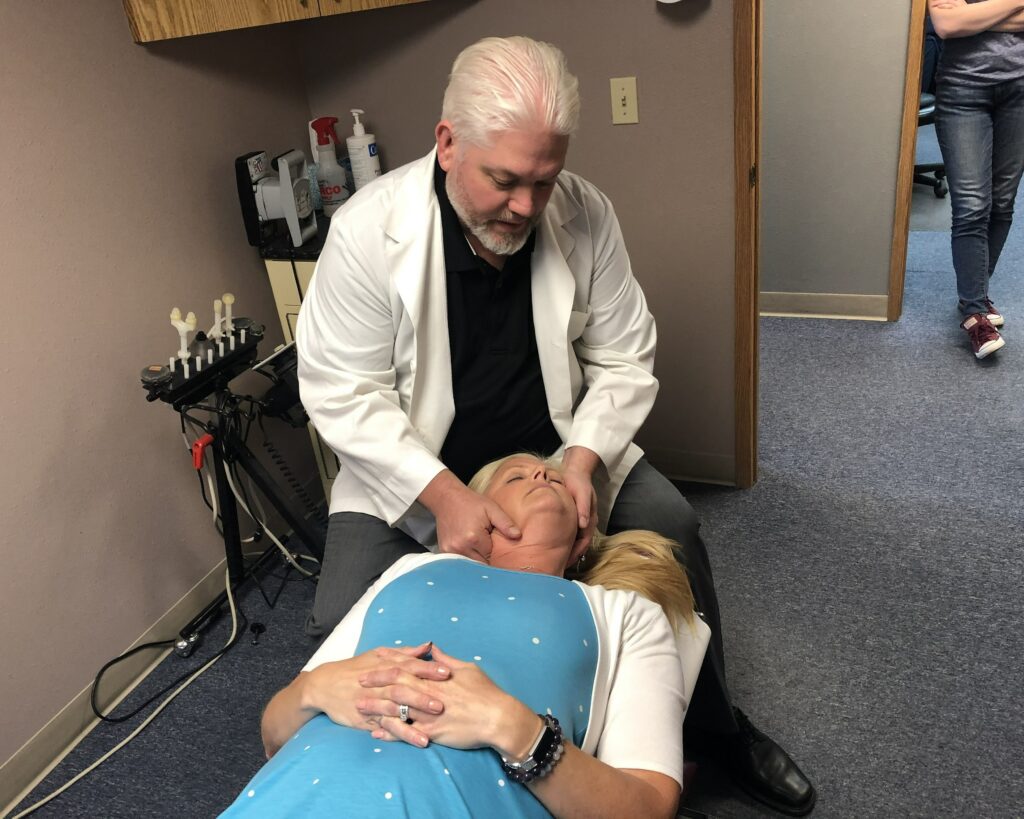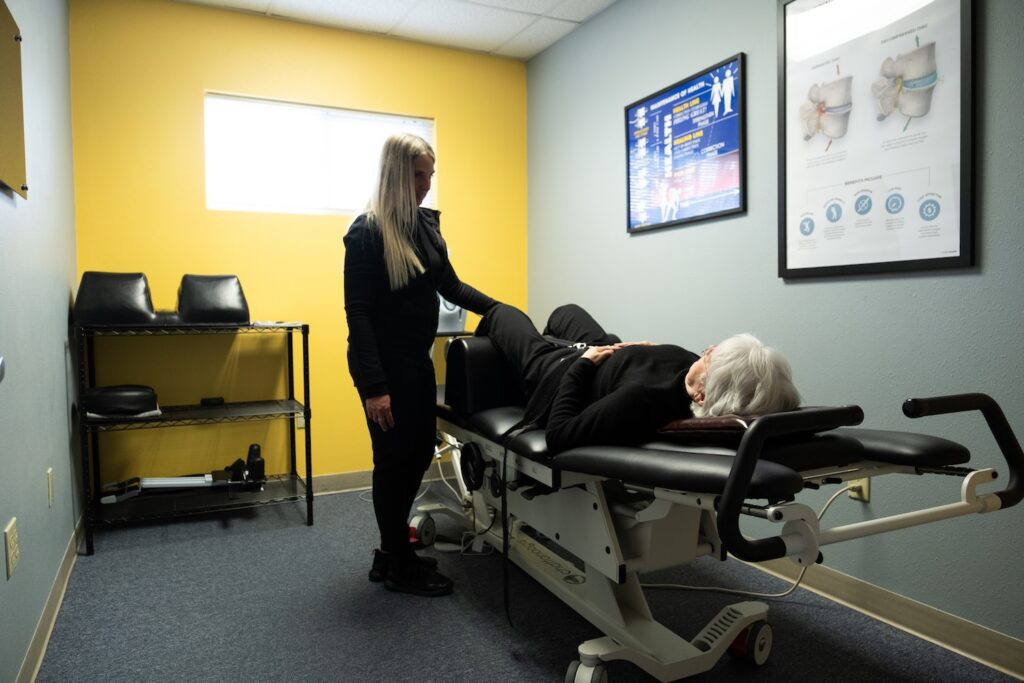

As a local chiropractor, I want to help you understand how to navigate the recovery process when faced with a sports injury. Knowing the keys to effective recovery can truly transform your healing experience. By incorporating early intervention techniques, we can address the injury right away, which is crucial for minimizing long-term damage. Engaging in targeted rehabilitation exercises tailored to your specific needs will further support your recovery.
Additionally, I encourage you to consider holistic treatments, which can enhance your healing journey. It's important to recognize that nutrition and mental health are vital components of your recovery. Fueling your body with the right nutrients and maintaining a positive mindset can significantly impact your return to peak performance.
So, what specific steps can you take to ensure a successful recovery? Together, we can explore various chiropractic techniques and lifestyle adjustments that not only promote healing but also help prevent future injuries. Let's work together to set you on the path to recovery and long-lasting health.
Importance of Early Intervention
As a local chiropractor, I want to emphasize the importance of acting quickly when you sustain a sports injury. Early intervention is crucial for your recovery and can significantly influence the outcome of your healing journey. By seeking chiropractic care promptly, you can greatly reduce the severity of your injury and shorten the time needed for rehabilitation.
When you address an injury right away, you can minimize inflammation, prevent further damage, and create a more effective healing environment. Delaying treatment or ignoring symptoms can lead to complications that are much more challenging to manage. For instance, a seemingly minor sprain can develop into a more serious condition, such as a torn ligament, if not treated promptly.
By being aware of the signs of injury—like pain, swelling, and limited mobility—you can take the important step of seeking help sooner rather than later.
Once you come to my office, I'll work with you to develop a personalized treatment plan that aligns with your unique needs. This plan may include techniques such as spinal adjustments, physical therapy exercises, and recommendations for rest, ice, compression, and elevation (RICE), all of which can help alleviate your symptoms and kickstart the healing process.
I'll also provide guidance on how to modify your activities to protect your injury while it heals.
It's also important to remember that recovery isn't just about the physical aspect; the psychological side is vital as well. Early intervention can help maintain your motivation and mental well-being, giving you a clearer path forward.
Physical Therapy Techniques
Chiropractic care plays a crucial role in your recovery from sports injuries, focusing on natural healing methods that alleviate pain, restore function, and prevent future injuries.
By collaborating with a qualified chiropractor, you can create a personalized treatment plan that addresses your specific needs. Here are four essential techniques you might encounter during your chiropractic sessions:
- Spinal Manipulation: This hands-on technique involves the chiropractor using controlled force to adjust misalignments in the spine. It helps to reduce pain, enhance circulation, and improve overall mobility, allowing your body to function optimally.
- Therapeutic Modalities: We utilize various modalities such as heat, cold therapy, ultrasound, or electrical stimulation to manage pain and inflammation. These techniques support your body's natural healing process and prepare you for further rehabilitation.
- Stretching and Flexibility Exercises: As part of your care, your chiropractor will guide you through targeted stretching routines aimed at improving your range of motion. This is essential for restoring normal function and preventing tightness that could lead to additional injuries.
- Strengthening Techniques: Although you may not engage in rigorous rehabilitation exercises initially, your chiropractor may introduce gentle strengthening techniques. Building strength in the muscles surrounding the injured area is vital for supporting recovery and ensuring a smoother path back to full activity.
Rehabilitation Exercises
As a local chiropractor, I want to emphasize the importance of rehabilitation exercises in your journey to recover from a sports injury. Once you've received the green light from your healthcare provider, it's time to embark on a structured rehabilitation program specifically designed for your unique situation.
These exercises are vital for rebuilding muscle strength, enhancing flexibility, and improving overall stability, which are all crucial for a safe return to your favorite sport.
To begin, I recommend starting with gentle range-of-motion exercises. These will help restore movement in the injured area gradually. Stretching the muscles around the injury is particularly beneficial; it can alleviate stiffness and boost blood circulation—both essential for the healing process.
Make sure to focus on controlled movements and maintain proper form to avoid re-injury.
As you advance in your rehabilitation, it's key to introduce strength training exercises. Utilizing resistance bands, your body weight, or light weights can help you rebuild muscle strength effectively.
It's important to target not only the injured area but also the surrounding muscles to ensure a balanced recovery. Start with low resistance and gradually increase the intensity as your strength develops.
Additionally, don't underestimate the significance of balance and coordination exercises. These are crucial in preventing future injuries by improving your body's stability.
Simple activities, like standing on one leg or doing exercises on a stability ball, can significantly enhance your overall coordination.
Finally, I want to stress the importance of consistency and patience in your recovery process. Healing takes time, and it's essential to listen to your body.
If you experience pain during any exercise, stop immediately and reach out for professional guidance.
By following a well-structured rehabilitation program, you'll be setting yourself up for a successful return to your sport—feeling stronger and more confident than ever.
Alternative Treatments
As a local chiropractor, I want to share some valuable insights about alternative treatments that can greatly assist in recovering from sports injuries.
Many people may not be familiar with the benefits of chiropractic care, acupuncture, and herbal remedies.
Chiropractic care focuses on aligning the spine and optimizing the nervous system, which can significantly alleviate pain and enhance your body's natural healing abilities.
In addition, acupuncture is a fantastic method for managing pain and promoting recovery by stimulating specific points in the body.
Herbal remedies can also play a supportive role by offering natural healing options that complement your recovery process.
I encourage you to explore these holistic approaches, as they can provide new avenues to support your body and enhance your overall healing journey.
Let's work together to find the best treatment options for you!
Acupuncture for Pain Relief
As a local chiropractor, I want to share some valuable insights about acupuncture as a natural option for pain relief—particularly for those of you who may be new to this method of healing.
Acupuncture, an ancient practice, involves the insertion of thin needles into specific points on the body. This technique helps stimulate the nervous system and encourages the body's natural healing processes.
Here are four key benefits of acupuncture that may resonate with you:
- Pain Reduction: Many of my patients find significant relief from chronic pain and muscle soreness through acupuncture. It's an effective way to alleviate discomfort and can help you return to your daily activities more quickly.
- Improved Circulation: Acupuncture promotes better blood circulation to areas that have been injured, which can enhance recovery and help reduce inflammation. Improved circulation is crucial for healing.
- Stress Relief: This treatment is also known for its ability to lower stress levels. Since mental well-being is just as important as physical health, a relaxed mind can facilitate a more effective healing process.
- Enhanced Flexibility: Regular sessions of acupuncture can lead to improved flexibility, which can enhance your overall performance and decrease the likelihood of sustaining future injuries.
If you're looking for a holistic approach to pain relief and recovery, acupuncture may be a beneficial addition to your wellness routine.
As always, I encourage you to explore all your options for natural healing and find what works best for you.
Herbal Remedies for Healing
As a local chiropractor, I want to share with you the benefits of incorporating herbal remedies into your healing process, especially if you've recently sustained a sports injury. For centuries, natural solutions have been utilized to support recovery, and I believe they can complement the chiropractic care you receive.
One well-known remedy is arnica, which is effective in reducing swelling and bruising. Applying arnica gel or cream to the affected area can provide quick relief and help speed up your recovery.
Another powerful herb is turmeric. The active compound, curcumin, boasts strong anti-inflammatory properties. By drinking turmeric tea or adding it to your meals, you can help alleviate pain and inflammation associated with your injuries.
Similarly, ginger is another great ally in your recovery journey. It has been shown to relieve muscle soreness and joint pain, making ginger tea or dishes with ginger a beneficial addition to your diet.
Comfrey is a herb worth considering as well. When used as a poultice on sprains or strains, it promotes faster tissue healing. However, it's important to avoid applying it to open wounds.
Additionally, incorporating chamomile into your routine can provide calming effects that help reduce stress, allowing your body to focus on healing and recovery.
Before you start any herbal remedy, I encourage you to consult with a healthcare professional to ensure it's safe for your individual circumstances.
Embracing these natural options can greatly support your healing journey alongside chiropractic care. Together, we can work towards a more holistic approach to your health and well-being.
Nutrition for Recovery
As a local chiropractor, I want to emphasize the importance of nutrition in your recovery from a sports injury. Proper nutrition plays a crucial role in the healing process, and it's essential to focus on the right nutrients.
Staying well-hydrated is also key, as it supports your overall health and recovery. Additionally, being mindful of when you eat can significantly enhance your healing journey.
Let's discuss how these nutritional factors can help you return to your peak performance more quickly and effectively. Understanding these aspects can empower you to take control of your recovery and support your body's natural healing abilities.
Essential Nutrients for Healing
As a local chiropractor dedicated to your health and recovery, I want to emphasize the importance of essential nutrients in the healing process, especially when recovering from sports injuries.
These nutrients are vital not only for supporting tissue repair but also for reducing inflammation and enhancing your immune response. By incorporating the right foods into your diet, you can significantly improve your recovery time and overall well-being.
Here are four key nutrients to prioritize in your healing journey:
- Protein: This nutrient is essential for repairing and regenerating muscle tissue. I recommend focusing on lean sources such as chicken, fish, beans, and tofu to help your body heal effectively.
- Omega-3 Fatty Acids: Recognized for their powerful anti-inflammatory properties, omega-3s can be found in fatty fish, walnuts, and flaxseeds. Including these in your diet can help reduce inflammation and promote faster healing.
- Vitamin C: As a potent antioxidant, vitamin C plays a critical role in collagen synthesis, which is necessary for wound healing. Citrus fruits, strawberries, and bell peppers are excellent sources that can support your recovery.
- Zinc: This mineral is vital for immune function and tissue repair. You can boost your zinc intake by consuming foods like nuts, seeds, and whole grains.
By focusing on these essential nutrients, you can enhance your natural healing process and complement the chiropractic care you receive.
Hydration's Role in Recovery
As a local chiropractor, I want to emphasize the crucial role that proper hydration plays in your recovery from sports injuries. Many people may not realize that staying well-hydrated can significantly impact the speed and effectiveness of your healing process.
When your body is adequately hydrated, it can better transport vital nutrients to the injured area, which promotes faster recovery. Adequate water intake helps maintain optimal blood flow, ensuring that oxygen and essential nutrients reach damaged tissues efficiently.
On the flip side, dehydration can lead to various complications, such as muscle cramps, increased fatigue, and extended recovery times. It can hinder your body's ability to regulate temperature, making you more vulnerable to heat-related issues during your rehabilitation.
That's why it's essential to drink enough fluids throughout the day, especially after engaging in physical activity or attending therapy sessions.
In addition to plain water, I recommend considering electrolyte-rich beverages. These drinks can help replenish important minerals like sodium, potassium, and magnesium that you may lose through sweat.
These electrolytes play a vital role in muscle function, which not only helps prevent further injuries but also supports your recovery.
Listen to your body! If you feel thirsty or notice that your urine is darker than usual, it's a clear sign that you need to increase your fluid intake.
By prioritizing hydration, you can enhance your recovery process and help yourself return to your sport feeling stronger and more resilient than ever.
Timing of Nutrient Intake
As your local chiropractor, I want to emphasize the importance of timing your nutrient intake for optimal recovery from sports injuries. Your body requires specific nutrients at the right times to heal effectively, and I'm here to help guide you through that process.
Here's how to structure your nutrient intake for maximum benefit:
- Post-Workout Window: After engaging in physical activity, it's crucial to consume protein and carbohydrates within 30 minutes. This practice aids in replenishing glycogen stores and jumpstarts muscle repair, which is essential for your recovery.
- Balanced Meals: Incorporate a mix of protein, healthy fats, and carbohydrates in your meals. This balance not only provides sustained energy but also delivers vital nutrients necessary for healing throughout the day.
- Hydration: Remember that hydration plays a key role in your recovery. Drinking plenty of water helps transport nutrients effectively and can assist in reducing inflammation. Make it a habit to drink fluids consistently, especially after your workouts.
- Before Sleep: Don't overlook the power of a protein-rich snack before bedtime. This can significantly enhance muscle recovery while you sleep, as your body does a lot of repair work during this time.
By paying attention to your nutrient timing and intake, you can support your body's natural healing processes and improve your recovery from injuries.
If you have any questions or need further guidance, please don't hesitate to ask during your next visit!
Mental Health Strategies
Managing sports injuries involves more than just physical rehabilitation; it's also crucial to address the mental health aspects that can arise during recovery. As a local chiropractor, I want to emphasize that when you're sidelined from your sport, it's common to experience feelings of frustration, anxiety, and even depression. Acknowledging these emotions is an essential step in your healing journey.
First, it's important to set realistic recovery goals. I encourage you to break your rehabilitation into smaller, achievable milestones and celebrate each one. This approach not only instills a sense of purpose but also helps alleviate feelings of helplessness.
Maintaining a positive mindset is vital, so I suggest practicing daily gratitude. Take a moment to reflect on what you appreciate, whether it's the support from loved ones or the small progress you're making in your recovery.
Incorporating mindfulness practices can significantly benefit your mental health as well. Techniques such as meditation or deep breathing exercises can help you manage stress and maintain focus. You might also find journaling to be a helpful outlet for processing your thoughts and feelings during this challenging time.
Don't hesitate to seek support. Whether it's discussing your feelings with a counselor, joining a support group, or confiding in a teammate, sharing your experience can lessen the emotional burden. Remember, seeking help is a sign of strength, and you're not alone in this journey.
Finally, I encourage you to stay connected to your sport as much as possible. Watching games, following your teammates, or even practicing visualization techniques can foster a mental connection to your sport. This can boost your morale and potentially enhance your recovery process.
As your chiropractor, I'm here to guide you through both the physical and mental aspects of recovery. Together, we can work towards a healthier, more balanced healing experience.
Preventing Future Injuries
As a local chiropractor, I want to emphasize that taking care of your mental health during recovery is just as crucial as focusing on the physical aspects of healing.
Once you've successfully navigated the recovery process, it's essential to shift your attention towards preventing future injuries. By taking proactive steps, you can't only return to your sport but do so with confidence, free from the fear of re-injury.
Here are four key strategies to help you stay injury-free:
1. Strength and Conditioning: It's important to build strength and flexibility through a customized conditioning program. Focus on strengthening areas that are vulnerable in your specific sport, and include both strength training and flexibility exercises.
As a chiropractor, I can help guide you in developing an effective program tailored to your needs.
2. Proper Warm-Up and Cool Down: Always prioritize your warm-up and cool-down routines. A thorough warm-up is essential for preparing your body for activity, while a proper cool-down aids in recovery and helps alleviate muscle tightness.
I can provide you with effective stretching techniques and exercises to enhance this process.
3. Listen to Your Body: It's vital to pay close attention to any signs of discomfort or pain. Ignoring these signals can lead to further injuries.
If something doesn't feel right, it's important to take a step back and reassess. As your chiropractor, I encourage open communication about any discomfort you may experience so we can address it appropriately.
4. Educate Yourself: Staying informed about injury prevention techniques specific to your sport is key. Understanding body mechanics, efficient movement patterns, and the value of rest can significantly enhance your performance and longevity in the game.
I'm here to provide resources and insights that will empower you to make informed decisions about your health and athleticism.
By incorporating these strategies into your routine, you can help ensure a safe return to your chosen sport while minimizing the risk of future injuries.
Let's work together to optimize your performance and overall well-being!
Conclusion
As a local chiropractor, I want to guide you on your journey to recovery from sports injuries through a comprehensive and natural approach. It's essential to prioritize early intervention, and that's where chiropractic care comes in. By addressing misalignments in your spine and joints, we can relieve pain and enhance your body's natural healing process.
Incorporating physical therapy and tailored rehabilitation exercises is crucial for strengthening the affected areas and improving your range of motion. Additionally, exploring alternative treatments, such as acupuncture or massage therapy, can complement your recovery and promote overall wellness.
Don't overlook the importance of nutrition; a balanced diet rich in anti-inflammatory foods can support healing. Equally important is your mental health—stress management techniques and a positive mindset can significantly impact your recovery journey.
By following these holistic techniques, not only will you recover effectively, but you will also build resilience to prevent future injuries. My goal is to help you stay at the top of your game and embrace a healthier, more active lifestyle.