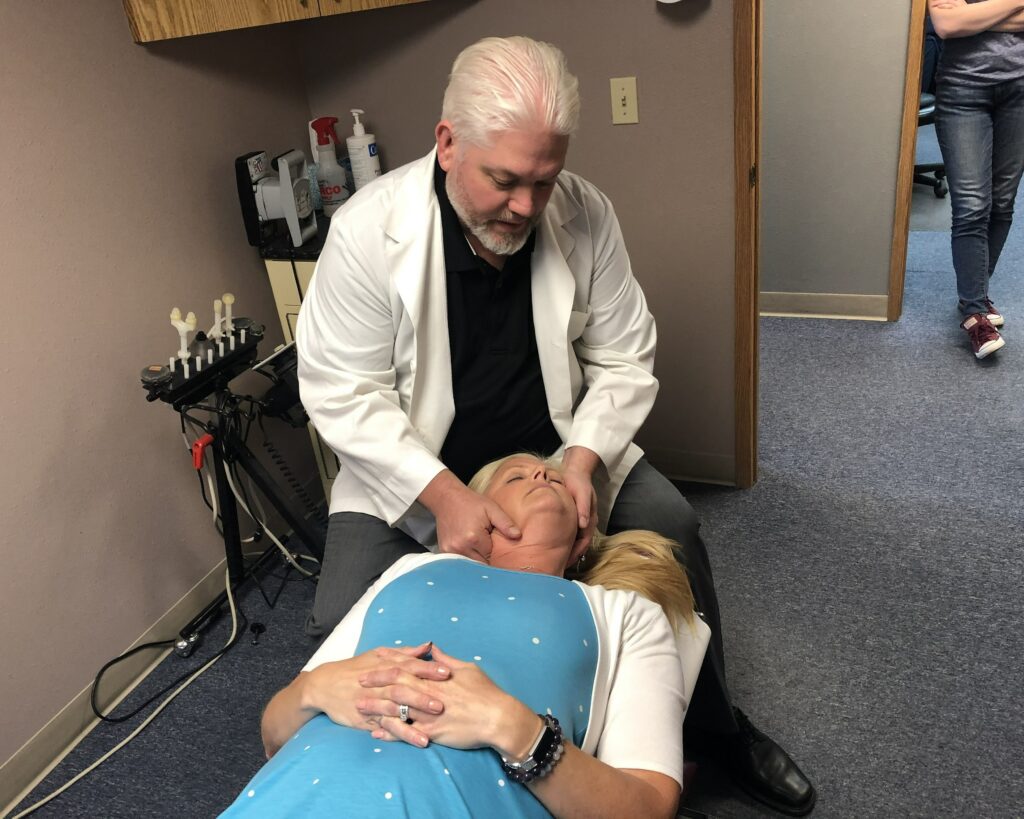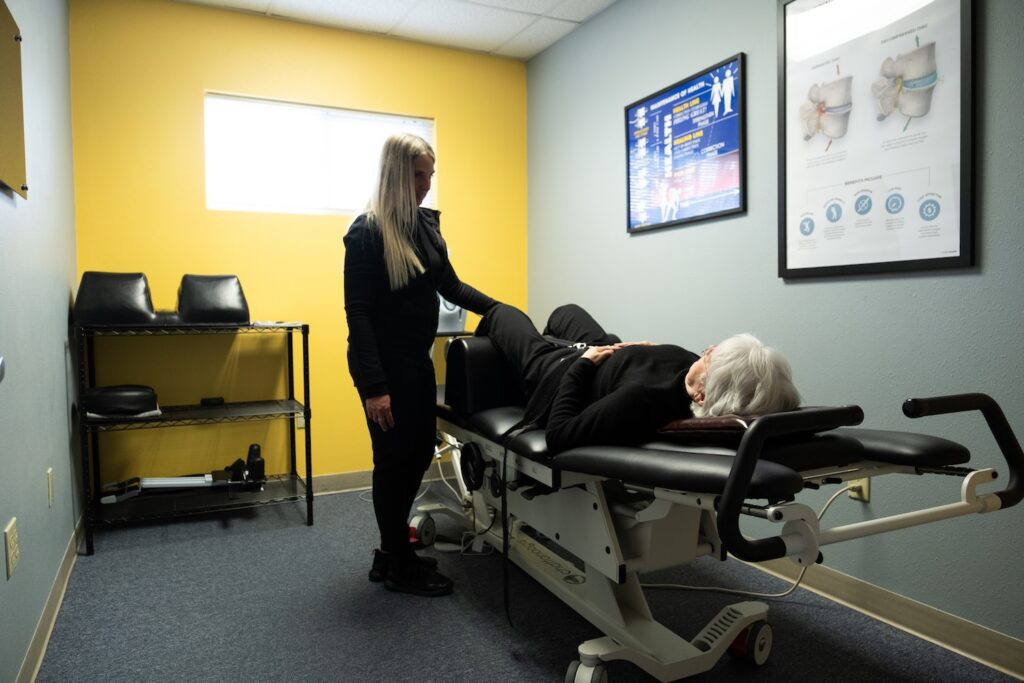

As a local chiropractor, I want to share some valuable insights about effective recovery techniques for sports injuries that may not be familiar to you. When you experience a sports injury, it's crucial to explore various recovery methods that can significantly enhance your healing process. Options such as chiropractic care, physical therapy, cryotherapy, and acupuncture each provide distinct advantages tailored to your needs.
Chiropractic care, in particular, focuses on aligning your spine and joints, which can alleviate pain and improve mobility. Beyond that, nutrition and hydration are essential components of your recovery, as they help your body repair and rebuild tissues. Additionally, maintaining a positive mental attitude towards your recovery can make a remarkable difference.
The key question is: which techniques truly stand out, and how can you effectively combine them for optimal results? By understanding the unique benefits of these approaches, you can take control of your recovery journey and work towards a swift return to your favorite activities.
Physical Therapy
When it comes to recovering from sports injuries, chiropractic care plays a vital role in your healing journey. It's not solely about getting back into the game; it's about ensuring your body heals properly and regains its strength.
As a chiropractor, I focus on assessing your injury, identifying any underlying issues, and creating a personalized recovery plan tailored to your specific needs. This individualized approach helps you work on regaining mobility and functionality while minimizing the risk of re-injury.
During our sessions, you'll experience a variety of treatment techniques designed to promote healing. For instance, spinal adjustments can help alleviate pain, improve alignment, and enhance your overall mobility. Additionally, therapies such as soft tissue manipulation and rehabilitation exercises can aid in reducing inflammation and strengthening the affected area.
I also prioritize educating you about proper body mechanics and posture to prevent further strain on your injury.
Open communication is essential in our chiropractic relationship. I encourage you to share any concerns or discomfort you might feel during treatment. This feedback allows me to adjust your care plan as needed, ensuring that you're comfortable while also challenging your body to improve.
Chiropractic care is an active process, and your engagement is crucial to your recovery. By following my guidance and staying committed to your treatment plan, you won't only recover more quickly but also build a stronger foundation for your future athletic pursuits.
This investment in your health will ultimately allow you to return to your sport with confidence and resilience. So, embrace the benefits of chiropractic care and embark on your journey toward natural healing and recovery.
Rehabilitation Exercises
Rehabilitation exercises play a crucial role in your recovery journey after experiencing a sports injury, and as a chiropractor, I want to highlight their importance in the context of natural healing.
These exercises are designed to restore strength, flexibility, and range of motion to the affected area, which is essential for a safe and effective return to your favorite sport. It's vital to personalize your rehabilitation plan based on your specific injury and the stage of your recovery, so I encourage you to consult with me or another healthcare professional to create a tailored approach.
Here are some key rehabilitation exercises I recommend considering:
- Strengthening: Start with low-resistance, high-repetition exercises that help rebuild muscle strength while minimizing strain on the injured area. This method is gentle yet effective in restoring function.
- Stretching: Integrate targeted stretches for the muscles surrounding your injury. This practice enhances flexibility and helps prevent stiffness, facilitating a smoother recovery.
- Balance and Coordination: Incorporate exercises that improve your balance and proprioception. These skills are vital for injury prevention in the future and can enhance your overall athletic performance.
- Functional Movements: As you progress, gradually include movements that closely resemble the actions of your sport. This helps your body adjust to the specific demands of your activity, making the transition back smoother.
Always pay attention to how your body feels during rehabilitation. If you notice any pain or discomfort, it's important to modify the intensity of your exercises or seek guidance from a professional like myself.
Consistency is essential in this process, so stick to your rehabilitation routine and progressively increase the difficulty as you heal.
Cryotherapy
As a local chiropractor, I want to introduce you to cryotherapy, an innovative recovery technique that can play a significant role in your sports injury rehabilitation. This method involves exposing your body to extremely cold temperatures for a brief period, usually lasting between two to three minutes. The primary aim of cryotherapy is to reduce inflammation, alleviate pain, and expedite the healing process.
By constricting blood vessels, this therapy limits blood flow to the injured area, effectively minimizing swelling and discomfort.
When you step into a cryo chamber or utilize localized cryotherapy devices, your body reacts by increasing circulation as you return to a normal temperature. This enhanced blood flow delivers essential nutrients and oxygen to the injured tissues, promoting faster recovery. Many athletes I've worked with have reported feeling invigorated and experiencing a significant reduction in soreness after their cryotherapy sessions.
You may be wondering about the best times to incorporate cryotherapy into your recovery routine. It's often recommended to use it immediately after a workout or following a sports event when your muscles are fatigued and sore. However, it can also serve as a proactive measure to prevent injuries, making it a great addition to your regular training regimen.
While cryotherapy can be extremely beneficial, I always advise consulting with a healthcare professional, such as myself, before starting any new recovery technique—especially if you have underlying health conditions.
It's crucial to listen to your body, and if you experience any adverse effects, it's important to reassess your approach. Embracing cryotherapy could be a game-changer in optimizing your recovery and helping you return to your favorite activities faster than ever.
I'm here to support you on your journey to natural healing and improved well-being!
Acupuncture
As a local chiropractor, I want to share how acupuncture can be a transformative approach for managing pain and enhancing your recovery process.
This technique involves stimulating specific points in your body, which can significantly improve blood circulation—an essential factor in healing.
If you're exploring alternative methods to support your recovery, I encourage you to consider acupuncture as a complementary option alongside chiropractic care.
Together, they can help you achieve a holistic approach to wellness and recovery.
Pain Relief Mechanism
As a local chiropractor, I want to share with you the benefits of acupuncture as a natural healing method for pain relief, especially during your recovery from injuries. This ancient practice involves the precise insertion of thin needles into specific points on your body, which can stimulate your nervous system and encourage your body's natural healing processes.
Many athletes swear by acupuncture for its effectiveness in alleviating pain and reducing inflammation.
Here are some key benefits of acupuncture that you might find helpful:
- Endorphin Release: Acupuncture promotes the release of endorphins, which are your body's natural painkillers. This means that after a session, you may feel a noticeable improvement in your pain levels.
- Nerve Signal Modulation: The placement of the needles can influence nerve signals, helping to lessen the perception of pain throughout your body.
- Muscle Relaxation: By focusing on specific points, acupuncture can help ease tension in your muscles, which often contributes to discomfort and pain.
- Holistic Approach: This practice not only targets physical pain but also addresses emotional and psychological stress, leading to a more comprehensive sense of well-being.
Integrating acupuncture into your recovery plan can offer a well-rounded approach to pain management.
Whether you're dealing with a sprain, strain, or a chronic injury, acupuncture may support quicker recovery and help you get back to doing what you love faster.
If you're curious about how this natural healing technique can work alongside chiropractic care, I encourage you to reach out and learn more!
Improved Blood Circulation
As a local chiropractor, I want to take a moment to emphasize the importance of improved blood circulation in the healing process, especially when it comes to recovering from injuries.
Many people may not realize that when you experience an injury, blood flow to the affected area can decrease, which hampers the delivery of essential nutrients and the removal of waste products. This is where chiropractic care, alongside techniques like acupuncture, can make a significant impact.
Through various chiropractic adjustments and techniques, we can help stimulate blood flow, which in turn promotes the delivery of oxygen and nutrients to the injured tissues. This increased circulation not only aids in reducing inflammation but also enhances your body's natural healing capabilities.
If you're on the road to recovery from a sports-related injury, I encourage you to consider adding chiropractic care to your rehabilitation plan.
Many athletes have found that it significantly improves their recovery times and overall performance. By focusing on restoring proper alignment and function in your body, we can optimize your healing process.
In addition to improving circulation, chiropractic care can help alleviate pain and tension, making it easier for you to participate in rehabilitation exercises.
Remember, better blood flow translates to quicker healing, allowing you to get back to your sport sooner.
Nutrition and Hydration
As a local chiropractor, I want to emphasize the critical role that proper nutrition and hydration play in your recovery from sports injuries. When you experience an injury, your body goes into healing mode, which requires an abundance of essential nutrients and adequate hydration to support the recovery process. By prioritizing what you eat and drink, you can significantly accelerate your healing and improve your overall health.
First and foremost, a balanced diet filled with key nutrients is vital. Here are some important components to focus on:
- Protein: This macronutrient is crucial for repairing tissues and building muscle. Incorporate sources like lean meats, fish, legumes, and dairy into your meals to ensure you're getting enough protein to aid your recovery.
- Vitamins and Minerals: Nutrients such as vitamins C and D, along with minerals like zinc and magnesium, are fundamental to the healing process. Make sure to include a variety of fruits, vegetables, nuts, and whole grains in your diet to cover these important vitamins and minerals.
- Healthy Fats: Omega-3 fatty acids, which can be found in fish and flaxseeds, are known to help reduce inflammation. Don't hesitate to use healthy oils like olive oil in your cooking.
- Hydration: Staying well-hydrated is absolutely essential. Water not only supports circulation but also aids in the transport of nutrients throughout your body, so aim to drink plenty of water throughout the day.
In addition to maintaining a nutritious diet, it's vital to keep an eye on your hydration levels. Dehydration can slow down your recovery process, so make it a routine to hydrate before, during, and after any physical activity. A simple way to monitor your hydration status is to check the color of your urine; it should ideally be light yellow.
Rest and Recovery
As a local chiropractor, I want to emphasize the importance of rest and recovery in your journey towards healing from sports injuries. When your body is recovering, it's essential to give it the time it needs to repair itself. Many people mistakenly believe that more activity will speed up their recovery, but in reality, prioritizing rest is crucial to prevent setbacks.
It's vital to listen to your body during this healing process. If you're experiencing pain or discomfort, that's your body's way of telling you to take a break. However, this doesn't mean you should completely stop all forms of activity. Instead, consider engaging in gentle movements or low-impact exercises that won't place additional strain on your injury. This approach can help you maintain some level of fitness while allowing the affected area to rest and heal.
Incorporate scheduled rest days into your routine. These days should be focused on relaxation and recovery. You might find activities like stretching, yoga, or leisurely walks beneficial.
Also, don't underestimate the power of adequate sleep; aim for 7-9 hours each night to support your body's natural healing processes.
Another useful strategy to consider is the R.I.C.E method: Rest, Ice, Compression, and Elevation. Applying ice to the injured area can help reduce swelling, while compression and elevation can alleviate discomfort.
As your chiropractor, I'm here to guide you through these practices and support your natural healing journey. Remember, taking the time to recover properly is essential for long-term health and wellness.
Mental Health Strategies
As a local chiropractor, I want to emphasize the importance of mental health in your recovery from a sports injury.
While many people focus solely on the physical aspects of healing, your mental well-being is equally crucial. Incorporating practices like mindfulness and meditation into your routine can help you stay centered during your recovery process.
Additionally, utilizing positive visualization techniques can enhance your motivation and boost your confidence as you work through your rehabilitation.
Let's take a closer look at how these natural healing strategies can support your journey toward recovery and overall wellness.
Mindfulness and Meditation
Incorporating mindfulness and meditation into your recovery routine can significantly enhance your overall mental well-being, especially as you navigate the healing process with chiropractic care.
These practices enable you to stay present, alleviate anxiety, and cultivate a positive mindset during your recovery journey. By dedicating just a few minutes each day to mindfulness and meditation, you can create a supportive environment that complements your chiropractic treatment.
Here are some techniques to help you get started:
- Breathing Exercises: Focusing on your breath is a simple yet effective way to calm your mind and reduce stress. Take deep breaths in through your nose and exhale slowly through your mouth to help center yourself, promoting relaxation that enhances the benefits of your chiropractic adjustments.
- Body Scan Meditation: Lying down comfortably, mentally check in with each part of your body. This practice can help you become more aware of areas of tension, which can inform your chiropractor about specific spots to address during your treatment.
- Guided Meditations: Consider using apps or online resources to find guided meditation sessions specifically designed for recovery. These resources can offer valuable support and direction that aligns with your chiropractic care.
- Mindful Movement: Engaging in gentle activities like yoga or tai chi can be particularly beneficial. These practices blend movement with mindfulness, promoting both physical recovery and mental clarity, which can enhance the healing process facilitated by chiropractic adjustments.
Positive Visualization Techniques
As a chiropractor, I believe that cultivating mindfulness in your recovery journey is vital, and incorporating positive visualization techniques can significantly enhance your mental resilience and motivation. This powerful approach involves envisioning yourself in a healthy, active state, successfully overcoming any physical challenges you may be facing. By vividly picturing your recovery, you're not just daydreaming—you're training your mind to embrace the possibility of healing.
To get started, find a quiet space where you can relax comfortably. Close your eyes and take a few deep breaths to center yourself. Envision yourself moving freely, engaging in your favorite activities with confidence and strength. Imagine the sensations of your muscles working, the joy of being active, and the satisfaction of achieving your goals. The more details you incorporate—colors, sounds, and emotions—the more effective your visualization will be.
I encourage you to incorporate this practice into your daily routine. Even just a few minutes each day can reinforce your determination and keep you focused on your recovery goals.
Remember, visualization isn't solely about what you see; it's also about how you feel during this process. By embracing this technique, you're fostering a positive mindset and actively participating in your healing journey.
Conclusion
As your local chiropractor, I want to share how incorporating various techniques can significantly support your recovery from sports injuries. Engaging in physical therapy and rehabilitation exercises can effectively strengthen your body, while treatments such as cryotherapy and acupuncture are excellent for managing pain and reducing inflammation.
It's crucial to remember that proper nutrition and hydration play essential roles in your healing journey. Equally important is ensuring you prioritize rest to allow your body to recover fully. Additionally, don't overlook the significance of mental health; strategies like mindfulness can help you stay focused and motivated during your recovery.
By combining these holistic approaches with chiropractic care, you're not just healing; you're positioning yourself to return to your sport even stronger. Embracing these natural healing methods can lead to a more effective and fulfilling recovery process.