
As a local chiropractor, I want to help you understand how effective chiropractic techniques can aid in your recovery from sports injuries. When you're facing an injury, it's crucial to know that methods like spinal adjustments and soft tissue therapy can significantly enhance your body's natural healing process.
Many of my patients have found relief and improved performance through techniques such as Active Release Technique and kinesiology taping. These methods not only help alleviate pain but also contribute to better overall function and athletic performance.
It's important to recognize that each technique has a specific role in your recovery, and knowing which one to focus on can be key to your success. I'm here to guide you through these options and help you get back to your best self. Let's explore how these chiropractic approaches can support your healing journey together.
Spinal Adjustments
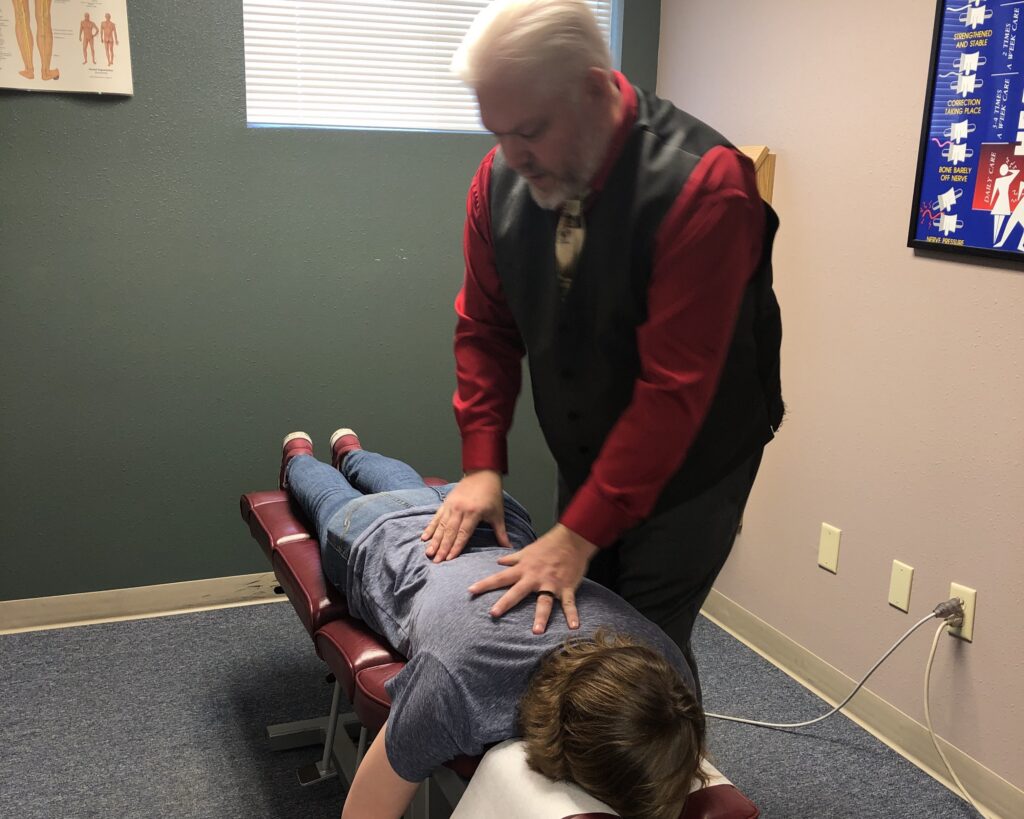
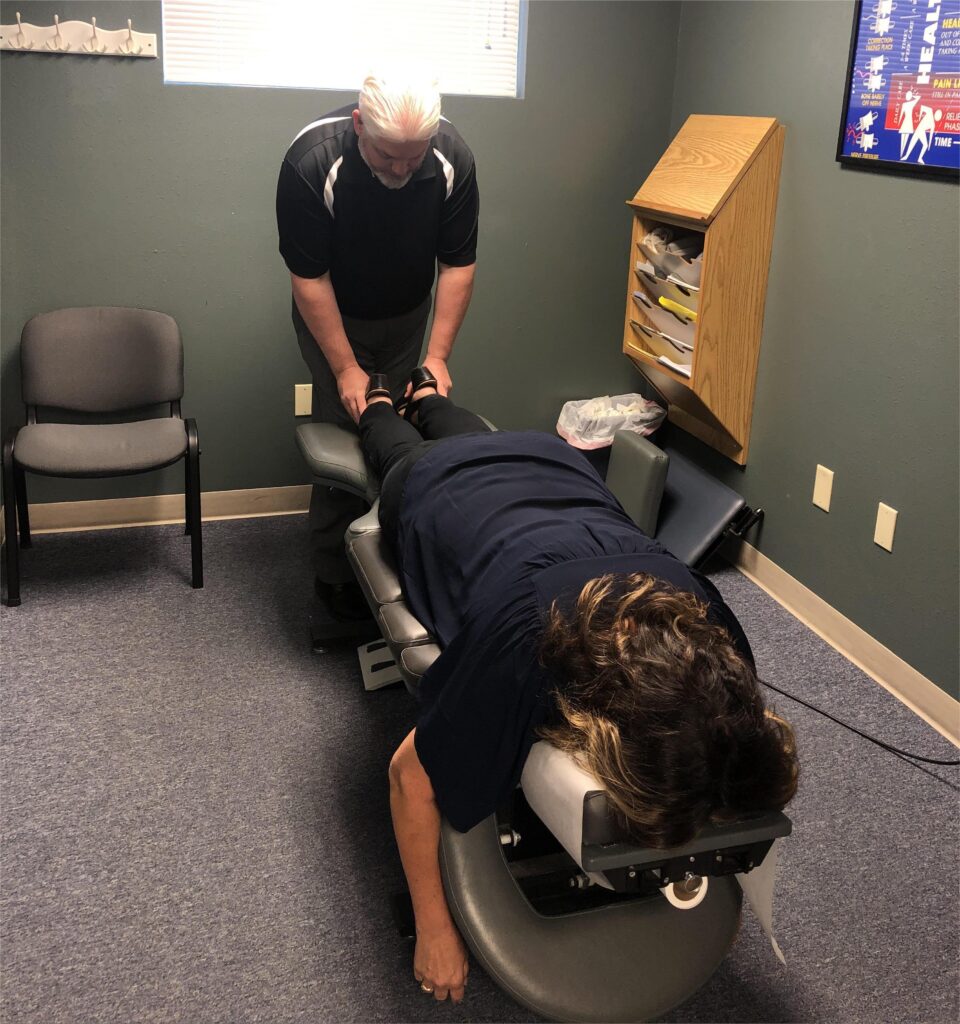
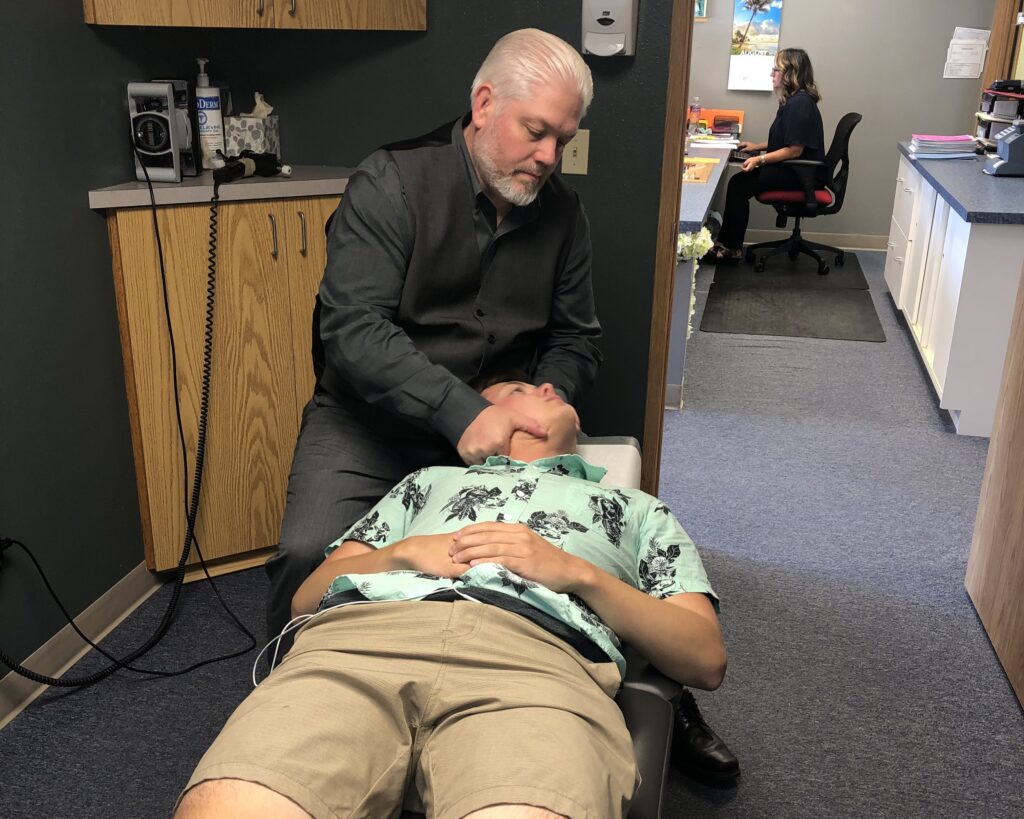
As a local chiropractor, I want to share how spinal adjustments can play a vital role in your recovery from sports injuries. Many people don't realize that engaging in sports can put significant physical stress on your body, often leading to misalignments in your spine. These misalignments can cause discomfort, limit your mobility, and even impact your athletic performance. That's where spinal adjustments come in.
When you come in for a spinal adjustment, I'll use specific techniques to gently realign your spine. This process isn't just about alleviating immediate pain; it also promotes long-term healing. Many of my patients notice improvements in their coordination and balance after adjustments, which are crucial for performing at your best in sports.
Moreover, by realigning your spine, we enhance the function of your nervous system, leading to better communication between your brain and body. This improved connection can really elevate your athletic abilities.
Incorporating regular spinal adjustments into your recovery routine can also serve as a preventive measure against future injuries. Keeping your spine aligned helps reduce strain on surrounding muscles and joints, allowing you to maintain peak physical condition.
Additionally, many athletes find that regular adjustments help them manage stress, which is especially important during competitive seasons.
If you're unfamiliar with chiropractic care, I encourage you to consider how spinal adjustments can support your overall health and athletic performance. It's a natural and effective way to help your body recover and thrive!
Soft Tissue Therapy
After we've assessed and adjusted your spinal alignment, the next step in your recovery journey is soft tissue therapy. This vital component plays a crucial role in healing from sports injuries. Soft tissue therapy specifically targets the muscles, tendons, ligaments, and fascia—the structures that support your body and often become tight or damaged after an injury. By addressing these tissues, you can promote healing, enhance flexibility, and alleviate pain.
In our practice, we utilize a variety of techniques within soft tissue therapy, including massage, stretching, and myofascial release. These methods are designed to break down scar tissue, relieve muscle tension, and improve blood circulation, which is essential for recovery. During your session, I'll evaluate the affected areas and develop a personalized treatment plan that caters to your unique needs.
Many patients report feeling immediate relief from muscle tightness or soreness after their therapy sessions. Over time, you can expect to see an increase in your range of motion and overall athletic performance.
It's important to communicate openly with me about any discomfort you may experience during treatment; this feedback allows me to fine-tune the techniques to ensure your comfort and effectiveness of the therapy.
Incorporating soft tissue therapy into your recovery plan can significantly accelerate your healing process. By not only focusing on your bones but also the surrounding soft tissues, you're paving the way for a more complete recovery.
Active Release Technique
Active Release Technique (ART) is an innovative form of soft tissue therapy that we, as chiropractors, utilize to help our patients achieve optimal health. This technique focuses on pinpointing and addressing specific areas of tension and dysfunction in your muscles, tendons, and fascia.
It's particularly effective for individuals, especially athletes, who may suffer from injuries or chronic pain due to repetitive motions or overuse.
During an ART session, we'll conduct a thorough assessment of your body to identify areas where scar tissue or adhesions may have developed. These issues can often lead to pain, stiffness, and a reduced range of motion.
By applying targeted manual pressure while you engage in specific movements, we can effectively break up the scar tissue, enhance blood flow, and promote healing.
Many of our patients notice significant improvements in flexibility and overall performance after just a few sessions. ART not only alleviates pain but also accelerates recovery times, allowing you to return to your daily activities or sports more quickly.
The versatility of this technique means it's suitable for various sports-related injuries, whether you're dealing with a strained muscle, tendonitis, or joint pain.
Integrating ART into your recovery plan can complement other chiropractic techniques and therapies, helping you regain peak function naturally.
If you're interested in learning more about how Active Release Technique can support your journey towards better health and recovery from injuries, we encourage you to consult with us.
Let's work together to find the best strategies for your healing process.
Sports Massage
As a local chiropractor, I want to share the incredible benefits of sports massage, especially when it comes to recovering from sports injuries. This specialized technique focuses on manipulating muscles and soft tissues, which can significantly enhance your healing process and alleviate pain. By increasing blood flow and circulation, sports massage delivers essential nutrients to damaged tissues, aiding in a quicker recovery.
A skilled massage therapist can pinpoint specific areas of tension and discomfort, helping to relieve tightness and increase flexibility. This is particularly important for those dealing with muscle strains or sprains. By loosening these tight muscles, you can improve your range of motion and reduce the risk of further injuries.
Moreover, sports massage isn't just about physical healing; it can also help alleviate stress and anxiety that often accompany the recovery journey. The relaxation fostered during a massage can elevate your mental state, making it easier to concentrate on your rehabilitation goals. As you unwind during your session, your body is better equipped to respond to treatment, promoting overall well-being.
To maximize the benefits of sports massage, I recommend scheduling sessions regularly throughout your recovery process. Always discuss your specific injury with your therapist so they can customize the massage to your unique needs.
Combining massage with other natural healing methods, such as chiropractic adjustments or physical therapy, can create a comprehensive recovery strategy.
Incorporating sports massage into your recovery plan can be a powerful tool for enhancing healing, promoting relaxation, and ultimately getting you back to your active lifestyle sooner. Don't overlook the valuable advantages it can provide as you strive for full recovery.
Kinesiology Taping
As a local chiropractor, I want to share with you the transformative benefits of kinesiology taping in your recovery journey.
This technique can significantly alleviate pain while offering crucial support to your muscles, helping to prevent injuries before they occur.
By integrating kinesiology taping into your care plan, you can enhance your overall performance and maintain your active lifestyle for longer.
Many of my patients have found it to be an effective addition to their natural healing process, and I encourage you to explore how it can benefit you as well.
Pain Relief Benefits
As a local chiropractor, I want to introduce you to a powerful technique that can provide immediate pain relief and improve your mobility: kinesiology taping. This innovative method is gaining popularity not just among athletes, but also among individuals seeking natural healing solutions.
Kinesiology taping involves applying elastic therapeutic tape directly to your skin, which can significantly alleviate pain and offer support to injured muscles or joints. You may be surprised to learn how this tape works—it lifts the skin slightly, which helps to reduce pressure on pain receptors and promotes better blood circulation in the affected areas.
This technique is especially effective for managing both acute injuries and chronic pain. Whether you're dealing with a sprain, strain, or discomfort following surgery, kinesiology tape can provide the extra support you need to remain active.
Imagine engaging in your favorite activities without the constant distraction of pain; this allows you to concentrate on your performance and enjoyment rather than your injury.
One of the best aspects of kinesiology taping is that it's a non-invasive approach. This means you won't have to rely solely on medications or more invasive treatments. You can learn to apply kinesiology tape yourself, or you can seek assistance from a trained professional, like myself.
By incorporating this technique into your routine, you can experience a newfound sense of freedom, enabling you to push through your workouts with less discomfort and a greater sense of well-being.
If you have questions about how kinesiology taping can work for you, please don't hesitate to reach out. Your journey to natural healing and improved mobility starts here!
Enhanced Muscle Support
As your local chiropractor, I want to share an effective technique that can significantly enhance your recovery process: kinesiology taping. This method not only helps relieve pain but also provides crucial support for your muscles and joints, allowing them to function more efficiently during your healing journey.
When we apply kinesiology tape to specific areas of your body, it gently lifts the skin. This lifting action creates more space underneath, which promotes better blood circulation and lymphatic drainage. As a result, you may experience reduced swelling and improved mobility—both vital for your recovery.
The tape is designed to mimic the elasticity of your skin, giving you the freedom to move fully while still providing the stability your muscles and joints require. This means you can participate in physical activities without worrying about straining an injury.
Additionally, kinesiology tape has the added benefit of activating underused muscles. It encourages these muscles to engage more effectively, which can lead to quicker recovery times and enhanced performance when you return to your favorite activities or sports.
By incorporating kinesiology taping into your overall recovery plan, you're taking an important step toward regaining strength and functionality.
If you're new to chiropractic care and natural healing, I encourage you to consider how kinesiology taping can complement your recovery efforts. It's a proactive approach to healing that can make a positive difference in your journey back to health.
Injury Prevention Strategies
As a local chiropractor, I want to emphasize the importance of injury prevention for athletes and active individuals. One effective tool that I often recommend is kinesiology taping. This technique involves applying a special elastic tape to your skin, which provides support to injured muscles and joints while allowing for a full range of motion.
By using kinesiology tape, you can enhance your proprioception, which means you'll become more aware of your body movements and positioning during your activities. Before you dive into your workout or game, I encourage you to consider applying kinesiology tape to areas that are more susceptible to injury, like your knees, ankles, or shoulders.
This tape can help alleviate pressure on these vulnerable spots, thus reducing the risk of strains or sprains. Furthermore, it promotes blood circulation, which is essential for muscle recovery and can help decrease inflammation.
It's crucial to learn the correct application techniques for kinesiology taping. I recommend consulting with a chiropractor or physical therapist, like myself, who can provide personalized guidance. We can tailor the taping method to your specific needs, ensuring that you receive maximum support.
Rehabilitation Exercises
As a local chiropractor, I want to emphasize the vital role that rehabilitation exercises play in your recovery from sports injuries. These exercises are designed to help restore strength, flexibility, and overall functionality to the injured area, not only promoting healing but also preventing future injuries.
Whether you're coping with a sprained ankle or a strained muscle, engaging in customized rehabilitation exercises can significantly enhance your recovery journey.
It's important to incorporate a diverse range of exercises into your routine. Strengthening exercises are crucial for rebuilding muscle strength, while flexibility exercises focus on enhancing your range of motion. Additionally, core stability exercises are fundamental, as they provide support for your entire body during physical activities.
I can help you design a rehabilitation program specifically tailored to your needs, ensuring it aligns with the type of injury you're dealing with and your recovery goals.
When starting your rehabilitation, it's essential to begin slowly and gradually increase the intensity of your exercises. Always listen to your body—if something doesn't feel right, it's important to avoid pushing through any pain.
Consistency is key for optimal results, so aim to perform your exercises regularly. Tracking your progress can also serve as a great motivator and help keep you on the right path.
Furthermore, integrating balance and coordination drills can greatly assist in your recovery. These exercises not only help regain functionality but also build confidence in your movements.
Remember, rehabilitation isn't just about returning to the game; it's about emerging stronger and more resilient than before. By committing to your rehabilitation exercises, you're making a valuable investment in your long-term health and athletic performance.
My goal as your chiropractor is to support you throughout this process and guide you towards a healthy recovery.
Conclusion
As a local chiropractor, I want to emphasize the incredible benefits that chiropractic care can offer for your recovery from sports injuries. Integrating techniques such as spinal adjustments, soft tissue therapy, and kinesiology taping into your recovery plan can significantly enhance your healing process and improve your overall athletic performance.
Each of these methods plays a crucial role in helping you get back on track, and it's important not to overlook the value of rehabilitation exercises and sports massage as well. These complementary practices work together to support your body's natural healing abilities.
By adopting a holistic approach to your recovery, you can not only recover more quickly but also reduce the risk of future injuries. This proactive mindset is key to keeping you active and performing at your best. If you have questions about how chiropractic care can benefit you, I'm here to guide you through the process.