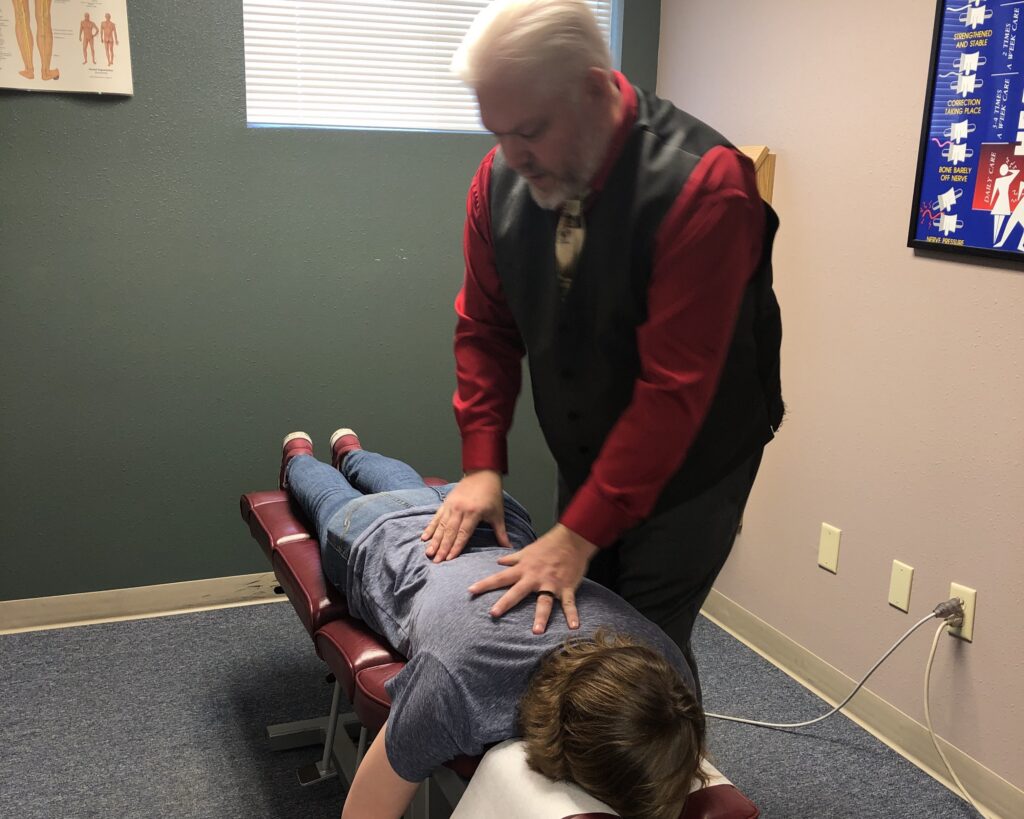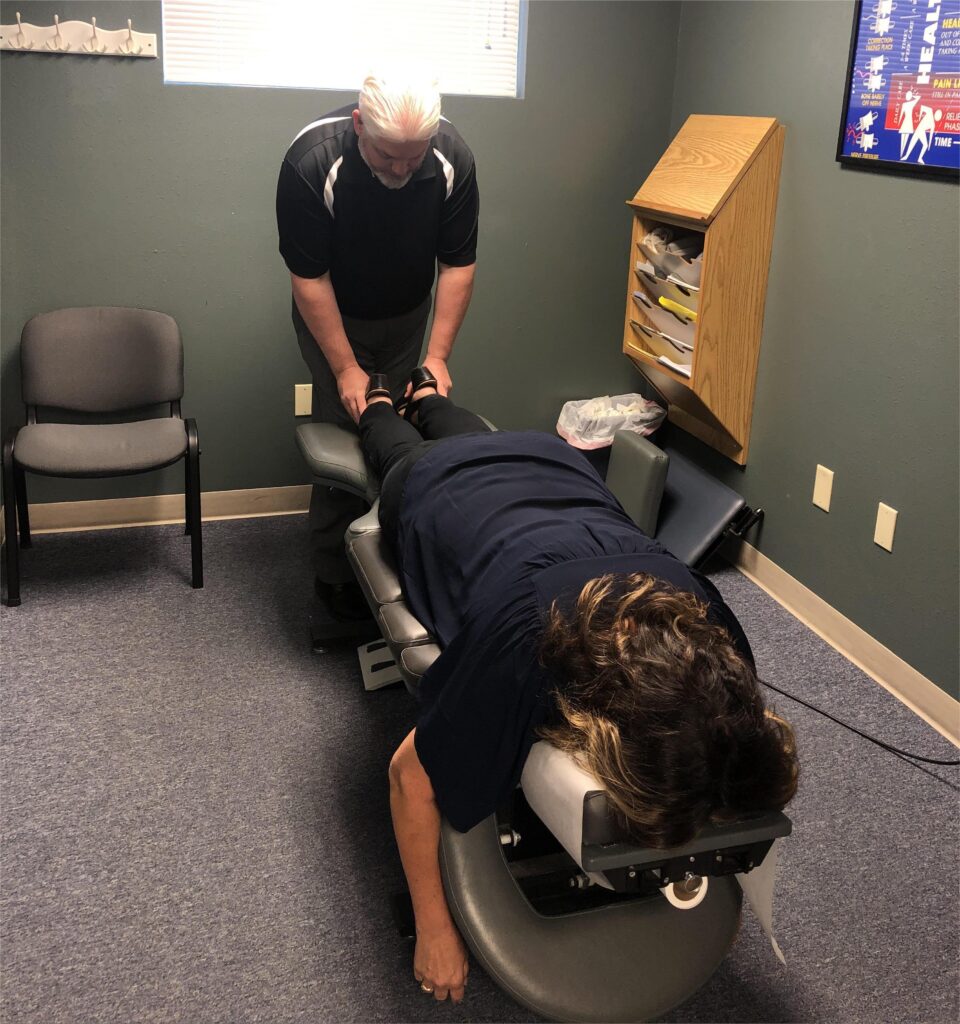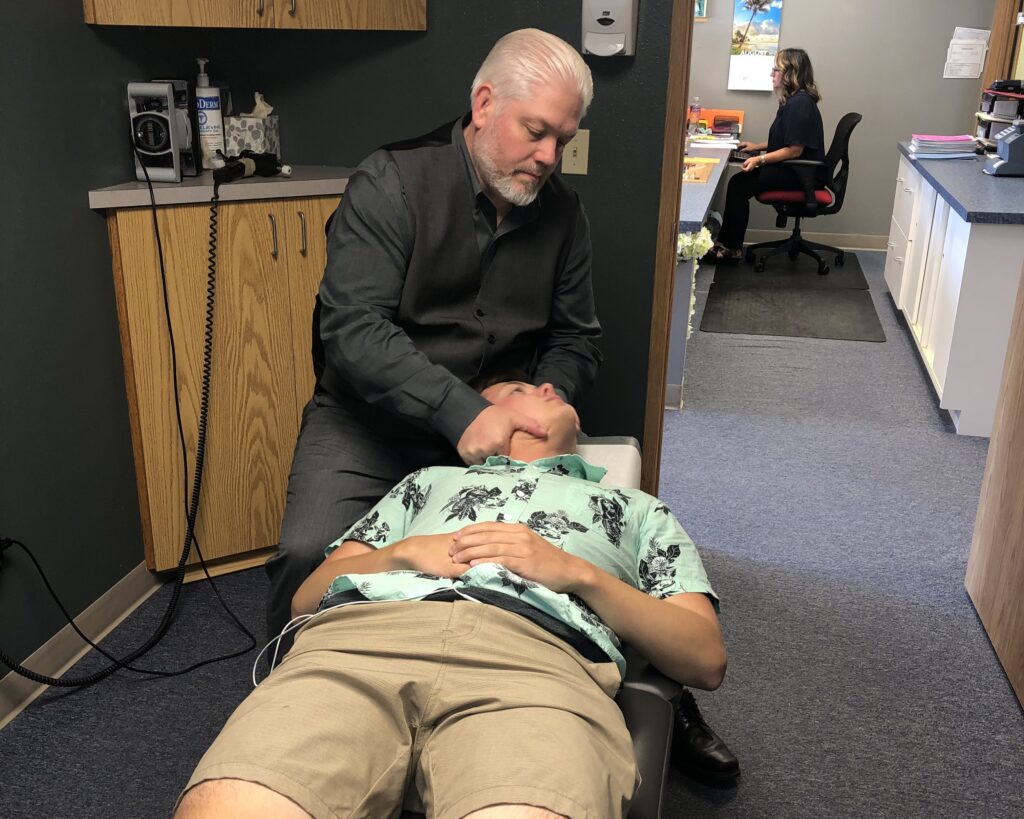

As a local chiropractor, I want to emphasize the vital role that preventative care plays in maximizing your athletic performance. Regular check-ups and proactive measures, including chiropractic adjustments, can help identify and address issues before they hinder your training. You may be surprised at how focusing on proper alignment, nutrition, hydration, and recovery can truly elevate your game. It's not just about pushing yourself harder; it's about working smarter and more efficiently.
Incorporating chiropractic care into your routine can enhance your overall well-being and performance. Many athletes overlook the connection between physical health and mental clarity, but they are intricately linked. By ensuring your body is in proper alignment, you can reduce pain, improve mobility, and increase your range of motion, all of which contribute to a better training experience.
So, what steps can you take to ensure you're not just performing, but thriving? Consider scheduling regular chiropractic visits to maintain optimal spinal health, and discuss your nutrition and recovery strategies with a professional. Together, we can create a comprehensive plan that supports your athletic journey and helps you reach your goals. Remember, it's about making wise choices for your body and embracing a holistic approach to your health.
Importance of Preventative Care
Preventative care is essential for anyone looking to enhance their overall well-being and maintain an active lifestyle. As a local chiropractor, I want to emphasize that prioritizing your health not only boosts your physical abilities but also significantly reduces the risk of injuries that could keep you from enjoying your daily activities for an extended period.
Regular visits to a chiropractor can help detect underlying issues before they develop into more serious problems. These appointments provide an opportunity for early intervention, ensuring that you remain in optimal condition.
Integrating preventative measures into your daily routine is crucial for sustaining ideal physical health. This includes focusing on proper nutrition, hydration, and quality sleep. A well-balanced diet nourishes your body, while staying hydrated is vital for keeping your joints lubricated and muscles functioning properly.
Quality sleep is equally important, as it allows your body to recover and repair itself, preparing you for your next day's activities.
Additionally, incorporating flexibility and strength training into your regimen is a vital aspect of preventative care. Engaging in regular stretching exercises can enhance your range of motion and significantly reduce the risk of strains and sprains.
Strength training builds muscle resilience, enabling your body to better withstand physical demands.
Listening to your body is another crucial component of preventative care. If you start to feel discomfort or fatigue, it's important not to ignore these signals. Addressing these concerns early can prevent more serious injuries down the line.
Also, incorporating rest days into your schedule is essential, as it gives your body time to recover and adapt.
As a chiropractor, I encourage you to take a proactive approach to your health. By embracing preventative care, you can optimize your physical capabilities and lead a more fulfilling, active life.
Effective Training Techniques
To achieve optimal health and wellness, it's essential to implement effective training techniques that align with your personal goals and physical capabilities. As your local chiropractor, I encourage you to start by setting clear, measurable health objectives. Whether you're looking to enhance strength, boost endurance, or improve flexibility, having specific targets allows us to create a focused approach to your training and recovery.
Incorporating a variety of movement techniques into your routine is vital for keeping your workouts engaging and comprehensive. A blend of strength training, cardiovascular activities, and flexibility exercises not only promotes overall fitness but also helps reduce the risk of injury. For strength training, utilizing free weights, resistance bands, or even bodyweight exercises can be beneficial.
It's important to aim for a balanced regimen that engages all major muscle groups while also considering the health of your spine and joints.
Equally important is the concept of recovery. Scheduling regular rest days and integrating active recovery methods such as gentle yoga or light swimming can be incredibly beneficial for your body. These practices facilitate healing and prevent burnout, allowing you to maintain a consistent training routine.
Always listen to your body; if you're experiencing fatigue or discomfort, it's crucial to adjust your training intensity to avoid further strain.
Lastly, tracking your progress is key. Maintaining a training log can help you monitor your performance, document improvements, and identify areas that may require additional focus. This record not only keeps you motivated but also enables us to adjust your training techniques in a way that supports your overall health and aligns with chiropractic principles.
Nutrition for Peak Performance
As a local Chiropractor, I want to emphasize the importance of proper nutrition in not only supporting your overall health but also enhancing your athletic performance. The foods you choose to fuel your body can significantly influence your energy levels, endurance, and recovery, which are all crucial for your well-being and physical activity.
To achieve your best, it's important to focus on a well-rounded diet that includes the right nutrients. Here are some key areas to consider:
- Carbohydrates: Think of carbohydrates as your body's primary energy source. They're vital for replenishing glycogen stores, which helps maintain your energy during physical activities. Including whole grains, fruits, and vegetables in your diet can ensure you have the energy you need.
- Proteins: Proteins play a critical role in muscle repair and growth. After intense physical activity, your muscles need protein to recover effectively. Opt for lean protein sources such as chicken, fish, legumes, and plant-based proteins to support your recovery process.
- Fats: It's important to include healthy fats in your diet, as they provide sustained energy and support various bodily functions. Incorporate sources like avocados, nuts, seeds, and olive oil, which can contribute to your overall health and energy levels.
Micronutrients—vitamins and minerals—are equally important in supporting numerous body functions, including immune health and muscle contraction. Eating a diverse array of fruits and vegetables can help ensure you get the essential nutrients your body needs.
Don't overlook hydration, either. Staying properly hydrated is crucial for maintaining optimal performance. Dehydration can lead to fatigue and decreased physical abilities. Be sure to drink plenty of water throughout the day, and consider electrolyte-rich beverages during extended physical activities to help replenish lost minerals.
Finally, meal timing can play a significant role in your performance and recovery. Consuming a balanced meal 2-3 hours before engaging in physical activity can enhance your performance, while proper post-workout nutrition can aid in faster recovery.
Recovery Strategies for Athletes
As a local chiropractor, I want to emphasize that recovery is a crucial aspect of athletic performance that often doesn't receive the attention it deserves compared to training and nutrition.
To truly unlock your athletic potential, it's essential to prioritize your recovery strategies just as much as your workouts. One effective method I recommend is active recovery. This involves engaging in low-intensity exercises, such as light jogging, swimming, or yoga, which can enhance blood circulation and help eliminate lactic acid from your muscles without putting additional strain on your body.
Hydration is another key component of recovery. When you exercise, you lose not only water through sweat but also important electrolytes that are vital for muscle function and preventing cramps. To support your muscles and overall performance, ensure you're drinking enough fluids before, during, and after your activities.
Sleep is also a fundamental part of the recovery process. I advise aiming for 7-9 hours of quality sleep each night, as this is when your body undergoes crucial repair and regeneration. Establishing a calming bedtime routine—such as turning off screens and engaging in relaxing activities—can greatly enhance your sleep quality.
Incorporating practices like foam rolling and stretching into your routine can help alleviate muscle soreness and improve flexibility. These techniques are excellent for releasing muscle tension and expanding your range of motion, which can also complement chiropractic adjustments.
Lastly, I encourage you to consider contrast baths or ice baths as part of your recovery regimen. Alternating between hot and cold water can significantly reduce inflammation and expedite your recovery process by stimulating circulation.
As a chiropractor, I can guide you on how to integrate these recovery strategies effectively into your routine to promote natural healing and optimal performance.
Mental Health and Performance
As a local chiropractor, I want to emphasize the significant impact that mental resilience has on your overall health and performance, not just in athletics but in daily life as well.
How you respond to challenges and setbacks can greatly influence your physical well-being. When you encounter stress, whether from competition or everyday pressures, your mental state can either boost your progress or hold you back. That's why it's essential to prioritize your mental health alongside your physical care to unlock your full potential.
Here are some strategies to enhance your mental resilience:
- Practice mindfulness: Incorporating mindfulness techniques into your routine can help you stay grounded and focused. This practice not only reduces anxiety but also complements the physical adjustments you receive in chiropractic care, enhancing your overall performance and well-being.
- Set realistic goals: Establishing achievable objectives is crucial for measuring progress and building confidence. Just like in chiropractic treatment where we set realistic expectations for recovery, having clear goals helps maintain your motivation throughout your health journey.
- Seek support: Surrounding yourself with a supportive network, including healthcare professionals, family, and friends, can make a significant difference. As your chiropractor, I encourage you to share your emotional ups and downs; together, we can navigate these challenges more effectively.
Remember, mental health isn't just about managing stress; it's about cultivating a positive mindset that complements your physical health.
Regularly check in with yourself and be mindful of your emotions. If you start to notice signs of burnout or anxiety, please don't hesitate to reach out for help—whether it's through chiropractic care, counseling, or other support systems.
Your mental and physical health are interconnected, and together, we can work towards achieving a balanced and healthy life.
Conclusion
As a local chiropractor, I want to emphasize the importance of incorporating preventative care into your athletic routine for optimizing both performance and longevity. Many people often overlook this aspect, but prioritizing regular chiropractic visits is crucial. Chiropractic care can help align your body, improve your biomechanics, and enhance your overall function, allowing you to perform at your best.
In addition to chiropractic care, focusing on nutrition, staying well-hydrated, and ensuring you get quality sleep are key components of a successful athletic regimen. It's essential to understand that achieving peak performance involves more than just hard training; it requires smart training.
I encourage you to embrace recovery strategies, such as stretching and relaxation techniques, as well as taking care of your mental health. This holistic approach contributes significantly to your overall well-being and athletic success.
Listening to your body is vital. If you experience discomfort or notice any issues, addressing them proactively with chiropractic care can help prevent injuries and keep you on track to reach your peak potential. Remember, I'm here to educate and support you on your journey to becoming the best athlete you can be!