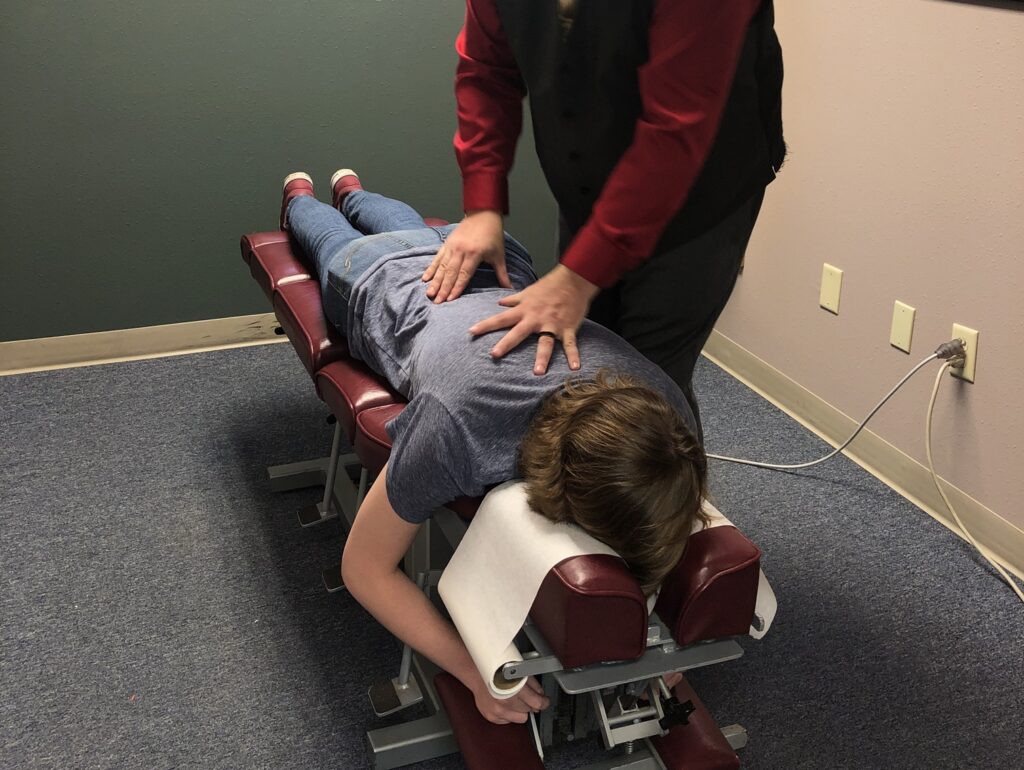

If you're dealing with neck pain, you might want to explore natural remedies that can offer relief without the side effects of medication. Essential oils like lavender and peppermint, along with herbal teas such as chamomile, can help soothe discomfort and promote relaxation. Integrating these remedies into your routine could make a noticeable difference, but there's more to reflect on for effective relief. Understanding the underlying causes and combining various approaches can enhance your overall well-being—let's look at some practical methods that might just change your experience.
Understanding Neck Pain
Neck pain is a common issue that affects many people at some point in their lives. You might experience discomfort for various reasons, including poor posture, muscle strain, or even injuries. Understanding the underlying causes of your neck pain is essential for finding effective relief.
You may notice that neck pain often stems from prolonged periods of sitting, especially if you're hunched over a computer or smartphone. This can lead to tension in the neck muscles, making it feel stiff and sore. Additionally, sleeping in an awkward position or using an unsupportive pillow can contribute to discomfort.
If you've recently experienced a whiplash injury from an accident, that could also be a significant factor in your neck pain.
Another common cause is stress, which can lead to muscle tightness in the neck and shoulders. When you're stressed, you might unconsciously tense your muscles, leading to pain over time. It's important to recognize these triggers to address them effectively.
If you've been experiencing chronic neck pain, it's a good idea to consult a healthcare professional. They can help determine the root cause and suggest appropriate treatments.
You should also be aware that neck pain can sometimes radiate down into your arms, indicating a more serious issue.
Gentle Stretches and Exercises
To alleviate neck pain, incorporating gentle stretches and exercises into your daily routine can be incredibly beneficial. Start with simple neck stretches to improve flexibility and reduce tension.
One effective stretch is the neck tilt. Sit or stand up straight, and gently tilt your head toward your shoulder, holding for 15 to 30 seconds. Switch sides and repeat. This stretch helps lengthen the muscles on the sides of your neck.
Another helpful exercise is the chin tuck. While sitting or standing, pull your chin back towards your neck, feeling a stretch at the back of your head. Hold for five seconds, then relax. This exercise strengthens the muscles that support your neck and helps improve posture.
You can also benefit from shoulder rolls. Sit or stand with your arms at your sides. Roll your shoulders forward in a circular motion for ten repetitions, and then switch to rolling them backward. This movement loosens tight muscles and increases blood flow to the area.
Finally, consider the doorway stretch. Stand in a doorway with your arms raised at shoulder height and bent at a 90-degree angle. Place your forearms on the door frame and gently lean forward until you feel a stretch across your chest and shoulders. Hold for 15 to 30 seconds.
Incorporating these gentle stretches and exercises into your routine not only helps relieve neck pain but also promotes better posture and overall neck health.
Remember to listen to your body and avoid pushing into any painful positions.
Heat and Cold Therapy
When it comes to relieving neck pain, heat and cold therapy can be incredibly effective.
You can use heat to relax tight muscles and improve circulation, while cold therapy helps reduce inflammation and numb sharp pain.
Let's explore how to apply these techniques for maximum relief.
Benefits of Heat Therapy
Heat therapy offers numerous benefits for alleviating neck pain, making it a popular choice among those seeking relief. When you apply heat to your neck, it increases blood flow to the area, promoting healing and relaxation. This increased circulation helps to deliver essential nutrients and oxygen, which can reduce stiffness and improve mobility.
Using heat can also help soothe muscle tension and spasms, making it easier for you to move without discomfort. Whether you prefer a warm towel, heating pad, or hot water bottle, the gentle warmth penetrates deep into your muscles, providing a comforting sensation that alleviates pain.
Additionally, heat therapy can enhance your overall sense of well-being. The warmth encourages the release of endorphins, your body's natural painkillers, which can elevate your mood and help you feel more relaxed.
It's a simple yet effective way to manage neck pain, especially when combined with other remedies.
Remember to use heat therapy safely. Apply it for 15-20 minutes at a time, and always check the temperature to avoid burns. By incorporating heat therapy into your routine, you can take significant steps toward relieving your neck pain.
Advantages of Cold Therapy
Cold therapy is another effective method for managing neck pain, offering distinct advantages that complement heat therapy. When you apply cold to your neck, it constricts blood vessels, which can reduce inflammation and swelling. This is particularly beneficial if you've recently experienced an injury or flare-up. By lessening inflammation, you're likely to find some immediate relief from pain.
Additionally, cold therapy numbs the affected area, which can provide a temporary escape from discomfort. This numbing effect can be especially useful during the first 48 hours following an injury, when your body is still reacting to trauma. It can also help alleviate muscle spasms, giving you a break from those annoying tight knots.
Another advantage of cold therapy is its accessibility. You can easily use items like ice packs, frozen vegetables, or even a cool cloth, making it a convenient option for many.
Finally, cold therapy can be integrated into your routine with minimal disruption, allowing you to manage your neck pain effectively while going about your day. Overall, incorporating cold therapy into your pain management strategy can provide a revitalizing complement to heat therapy.
Application Techniques Explained
To effectively relieve neck pain, it's essential to understand the proper application techniques for both heat and cold therapy.
When using heat, you can opt for a warm towel, heating pad, or hot water bottle. Apply the heat source to your neck for 15-20 minutes at a time. Make certain it's warm, not scorching, to avoid burns. You can repeat this several times a day to help relax tense muscles and improve blood flow.
For cold therapy, ice packs or a bag of frozen peas work well. Wrap the ice pack in a thin cloth to prevent direct contact with your skin. Apply it to the affected area for 15-20 minutes, allowing your skin to warm up between sessions. This helps reduce inflammation and numbs the area, providing pain relief.
Remember not to apply heat and cold therapy simultaneously, as it can diminish their effectiveness. Use heat for muscle tension and stiffness, while cold therapy is best for swelling and acute injuries.
Essential Oils for Relief
Many people find essential oils to be a powerful ally in relieving neck pain. These natural extracts can help reduce inflammation, promote relaxation, and ease muscle tension. When you inhale or apply them, you might experience a significant improvement in your comfort levels.
To get started, consider these essential oils known for their pain-relieving properties:
- Lavender: Known for its calming effects, it helps reduce stress and tension.
- Peppermint: Its cooling sensation can soothe sore muscles and stimulate blood circulation.
- Eucalyptus: This oil has anti-inflammatory properties that may help alleviate discomfort.
- Rosemary: Often used to relieve pain and improve circulation, it can be beneficial for neck stiffness.
- Frankincense: This oil is known for its ability to reduce inflammation and promote overall relaxation.
You can use these oils in various ways. A few drops mixed with a carrier oil can be massaged into your neck for immediate relief.
Alternatively, an essential oil diffuser can fill your space with soothing scents, helping to create a calming environment.
Remember, everyone's body responds differently, so you might need to experiment to find the perfect combination that works for you.
Don't forget to consult with a healthcare professional if you have any concerns or if your neck pain persists. Embracing the power of essential oils could be the gentle solution you've been searching for.
Herbal Remedies and Teas
When you're looking to ease neck pain, herbal remedies and soothing teas can be powerful allies.
Certain anti-inflammatory herbs can help reduce discomfort, while a blend of essential oils adds an extra layer of relief.
Let's explore how these natural options can support your journey to feeling better.
Soothing Herbal Teas
Sipping on soothing herbal teas can be a delightful way to find relief from neck pain. The warmth of the tea not only comforts you but also helps to relax tight muscles and ease tension.
Here are some herbal options you might enjoy:
- Chamomile: Known for its calming effects, chamomile can help reduce stress and promote better sleep.
- Peppermint: This invigorating tea can provide a cooling sensation and improve circulation, which may alleviate discomfort.
- Ginger: With its warming properties, ginger tea can stimulate blood flow and soothe muscle stiffness.
- Lavender: Renowned for its relaxing aroma, lavender tea can help you unwind and release the tension that contributes to neck pain.
- Lemon Balm: This herb has a gentle, calming effect that may help ease anxiety and promote relaxation.
Making time for a warm cup of herbal tea can transform your day. As you sip, take a moment to breathe deeply and let the soothing properties of the herbs work their magic.
Enjoy the process, and you might just find that your neck pain eases along with your stress.
Anti-inflammatory Herbs
Herbal teas aren't just for relaxation; they can also pack a powerful punch against inflammation. Incorporating anti-inflammatory herbs into your routine can greatly help alleviate neck pain.
One of the most effective options is ginger. Known for its strong anti-inflammatory properties, ginger can reduce swelling and discomfort. You can brew ginger tea by steeping fresh ginger slices in hot water for 10 minutes, then enjoy.
Turmeric is another powerhouse herb you shouldn't overlook. Its active compound, curcumin, has been shown to combat inflammation. You can mix turmeric powder into your teas or smoothies for an extra kick. Just be sure to add a pinch of black pepper to enhance curcumin absorption.
Willow bark is an ancient remedy that may help with pain relief. It contains salicin, which is chemically similar to aspirin, making it effective for reducing inflammation. You can find it in tea form or as a supplement.
Lastly, don't forget about chamomile. While often recognized for its calming effects, chamomile can also help reduce inflammation and muscle tension. Brew a cup before bedtime for a soothing end to your day while combating neck pain.
Essential Oils Blend
Essential oils can be a powerful addition to your neck pain relief arsenal. When used correctly, these natural extracts can help soothe discomfort and promote relaxation. Blending the right oils not only enhances their effectiveness but also creates a delightful aroma that uplifts your spirit.
Here are some essential oils you might consider:
- Lavender: Known for its calming properties, it can reduce tension and stress.
- Peppermint: Its cooling sensation can alleviate pain and increase blood circulation.
- Eucalyptus: This oil helps relieve muscle tightness and promotes respiratory ease.
- Ginger: A warming oil that can reduce inflammation and enhance circulation.
- Frankincense: It's known for its anti-inflammatory benefits and can deepen your relaxation.
To create your blend, mix a few drops of these oils with a carrier oil, like coconut or jojoba, and gently massage it into your neck.
You'll not only feel the effects on your pain but also enjoy the calming scents that linger in the air. Remember, consistency is key for the best results, so incorporate this ritual into your daily routine for lasting relief.
Mindfulness and Relaxation Techniques
Many people overlook the power of mindfulness and relaxation techniques when seeking relief from neck pain. These practices can help you manage stress and tension, which often contribute to discomfort in your neck and shoulders. By incorporating mindfulness into your daily routine, you can create a powerful tool for alleviating pain.
Start by dedicating a few minutes each day to mindfulness meditation. Find a quiet space, sit comfortably, and focus on your breath. As you inhale and exhale, visualize tension leaving your neck and shoulders. This simple practice helps ground you in the present moment, easing both physical and mental strain.
You might also try progressive muscle relaxation. This technique involves tensing and then relaxing each muscle group in your body, starting from your toes and working up to your neck. As you consciously release tension, you'll notice the tightness in your neck dissipating.
Incorporating gentle stretching into your mindfulness routine can further enhance relaxation. Simple neck rolls and side stretches help release built-up tension and improve flexibility. Pair these stretches with deep, mindful breaths to maximize their effectiveness.
Lastly, don't underestimate the power of visualization. Picture a warm, soothing light surrounding your neck, melting away pain and stress.
Maintaining Good Posture
Maintaining good posture is essential for preventing and alleviating neck pain. When you sit or stand with proper alignment, it helps reduce the strain on your neck and shoulders.
You mightn't realize it, but small adjustments can make a big difference in your overall comfort. Here are some key tips to keep in mind:
- Align your ears with your shoulders: This simple adjustment can relieve pressure on your neck.
- Keep your feet flat on the floor: This stabilizes your base and encourages a straight spine.
- Adjust your screen height: Your computer screen should be at eye level to avoid leaning forward.
- Take frequent breaks: Standing up and stretching regularly can help reset your posture.
- Strengthen your core: A strong core supports your spine and helps maintain good posture.
Conclusion
Incorporating natural remedies into your routine can make a real difference in relieving neck pain. By combining gentle stretches, essential oils, and herbal teas, you can soothe discomfort and promote relaxation. Don't forget to practice good posture and mindfulness to support your neck health. Remember, it's all about finding what works best for you and staying consistent. With these simple strategies, you can enjoy a more comfortable and pain-free life.