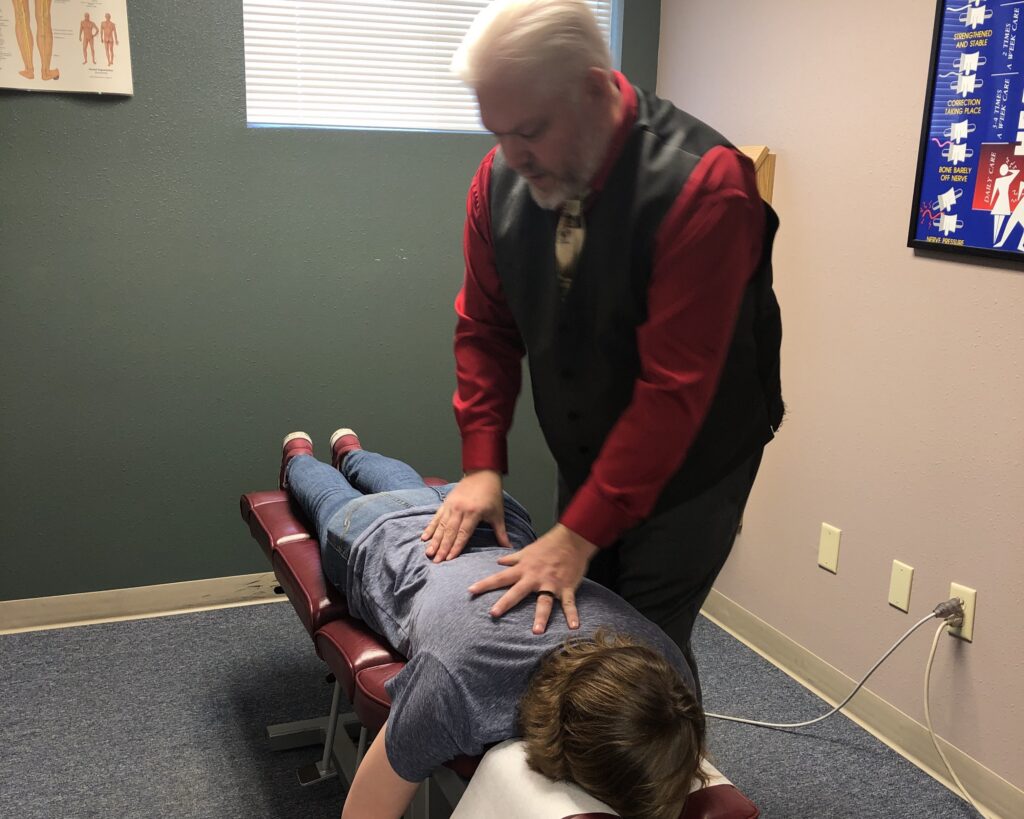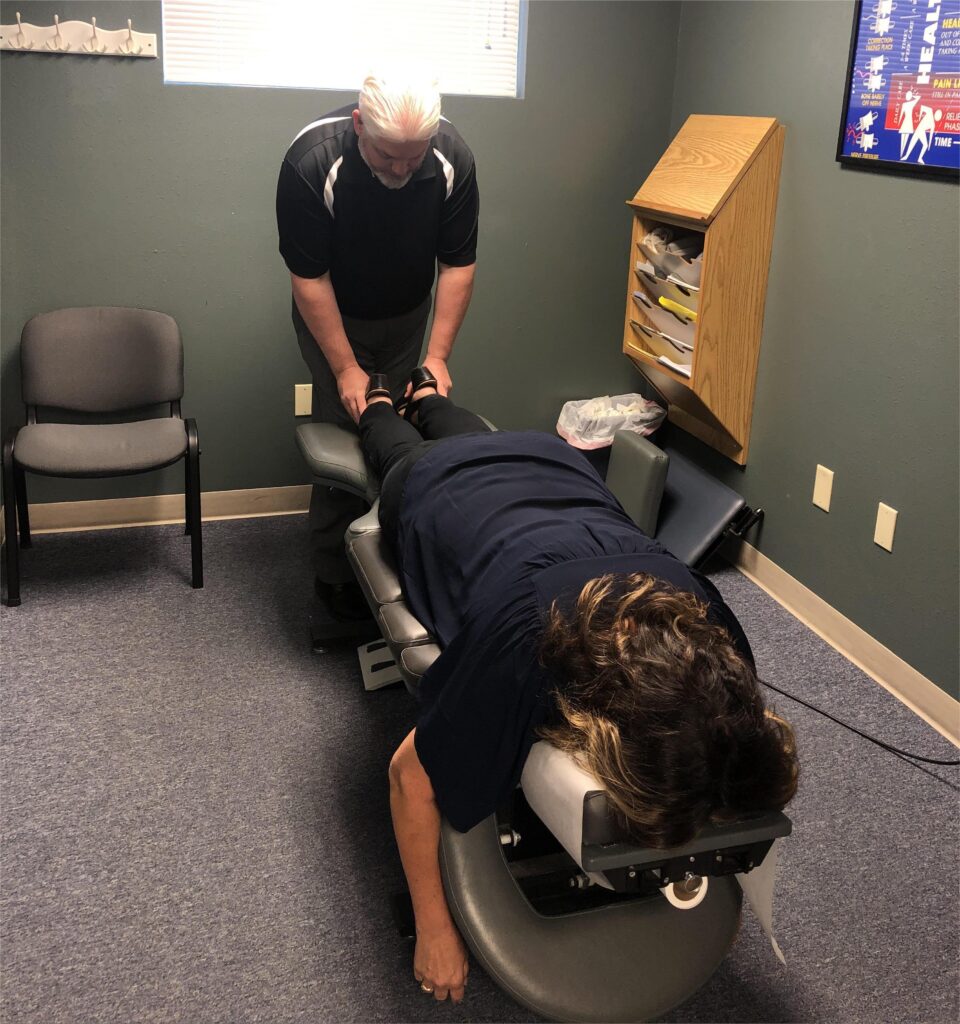

If you're dealing with neck pain, you might be wondering about effective natural remedies. From herbal treatments like ginger and turmeric to essential oils that soothe, there are various options available to you. Gentle stretching exercises can also play an important role in reducing discomfort. However, not all remedies work the same for everyone, and knowing the right approach can make a significant difference. So, what specific methods could you explore to find the relief you need?
Understanding Neck Pain
Neck pain is a common issue that can stem from various causes, including poor posture, muscle strain, and stress. You might find yourself hunched over your computer or glued to your phone, creating unnecessary tension in your neck and shoulders. This poor posture can lead to discomfort and stiffness, making everyday activities more challenging.
Muscle strain is another frequent culprit. If you've been lifting heavy objects or engaging in physical activities without proper warm-ups, you may have overexerted your neck muscles. Even sleeping in an awkward position can contribute to this strain, leaving you with a sore neck in the morning. It's crucial to pay attention to how you're positioning your body throughout the day.
Stress plays a notable role in neck pain as well. When you're feeling anxious or overwhelmed, you may unconsciously tighten the muscles in your neck. This tension can lead to headaches and further discomfort, creating a vicious cycle that's hard to break.
Being aware of your daily habits can help you address the root causes of your neck pain. Incorporating regular breaks during long hours of sitting, practicing good ergonomics, and managing your stress levels can greatly improve your condition.
Herbal Remedies
When dealing with neck pain, exploring herbal remedies can offer a natural approach to finding relief. Many plants have properties that may help reduce inflammation, ease tension, and provide comfort.
One popular option is ginger. Known for its anti-inflammatory effects, you can consume ginger tea or incorporate it into your meals to help alleviate discomfort.
Turmeric is another powerful herb worth contemplating. It contains curcumin, which has been shown to reduce pain and inflammation. Adding turmeric to your diet, whether in smoothies or as a spice in cooking, could enhance your overall well-being.
If you prefer topical applications, think about making a paste with turmeric and coconut oil and applying it directly to the affected area.
Willow bark is often referred to as "nature's aspirin." It's been used for centuries to relieve pain. You can find it in supplement form or as a tea. Just be cautious with dosages, and consult with a healthcare professional before starting any new regimen.
Another herb to ponder is devil's claw, which is known for its analgesic and anti-inflammatory properties. It's often available as a supplement and may help with chronic neck pain.
Lastly, don't overlook the soothing effects of chamomile. Drinking chamomile tea can promote relaxation and help reduce muscle tension in the neck.
Essential Oils
Essential oils can be a powerful tool in managing neck pain and promoting relaxation. These natural extracts, derived from plants, carry therapeutic properties that can alleviate discomfort and soothe tension in your neck. When used correctly, essential oils can help enhance your overall well-being.
One of the most popular essential oils for neck pain relief is lavender oil. Its calming aroma not only helps reduce stress but also alleviates pain and inflammation. You can apply a few drops to your fingertips and gently massage it onto the affected area.
Alternatively, consider using peppermint oil, known for its cooling sensation that can provide immediate relief. Just be certain to dilute it with a carrier oil, like coconut or jojoba oil, to avoid skin irritation.
Another excellent option is eucalyptus oil, which has anti-inflammatory properties that can help reduce muscle tension. Inhaling its scent through a diffuser can create a soothing environment while you rest.
You might also find relief with rosemary oil, which improves circulation and can ease stiffness in your neck.
For the best results, combine essential oils with a warm compress. After applying your chosen oil, place a warm cloth over the area for added comfort.
Remember to perform a patch test before using any new essential oil to confirm you don't have an adverse reaction. Incorporating essential oils into your routine can transform your neck pain management strategy, providing both physical relief and mental tranquility.
Gentle Stretching Exercises
Gentle stretching exercises can be a game-changer for neck pain relief.
By incorporating specific neck stretch techniques into your routine, you can improve flexibility and reduce tension.
Let's explore the benefits of stretching and how it can help you feel more comfortable and mobile.
Neck Stretch Techniques
Stretching your neck can greatly alleviate tension and improve mobility. Incorporating specific neck stretch techniques into your routine can help release tight muscles and promote relaxation.
One effective stretch is the side neck stretch. Sit or stand comfortably, tilt your head to one side, bringing your ear toward your shoulder. Hold for 15-30 seconds, then switch sides.
Another great technique is the chin tuck. While sitting or standing, gently draw your chin in towards your chest without tilting your head down. This helps strengthen the muscles in your neck and improve posture. Hold for 5 seconds, then release. Repeat this several times.
You can also try the neck rotation stretch. Turn your head slowly to one side, aiming to align your chin with your shoulder. Hold for 15-30 seconds, then rotate to the opposite side.
Lastly, the shoulder roll can relieve tension. Sit or stand with your arms relaxed at your sides. Roll your shoulders up, back, and down in a circular motion. Repeat this for 5-10 cycles.
Integrating these techniques into your daily routine can help ease neck discomfort and promote better overall neck health.
Benefits of Stretching
Incorporating gentle stretching exercises into your daily routine can greatly enhance your overall well-being. Stretching not only improves your flexibility but also helps reduce muscle tension in your neck. When you stretch, you increase blood flow to your muscles, promoting healing and reducing soreness.
You'll find that regular stretching can alleviate stiffness and make daily activities more comfortable. Additionally, stretching can help improve your posture. As you strengthen and lengthen the muscles around your neck, you're less likely to hunch or slouch, which can contribute to neck pain.
You'll notice that maintaining proper posture can also lead to less strain on your spine. Moreover, gentle stretching exercises can serve as a form of stress relief. When you take a moment to stretch, you're not just benefiting your body; you're also calming your mind.
This practice promotes relaxation and can even improve your mood.
Heat and Cold Therapy
Using heat and cold therapy can be a highly effective way to alleviate neck pain. These methods work by targeting inflammation and improving blood flow to the affected area. You can easily incorporate them into your routine for quick relief.
When you opt for heat therapy, you're fundamentally helping to relax tense muscles and improve circulation. You can use a heating pad or a warm towel, applying it to your neck for about 15-20 minutes. Just make sure you're comfortable and avoid using too much heat to prevent burns. This method is particularly beneficial if you've got stiff muscles or chronic pain.
On the other hand, cold therapy is great for reducing inflammation and numbing sharp pain. You can use an ice pack or even a bag of frozen peas wrapped in a cloth. Apply it to your neck for 15-20 minutes, ensuring you don't place the ice directly on your skin to avoid frostbite. Cold therapy is especially effective right after any activity that aggravates your neck pain.
You might find that alternating between heat and cold therapy provides the most relief. Start with cold therapy to reduce swelling, then switch to heat for muscle relaxation.
Always listen to your body; if one method feels better than the other, stick with what works for you. With consistent use, heat and cold therapy can be a simple yet powerful way to manage your neck pain effectively.
Posture Improvement Techniques
Maintaining proper posture can considerably reduce neck pain and prevent it from recurring. When you sit or stand with your spine aligned, you distribute weight evenly across your body, alleviating unnecessary strain on your neck. To improve your posture, start by being mindful of your body alignment. Keep your shoulders back and relaxed, and avoid hunching over your desk or device.
You might find it helpful to adjust your workstation. Position your computer screen at eye level so you don't have to tilt your head. If you're sitting, choose a chair that supports your lower back, and keep your feet flat on the floor. Consider using a small cushion or lumbar roll for extra support.
When you're on the go, be conscious of how you carry weight. Use a backpack with both straps to distribute the load evenly across your shoulders. If you're lifting something heavy, bend at your knees instead of your waist to protect your neck and back.
Incorporate regular breaks into your routine. If you're working at a desk, stand up, stretch, and walk around every 30 minutes. Simple stretches can enhance flexibility and relieve tension in your neck.
Try gently tilting your head from side to side or rolling your shoulders to release built-up stress.
Lifestyle Adjustments
To effectively manage neck pain, you'll need to make some lifestyle adjustments that focus on posture and your workspace.
Correcting your posture and setting up an ergonomic workspace can considerably reduce strain on your neck.
Let's explore how these changes can lead to lasting relief.
Posture Correction Techniques
Good posture can make a significant difference in managing neck pain. When you sit or stand correctly, you reduce the strain on your neck and surrounding muscles. Start by aligning your ears with your shoulders, keeping your chin parallel to the ground. This alignment helps distribute weight evenly and minimizes tension.
If you're sitting for long periods, make sure your back is straight and your feet are flat on the floor. Consider using a small cushion or lumbar roll to support your lower back, which can help maintain an upright position.
When you stand, keep your weight balanced evenly on both feet, and avoid locking your knees.
You should also be mindful of how you hold your phone or tablet. Instead of bending your neck to look down, raise your device to eye level.
Incorporating regular breaks to stretch your neck and shoulders can also be beneficial. Gently roll your shoulders back and forth or tilt your head side to side to alleviate tension.
Practicing these posture correction techniques consistently can lead to lasting relief from neck pain and promote overall well-being.
Ergonomic Workspace Setup
Creating an ergonomic workspace is essential for reducing neck pain and enhancing productivity. Start by adjusting your chair so your feet rest flat on the floor, and your knees are at a 90-degree angle. Your back should be supported by the chair's backrest, promoting proper posture.
Next, position your computer monitor at eye level. This prevents you from tilting your head up or down, which can strain your neck. Ideally, the top of the screen should be at or slightly below eye level, about an arm's length away. If you're using a laptop, consider a separate keyboard and mouse to maintain this alignment.
Additionally, make certain your keyboard is at a comfortable height, allowing your elbows to stay close to your body and form a 90-degree angle. This reduces strain on your neck and shoulders while typing.
Don't forget to take regular breaks. Stand up, stretch, and move around every 30 minutes to relieve tension.
Acupuncture and Massage Therapy
If you've ever experienced neck pain, you might find relief through acupuncture and massage therapy. Both methods focus on alleviating tension and promoting healing in your body.
Acupuncture involves inserting thin needles into specific points on your body, which can stimulate the nervous system and enhance blood flow. This practice may help reduce inflammation and relieve pain.
On the other hand, massage therapy utilizes various techniques to manipulate muscles and soft tissues. It's effective in easing muscle tension, improving circulation, and promoting relaxation.
Together, these therapies can provide a holistic approach to managing neck pain.
Here are some benefits you can expect from acupuncture and massage therapy:
- Reduced Muscle Tension: Both therapies target tight muscles, helping to release built-up tension in your neck.
- Improved Blood Flow: Enhanced circulation can promote healing and reduce inflammation in affected areas.
- Stress Relief: The relaxation experienced during these treatments can lower stress levels, which often contribute to neck pain.
- Increased Range of Motion: Regular sessions can improve flexibility and mobility in your neck, allowing for easier movement.
When seeking relief from neck pain, consider incorporating acupuncture and massage therapy into your routine.
Always consult with a healthcare professional to determine the best approach for your specific needs. Embracing these natural remedies could lead to a more comfortable, pain-free life.
Conclusion
Incorporating natural remedies for neck pain relief can make a significant difference in your comfort and overall well-being. By exploring herbal treatments, essential oils, and gentle exercises, you can find what works best for you. Don't forget the power of heat and cold therapy, improving your posture, and making lifestyle adjustments. If you're still struggling, consider acupuncture or massage therapy. With these strategies, you can take proactive steps toward a healthier, pain-free neck.