
When you're seeking natural ways to relax, chiropractic care can offer more than just spinal adjustments. By integrating techniques like deep breathing and gentle stretching, you can enhance your overall relaxation experience. Additionally, the use of essential oils during your sessions might elevate your emotional balance. But there's more to this holistic approach that could transform your well-being. What other practices can seamlessly complement your chiropractic journey and lead to a more peaceful mind and body?
Benefits of Chiropractic Adjustments
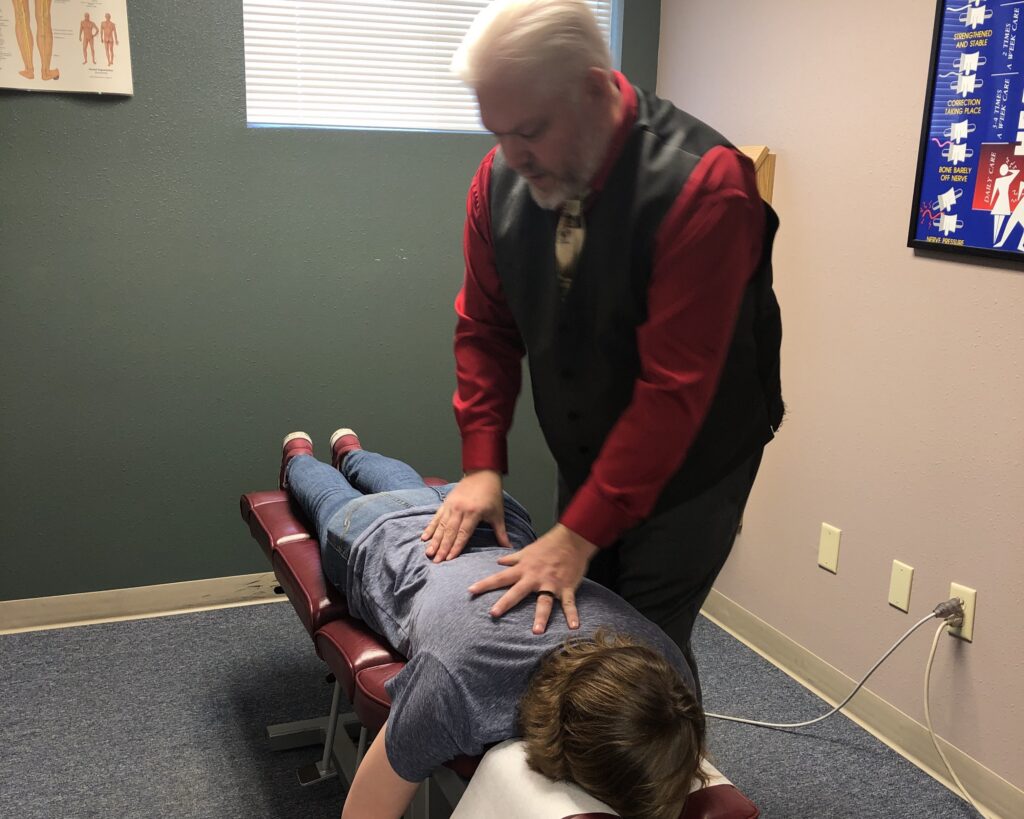
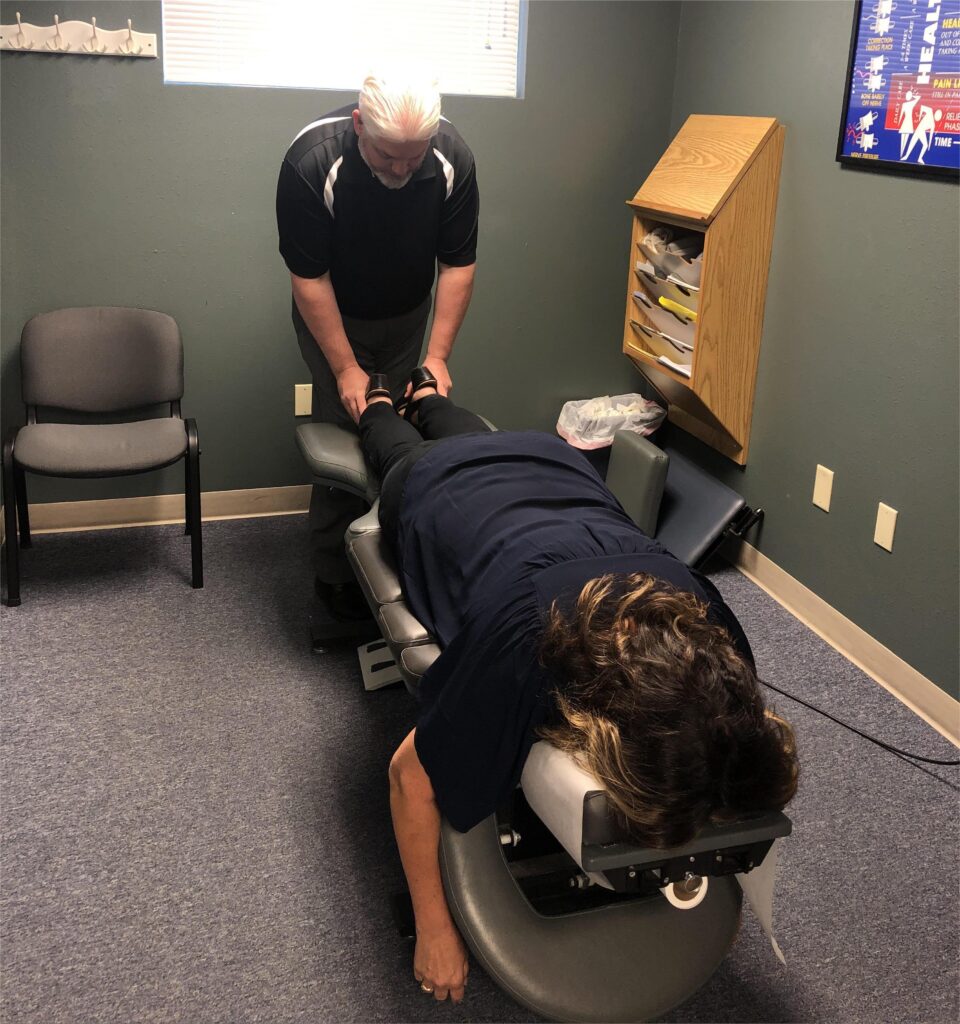
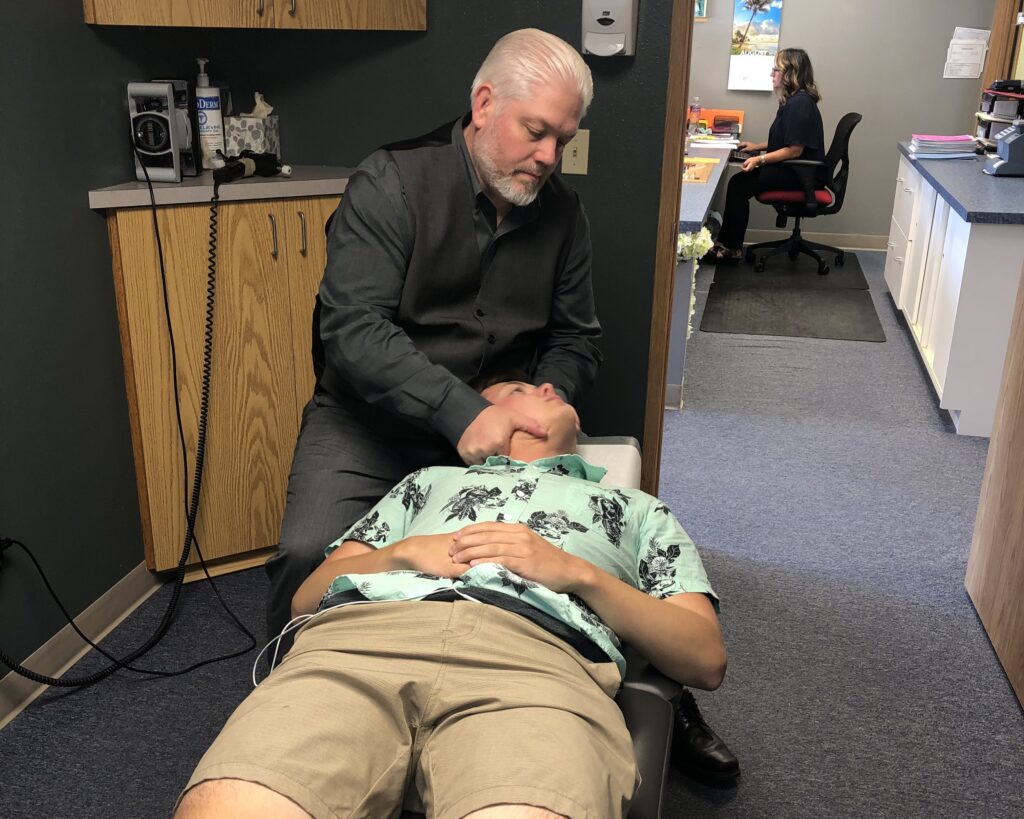
When you experience discomfort or tension, chiropractic adjustments can offer immediate relief and long-term benefits. These adjustments target misalignments in your spine and joints, helping to restore proper function. This isn't just about alleviating pain; it's about enhancing your overall well-being.
You'll likely notice improvements in your range of motion and flexibility, allowing you to engage more fully in your daily activities. Chiropractic care also plays an important role in reducing stress levels. When your body is aligned, it operates more efficiently, leading to a decrease in physical stress.
You might find that your body responds better to emotional stress as well, making it easier to manage daily challenges. A well-aligned spine can even improve your sleep quality, which is essential for your mental and emotional health.
Another benefit is the boost in your immune system. Regular chiropractic adjustments can enhance your body's natural defenses by ensuring that your nervous system functions effectively. This can lead to fewer illnesses and a quicker recovery when you do get sick.
Moreover, chiropractic adjustments promote better posture, which is critical in today's world of constant screen time. Improved posture can reduce the tension in your neck and shoulders, making you feel more comfortable throughout the day.
Techniques for Stress Relief
Stress relief techniques can greatly enhance your overall well-being, especially when combined with chiropractic care.
By incorporating these methods into your routine, you'll find it easier to manage daily stressors and improve your quality of life.
Here are four effective techniques you can try:
- Deep Breathing: Take a moment to focus on your breath. Inhale deeply through your nose, filling your lungs, and exhale slowly through your mouth. This simple practice calms your nervous system and reduces tension.
- Progressive Muscle Relaxation: Start from your toes and work your way up, tensing each muscle group for a few seconds before releasing. This technique helps identify and relieve areas of tension in your body.
- Mindfulness Meditation: Set aside a few minutes to sit quietly and concentrate on the present moment. Allow thoughts to come and go without judgment. This practice can help clear your mind and promote relaxation.
- Gentle Stretching: Incorporate simple stretches into your day. Focus on areas where you hold tension, such as your neck, shoulders, and back. This not only improves flexibility but also encourages blood flow and relaxation.
Role of Posture in Relaxation
Good posture plays an essential role in how relaxed you feel throughout the day.
When you align your body properly, you can greatly reduce stress and tension.
Importance of Good Posture
Maintaining proper posture is essential for achieving relaxation and overall well-being. When you sit or stand correctly, your body can function more efficiently, reducing tension and creating a sense of calm.
Good posture allows your muscles to work harmoniously, which not only enhances your physical comfort but also contributes to mental relaxation.
Consider these elements of good posture that can help you unwind:
- Aligned Spine: Imagine your spine as a straight line, supporting your body's weight evenly.
- Relaxed Shoulders: Visualize letting your shoulders drop away from your ears, releasing built-up tension.
- Balanced Weight: Picture distributing your weight evenly on both feet when standing, grounding you in the moment.
- Open Chest: Envision an open chest that allows for deep, soothing breaths, promoting a peaceful state.
When you adopt these posture principles, you'll notice a shift in how your body feels.
By consciously maintaining good posture, you can reduce strain and enhance your ability to relax.
Posture's Impact on Stress
The way you hold your body can greatly affect your stress levels. Poor posture can lead to tension in your muscles, making you feel more anxious and uncomfortable. When you slouch or hunch over, it not only affects your physical health but also your mental state. Your body communicates with your mind; if you're tight and constricted, your brain may interpret this as stress.
On the other hand, maintaining good posture can promote relaxation. Standing or sitting up straight opens up your chest and allows for better breathing, which helps calm your nervous system. You'll feel more confident and less overwhelmed when your body is aligned.
Incorporating posture awareness into your daily routine can be a simple yet powerful tool for managing stress. Try taking breaks to check your alignment, or engage in stretches that encourage a more upright position.
Chiropractic care can support this by helping to correct any misalignments that contribute to poor posture. When your spine is healthy, you're more likely to maintain a relaxed stance, making it easier to manage stress effectively.
Incorporating Breathing Exercises
Breathing exercises can be a powerful tool to enhance your chiropractic care experience. When you incorporate these techniques, you can deepen your relaxation and promote a sense of well-being.
By focusing on your breath, you help reduce stress and tension in your body, making your chiropractic adjustments even more effective.
Here are some simple breathing exercises you can practice:
- Deep Belly Breathing: Inhale deeply through your nose, allowing your abdomen to expand. Then, exhale slowly through your mouth, letting all the air out. This method calms your mind and helps release tension.
- 4-7-8 Breathing: Inhale through your nose for a count of four, hold your breath for seven seconds, and exhale through your mouth for a count of eight. This technique can promote relaxation and lower anxiety.
- Box Breathing: Inhale for four counts, hold for four counts, exhale for four counts, and hold again for four counts. This rhythmic pattern can help you regain focus and clarity.
- Alternate Nostril Breathing: Close one nostril with your finger while inhaling through the other. Then, switch nostrils and exhale. This practice balances your energy and calms your mind.
Integrating these breathing exercises into your routine can enhance the benefits of your chiropractic care.
You'll feel more grounded and relaxed, allowing your body to respond positively to the treatment you receive.
Essential Oils and Chiropractic Care
Essential oils can enhance your chiropractic experience by promoting relaxation and relieving tension.
You can apply them in various ways, whether through diffusing, topical application, or inhalation.
Combining these oils with your chiropractic adjustments might amplify the benefits, helping you feel more balanced and at ease.
Benefits of Essential Oils
Aromatherapy can enhance your chiropractic experience by promoting relaxation and well-being. Essential oils, derived from plants, offer various benefits that can complement your chiropractic care. They help reduce stress, alleviate pain, and improve your overall mood, making your journey to wellness even more effective.
Here are a few remarkable benefits of incorporating essential oils into your routine:
- Lavender: Known for its calming properties, it helps you unwind after a long day.
- Peppermint: This invigorating scent can relieve headaches and muscle tension, providing instant relief.
- Eucalyptus: Its revitalizing aroma promotes better breathing and can help clear your mind during your chiropractic sessions.
- Chamomile: Renowned for its soothing effects, it can help you relax and sleep better, enhancing your recovery.
Using essential oils in conjunction with chiropractic care can create a holistic approach to wellness. By engaging your senses and promoting relaxation, these oils can make your chiropractic experience more enjoyable and effective.
Consider experimenting with different oils to find the ones that resonate with you, and enhance your journey toward relaxation and healing.
Application Techniques
When incorporating essential oils into your chiropractic care, knowing the right application techniques can enhance their benefits considerably. Start by selecting high-quality essential oils, as purity plays a significant role in their effectiveness. You can apply these oils in several ways, depending on your needs.
One common method is topical application. Dilute a few drops of your chosen oil with a carrier oil, like coconut or jojoba oil, to avoid skin irritation. Once diluted, massage the blend onto areas of tension or discomfort. This can help relax muscles and promote healing.
Another technique is inhalation. Simply add a few drops of essential oil to a diffuser, or inhale directly from the bottle. This method can uplift your mood and ease stress, complementing the effects of your chiropractic sessions.
You might also consider incorporating essential oils into your self-care routine before and after adjustments. Taking a moment to inhale calming scents like lavender or peppermint can help create a peaceful environment, enhancing your overall relaxation experience.
Combining With Chiropractic Adjustments
Integrating essential oils with your chiropractic adjustments can greatly enhance your overall wellness experience.
When you combine these two natural therapies, you can amplify the benefits of your adjustments, promoting relaxation and healing in your body.
Consider using essential oils like:
- Lavender: Known for its calming properties, it helps reduce anxiety and promotes restful sleep.
- Peppermint: This invigorating oil can relieve tension headaches and enhance mental clarity.
- Frankincense: A grounding oil that aids in reducing stress and fostering emotional balance.
- Eucalyptus: Known for its respiratory benefits, it can enhance your breathing and support overall relaxation.
Lifestyle Tips for Ongoing Relaxation
Incorporating simple lifestyle changes can greatly enhance your relaxation routine. Start by prioritizing consistent sleep; aiming for seven to nine hours each night sets a solid foundation for stress management. Create a calming bedtime ritual—dim the lights, limit screen time, and consider reading a book or practicing meditation.
Next, pay attention to your diet. Eating a balanced diet rich in fruits, vegetables, lean proteins, and whole grains not only fuels your body but also impacts your mood and energy levels. Don't forget to stay hydrated! Drinking enough water helps keep your body functioning efficiently, which can reduce feelings of fatigue and irritability.
Exercise is another key component. Aim for at least 30 minutes of physical activity most days. Whether it's a brisk walk, yoga, or a dance class, find something you enjoy. Regular movement releases endorphins, which naturally boost your mood and enhance relaxation.
Lastly, create a peaceful environment at home. Declutter your space, incorporate calming scents like lavender or chamomile, and play soft music to foster tranquility. Make time for hobbies or activities that bring you joy, as they can be a great way to decompress.
Conclusion
Incorporating chiropractic care into your relaxation routine can greatly enhance your well-being. By embracing spinal adjustments, practicing deep breathing, and using essential oils, you can create a calming environment that promotes peace of mind. Remember to maintain good posture and integrate gentle stretching to support your efforts. With these natural approaches, you'll not only relieve stress but also cultivate a lasting sense of relaxation in your daily life. Embrace these practices and enjoy a more tranquil existence!