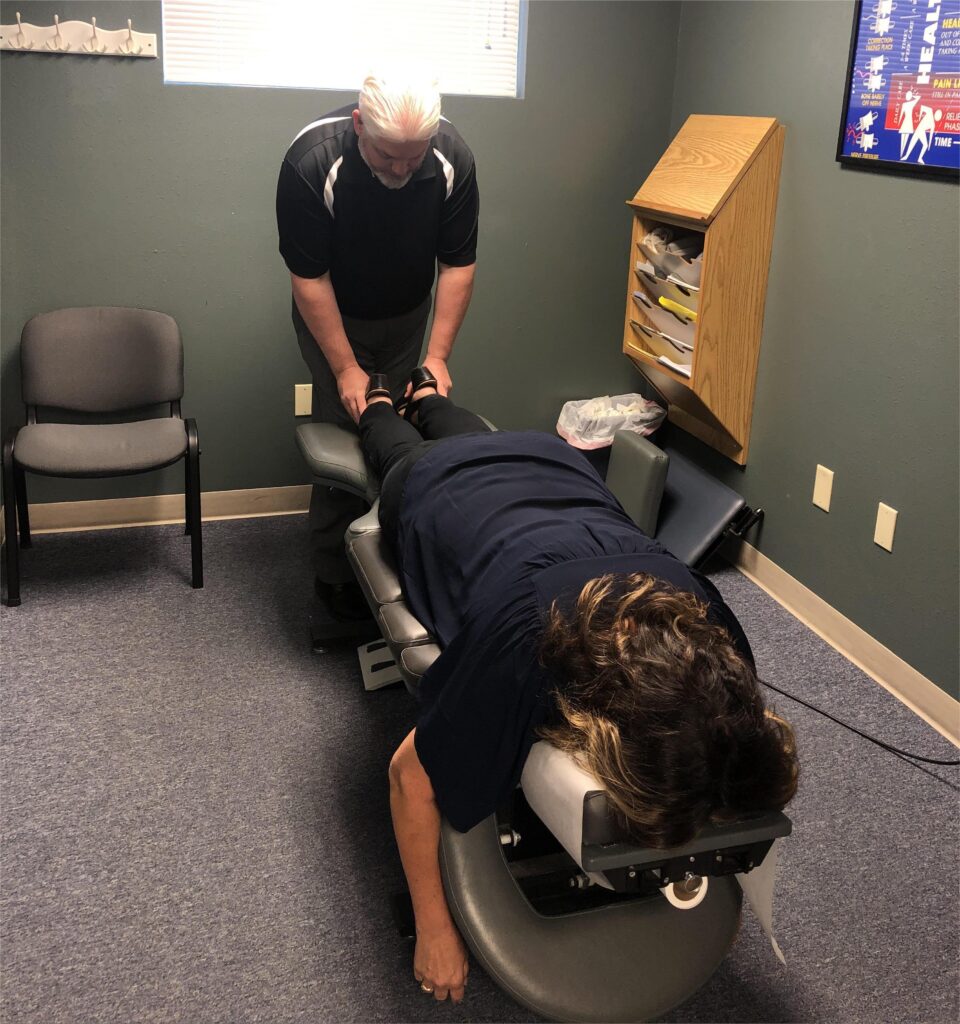

Migraines can be incredibly debilitating, but as a chiropractor, I believe you can take control of your health through natural methods. By understanding and identifying your migraine triggers, adjusting your diet, and managing stress levels, you can significantly reduce the frequency and intensity of these painful episodes.
In addition to these lifestyle adjustments, regular chiropractic care can play a crucial role in your overall well-being. Chiropractic adjustments help align the spine and improve nervous system function, which may help alleviate migraine symptoms and prevent future attacks. Many patients find that with consistent chiropractic care, they experience fewer migraines and a better quality of life.
Don’t overlook the importance of regular exercise and sufficient sleep, as both contribute to your body’s ability to handle stress and maintain balance. It’s also worth exploring alternative therapies and natural supplements that complement chiropractic care. Techniques such as acupuncture, massage, or even guided relaxation can enhance your overall wellness and may be beneficial in your journey toward migraine prevention.
Remember, achieving optimal health is a holistic process. By incorporating these practices and making chiropractic care a part of your routine, you can work towards a life with fewer migraines and greater wellness. Always consult with your chiropractor to find the personalized prevention plan that best suits your needs.
Key Takeaways
- Keep a detailed headache diary to help you identify and manage your triggers, such as stress, sleep patterns, and dietary choices. This can empower you to take control of your health and work with your chiropractor to find effective solutions.
- Focus on a balanced diet rich in whole foods to support your body’s natural healing processes. Be mindful of common migraine triggers, like aged cheeses and processed meats, as these can impact your overall wellness. Your chiropractor can guide you on dietary choices that enhance your spinal health and reduce pain.
- Engage in regular moderate exercise for at least 30 minutes most days. This not only helps reduce stress but also improves your overall health and can alleviate tension in your spine. Your chiropractor can recommend specific exercises that benefit your posture and spinal alignment.
- Practice relaxation techniques such as mindfulness meditation and deep breathing exercises to enhance your stress management. Incorporating these practices into your routine can benefit your spinal health and contribute to overall well-being. Your chiropractor may have additional techniques tailored to your needs.
- Consider natural supplements like magnesium and riboflavin, and consult with your chiropractor for personalized advice. They can help you find the right approach to support your health naturally, aligning with the principles of chiropractic care and promoting optimal wellness without invasive treatments.
By focusing on these holistic strategies, you can enhance your health and well-being while positioning chiropractic care as a key component of your journey to a migraine-free life.
Identifying and Managing Triggers
When it comes to preventing migraines, identifying and managing triggers is essential, and chiropractic care can play a significant role in this process. Start by keeping a detailed headache diary. Note the timing, intensity, and any accompanying symptoms, as well as your daily activities, sleep patterns, and stress levels. This will help you spot patterns and pinpoint potential triggers.
Common triggers include stress, lack of sleep, and changes in weather. If stress is a major factor, consider how chiropractic adjustments can help ease tension in your body, promoting relaxation and improving overall well-being. Incorporating relaxation techniques like meditation or yoga alongside your chiropractic care can further enhance your stress management.
Additionally, ensure you’re getting consistent sleep each night. Chiropractic care can aid in improving your spinal alignment, which may contribute to better sleep quality. Establish a calming pre-sleep routine and consult with your chiropractor for personalized tips that can help you unwind and prepare for restful sleep.
Dietary Changes for Migraine Prevention
Making dietary changes can significantly help reduce the frequency and intensity of migraine attacks, and as a chiropractor, I want to share these insights to support your journey towards optimal health and wellness. By understanding how food affects your body, you can take charge of your health naturally, which complements the benefits of chiropractic care.
Start by identifying potential food triggers that may be contributing to your migraines. Common culprits include aged cheeses, processed meats, and alcohol. Instead, prioritize a balanced diet filled with whole foods, fruits, vegetables, and lean proteins. Remember, staying hydrated is incredibly important, so make it a habit to drink plenty of water throughout the day.
Here’s a quick reference table to guide your dietary choices:
| Foods to Avoid | Foods to Include |
|---|---|
| Aged cheeses | Fresh fruits |
| Processed meats | Leafy greens |
| Alcohol | Whole grains |
| Caffeinated beverages | Lean proteins (chicken, fish) |
In addition to dietary changes, consider how chiropractic care can enhance your overall wellness. Regular adjustments can help align your spine, improving your body’s function and potentially reducing stressors that may trigger migraines. Combining dietary modifications with chiropractic care can lead to a holistic approach to managing migraines.
Stress Management Techniques
Managing stress isn’t just about feeling better mentally; it can also have a significant impact on your physical health, including reducing the frequency and intensity of migraines. As a chiropractor, I want to share some effective, natural stress management techniques that can complement your chiropractic care and promote overall wellness.
One simple yet powerful method is deep breathing exercises. Take a moment to inhale slowly through your nose, hold it for a second, and then exhale gently through your mouth. This technique can help calm your nervous system, which is essential for both stress reduction and pain relief.
Incorporating mindfulness meditation into your daily routine can also be beneficial. Spend a few minutes each day focusing on your breath and letting go of any racing thoughts. This practice not only reduces stress but can also enhance your body’s healing capabilities.
Journaling is another great tool for stress management. Writing about your feelings and experiences can help you process emotions and identify what triggers your stress. This awareness can empower you to make positive changes in your life.
Don’t underestimate the effectiveness of relaxation techniques, such as progressive muscle relaxation. This involves tensing and then relaxing each muscle group in your body, promoting physical relaxation and reducing tension that might contribute to migraines.
Lastly, talking to a therapist or counselor can be a valuable resource for exploring the stressors in your life. However, remember that chiropractic care plays a vital role in your overall health and stress management. By addressing spinal alignment and nerve function, chiropractic adjustments can help your body respond better to stress and reduce pain levels.
The Role of Exercise and Sleep
Stress management techniques are essential for maintaining your overall health, but don’t overlook the powerful benefits of regular exercise and quality sleep, especially when it comes to preventing migraines. Engaging in physical activity not only boosts your endorphins but also helps alleviate the tension and stress that can lead to migraines. Aim for at least 30 minutes of moderate exercise most days; walking, cycling, or yoga can be excellent choices.
Equally important is prioritizing sleep. A consistent sleep schedule can help regulate your body’s internal clock, which may reduce the frequency of your migraines. Strive for 7 to 9 hours of restorative sleep each night to support your overall well-being.
Creating a soothing bedtime routine can significantly enhance your sleep quality. Consider incorporating calming activities like reading a book or practicing mindfulness or deep breathing exercises before bed. By focusing on these lifestyle aspects, you won’t only help prevent migraines but also lay a solid groundwork for a healthier, more active life.
As a chiropractor, I encourage you to consider how spinal health contributes to your overall wellness. Regular chiropractic adjustments can help improve your posture, alleviate tension, and enhance your body’s natural healing abilities. This holistic approach, combined with exercise and sleep, can empower you to achieve optimal health and enjoy a fulfilling, pain-free life. Remember, taking care of your body is the first step towards a healthier you!
Alternative Therapies and Supplements
When it comes to preventing migraines, chiropractic care can be a highly effective option. Many individuals experience relief not only from spinal adjustments but also through complementary natural methods that enhance overall wellness. Here are some alternative therapies and supplements that can work alongside your chiropractic treatment:
| Therapy/Supplement | Benefits | Dosage Recommendations |
|---|---|---|
| Magnesium | May help reduce migraine frequency | 400-600 mg daily |
| Butterbur | Can ease migraine symptoms | 50-75 mg twice daily |
| Feverfew | Known to help prevent migraine onset | 50-100 mg daily |
| Riboflavin (B2) | Might decrease the number of attacks | 400 mg daily |
| Coenzyme Q10 | Supports brain health and function | 100-300 mg daily |
Always consult your chiropractor before starting any new therapies or supplements to ensure they are safe and suitable for your specific needs. Incorporating these natural options with regular chiropractic adjustments can significantly enhance your migraine prevention strategy.
In addition to these therapies, consider making some lifestyle changes that could further support your health. Staying hydrated, maintaining a balanced diet, managing stress through relaxation techniques, and ensuring you get enough sleep can all contribute to reducing migraine occurrences. Remember, chiropractic care not only addresses pain but also promotes overall wellness, making it a cornerstone of your health journey.
Conclusion
By incorporating these effective techniques, you can significantly reduce the frequency and intensity of your migraines, all while prioritizing your overall health and wellness. Start by keeping a journal to identify your personal migraine triggers, such as certain foods or stressful situations. Making dietary adjustments can be a simple yet powerful way to support your body.
Don’t underestimate the importance of stress management. Techniques such as deep breathing, meditation, or gentle yoga can help you find balance and alleviate tension, which is essential for preventing migraines. Regular physical activity and maintaining a consistent sleep schedule are also crucial elements of a healthy lifestyle that can enhance your well-being.
As a chiropractor, I also encourage you to explore the benefits of chiropractic care. Chiropractic adjustments can help improve spinal alignment, relieve tension, and promote better overall health. These natural methods can aid in reducing migraine symptoms and preventing future occurrences.
Additionally, consider incorporating alternative therapies like massage or acupuncture, as well as certain supplements, into your wellness routine to further support your body’s natural healing processes.
With a personalized prevention plan that includes chiropractic care, you can take charge of your migraines and improve your quality of life, all while embracing a healthier, more natural approach to wellness. Remember, your journey to relief and well-being starts with small, manageable steps!