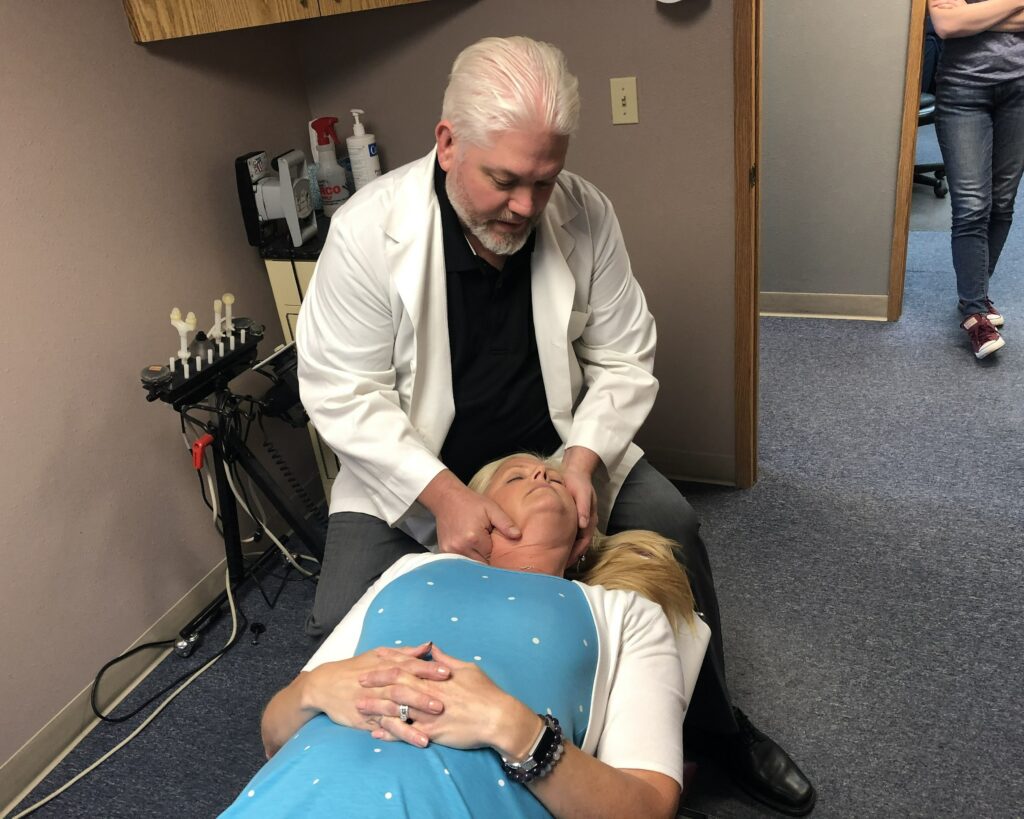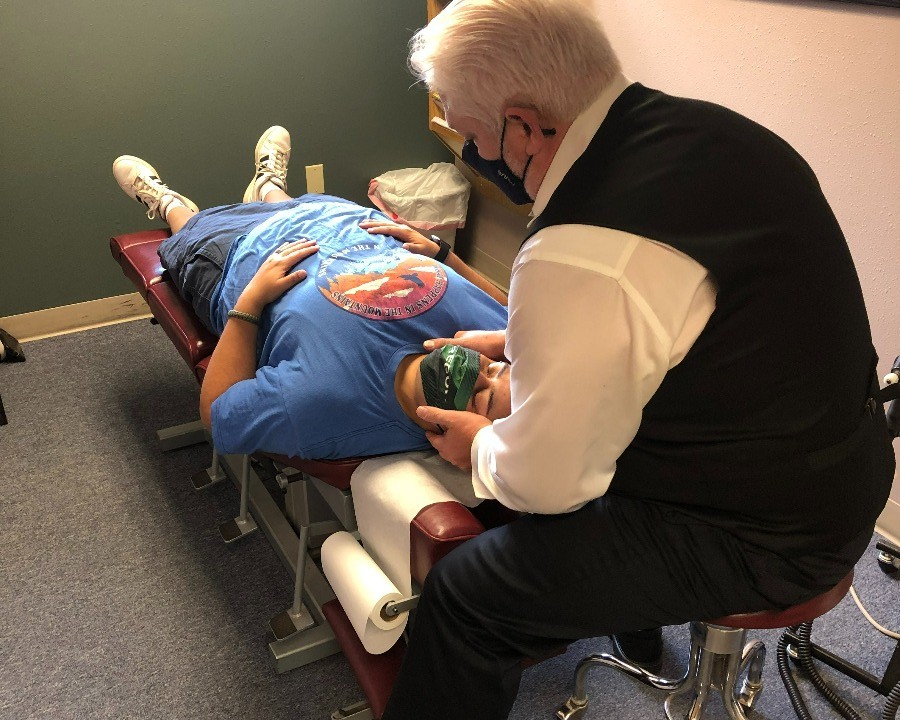

As a local chiropractor, I want to emphasize that if you're experiencing upper back discomfort, you're certainly not alone—it's a widespread issue that can arise from various factors. Many people find that making simple adjustments to their posture and workspace can provide significant relief. Additionally, incorporating specific stretches into your daily routine can greatly enhance your comfort levels.
It's important to understand that upper back discomfort often stems from underlying issues that can be effectively addressed. By exploring a range of techniques—such as chiropractic adjustments, ergonomic improvements, and targeted exercises—you can adopt a holistic approach to your discomfort. Have you considered that the solution may lie in a blend of strategies that goes beyond what you've tried before? Together, we can develop a personalized plan to help alleviate your pain and improve your overall well-being.
Understanding Upper Back Discomfort
As a chiropractor, I frequently encounter patients who experience upper back discomfort, a common issue that many people face at some point in their lives. This discomfort can be quite frustrating, as it often interferes with daily activities, making it difficult to concentrate on work or enjoy leisure activities. Understanding the root causes of this discomfort is a crucial first step toward achieving effective relief.
Upper back discomfort typically presents as stiffness, tension, or pain in the area between your neck and lower back. You might notice that it worsens after long hours of sitting at a desk or performing repetitive tasks. This discomfort can also radiate into your shoulders or neck, creating a cascade of discomfort that can leave you feeling uneasy.
One important aspect to consider is how your posture impacts your upper back health. Many people unknowingly adopt poor postural habits, such as slouching or sitting in non-ergonomic positions at their workstations. These habits can place unnecessary strain on your upper back muscles.
Furthermore, emotional stress and anxiety can lead to muscle tension, exacerbating discomfort in that area. Physical activity also plays a significant role in how your upper back feels. A sedentary lifestyle can lead to stiffness and tightness, while overexertion or improper lifting techniques can aggravate existing issues.
By becoming more aware of your daily habits and routines, you can begin to identify potential triggers for your discomfort. As a chiropractor, I encourage you to consider these factors when seeking relief from upper back discomfort.
With the right understanding and adjustments—both in posture and lifestyle—you can pave the way for a more comfortable, pain-free life. If you're interested in exploring chiropractic care as a natural healing option, I'd be happy to guide you on your journey to better spinal health.
Common Causes of Pain
As a local chiropractor, I want to help you understand how certain habits, particularly poor posture, can significantly contribute to your upper back pain.
Many people don't realize that everyday activities, like sitting at a desk or looking down at a phone, can lead to muscle strain and stress that ultimately result in discomfort.
By identifying these common causes of pain, we can work together to find effective, natural solutions to help you feel better and improve your overall well-being.
Poor Posture Habits
As a local chiropractor, I want to shed light on an often-overlooked issue: poor posture habits. Many of us may not realize how our everyday positions can silently harm our upper back, leading to discomfort and pain.
When you slouch or hunch over – whether at your desk, using your phone, or even standing – you're putting unnecessary strain on your spine and the surrounding muscles. This strain can cause your upper back muscles to tighten up, resulting in stiffness and persistent aches that can disrupt your daily life.
Another factor that contributes to poor posture is how we carry our bags or backpacks. If you frequently use a heavy bag on one shoulder, it can disturb your body's natural alignment, creating imbalances that lead to pain.
Moreover, inadequate ergonomic setups at work can worsen these problems. If your chair, desk, or computer screen isn't properly adjusted, it encourages unhealthy postures that can further strain your back.
To combat these poor habits, I encourage you to be mindful of your body position throughout the day. Regularly check in with yourself and make necessary adjustments to your sitting or standing posture.
Incorporating stretches and exercises that promote good posture is essential, and considering ergonomic furniture can provide the support your spine needs.
Muscle Strain Injuries
As a local chiropractor, I want to share some insights about muscle strain injuries, which are more common than you might think.
These injuries often arise from repetitive movements, overexertion, or even sudden awkward motions that catch your muscles off guard. You may experience a strain when lifting something heavy, twisting unexpectedly, or even from sitting at your desk for extended periods without taking breaks.
When your muscles aren't adequately prepared for the demands placed on them, they can easily become overstretched or torn, resulting in discomfort.
Let's explore some everyday scenarios that can lead to muscle strain injuries:
- Lifting heavy boxes: If you're not using proper lifting techniques, the weight can put significant strain on your upper back, leading to discomfort or injury.
- Repetitive typing: Engaging in constant typing can fatigue and strain your muscles, especially if you don't take regular breaks to stretch and rest.
- Twisting motions during exercise: A sudden twist or awkward movement while working out can surprise your muscles, resulting in potential strain or injury.
By recognizing these common causes, you can take proactive steps to prevent muscle strain injuries.
It's essential to prioritize proper form in all activities and listen to your body's signals. If you begin to feel discomfort, it's crucial not to ignore it. Instead, take a break, do some gentle stretching, or consider seeking professional guidance from a chiropractor.
Taking care of your muscles now can help you avoid more significant issues down the road and support your overall well-being.
Stress and Tension
As a local chiropractor, I often see patients who may not realize just how much stress and tension can affect their bodies. These factors can significantly contribute to discomfort in the upper back. When you experience stress, your muscles tend to tighten, especially in areas like your upper back and neck. If this tension persists, it can lead to discomfort and even pain.
Many people are unaware that poor posture frequently accompanies stress. When you're feeling anxious or overwhelmed, you might find yourself hunching your shoulders or leaning forward, which puts additional strain on your upper back. This can create a cycle where discomfort leads to more stress, further intensifying the pain.
To help mitigate these issues, I encourage you to incorporate stress-relief techniques into your daily routine. Simple practices such as deep breathing exercises, regular physical activity, and relaxation techniques like yoga or meditation can be incredibly beneficial.
These methods help release built-up tension in your muscles and promote better posture. By addressing the underlying causes of your stress and tension, you can significantly reduce upper back discomfort and enhance your overall well-being.
Importance of Good Posture
As a local chiropractor, I want to emphasize the importance of good posture for your overall health.
Maintaining proper alignment of your spine is crucial, as it can significantly reduce discomfort in your upper back. When you sit or stand with correct posture, you not only relieve pain but also enhance your overall well-being.
By paying attention to your posture, you can experience the benefits of a healthier back and enjoy a more comfortable life.
Benefits of Proper Alignment
As a local chiropractor, I want to share with you the incredible benefits of proper alignment for your overall well-being. Many of my patients come to me experiencing upper back discomfort, and I often find that the root cause is related to their posture.
When your body is aligned correctly, you not only alleviate pain but also enhance your vitality and self-assurance. Good posture goes beyond simply standing tall; it lays a strong foundation for your entire body.
Consider the amazing advantages of maintaining proper alignment:
- Increased energy levels: When your spine is properly aligned, you'll feel more awake and ready to take on your day, free from the fatigue that can come from slumped shoulders.
- Improved breathing: Proper alignment opens up your chest and allows your diaphragm to function effectively. This means you can take deep, refreshing breaths, which increases your oxygen intake and helps to calm your mind.
- Enhanced focus: A well-aligned spine enables your body to operate efficiently, which can significantly improve your ability to concentrate on tasks and be productive.
By prioritizing proper alignment, you set yourself up for a healthier, more energized life.
If you have questions about how chiropractic care can help you achieve this, I'm here to guide you on your journey to better health and wellness.
Posture and Pain Relief
As your local chiropractor, I want to emphasize the importance of maintaining proper posture for alleviating upper back pain and preventing future discomfort. When you sit or stand with the right alignment, you help distribute your body weight evenly, which reduces the strain on your spine and surrounding muscles.
Conversely, poor posture—such as slouching or hunching—can lead to muscle fatigue and increased tension, making your pain worse.
To enhance your posture, it's essential to stay mindful of how you hold your body throughout the day. Make it a habit to keep your shoulders back and relaxed, ensuring that your ears align with your shoulders.
When seated, choose a chair that provides good support for your lower back and keep your feet flat on the ground. If you spend long hours at a desk, it's crucial to adjust your monitor to eye level to prevent leaning forward.
I also recommend incorporating regular breaks into your routine. Stand up, stretch, and take a brief walk every hour to give your back a well-deserved rest and help reset your posture.
Additionally, engaging in exercises that strengthen your core and back muscles can provide extra support for your spine, which is vital for long-term health.
If you're unsure about your posture or how to improve it, feel free to reach out. As a chiropractor, I'm here to guide you through natural healing methods that can enhance your well-being and help you maintain a pain-free life.
Effective Stretching Exercises
As a local chiropractor, I want to share how incorporating effective stretching exercises into your daily routine can significantly reduce upper back discomfort. Stretching not only enhances flexibility but also promotes blood circulation to your muscles, which can help alleviate tension and stiffness.
Here are some beneficial exercises that I recommend to my patients for relief:
- Cat-Cow Stretch: Begin on all fours. As you arch your back upward while tucking your chin (the Cat position), then lower your belly while raising your head and tailbone (the Cow position). This dynamic movement helps to mobilize your spine and improve its flexibility.
- Seated Forward Bend: Sit with your legs straight in front of you. Inhale deeply, raising your arms overhead, and then exhale as you lean forward, reaching toward your toes. This stretch effectively targets your entire back as well as your hamstrings, promoting a soothing release of tension.
- Child's Pose: Kneel on the floor and sit back on your heels, extending your arms forward on the ground. This gentle position stretches your upper back and allows your entire body to relax, which is especially beneficial after a long day.
When practicing these stretches, aim to hold each position for 15 to 30 seconds while breathing deeply. It's essential to listen to your body and avoid pushing yourself into discomfort.
Consistency is crucial, so consider integrating these stretches into your daily routine to gradually enhance flexibility and strength in your upper back.
By making these stretches a regular part of your life, you can alleviate discomfort while also improving your overall well-being. So, roll out your mat and let's work together towards a healthier back!
If you have any questions or need personalized guidance, don't hesitate to ask during your next visit.
Ergonomic Workspace Adjustments
As a local chiropractor, I want to share some insights on how your workspace may be affecting your upper back discomfort and how simple ergonomic adjustments can help alleviate that pain.
Even after incorporating effective stretches into your daily routine, lingering discomfort can often be a sign that your workspace isn't optimally designed for your body.
Let's start with your chair. It's essential that your chair provides proper support for your lower back and allows your feet to remain flat on the floor. If your chair doesn't have adjustable features, consider adding a cushion or a lumbar roll to help maintain good posture.
Your arms should rest comfortably at your sides, with your elbows bent at roughly a 90-degree angle. If your keyboard or mouse is positioned too high, it can lead to unnecessary strain on your shoulders.
Next, let's discuss the height of your monitor. Ideally, your screen should be positioned at eye level and about an arm's length away from you. This setup will prevent you from slouching or straining your neck to see clearly.
If you're using a laptop, consider elevating it with a stand or even a stack of books to achieve that optimal height.
Additionally, I encourage you to customize your workstation to fit your personal needs. If you enjoy the flexibility of standing while working, standing desks can be a great option. Just ensure that your monitor remains at eye level even when you're standing.
Finally, don't forget the importance of taking regular breaks. Set a timer to remind yourself to stand up and walk around for a few minutes every hour.
These small adjustments can lead to significant relief from upper back discomfort and contribute to a more comfortable and productive working environment.
Therapeutic Techniques for Relief
As a local chiropractor, I understand that many of you may not be familiar with the benefits of chiropractic care and natural healing techniques for relieving upper back discomfort. It's important to explore various therapeutic methods that can work alongside your ergonomic adjustments to not only alleviate pain but also enhance your overall well-being.
By incorporating these techniques into your daily routine, you can significantly improve how you feel.
- Gentle Stretching: I often recommend integrating daily stretches into your regimen. Focus on stretches that open up your chest and shoulders. Imagine the tension in your upper back easing as you reach your arms overhead, taking deep breaths to further enhance relaxation.
- Strengthening Exercises: Strengthening your upper back and core is essential for long-term relief. Picture yourself performing exercises like rows with resistance bands. These movements help pull your shoulder blades together, creating a strong foundation to support your spine and improve posture.
- Massage Therapy: Consider treating yourself to professional massage therapy or exploring self-massage techniques. Visualize the soothing pressure of skilled hands working on your upper back muscles, alleviating knots and fostering relaxation.
By embracing these therapeutic techniques, you can greatly enhance your upper back health. Regular commitment to stretching, strengthening, and massage not only helps relieve discomfort but also improves your posture and mobility.
Remember, consistency is key; make these activities an integral part of your routine. As you invest in your well-being, you'll likely notice a significant improvement in your upper back's condition, allowing you to engage in your daily activities with greater comfort and ease.
If you have questions about these practices or how chiropractic care can further assist you, don't hesitate to reach out. Your health is our priority!
Role of Heat and Cold Therapy
As a local chiropractor, I often see patients struggling with upper back discomfort, and I'd like to share how heat and cold therapy can be transformative in managing your pain. These two simple yet effective methods can provide quick relief and support the healing process in your muscles and tissues.
When you apply heat to your upper back, you're essentially increasing blood flow to the affected area. This can help alleviate stiffness and enhance flexibility, making it particularly beneficial after a long day of work or intense physical activity. Options for heat therapy include using a heating pad, a warm towel, or even enjoying a hot shower. The soothing warmth not only feels great but also aids in muscle relaxation.
On the other hand, cold therapy is equally important. When you use ice packs or cold compresses, you can effectively reduce inflammation and numb any pain you may be experiencing. This method is particularly useful for recent strains or sudden injuries, as cold therapy works by constricting blood vessels, minimizing swelling, and providing immediate relief.
It's crucial to understand when to use heat versus cold therapy. For chronic discomfort or muscle tension, heat is often the preferred choice. However, if you're dealing with a fresh injury or acute pain, cold therapy is your best bet. You can even alternate between these methods for enhanced results.
Just be sure to wrap ice packs in a cloth to protect your skin, and limit your heat exposure to 15-20 minutes to avoid any potential burns.
Incorporating these therapies into your self-care routine can significantly improve your comfort and support your overall wellness. If you have any questions or want to learn more about how these methods can complement your chiropractic care, feel free to reach out!
When to Seek Professional Help
As a local chiropractor, I want to emphasize how important it's to know when to seek professional help for upper back discomfort. While minor aches can often be addressed at home, there are specific signs that suggest it's time to consult with a healthcare provider like me. Ignoring these symptoms can lead to more serious issues down the line, so it's essential to be attentive to what your body is telling you.
Here are some key indicators that you should consider reaching out for professional assistance:
- Persistent pain: If your discomfort lasts more than a few days and interferes with your daily activities, it's a strong signal that you should seek help.
- Radiating discomfort: If you feel pain that travels down your arms or legs, this could indicate nerve involvement, which requires professional assessment.
- Accompanying symptoms: Symptoms such as fever, unexplained weight loss, or loss of bowel or bladder control are concerning and warrant immediate attention, as they may point to serious underlying conditions.
Don't hesitate to reach out to me or another healthcare professional if you notice any of these signs. A thorough evaluation can help determine the root cause of your discomfort and guide you to appropriate treatment options that align with natural healing principles.
Early intervention is crucial; it can prevent complications and facilitate a quicker recovery. Additionally, if you've attempted home remedies like heat or cold therapy without experiencing relief, that's a clear indication that it's time for a professional opinion.
Lifestyle Changes for Prevention
As a local chiropractor, I want to share some simple yet effective lifestyle changes that can significantly reduce your risk of upper back discomfort.
One of the first things I recommend is focusing on your posture. When sitting, aim to keep your back straight and your shoulders relaxed. It's important to use a chair that provides adequate support for your lower back. If you find yourself spending long hours at a computer, consider investing in a standing desk to encourage better alignment.
Regular exercise plays a crucial role in maintaining a healthy spine. I encourage you to engage in activities that strengthen your core and back muscles, such as yoga or Pilates. These exercises not only improve flexibility but also create a strong support system for your spine.
Try to incorporate at least 30 minutes of moderate exercise into your routine most days of the week.
Your sleeping habits are equally important in preventing discomfort. Ensure that you're using a supportive mattress and pillow that help maintain the natural curve of your spine. I recommend sleeping on your side or back rather than your stomach, as this can help minimize strain on your back.
Lastly, don't overlook the importance of taking breaks. If your work involves repetitive tasks or prolonged sitting, make it a habit to take short breaks every 30 minutes. Stand up, stretch, and move around to alleviate tension and encourage better circulation.
By adopting these lifestyle changes, you can take proactive steps towards a healthier spine and overall well-being.
If you have any questions or need further guidance, don't hesitate to reach out to me. Your journey towards natural healing is important, and I'm here to help!
Conclusion
As a local chiropractor, I want to share some effective strategies for finding relief from upper back discomfort that you might not be familiar with. First and foremost, it's essential to prioritize good posture. Maintaining proper alignment while sitting or standing can significantly reduce strain on your upper back.
Incorporating regular stretching into your daily routine is another vital step. Gentle stretches can help release tension and improve flexibility in your back muscles. Additionally, making ergonomic adjustments to your workspace—such as using a chair that supports your spine and positioning your computer screen at eye level—can make a world of difference in your comfort throughout the day.
I also encourage you to explore therapeutic techniques such as heat and cold therapy. Applying heat can help relax tight muscles, while cold therapy can reduce inflammation and numb pain, offering you much-needed relief.
If your discomfort persists despite these efforts, I recommend seeking professional help. As a chiropractor, I focus on natural healing methods that can address the root causes of your pain, rather than just masking the symptoms. By making these lifestyle adjustments and considering chiropractic care, you can alleviate your current discomfort and prevent future issues, leading to a healthier and more comfortable back in the long run.