
If you're experiencing sports-related back pain, I understand how frustrating it can be to seek effective relief. Many people mistakenly believe that resting is the best solution, but this can sometimes exacerbate the issue. As a chiropractor, I believe that a more effective approach involves a combination of targeted exercises, proper stretching, and therapeutic treatments tailored to your specific needs.
It's essential to understand the underlying causes of your pain, as this knowledge can help guide you toward the most effective relief strategies. Imagine incorporating simple techniques into your routine that not only alleviate pain but also enhance your overall athletic performance. Through chiropractic care, we can work together to create a personalized plan that promotes healing and supports your active lifestyle. Let's explore how natural healing methods can benefit you and get you back to doing what you love.
Understanding Back Pain Causes
As a local chiropractor, I believe it's crucial for everyone, especially athletes, to understand the various causes of back pain. Many people may not realize that numerous factors can contribute to this prevalent issue. For instance, poor posture during training or competition can place excessive stress on your spine, leading to discomfort. If you're not mindful of your body's alignment, it may result in muscle imbalances, which can trigger pain.
Another common issue we see is overuse injuries. When you push your body beyond its limits without allowing for proper rest, certain muscles can become strained. This strain often manifests as back pain, particularly if your activities involve repetitive motions. It's important to listen to your body and make small adjustments in your routine to avoid significant discomfort.
Improper lifting techniques are also a significant factor. Whether you're lifting weights at the gym or carrying sporting equipment, using the wrong form can lead to both acute injuries and chronic pain. I always advise my patients to lift with their legs, not their backs, to help minimize the risk of injury.
Furthermore, weak core muscles can play a role in back pain. A strong core is vital as it supports your spine and aids in distributing forces during physical activities. If your core muscles are underdeveloped, your back muscles may end up doing the extra work, leading to fatigue and discomfort.
Lastly, it's important to recognize that stress and emotional well-being can significantly impact your physical health. High levels of stress can lead to muscle tension, which may result in back pain. Understanding these causes is essential for effectively addressing the issue and maintaining your overall well-being and athletic performance.
At our clinic, we focus on natural healing methods to address these concerns and help you achieve a pain-free lifestyle.
Effective Stretching Techniques
As a local chiropractor, I want to share how effective stretching techniques can play a crucial role in alleviating sports-related back pain. Stretching isn't just about flexibility; it's a vital practice for enhancing circulation, reducing muscle tension, and ultimately easing discomfort in your back.
When you incorporate regular stretching into your routine, you maintain a healthy range of motion in your spine and the surrounding muscles, significantly reducing the risk of strains during physical activities.
I recommend starting with gentle stretches that specifically target your lower back and hips. One particularly beneficial stretch is the child's pose. To perform this, kneel on the floor, sit back on your heels, and extend your arms forward on the ground. Hold this position for 20 to 30 seconds while taking deep breaths.
Another excellent stretch is the knee-to-chest stretch. Lie on your back, pull one knee toward your chest, and hold for 15 to 20 seconds before switching to the other leg. This stretch effectively releases tension in your lower back.
Don't forget to include hamstring stretches in your routine as well. Sit on the ground with your legs extended in front of you, and reach for your toes while keeping your back straight. Hold this position for 15 to 30 seconds. This stretch not only targets your hamstrings but also alleviates pressure on your lower back.
Always listen to your body during these stretches. If you experience any pain, it's important to ease off. Consistency is vital for reaping the benefits of stretching.
I recommend dedicating a few minutes each day to stretching, particularly before and after engaging in sports activities. By doing so, you can improve your flexibility and significantly lower the risk of future back pain, enabling you to stay active and fully enjoy your sports pursuits without discomfort.
Strengthening Exercises for Support
As a local chiropractor, I want to emphasize the importance of strengthening your core and back muscles for providing essential support and stability during your daily activities. Doing so can significantly help reduce the risk of sports-related back pain. A well-developed core not only aids in maintaining proper posture but also ensures that your spine is aligned, which minimizes strain on your back.
Here are some effective exercises that you can easily incorporate into your routine to enhance your overall well-being.
Let's start with planks. To perform this exercise, get into a push-up position, but rest on your forearms rather than your hands. Keep your body in a straight line from your head to your heels. Hold this position for about 20-30 seconds, and as you gain strength, gradually increase your hold time. Planks are excellent for engaging your entire core.
Next, we've bridges. Lie on your back with your knees bent and your feet flat on the floor. By pushing through your heels, lift your hips toward the ceiling while squeezing your glutes at the top of the movement. Hold for a moment, then lower back down. Aim for 10-15 repetitions. This exercise not only strengthens your lower back but also engages your glutes, further supporting your posture.
Bird-dogs are another fantastic addition to your routine. Begin on all fours, ensuring your hands are directly under your shoulders and your knees under your hips. Extend one arm and the opposite leg simultaneously, keeping your hips level throughout the movement. Hold for a few seconds, then switch sides. Perform 10 repetitions on each side to improve your balance and core stability.
Lastly, consider incorporating deadlifts into your regimen. With proper form, use a light weight to practice lifting from a bent-over position while ensuring your back remains straight. This exercise is effective for strengthening your lower back and hamstrings, which plays a crucial role in supporting your overall posture.
Therapeutic Treatments and Options
As a local chiropractor dedicated to helping my patients manage sports-related back pain, I want to share the transformative power of therapeutic treatments. These options not only help relieve discomfort but also foster healing and enhance your overall well-being.
Here are some effective therapies you might consider:
- Physical Therapy: This involves a customized program designed to target your specific weaknesses and improve your mobility. It complements chiropractic care perfectly.
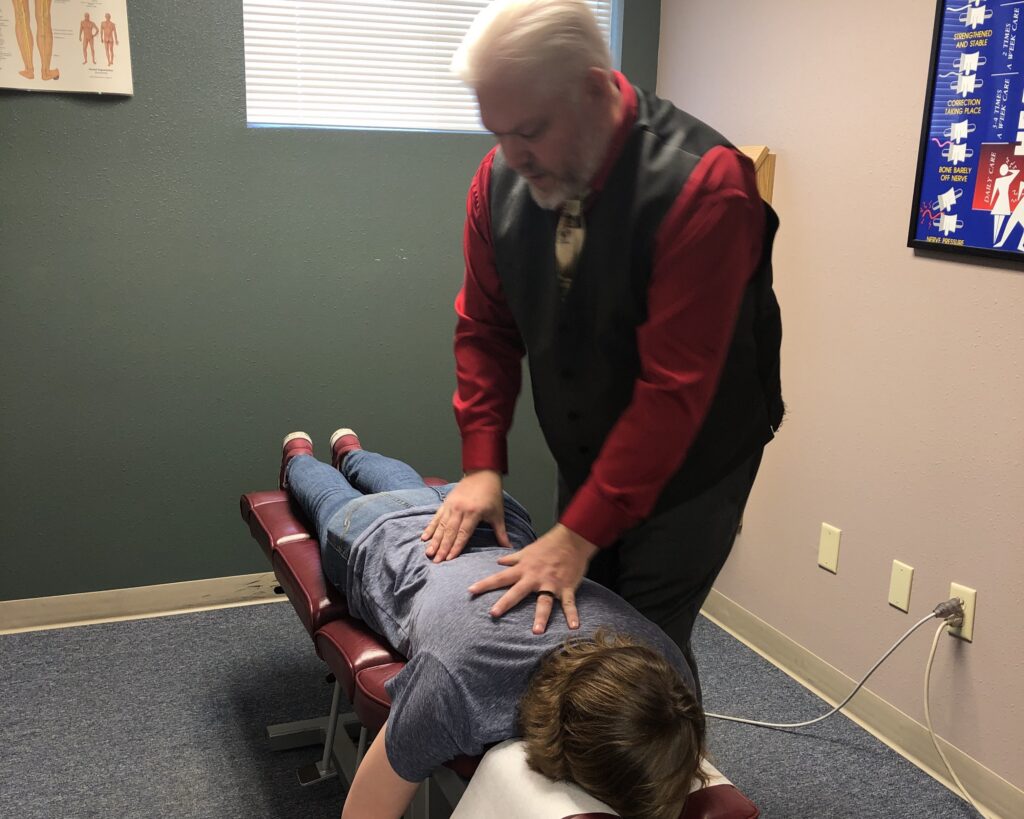
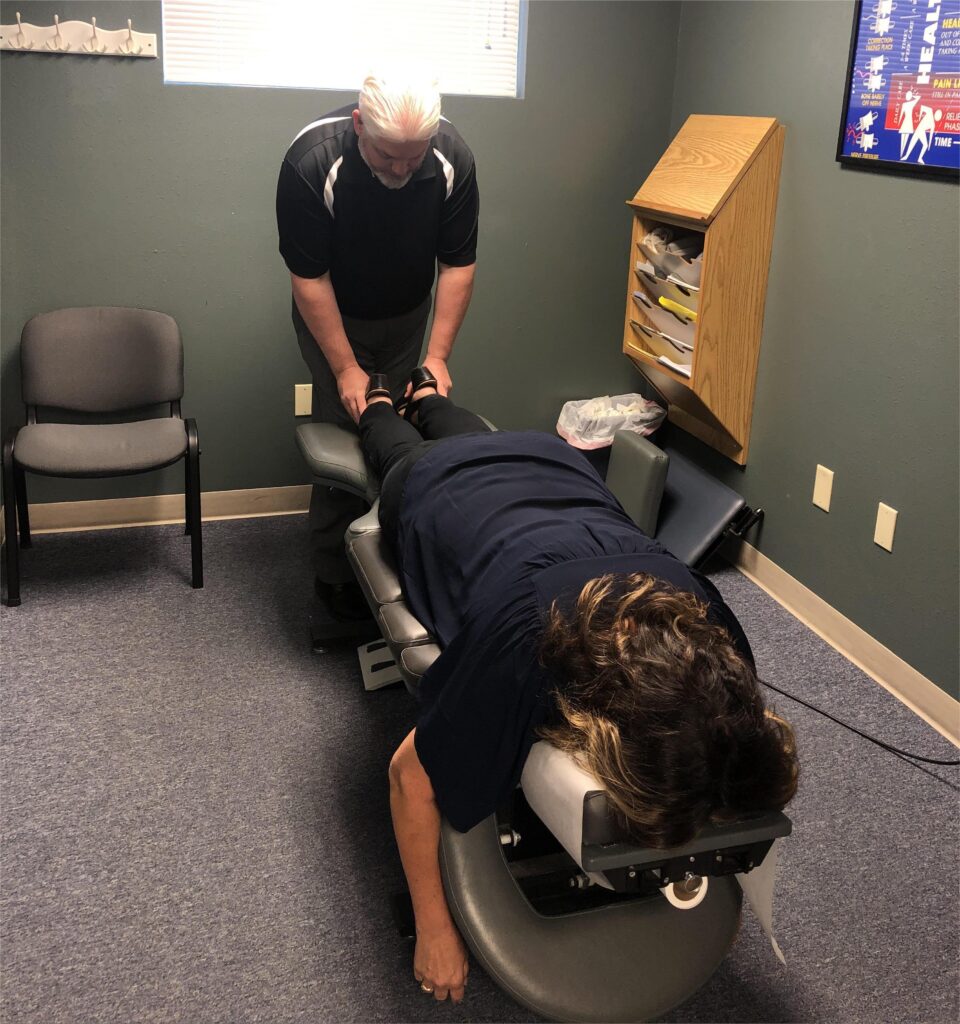
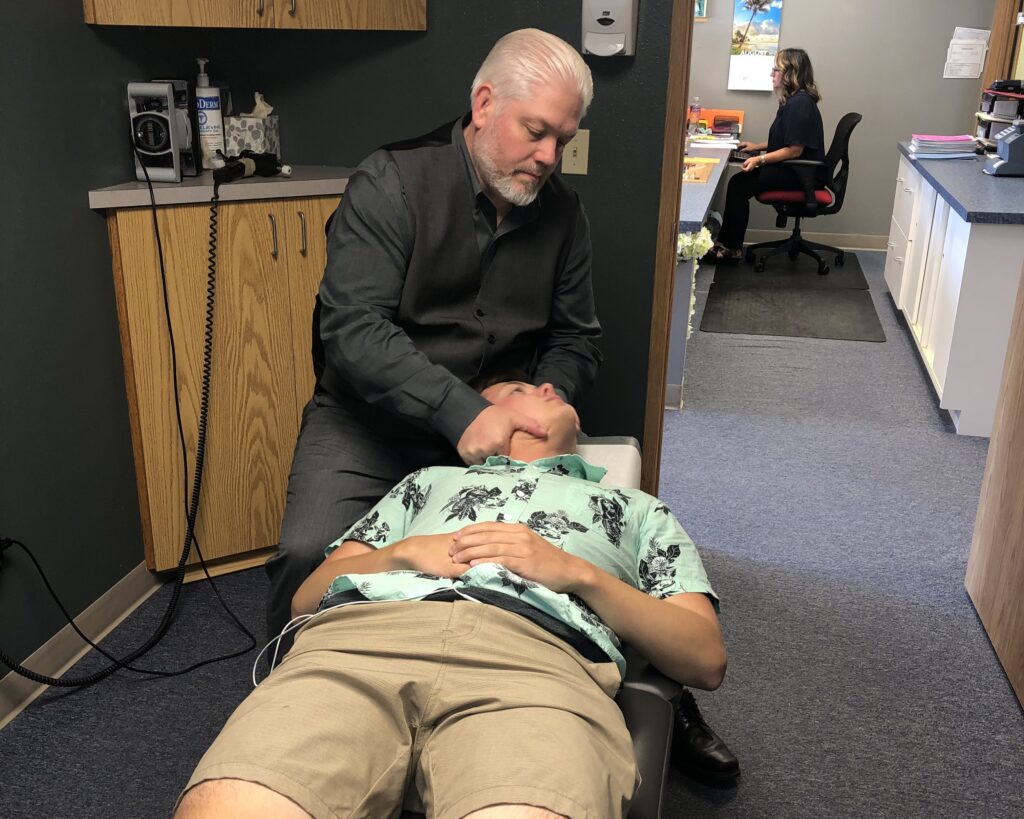
- Chiropractic Care: My role is to perform precise adjustments that realign your spine. This realignment can significantly reduce pain and restore function, allowing you to get back to your favorite activities.
- Massage Therapy: Through targeted techniques, massage can alleviate muscle tension and improve blood circulation, playing a crucial role in your recovery.
- Acupuncture: This ancient practice can activate your body's natural pain relief systems, providing an additional layer of support in managing discomfort.
- Heat and Cold Therapy: Utilizing hot and cold packs can help decrease inflammation and speed up your recovery process.
Each of these treatments has distinct advantages and can work together for a comprehensive approach to your back pain.
For instance, combining physical therapy with chiropractic adjustments can lead to even greater relief.
It's essential to consult with me or another healthcare professional to determine the best combination of therapies tailored to your unique needs and pain levels.
Together, we can create a personalized plan that promotes healing and restores your quality of life.
Preventive Measures for Athletes
As a local chiropractor, I often see athletes suffering from sports-related back pain, but the good news is that there are proactive steps you can take to prevent it before it starts. One of the most important areas to focus on is strengthening your core muscles. A strong core acts as a natural support system for your spine, greatly reducing the risk of injury. I recommend incorporating exercises such as planks, bridges, and various abdominal workouts into your regular routine.
Another critical aspect is your posture. Whether you're training or competing, maintaining proper alignment is key to minimizing stress on your back. Always engage your core and keep your back straight during physical activities. It's beneficial to regularly check your form, especially during weightlifting or high-impact sports, as poor alignment can lead to significant issues over time.
Flexibility plays a vital role in injury prevention as well. Stretching both before and after workouts can help maintain a good range of motion and alleviate tension in your muscles. I suggest including dynamic stretches in your warm-up and static stretches during your cool-down. Practices such as yoga can also enhance flexibility and improve your body awareness, which is essential for overall athletic performance.
It's also important to progress gradually in your training. Avoid jumping into intense workouts or rapidly increasing your activity level. Instead, build up your strength and endurance over time, allowing your body the necessary time to adapt. Always listen to your body; if something doesn't feel right, it's crucial not to push through the pain.
Lastly, investing in proper footwear and equipment specific to your sport can make a significant difference. Ill-fitting shoes can lead to misalignment and unnecessary strain on your back.
Conclusion
As a local chiropractor, I want to help you understand how to effectively manage sports-related back pain through natural healing strategies. It's essential to recognize the underlying causes of your discomfort, and by doing so, you can take proactive steps toward relief. Incorporating gentle stretching routines can enhance your flexibility and improve your overall mobility. Additionally, core-strengthening exercises are crucial for building a robust foundation that supports your spine.
Therapeutic treatments, such as chiropractic adjustments, can play a significant role in alleviating pain and restoring function. These hands-on techniques aim to align your spine and promote optimal movement, allowing your body to heal naturally. Moreover, adopting preventive measures—like proper training techniques and ergonomic practices—can help you avoid future issues.
I encourage you to listen to your body and make adjustments to your training regimen when needed. By prioritizing your back health, not only will you find relief from pain, but you'll also enhance your athletic performance in the long run. Remember, taking care of your spine is an investment in your overall well-being!