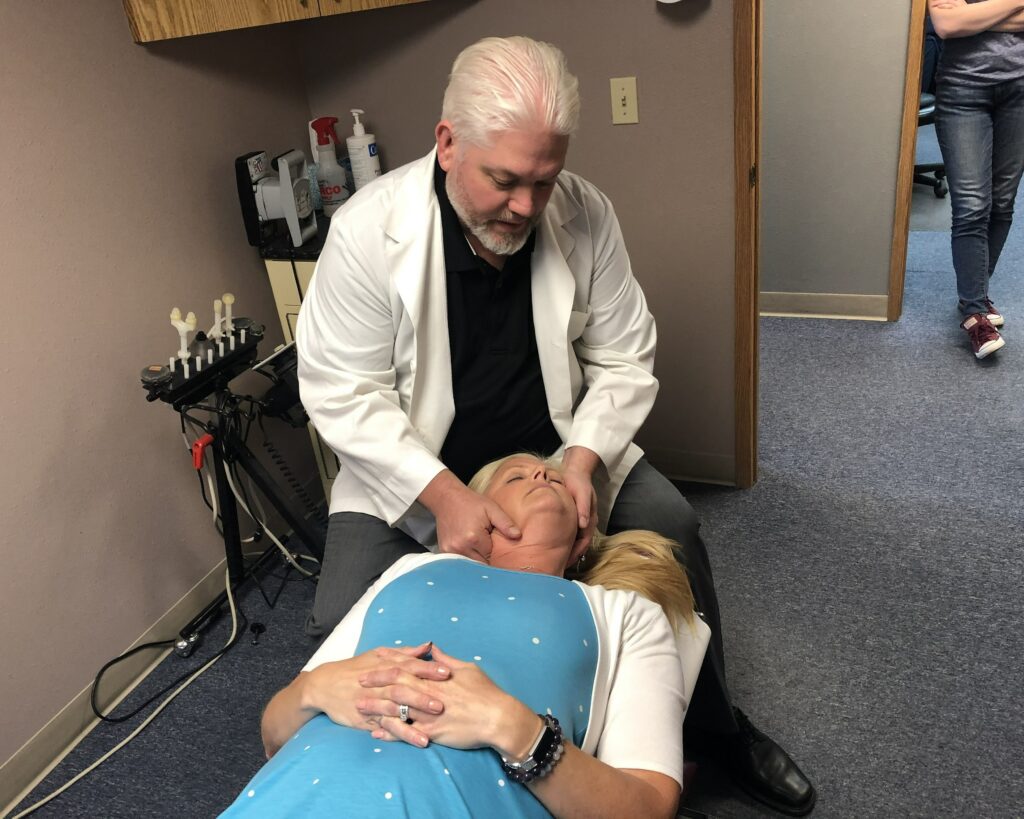

As a local chiropractor, I often see patients who are dealing with upper back pain, and I want you to know that you're not alone in this struggle. Many individuals face discomfort caused by factors such as poor posture, stress, or a lack of physical movement. The good news is that there are effective steps you can take to alleviate this pain and enhance your overall well-being.
By incorporating simple adjustments into your daily routine and engaging in targeted exercises, you can start feeling relief. You might be wondering what these adjustments and exercises entail. Allow me to share some effective strategies that could significantly improve how you feel.
First, let's talk about the importance of posture. Being mindful of how you sit, stand, and move throughout the day can make a world of difference. Ensuring that your workstation is ergonomically set up is crucial. This means having your computer screen at eye level and using a chair that supports your lower back.
Next, I recommend incorporating specific exercises into your routine. Gentle stretches and strengthening exercises can help address tightness and weakness in the muscles of your upper back. Activities such as shoulder blade squeezes, thoracic spine rotations, and yoga can be particularly beneficial.
In addition to posture and exercises, managing stress is vital. Techniques such as deep breathing, meditation, or even regular chiropractic adjustments can help reduce tension in your body.
Remember, relief is possible, and I'm here to guide you through the process. Together, we can explore these natural healing methods to help you achieve a pain-free lifestyle.
Understanding Upper Back Pain
As a chiropractor, I often see patients grappling with upper back pain, a prevalent issue that many experience at some point in their lives. This discomfort typically arises between the neck and lower back, encompassing the thoracic spine area. When you feel pain here, it can range from a dull ache to sharp, debilitating sensations that disrupt your daily activities. Understanding the underlying causes of your pain is crucial for effective relief and healing.
Your upper back consists of vertebrae, muscles, and ligaments that work in harmony to support your posture and facilitate movement. Activities that put undue strain on these structures—such as sitting for prolonged periods, lifting heavy objects incorrectly, or even sleeping in an uncomfortable position—can lead to upper back pain.
Poor posture, where the spine is misaligned, can further contribute to this discomfort by placing extra stress on the surrounding muscles and ligaments. It's important to be aware of how your daily habits influence your upper back health. You may find that certain movements or positions worsen your pain, while others help alleviate it.
That's where chiropractic care comes in. Through gentle adjustments, we can realign the spine, improve your posture, and relieve tension in your muscles. Additionally, incorporating regular stretching and strengthening exercises into your routine can enhance flexibility and maintain muscular balance, significantly reducing the likelihood of pain.
Common Causes and Risk Factors
As a chiropractor committed to helping you achieve optimal health, I want to share some insights about the common causes and risk factors associated with upper back pain. Understanding these elements can empower you to take proactive measures to prevent discomfort.
One of the primary culprits of upper back pain is poor posture. Many of us spend extensive time sitting at desks or hunched over computers, which can lead to slouching. This poor alignment puts unnecessary strain on the muscles and ligaments in your upper back, resulting in discomfort.
Muscle strain is another significant factor. This often occurs when lifting heavy objects incorrectly or performing repetitive motions. If you frequently twist or bend in your daily activities, you may be increasing your risk of injury, which is where chiropractic care can help restore balance and function.
A sedentary lifestyle can also weaken your muscles, making your back more vulnerable to pain. Engaging in regular physical activity is crucial for maintaining strength and flexibility, and as your chiropractor, I can guide you on exercises that are suitable for your individual needs.
Additionally, stress is a common contributor to upper back pain. When you're stressed, your body tends to tense up, particularly in the back and shoulders. Chronic tension can lead to persistent discomfort, and chiropractic adjustments can help alleviate this strain and promote relaxation.
Your sleeping position is another important factor in upper back health. A mattress that doesn't provide proper support or a pillow that fails to keep your neck aligned can lead to waking up with stiffness and pain. I can offer recommendations for optimal sleep positions and products that support your spine.
Lastly, age can influence your risk of upper back pain. As we age, our spine can undergo changes, such as degenerative disc disease, which may contribute to discomfort. By understanding these causes and risk factors, you can make informed decisions to protect your upper back health.
Effective Stretches for Relief
As a local chiropractor, I often encounter patients suffering from upper back pain. Understanding the causes and risk factors behind this discomfort is essential for effective relief. One of the most beneficial approaches I recommend is incorporating targeted stretches into your daily routine. This practice not only alleviates pain but also enhances your flexibility and overall well-being. Here are some stretches you can easily integrate into your day.
First, let's explore the Cat-Cow stretch, which is excellent for spinal mobility. Begin by positioning yourself on your hands and knees in a tabletop stance. As you inhale, arch your back while lifting your head and tailbone towards the ceiling—this is the Cow position. Then, as you exhale, round your back, tucking your chin and pelvis in—this is the Cat position. Aim to repeat this sequence for about 5-10 cycles.
Next, the Child's Pose is a fantastic stretch for relieving tension. Start by kneeling on the floor and sitting back on your heels. Extend your arms forward, lowering your chest towards the ground. Hold this pose for 30 seconds, allowing your breath to deepen and your body to relax.
Another effective stretch is the Thoracic Spine Stretch. For this, sit comfortably in a chair. Place your right hand on the back of the chair and gently twist your torso to the right, using your left hand for support. Hold this stretch for 15-30 seconds before switching to the other side.
Lastly, I recommend the Doorway Stretch to help open up your chest and shoulders. Stand in a doorway with your arms bent at 90 degrees, placing your forearms against the doorframe. Lean slightly forward and hold for 20-30 seconds, feeling the stretch across your chest.
By incorporating these stretches into your routine, you may notice a significant reduction in upper back pain and an improvement in your overall mobility. Always remember to listen to your body and modify the stretches as necessary to suit your comfort level.
Natural healing through chiropractic care is about empowering you to take control of your health, and these stretches are a great step in that direction.
Strengthening Exercises to Consider
As a local chiropractor, I want to share with you some valuable insights on how incorporating strengthening exercises into your routine can significantly alleviate upper back pain and help prevent future discomfort.
These exercises are designed to target the muscles that support your spine, which is crucial for improving posture and enhancing overall stability. By focusing on these key areas, you can effectively reduce strain and tension in your upper back.
One of the exercises I highly recommend is the bent-over row. To perform this exercise, stand with your feet shoulder-width apart and hold a dumbbell in each hand. Hinge at your hips while keeping your back straight, and pull the weights towards your ribcage, squeezing your shoulder blades together at the top. Then, lower the weights back down. I suggest aiming for three sets of 10 to 15 repetitions to build strength.
Another great exercise to consider is the superman. Lie face down on a mat and extend your arms in front of you. Lift both your arms and legs off the ground simultaneously, holding the position for a few seconds before lowering back down. This exercise is excellent for building strength in your upper back and core, so aim for three sets of 10 to 12 repetitions.
Lastly, don't underestimate the power of the plank. This exercise engages multiple muscle groups, including those in your back. Start in a push-up position while keeping your body in a straight line from head to heels. Hold this position for 20 to 30 seconds, and as you gain strength, gradually increase the duration.
Incorporating these exercises into your routine can complement the chiropractic care I provide, promoting a healthier spine and overall well-being.
If you have any questions about these exercises or how they can fit into your healing journey, feel free to reach out!
Ergonomic Workstation Setup
As a chiropractor dedicated to helping you achieve optimal health, I want to emphasize the importance of setting up your workstation in an ergonomic manner to alleviate upper back pain.
Begin by adjusting your chair height so that your feet can rest flat on the floor; this foundational step helps support your posture.
Next, ensure your monitor is positioned at eye level to minimize strain on your neck and spine.
Lastly, keep your keyboard and mouse close at hand, allowing your arms to remain in a relaxed position while you work.
Chair Height Adjustment
As a local chiropractor, I often emphasize the importance of setting up an ergonomic workstation to prevent issues like upper back pain, which many of my patients experience. One of the first steps in achieving this is adjusting your chair height correctly. A chair positioned too high or too low can lead to poor posture, putting unnecessary strain on your back and neck.
To begin, sit comfortably in your chair with your feet flat on the floor. Ideally, your knees should form a 90-degree angle or be slightly lower than your hips. If your feet are dangling, it's crucial to raise your chair to a proper height; conversely, if your knees are higher than your hips, lower the chair accordingly.
Next, ensure that your lower back is supported by the chair's lumbar support. This feature is vital as it helps maintain the natural curve of your spine, which can significantly reduce pressure on your upper back. If your chair lacks adjustable lumbar support, don't hesitate to use a cushion or a rolled towel for added comfort.
Additionally, it's important to keep your elbows at a 90-degree angle while resting on your desk or armrests. This positioning helps keep your shoulders relaxed and minimizes tension in your upper back.
I encourage you to regularly check your chair height, especially if there are changes to your desk or work habits. By making these adjustments, you can greatly enhance your comfort and productivity while also decreasing the likelihood of developing upper back pain.
Monitor Positioning Guidelines
As a local chiropractor, I want to emphasize the importance of proper monitor positioning for your overall health and well-being, especially if you spend long hours at your desk.
Correct monitor setup can significantly contribute to good posture and help prevent upper back pain, which many of my patients experience.
To start, ensure that your monitor is at eye level. The top of the screen should be at or just below your eye line. This alignment helps keep your neck in a neutral position, reducing strain on your cervical spine.
Next, place your monitor about an arm's length away. This distance not only minimizes eye strain but also encourages you to maintain a relaxed and natural posture.
If you wear glasses, don't forget to consider their focal distance when deciding on the best position for your screen.
Tilt your monitor slightly backward, at an angle of about 10 to 20 degrees. This simple adjustment can help reduce glare and improve visibility, making it easier for your eyes to focus without unnecessary strain.
Additionally, ensure that the brightness and contrast of the screen are comfortable for your eyes.
Finally, it's crucial to avoid positioning the monitor in a way that requires you to twist your body to see it. Your screen should be directly in front of you.
This alignment promotes better head, neck, and spinal alignment, which can help you stay comfortable and pain-free throughout your workday.
By following these guidelines, you can support your body's natural alignment and contribute to your overall health—something we prioritize in chiropractic care.
If you have any questions or need further assistance, feel free to reach out!
Keyboard and Mouse Placement
As a local chiropractor, I want to emphasize the importance of creating an ergonomic workstation, especially when it comes to the placement of your keyboard and mouse. It's not just about where you position your monitor; the way you set up your keyboard and mouse can significantly impact your overall comfort and spinal health.
Begin by placing your keyboard directly in front of you at elbow height. This positioning allows your arms to remain relaxed and close to your body, with your wrists straight and hands slightly below your elbows. Maintaining this posture is crucial for preventing strain and discomfort, which can lead to larger issues over time.
Next, ensure that your mouse is aligned with your keyboard at the same level. It should be easily accessible to avoid overextending your arm, which can result in tension and pain. While using your mouse, keep your wrist in a neutral position. If you find it helpful, consider adding a wrist rest for extra support.
It's also vital to maintain a comfortable distance from your keyboard and mouse. Ideally, you should be sitting at least an arm's length away from your screen, while keeping your elbows close to your sides.
Remember to take regular breaks to stretch and move around; this not only improves circulation but also reduces the risk of upper back pain.
By paying attention to your keyboard and mouse placement, you can create a more comfortable and productive workspace. This simple adjustment can make a significant difference in alleviating discomfort in your upper back, promoting better posture, and supporting your overall well-being.
If you have any questions or need further guidance on ergonomic setups, feel free to reach out!
Mindfulness and Relaxation Techniques
As a chiropractor, I often see patients struggling with upper back pain, and I want to share some effective mindfulness and relaxation techniques that can complement your chiropractic care. These practices not only help in managing stress but also enhance your awareness of bodily sensations, which is crucial for alleviating discomfort.
To begin, I recommend incorporating mindfulness meditation into your daily routine. Dedicate a few minutes each day to sit in a quiet space, find a comfortable position, and focus on your breath. As you breathe, pay close attention to how your body feels, especially in the upper back area. Recognizing any tension you may have is an essential first step in releasing it.
Another technique I find beneficial is progressive muscle relaxation. Start by tensing your feet for a few seconds and then let go. Gradually move up through your body, focusing on each muscle group, including your calves, thighs, and back. This method helps you become more aware of tension and aids in its release.
Gentle yoga and stretching exercises can also be incredibly helpful for your upper back. Poses such as Child's Pose and Cat-Cow are excellent for increasing flexibility and relieving strain. I suggest setting aside some time after work or in the morning to practice these movements regularly.
Lastly, don't overlook the benefits of deep breathing. Slow, deep breaths can trigger your body's natural relaxation response. Inhale deeply through your nose, hold briefly, and then exhale slowly through your mouth.
Consistent practice of these mindfulness and relaxation techniques can significantly reduce your upper back pain and improve your overall well-being.
When to Seek Professional Help
As a local chiropractor dedicated to improving your health and well-being, I want to share some important insights about managing upper back pain. While mindfulness and relaxation techniques can be beneficial, there are times when professional help becomes essential for effective recovery.
If your pain lingers for more than a few weeks despite your self-care efforts, it's a clear indication that it's time to consult a healthcare professional, such as a chiropractor.
It's crucial not to overlook concerning symptoms like numbness, tingling, or weakness in your arms or legs, as these may signal nerve involvement that requires prompt attention. Additionally, if you're experiencing severe pain that hampers your daily activities or disrupts your sleep, a professional evaluation is vital. This assessment can help us rule out serious underlying conditions, such as herniated discs or spinal stenosis, which may require specialized treatment.
If your pain is accompanied by fever, unexplained weight loss, or if you've experienced recent trauma, don't hesitate to reach out for help. These symptoms could indicate more serious health issues that need to be addressed.
As a chiropractor, I can provide targeted treatments and create personalized exercise programs designed specifically to alleviate your pain and promote healing. In some cases, I may recommend imaging studies, like X-rays or MRIs, to accurately diagnose the root cause of your discomfort.
Ultimately, trust your instincts. If you feel that your upper back pain is more than you can handle on your own, seeking professional help is a proactive step toward recovery.
Conclusion
As a local chiropractor, I want to share some valuable insights on how you can alleviate upper back pain through natural methods. One of the most effective ways to start is by incorporating proper posture into your daily routine. This means setting up your workstation in an ergonomic way to ensure you're not putting unnecessary strain on your back.
In addition to posture, I highly recommend practicing effective stretches and strengthening exercises tailored to your needs. These activities can help alleviate tension and improve your overall back health. Mindfulness techniques, such as deep breathing and relaxation exercises, can also play a crucial role in reducing muscle strain.
It's important to pay attention to your body's signals. If you find that your pain persists or worsens despite these efforts, I encourage you to reach out for professional help. Chiropractic care focuses on natural healing methods that can restore balance and function to your spine and muscles. By taking these steps, you can work towards a more comfortable and pain-free life, enabling you to fully engage in your daily activities without discomfort.