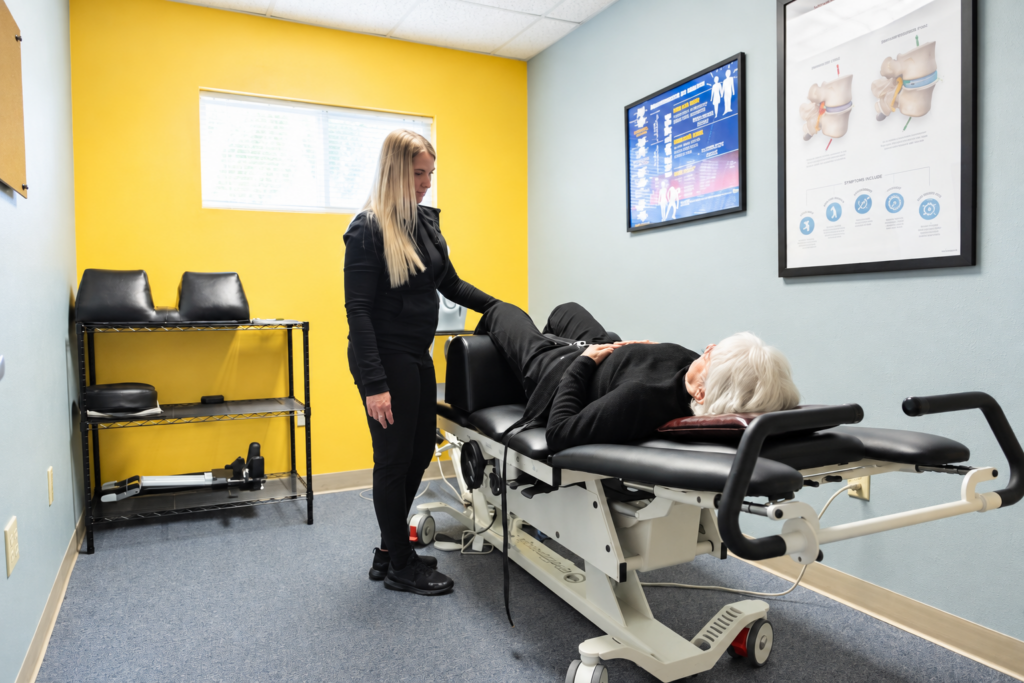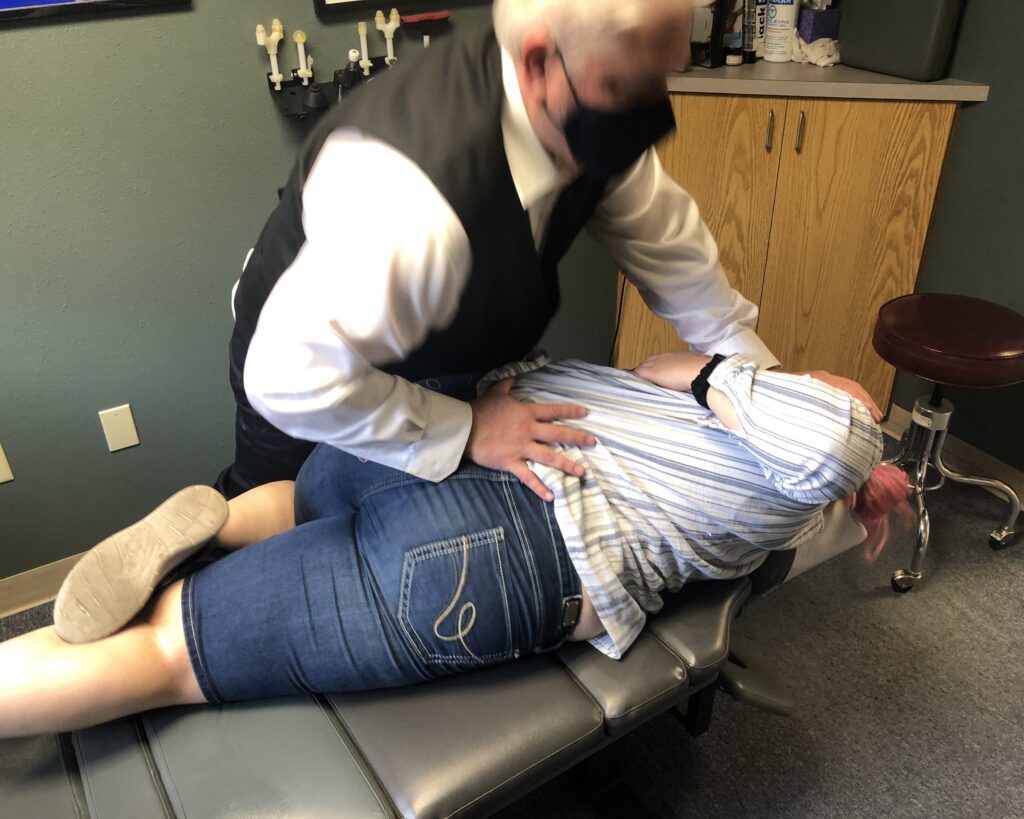

As a local chiropractor, I often see patients who are seeking relief from chronic pain but have found that traditional methods may not always provide the results they hope for. I want to introduce you to some sustainable solutions that can complement your journey toward wellness. Chiropractic care focuses on holistic approaches that not only target pain relief but also promote overall well-being.
Incorporating dietary changes, exercise, and mindfulness practices into your daily routine can significantly improve your pain management experience. For instance, certain foods can help reduce inflammation, while gentle exercises can enhance mobility and strength. Mindfulness techniques, such as meditation and deep breathing, can also play a crucial role in managing pain and stress.
However, the success of these strategies often relies on a supportive community and a personalized care plan tailored to your unique needs. I encourage you to take the next step by exploring these holistic options and discussing them with me during your visits. Together, we can create a comprehensive plan that integrates chiropractic techniques with other sustainable approaches to help you achieve lasting relief from chronic pain.
Holistic Therapy Options
As a local chiropractor, I want to share some insights on how holistic therapy options can significantly improve your well-being, especially if you're dealing with chronic pain. Unlike conventional treatments that often focus solely on symptoms, holistic approaches aim to treat the whole person. By integrating mind-body practices, you can harness your body's natural healing abilities and find lasting relief.
One powerful technique is mindfulness meditation. This practice encourages you to become more aware of your thoughts and feelings without judgment, which can be incredibly beneficial in managing pain. By regularly engaging in mindfulness, you can lower stress and anxiety levels—two factors that often aggravate chronic pain conditions.
Another approach I recommend is yoga. This time-honored practice combines physical postures, breathing techniques, and meditation. It promotes flexibility and strength while calming the mind. You don't need to be an expert; even gentle yoga can lead to meaningful improvements in your pain levels and enhance your overall mood.
Acupuncture is also a valuable holistic therapy to consider. This method involves inserting thin needles at specific points on the body to stimulate your nervous system, which can trigger the release of endorphins and promote pain relief. Many of my patients have reported positive outcomes with minimal side effects.
Lastly, I encourage you to explore aromatherapy as part of your wellness routine. Essential oils like lavender and peppermint can have soothing effects and help alleviate some pain symptoms, whether through massage or simply diffusing them in your home.
At our practice, we believe in empowering you with knowledge about these holistic options that can complement chiropractic care. Together, we can work towards a more integrated approach to managing your health and well-being.
Nutritional Approaches
As a chiropractor, I understand that managing chronic pain involves more than just physical adjustments; your diet plays a crucial role as well.
By incorporating anti-inflammatory foods into your meals, choosing nutrient-dense options, and ensuring you stay well-hydrated, you can greatly support your body's natural healing processes.
Let me guide you through some nutritional approaches that can help you effectively alleviate pain and enhance your overall well-being.
Understanding how what you eat impacts your body can empower you on your journey to better health.
Anti-inflammatory Diet Choices
As a local chiropractor, I often see how adopting an anti-inflammatory diet can significantly alleviate chronic pain and enhance overall well-being. This dietary approach is all about selecting foods that help reduce inflammation in your body, which is often a major factor in persistent pain.
To start, it's crucial to fill your plate with a variety of fruits and vegetables, particularly those packed with antioxidants—think berries, spinach, and kale. These foods play a vital role in neutralizing harmful free radicals and lowering inflammation levels.
Incorporating healthy fats into your meals is also important. Opt for sources like olive oil, avocados, and fatty fish such as salmon or mackerel. These options are rich in omega-3 fatty acids, known for their powerful anti-inflammatory effects.
Additionally, whole grains like brown rice and quinoa are essential as they provide the fiber necessary to help regulate inflammation.
While you focus on these nourishing foods, it's equally important to limit your intake of processed foods, refined sugars, and saturated fats, as these can worsen inflammation.
Don't underestimate the power of hydration, either; ensure you're drinking plenty of water throughout the day.
Nutrient-Rich Foods
As your local chiropractor, I want to share some valuable insights about how integrating nutrient-rich foods into your diet can significantly enhance your pain management strategy. An anti-inflammatory diet serves as a strong foundation, and by adding these wholesome foods, you can support your body's natural healing processes effectively.
Let's start with fresh fruits and vegetables. Incorporating options like leafy greens, vibrant berries, and zesty citrus fruits into your meals is crucial. These foods are loaded with antioxidants that combat inflammation and oxidative stress, which can exacerbate pain.
Next, focus on healthy fats. Avocados, nuts, and olive oil are excellent choices. They not only reduce inflammation but also provide sustained energy, which is essential for your overall vitality. Additionally, omega-3 fatty acids found in fatty fish such as salmon and sardines are particularly beneficial; aim to include these in your diet a few times a week.
Whole grains, like quinoa and brown rice, are also important. They're rich in fiber and nutrients that promote healthy digestion and overall well-being.
Another great addition to your diet is legumes, which are fantastic sources of protein and fiber. They can help you feel fuller longer and maintain stable blood sugar levels.
By prioritizing these nutrient-rich foods, you can create a balanced diet that nourishes your body and supports effective pain management. Making these dietary choices consistently can lead to noticeable improvements in your overall health and well-being.
Hydration and Pain Relief
As a local chiropractor, I want to emphasize the importance of hydration in managing chronic pain—an often overlooked yet crucial aspect of effective pain relief. When you maintain proper hydration, your body's tissues are better equipped to function optimally, which can help alleviate inflammation and discomfort.
On the flip side, dehydration can lead to muscle cramps, fatigue, and even heightened sensitivity to pain. This is why it's vital to ensure you're drinking enough fluids throughout the day.
A good rule of thumb is to aim for at least eight 8-ounce glasses of water daily, but keep in mind that individual hydration needs can vary based on factors such as your activity level, the climate you live in, and your overall health.
Additionally, you can enhance your hydration by incorporating water-rich foods into your diet, such as cucumbers, oranges, and watermelon. Herbal teas and broths are also excellent options to keep you hydrated.
I encourage you to monitor your hydration levels by observing the color of your urine. A pale yellow color generally indicates good hydration, whereas a dark yellow suggests you may need to increase your fluid intake.
If you're active or live in a warmer climate, it's especially important to drink more fluids to replace what you've lost.
By prioritizing hydration, you can support your body's natural healing processes and potentially experience a reduction in pain.
Mindfulness and Meditation
As a local chiropractor, I often see patients struggling to manage chronic pain, and I want to share how incorporating mindfulness and meditation into your daily routine can greatly enhance your overall wellness. When you focus on the present moment, you can divert your attention away from pain and the stress that often accompanies it. Mindfulness teaches you to observe your thoughts and feelings without judgment, which can create a buffer against the emotional challenges that chronic pain frequently brings.
Meditation is a structured way to practice mindfulness, and it's something you can easily incorporate into your day. You don't need to be an expert; starting with just a few minutes each day can make a significant difference. Find a quiet space, sit or lie down comfortably, and concentrate on your breath. If thoughts about your pain arise, simply acknowledge them and gently redirect your focus back to your breathing. Over time, this practice can help you lessen the perception of pain and improve your overall experience.
Moreover, engaging in mindfulness can help you develop a more compassionate relationship with yourself. Instead of feeling frustrated or defeated by your pain, you can learn to accept it as part of your journey. This acceptance can empower you, allowing you to regain some control over your life.
You don't need any special equipment or extensive training to integrate mindfulness and meditation into your routine. It's all about finding what resonates with you and committing to the practice.
As your chiropractor, I encourage you to explore these techniques, as they can significantly enhance your pain management strategies and overall well-being. Together, we can work towards a holistic approach to your health that includes both chiropractic care and mindfulness practices.
Physical Activity and Movement
As your local chiropractor, I want to emphasize the importance of incorporating gentle exercise into your daily routine.
Not only does regular stretching improve your flexibility, but it also plays a crucial role in alleviating pain and stiffness in your body.
By making movement a priority, you're taking significant steps toward better managing chronic pain and enhancing your overall well-being.
Chiropractic care focuses on natural healing methods, and integrating these gentle exercises can complement the treatments we provide, helping you achieve optimal health and comfort.
Benefits of Gentle Exercise
As a local chiropractor, I want to emphasize the importance of gentle exercise in managing chronic pain and improving your overall well-being. Many of my patients have found that activities such as walking, swimming, or tai chi can significantly enhance their strength and flexibility without adding undue stress to their bodies. This gentle approach not only maintains mobility but also helps alleviate discomfort.
One of the remarkable benefits of gentle exercise is its ability to promote the release of endorphins—your body's natural pain relief hormones. Engaging in regular movement can elevate your mood, which is especially beneficial for those struggling with the emotional toll of chronic pain, such as depression or anxiety.
Additionally, you may find that these activities help improve your sleep quality, leading to increased energy levels throughout your day.
Incorporating gentle exercise into your daily routine can empower you to take charge of your pain management. As you gradually engage in these activities, you'll likely develop a better awareness of your body and more confidence in your physical capabilities.
It's crucial to listen to your body and select exercises that feel comfortable for you. Even small steps toward increased movement can produce substantial benefits over time. This makes gentle exercise a sustainable and effective part of your pain management strategy, and as your chiropractor, I'm here to support you on this journey toward natural healing.
Importance of Stretching Regularly
As a local chiropractor, I want to emphasize the importance of regular stretching in your overall health and well-being, particularly for those of you dealing with chronic pain. Stretching is a vital practice that helps maintain flexibility and prevents injuries by keeping your muscles and joints functioning optimally.
When you include stretching in your daily routine, you can significantly enhance blood circulation throughout your body. Improved circulation delivers essential nutrients to your muscles and joints, helping to alleviate stiffness and discomfort. This can make everyday activities much more manageable and enjoyable.
It's important to note that you don't need to engage in lengthy or complicated stretches. In fact, simple, gentle stretches targeting major muscle groups can be incredibly effective. By doing so, you can improve your range of motion and reduce tension in your body. Consistency is crucial here; I recommend aiming to stretch a few times a week, if not daily, to reap the full benefits.
Always listen to your body while stretching. If you experience any pain, it's best to ease up or skip that particular stretch altogether. Additionally, consider using tools like yoga straps or foam rollers, which can provide extra support and help you stretch more comfortably.
Ultimately, stretching isn't just about enhancing flexibility; it's about empowering yourself to move more freely and with less discomfort. By prioritizing regular stretching, you're taking proactive steps in managing chronic pain, improving your overall well-being, and enhancing your quality of life.
Innovative Technologies
As your local chiropractor, I want to share how innovative technologies are revolutionizing chronic pain management and providing additional options for relief that complement our natural healing approaches.
With the latest advancements in science and engineering, we now have access to effective tools designed to cater to your unique pain management needs. These technologies not only improve your quality of life but also empower you to actively participate in your healing journey.
Here are three key innovative technologies that can make a significant difference in your pain management:
- Wearable Devices: These smart wearables are designed to track your activity levels and monitor your pain patterns. By gathering data on your daily movements and discomfort, these devices can provide valuable insights into what triggers your pain, allowing us to tailor your chiropractic care more effectively.
- Transcutaneous Electrical Nerve Stimulation (TENS): TENS units are a fantastic option for those seeking portable pain relief. They work by delivering gentle electrical impulses that interfere with the nerve signals communicating pain to your brain. Incorporating TENS therapy into your routine can complement our hands-on chiropractic techniques and provide you with additional relief whenever you need it.
- Virtual Reality (VR) Therapy: Imagine being transported to a serene environment that helps distract your mind from pain. VR therapy offers an immersive experience that can significantly reduce discomfort and enhance your overall sense of well-being. This innovative approach can be a valuable addition to your chiropractic care, promoting relaxation and healing.
At our practice, we believe in combining traditional chiropractic methods with these innovative technologies to provide you with a comprehensive approach to pain management.
Together, we can create a personalized plan that empowers you to take control of your health and well-being.
Community and Support Systems
As a local chiropractor, I want to emphasize the incredible importance of finding a supportive community when it comes to managing chronic pain. Connecting with others who understand your experiences can significantly reduce feelings of isolation and frustration.
Whether through local support groups, online forums, or social media, these communities offer a vital space for sharing experiences, advice, and encouragement.
Within these supportive environments, you have the opportunity to learn from individuals who've faced similar challenges. You may uncover new coping strategies, effective therapies, or local resources that you haven't yet considered.
Hearing about someone else's journey can inspire you to explore different avenues for managing your pain. Moreover, just the knowledge that you're not alone can have a profound positive effect on your mental well-being.
I encourage you to actively engage in these communities. Share your own experiences, ask questions, and lend your support to others.
This mutual exchange not only fosters a sense of belonging but also empowers you to take control of your healing journey. Every member contributes a unique perspective, enriching the shared knowledge and support network.
Additionally, being involved in a community can open doors to advocacy opportunities. By collaborating with others, you can raise awareness about chronic pain and advocate for better healthcare policies.
This collective effort not only benefits you but also supports countless others who are navigating similar challenges.
Conclusion
As your local chiropractor, I want to share how embracing sustainable solutions can truly transform your approach to managing chronic pain. By integrating holistic therapies with chiropractic care, we can work together to enhance your overall well-being. This includes not only spinal adjustments but also focusing on nutritious eating, mindfulness practices, and gentle movement exercises.
It's essential to explore innovative technologies, such as therapeutic modalities that can complement our treatments, and to lean on community support, which plays a vital role in your healing journey. Collaborating closely with me allows us to create a personalized care plan that is tailored specifically to your needs.
Together, we can empower you to take control of your pain and improve your quality of life through natural healing methods. I'm here to guide you every step of the way on this journey to wellness.