
As a local chiropractor, I understand how lower back pain can disrupt your daily activities and overall quality of life. It's important to know that there are several effective treatments available that can help alleviate your discomfort. Among these options, chiropractic adjustments stand out as a natural and holistic method to relieve pain and promote healing.
Chiropractic care focuses on aligning the spine and optimizing the function of your nervous system, which can lead to significant improvements in your back pain. Additionally, I encourage patients to explore complementary practices such as stretching exercises, massage therapy, and mindfulness techniques. Each of these approaches has unique benefits that can be tailored to your individual needs.
You may be surprised to learn that many of these treatments are supported by research and can easily be incorporated into your daily routine. By working together, we can uncover the top ten strategies for managing lower back pain that align with your lifestyle, ultimately guiding you towards a more comfortable and fulfilling life. Don't hesitate to reach out if you have questions or want to learn more about how chiropractic care can help you!
Physical Therapy
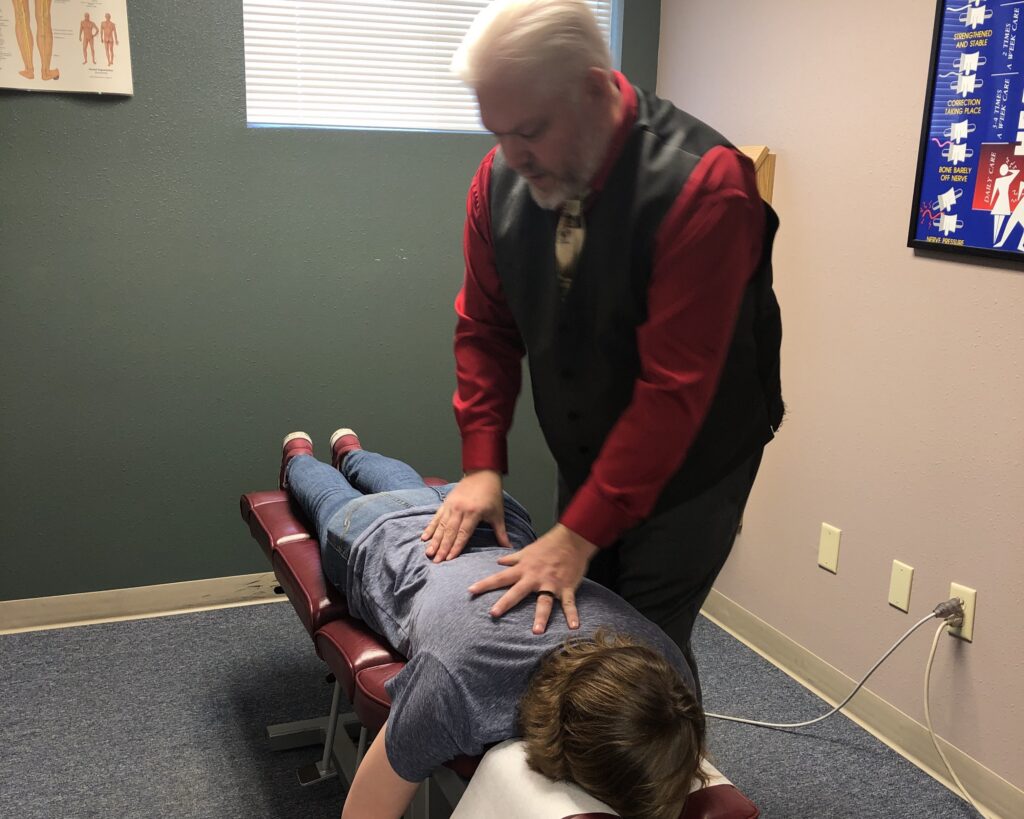
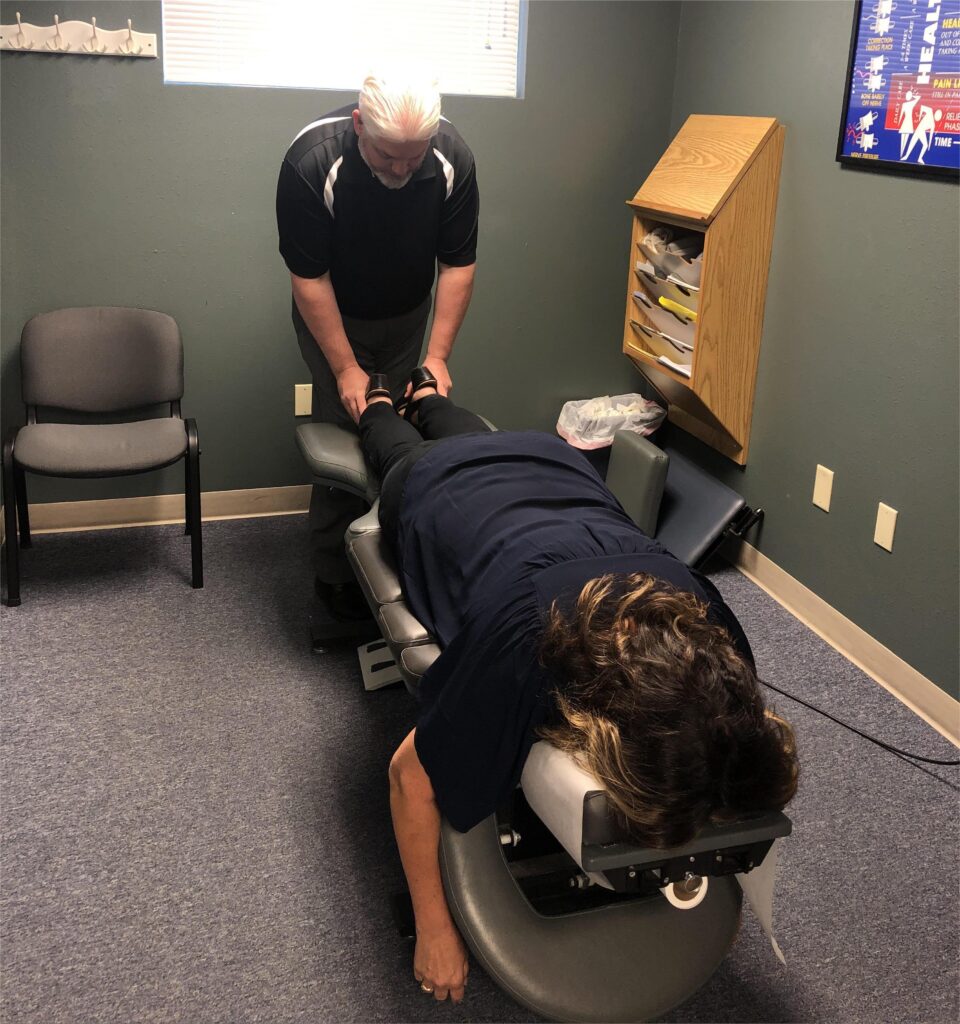
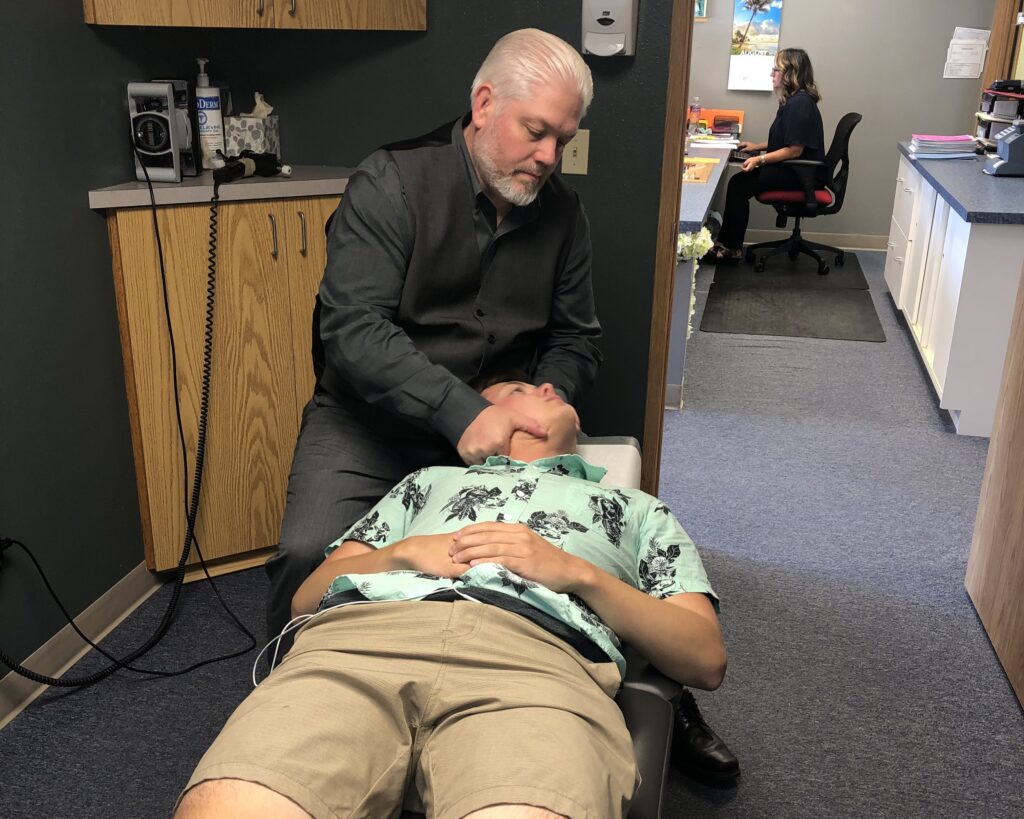
Chiropractic care provides a holistic and proactive approach to alleviating lower back pain. By choosing chiropractic treatment, you're taking a significant step towards recovery and enhancing your mobility. A licensed chiropractor will conduct a thorough evaluation of your condition and develop a personalized care plan tailored specifically to your needs. This individualized strategy ensures that you're receiving the appropriate adjustments and therapies to support your spine and strengthen your core.
During your visits, you'll likely engage in a range of chiropractic techniques designed to improve flexibility, strength, and overall body function. These adjustments can help correct postural misalignments and promote optimal movement. Additionally, you'll learn important techniques for maintaining proper body mechanics, which can significantly reduce the risk of future injuries.
In conjunction with adjustments, your chiropractor may incorporate various natural therapies such as heat, ice, or specific exercises that can alleviate pain and foster healing. Many patients find that these methods provide immediate relief while also addressing the root causes of their discomfort for long-term benefits.
Education is a crucial component of chiropractic care. Your chiropractor will help you understand your condition and share effective pain management strategies. This knowledge empowers you to take charge of your healing journey and make informed decisions about your health moving forward.
As you progress through your chiropractic treatment, you'll likely notice significant improvements in your back pain and overall quality of life. By committing to chiropractic care, you're investing in your health and well-being, paving the way for a more active and pain-free lifestyle.
Embrace the benefits of this natural healing approach; it could be the key to achieving lasting relief from your lower back pain.
Chiropractic Adjustments
As a local chiropractor, I want to help you understand the many benefits of chiropractic adjustments for lower back pain. When you choose chiropractic care, you're not just addressing discomfort—you're investing in your overall well-being.
We utilize a variety of techniques to realign your spine and alleviate pain, all tailored to meet your unique needs.
It's also important to discuss how often you should receive treatments. Regular adjustments can maximize the benefits of chiropractic care and help you achieve lasting relief.
I encourage you to explore this natural healing approach and discover how it can enhance your quality of life. Your journey to a healthier back starts here!
Benefits of Chiropractic Care
As a local chiropractor, I want to share with you the incredible benefits of chiropractic care, especially when it comes to alleviating lower back pain. Through targeted spinal adjustments, we can help relieve your discomfort while also improving your overall spinal health. When your spine is properly aligned, you'll likely experience enhanced range of motion, making everyday activities not only easier but also more enjoyable.
One of the key aspects of chiropractic care is our focus on identifying and treating the root cause of your pain, rather than simply masking the symptoms. By addressing any misalignments in your spine, we aim to reduce inflammation and support your body's natural healing processes. Many of my patients also notice improvements in their posture, which can lead to long-term relief and help prevent future issues from arising.
Moreover, regular chiropractic adjustments can significantly boost your body's ability to heal and function effectively. Many individuals report experiencing better sleep, reduced stress levels, and increased energy after their chiropractic sessions. This holistic approach goes beyond just treating back pain; it can enhance your overall well-being.
Incorporating chiropractic care into your routine is a proactive step toward maintaining a healthy spine and improving your quality of life. You deserve to live free from the limitations of lower back pain, and I'm here to guide you on that journey.
If you have any questions or would like to learn more about how chiropractic care can benefit you, please don't hesitate to reach out!
Techniques Used in Adjustments
As your local chiropractor, I want to help you understand the various techniques we use to restore proper alignment and function to your spine.
One of the most commonly utilized methods is the diversified technique. This approach involves quick, controlled thrusts applied to specific joints, which can significantly improve mobility and alleviate pain by realigning the vertebrae.
Another widely used method is the Gonstead technique. With this approach, I conduct a thorough examination of your spine to identify any misalignments. This detailed analysis allows me to make precise adjustments that cater to your unique needs.
We also have the Thompson technique, which is particularly gentle. It involves a specialized table that drops slightly during adjustments, facilitating a smoother correction process.
For those of you who prefer a softer touch, the Activator method might be ideal. This technique uses a small handheld device to deliver a quick impulse to targeted areas, making it a low-force option that many patients find comfortable.
Additionally, the SOT (Sacro Occipital Technique) focuses on balancing both the pelvis and spine. This involves placing blocks under your pelvis during adjustments to help achieve balance and alignment.
Finally, I often employ the Logan Basic technique, which uses gentle pressure on specific spinal segments to promote overall relaxation and proper alignment.
Each of these techniques is designed to meet individual preferences and specific conditions, ensuring that you receive the most effective treatment for your lower back pain.
Frequency of Treatments Needed
As a local chiropractor, I want to help you understand how we determine the frequency of treatments for effective chiropractic adjustments.
It's important to remember that this can vary greatly from person to person, influenced by individual conditions and levels of discomfort.
When you first come in, especially if you're dealing with significant pain, we typically start with more frequent visits—often two to three times a week.
This initial phase is crucial as it helps to alleviate acute pain and kickstarts the healing process.
As you begin to feel better, we'll likely discuss reducing the frequency of your visits.
Many patients transition to once a week or even every other week for what we call the maintenance phase.
This stage is essential not only for sustaining long-term relief but also for preventing any future flare-ups.
However, if you find that your pain returns or you experience a setback, it's important to reach out to me.
We can always adjust your treatment plan to include more frequent adjustments if necessary.
Your engagement with your treatment plan is vital for achieving the best results.
I encourage you to communicate openly about how you're feeling, as this feedback allows us to personalize your treatment frequency to suit your unique needs.
Remember, consistency is key, but it's equally important to listen to your body.
Our goal is to strike a balance that keeps your lower back pain manageable while enabling you to lead an active, fulfilling lifestyle.
Massage Therapy
As a local chiropractor, I want to share with you the benefits of massage therapy, especially for those struggling with lower back pain. Many people are unaware that combining chiropractic care with massage can significantly alleviate discomfort in the lower back. When you experience pain, targeted massage can help address the specific muscles and tension that may be contributing to your discomfort.
Massage therapy works by improving blood circulation, reducing muscle tension, and promoting relaxation, which can lead to a noticeable decrease in pain. During a session, a skilled massage therapist may utilize various techniques, including deep tissue, Swedish, or myofascial release, tailored to your specific needs. It's important to communicate your pain levels and preferences to ensure that the treatment is both comfortable and effective.
Many of my patients have reported feeling immediate relief after just one massage session, while others find ongoing benefits from regular appointments. Beyond pain relief, massage therapy can enhance your overall flexibility and range of motion, which is crucial if you've been limiting your movement due to discomfort.
By integrating massage into your wellness routine, you may find it easier to resume daily activities, whether that's exercising, working, or spending quality time with loved ones. If you're considering massage therapy for your lower back pain, I encourage you to explore whether your health insurance provides coverage.
Additionally, seek out local therapists who specialize in treating back pain. Remember, massage therapy can be a valuable component of your pain management strategy, allowing you to live a more comfortable and active life. As your chiropractor, I'm here to support you on your journey to natural healing.
Acupuncture
As a local chiropractor, I want to share how acupuncture can be a transformative approach to managing lower back pain.
This ancient practice involves the insertion of thin needles at specific points on the body, which can help restore balance and promote natural healing processes.
Many of my patients have experienced significant relief and improved mobility through acupuncture, and it can complement chiropractic care beautifully.
If you're new to natural healing methods, I encourage you to explore how acupuncture might work alongside chiropractic adjustments to help you achieve optimal wellness.
How Acupuncture Works
As a local chiropractor, I want to share with you how acupuncture—a practice that may seem unfamiliar to some—can be an effective method for alleviating lower back pain.
This ancient technique goes beyond being just another alternative therapy; it involves the insertion of thin needles at specific points on your body to stimulate the flow of energy, known as "qi."
By focusing on these key points, acupuncture works to restore balance and promote the body's natural healing processes.
Here's how acupuncture can help relieve lower back pain:
- Stimulates Endorphin Release: The insertion of needles can trigger your body to release endorphins, which are natural painkillers that help diminish discomfort.
- Improves Blood Circulation: Enhanced blood flow delivers vital nutrients and oxygen to the affected area, facilitating the healing process.
- Reduces Inflammation: Acupuncture can effectively reduce inflammation in the lower back, targeting one of the primary sources of pain.
- Balances Energy Flow: By addressing imbalances in your body's energy pathways, acupuncture can alleviate tension and improve overall bodily function.
- Enhances Relaxation: This therapy promotes relaxation, which can help relieve muscle tension and stress—common contributors to pain.
Incorporating acupuncture into your wellness plan can complement chiropractic care, providing a holistic approach to managing lower back pain and enhancing your overall health.
Benefits for Back Pain
Experiencing lower back pain can be incredibly challenging, and as a local chiropractor, I understand that finding effective relief is crucial. One natural healing method that many of my patients have found beneficial is acupuncture. This treatment involves targeting specific points in the body, which can help release endorphins—your body's natural painkillers—leading to significant relief from discomfort.
In addition to pain relief, acupuncture can enhance blood circulation, which is vital for healing the affected areas. An improved flow of nutrients can help reduce inflammation and muscle tension, allowing for greater mobility.
I've seen many patients report that regular acupuncture sessions not only alleviate their back pain but also contribute to an overall sense of well-being by reducing stress, which often exacerbates chronic pain conditions.
One of the compelling aspects of acupuncture is its minimal side effects. Unlike many conventional medications that come with a long list of potential adverse effects, acupuncture is generally safe and well-tolerated by most individuals.
Additionally, it can complement other treatments, including chiropractic adjustments and physical therapy, to maximize your recovery process.
If you're looking for a holistic approach to managing your lower back pain, I encourage you to consider integrating acupuncture into your treatment plan. With consistent sessions, many of my patients have experienced lasting relief and an improved quality of life.
Pain Relief Medications
When it comes to managing lower back pain, many individuals seek relief through various methods, including pain relief medications. While these medications can play a role in alleviating discomfort, it's essential to understand that there are also natural and holistic approaches, like chiropractic care, that can significantly enhance your recovery and overall well-being.
As a chiropractor, I often see patients who are looking for alternatives to medication. While over-the-counter (OTC) medications, such as nonsteroidal anti-inflammatory drugs (NSAIDs), can be effective for mild to moderate pain, they may not address the underlying issues contributing to your discomfort. Prescription medications may be necessary for more severe pain, but they often come with risks and side effects.
Instead of solely relying on medications, consider the benefits of chiropractic adjustments and therapies. Chiropractic care focuses on aligning the spine and improving your body's function without the need for drugs.
Here are some natural methods I often recommend for managing lower back pain:
- Chiropractic adjustments to realign the spine and relieve pressure on nerves.
- Therapeutic exercises that strengthen the muscles supporting your back.
- Stretching techniques to improve flexibility and reduce tension.
- Lifestyle modifications, including posture correction and ergonomic advice.
While pain relief medications can provide temporary relief, they may not address the root cause of your discomfort. It's crucial to approach pain management holistically.
Always consult with a healthcare provider, such as a chiropractor, who can guide you in finding the most effective and safe methods for managing your lower back pain. By embracing a natural healing approach, you can take significant strides toward alleviating your discomfort and enhancing your daily life.
Heat and Cold Therapy
As a local chiropractor, I want to share some effective methods for managing lower back pain that you may not be familiar with, especially if chiropractic care and holistic approaches are new to you. One of the simplest and most accessible options is heat and cold therapy, which can provide significant relief and seamlessly fit into your daily routine.
When you apply heat to your lower back, it stimulates blood flow to the area, promoting healing and comfort. You can easily do this using a heating pad, a warm towel, or even by enjoying a hot bath. Just be cautious and ensure the heat is at a comfortable level to prevent any burns. I recommend using heat for about 15-20 minutes several times a day, particularly before engaging in activities that could put a strain on your back.
Conversely, cold therapy is incredibly effective for reducing inflammation and numbing sharp pain. You can use ice packs, frozen vegetables, or a cold compress to achieve this. When applying cold therapy, try to do so for 15-20 minutes at a time, allowing your skin to return to a normal temperature between sessions. This method works best immediately after a strain or injury occurs.
Many of my patients find that alternating between heat and cold therapy can be particularly beneficial. Begin with cold therapy to manage any inflammation, and then switch to heat to alleviate muscle tension. It's important to listen to your body and adjust your approach based on what feels right for you.
Exercise and Stretching
As a local chiropractor, I want to emphasize how crucial exercise and stretching are in managing lower back pain and improving your overall mobility. Many people are unaware of the profound impact that regular physical activity can have on their spine health. By strengthening the muscles that support your spine, you can enhance your posture and reduce unnecessary strain on your back.
Incorporating stretching into your routine is equally important. It increases flexibility, alleviates muscle tension, and enhances your range of motion, which can be particularly beneficial for those experiencing discomfort. A well-rounded routine that combines both exercises and stretches can significantly enhance your quality of life.
Here are some key benefits of exercise and stretching that I often share with my patients seeking relief from lower back pain:
- Strengthens Core Muscles: Your core is the foundation of your spine. A strong core stabilizes your back and helps prevent injuries.
- Improves Flexibility: By increasing your flexibility, you can reduce stiffness and allow for smoother movement throughout the day.
- Promotes Blood Circulation: Engaging in regular physical activity boosts circulation, ensuring that your muscles receive the nutrients they need to function optimally.
- Reduces Muscle Tension: Stretching can provide immediate relief by easing tight muscles, which is often a source of discomfort for many individuals.
- Encourages Healthy Weight: Maintaining a healthy weight is vital, as it reduces the pressure on your back and promotes spinal health.
To get started on your journey to relief, I recommend low-impact activities such as walking, swimming, or cycling. Pair these with specific stretches targeting your lower back, hips, and hamstrings.
It's important to listen to your body—if something doesn't feel right, don't hesitate to modify or skip it. Consistency is key; gradual improvement comes with time and dedication.
Before starting any new exercise regimen, especially if you have existing pain or medical conditions, I encourage you to consult with a healthcare professional.
With commitment and the right approach, you can take control of your lower back pain and lead a more active, fulfilling life. Remember, chiropractic care complements exercise and stretching by addressing misalignments and promoting natural healing, so consider incorporating it into your health routine as well.
Mindfulness and Meditation
As a local chiropractor, I want to share how mindfulness and meditation can be valuable tools for those experiencing lower back pain.
Many of my patients find that these practices significantly contribute to stress reduction, which is crucial for managing discomfort.
Mindfulness and meditation not only promote relaxation but also empower you to handle pain more effectively by fostering a deeper connection with your body.
By integrating these techniques into your daily routine, you can cultivate a more holistic approach to your pain relief, complementing the chiropractic care I provide.
Understanding and embracing these natural healing methods can lead to a more balanced and effective path toward recovery.
Stress Reduction Techniques
As a local chiropractor, I often see how stress can significantly contribute to lower back pain. It's important to understand that incorporating mindfulness and meditation into your daily routine can be a powerful way to alleviate this discomfort.
When you focus on the present moment, you can effectively reduce anxiety and tension in your body, which are common culprits of pain. Here are some stress reduction techniques that I recommend to my patients:
- Deep Breathing: Take slow, deep breaths. This simple practice can calm your mind and help your muscles relax, providing relief from tension.
- Guided Meditation: I encourage you to explore apps or online resources that offer guided meditation sessions specifically focused on stress relief. These can be an excellent tool for beginners.
- Body Scan: Try practicing a body scan meditation. This technique helps you identify areas of tension in your lower back and teaches you how to release it effectively.
- Mindful Walking: Engage in mindful walking by paying attention to your surroundings and being aware of your body's movements. This can help ground you and reduce stress levels.
- Journaling: Consider journaling as a way to process your thoughts and feelings. Writing can provide clarity and help you manage stress more effectively.
Integrating these techniques into your everyday life can lead to a more balanced emotional state.
By managing your stress consistently, you may notice a decrease in your lower back pain over time. Remember, the key to success is regular practice, so I encourage you to commit to mindfulness and meditation as part of your holistic approach to health and healing.
As your chiropractor, I'm here to support you on this journey towards a pain-free life.
Enhanced Pain Management
As a local chiropractor dedicated to your well-being, I want to share how incorporating mindfulness and meditation into your pain management strategy can significantly benefit you, especially if you're dealing with lower back pain.
These holistic techniques allow you to reconnect with your body, offering a unique way to observe your pain without judgment or fear. By centering your attention on the present moment, you can alleviate anxiety and stress, which often intensify discomfort.
Let's start with some simple breathing exercises. Find a quiet place where you feel comfortable, and take slow, deep breaths. As you inhale and exhale, imagine your pain gradually fading away. This practice not only fosters a sense of calm but also equips you with tools to better cope with your discomfort.
I encourage you to weave mindfulness into your daily life. Whether you're walking, eating, or simply sitting, take a moment to focus on your body and the sensations you experience. By regularly practicing mindfulness, you can transform your relationship with pain, allowing you to respond more thoughtfully rather than react impulsively.
Additionally, meditation can be a powerful ally in your journey towards relief. Dedicate a few minutes each day to meditate. Concentrate on your breath or explore guided meditations specifically tailored for pain relief.
With time and consistency, these practices can help you manage your lower back pain more effectively, enhancing your overall quality of life. Remember, persistence is essential to fully experience the advantages of mindfulness and meditation alongside your chiropractic care.
Ergonomic Adjustments
As a local chiropractor, I often encounter patients who are unfamiliar with how simple changes in their workspace can lead to significant improvements in their overall well-being, particularly when it comes to reducing lower back pain.
It's essential to create an environment that supports your natural posture, as this can help prevent strain on your back. Here are some practical ergonomic adjustments that I recommend:
- Adjust your chair height: Ensure that your feet are flat on the floor and that your knees form a right angle. This helps distribute your weight evenly and supports your spine.
- Support your lower back: Consider using a lumbar roll or cushion that fits the natural curve of your spine. This will encourage proper alignment while you sit.
- Position your monitor correctly: Your screen should be at eye level and about an arm's length away. This positioning prevents you from hunching over and straining your neck and back.
- Keep your keyboard and mouse close: Place these tools at the same height as your elbows to minimize reaching and reduce strain on your back and shoulders.
- Take regular breaks: It's important to stand up and stretch every 30-60 minutes. This practice can relieve pressure on your spine and encourage better circulation.
By implementing these ergonomic adjustments, you may experience a significant increase in comfort throughout your workday.
Maintaining proper posture and minimizing unnecessary strain can alleviate current discomfort and prevent future issues. Remember, even small changes can lead to substantial benefits. I encourage you to take time to assess your workspace.
If, after making these adjustments, you still experience pain, don't hesitate to reach out for further evaluation.
As a chiropractor, I'm here to help you create a supportive environment that promotes your natural healing and overall wellness. Your health journey is essential, and I'm committed to guiding you along the way.
Alternative Therapies
As a local chiropractor, I want to share with you the potential benefits of exploring alternative therapies for relieving lower back pain and enhancing your overall well-being. Many of these therapies take a holistic approach, focusing not just on alleviating pain but also on improving your emotional and physical health.
One of the key components of my practice is chiropractic care. This involves using spinal manipulation to align the spine and enhance its function. By addressing misalignments, we can't only help reduce your pain but also prevent future discomfort. Regular visits to a chiropractor can lead to long-term relief and a healthier spine.
Another effective alternative therapy is acupuncture. This ancient practice utilizes thin needles inserted into specific points on the body to promote energy flow and alleviate pain. Many of my patients have experienced significant relief from lower back pain after just a few acupuncture sessions, which can complement chiropractic adjustments.
Massage therapy is also a valuable addition to your pain management strategy. It helps relax tight muscles, improves circulation, and promotes overall relaxation. Targeted massage focusing on the lower back can be particularly effective in relieving tension and discomfort.
Practices like yoga and Pilates are excellent for strengthening your core and improving flexibility. Not only do they help alleviate back pain, but they also teach you how to maintain proper posture, which is essential in preventing future issues. I often recommend these practices to my patients as part of a comprehensive care plan.
Additionally, herbal remedies such as turmeric and ginger have natural anti-inflammatory properties that may assist in managing pain. However, it's important to consult with a healthcare professional before starting any new supplement regimen.
Lastly, incorporating mindfulness and meditation into your routine can be beneficial for coping with pain. These practices can help reduce stress and foster a positive mindset, which can greatly impact your overall well-being.
At our chiropractic office, we believe in finding the right combination of treatments tailored to your individual needs. By exploring these alternative therapies alongside chiropractic care, you can create a well-rounded approach to managing your lower back pain and improving your quality of life.
Conclusion
As a local chiropractor, I want to share with you the top treatments that can help alleviate lower back pain. Many of my patients have found relief through options like chiropractic care, which focuses on spinal alignment and overall wellness. Physical therapy is another effective route that can strengthen your back and improve flexibility.
Additionally, alternative therapies such as acupuncture and massage can complement your healing journey by addressing muscle tension and promoting relaxation. It's also crucial to incorporate mindfulness practices and make ergonomic adjustments in your daily activities—these simple changes can significantly impact your comfort levels.
By adopting a holistic approach to your health, you can take charge of your pain management and enhance your quality of life. Prioritizing your well-being is essential, and I encourage you to explore these natural options for a healthier, pain-free back. If you have any questions about chiropractic care or how it fits into your treatment plan, don't hesitate to ask!