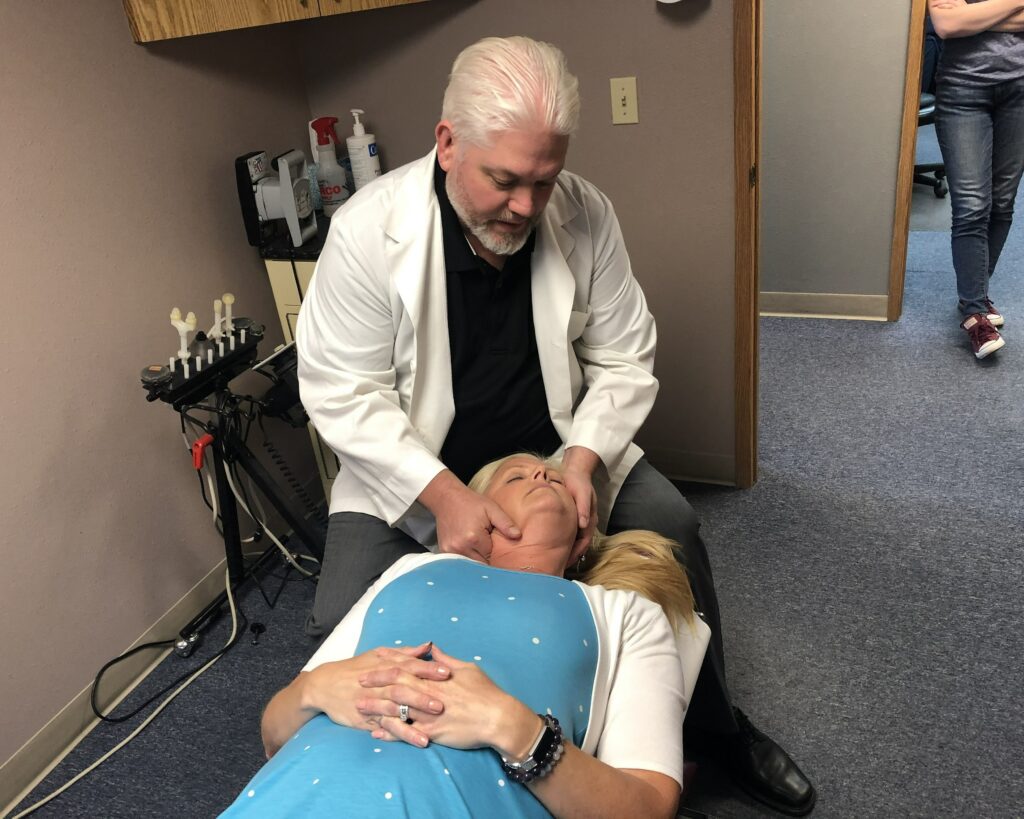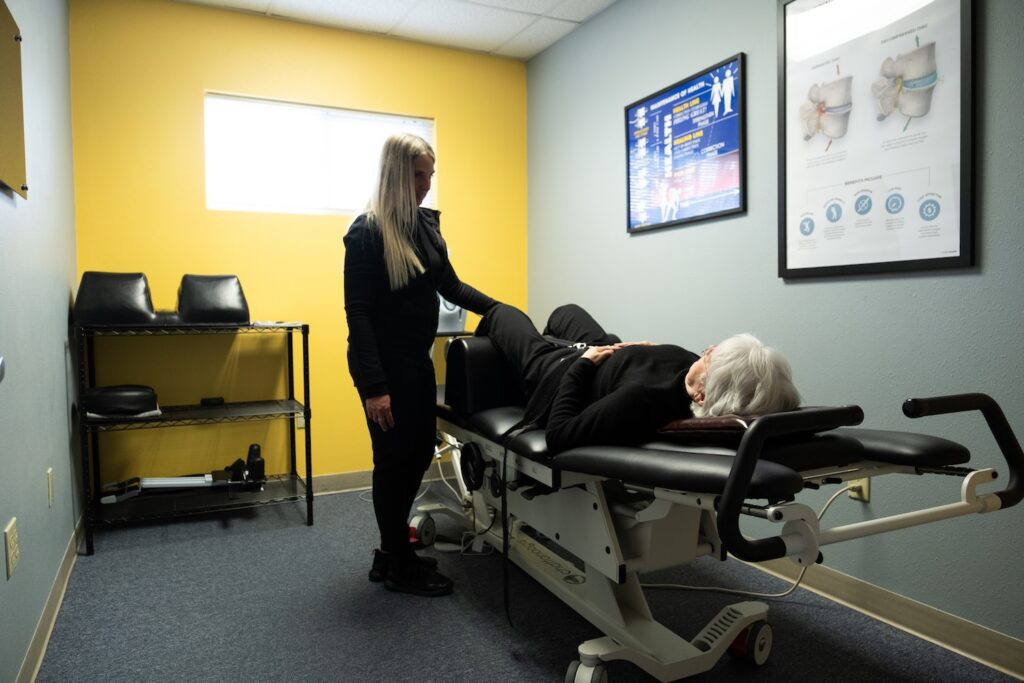

If you're experiencing lower back pain, it's important to know that you're not alone, and there are effective natural solutions that can help you find relief in just 30 days. As a local chiropractor, I want to emphasize that by incorporating simple yet impactful changes into your daily routine—such as gentle stretches, core strengthening exercises, and ergonomic adjustments—you can begin to restore your comfort and mobility.
Understanding the root causes of your pain is crucial, and it's equally important to be mindful of your posture throughout the day. However, there are additional strategies that might surprise you and could be pivotal in achieving long-term improvement. I encourage you to take the first step toward transforming your routine and embracing a healthier lifestyle. What will you do today to start your journey toward relief?
Understanding Lower Back Pain
As a local chiropractor, I see firsthand how lower back pain impacts countless individuals in our community. It's a common issue, yet many people don't fully understand the underlying causes or how chiropractic care can help. You might feel lower back discomfort as a dull ache or a sharp sensation, and it can come on suddenly or develop over time. Understanding the mechanics of your body is crucial for effective management and relief.
Your lower back, or lumbar region, consists of muscles, ligaments, and intervertebral discs that work together to support your spine and facilitate movement. When any of these components experience stress or injury, pain can arise. This pain can vary in intensity, from mild discomfort to severe agony, and it can disrupt your daily activities, making even the simplest tasks seem daunting.
It's important to recognize that lower back pain isn't solely caused by physical strain. Emotional stress and lifestyle factors, such as poor posture and inactivity, also play significant roles. As you work through your discomfort, consider how your daily habits may be contributing to your back pain. For instance, sitting for long periods without proper lumbar support can lead to increased strain on your back.
By acknowledging the influence of your daily routines and emotional well-being on your back, you can take proactive steps toward healing. Chiropractic care focuses on addressing these issues holistically, helping you understand and correct any misalignments or imbalances in your spine.
With the right guidance and treatment, you'll be empowered to make informed lifestyle changes. Understanding the complex nature of lower back pain will enable you to seek effective solutions.
As your chiropractor, I'm here to support you on your journey to alleviate discomfort and enhance your overall health. Together, we can work towards a pain-free life, ensuring you can enjoy your daily activities without fear.
Common Causes of Discomfort
As a local chiropractor dedicated to helping you achieve better health, I want to shed some light on the common factors that can contribute to discomfort in your lower back. Understanding these causes is the first step toward finding relief and improving your overall well-being.
One of the most prevalent issues we encounter is muscle strain. This often happens when individuals lift heavy objects incorrectly or make sudden movements. If you've been active or have overexerted yourself, you may notice that your muscles feel tight and painful. This is your body's way of signaling that something isn't quite right.
Another common concern is a herniated disc. This occurs when the soft material inside your spinal discs protrudes, potentially putting pressure on the nearby nerves. If you experience sharp pain that travels down your legs, this could be an indication of a herniated disc and is something we can assess and address in our practice.
Additionally, as we age, degenerative disc disease can become a factor in lower back discomfort. The spinal discs can wear down over time, leading to persistent pain that often worsens with movement. If you've been living with ongoing pain, this might be a condition we could explore together.
Inactivity is another significant contributor to lower back pain. Many people spend long hours sitting, especially if they work at a desk. This can weaken your muscles and create imbalances that lead to discomfort. If this sounds familiar, we can work on strategies to improve your posture and strengthen those muscles.
Lastly, it's essential to recognize the impact of stress on your physical health. When you're feeling overwhelmed, it's common to unconsciously tense your muscles, particularly in your back. This muscle tension can lead to that nagging pain that many of us experience.
By understanding these common causes of lower back pain, you can start to identify what might be triggering your discomfort. In our chiropractic practice, we focus on natural healing and holistic approaches to help you find relief.
Together, we can take proactive steps to address these factors and support your journey toward better health and comfort.
Importance of Posture
As your local chiropractor, I want to emphasize the crucial role that good posture plays in your overall spinal health and in preventing lower back pain. When you maintain proper alignment while sitting, standing, or moving, you effectively distribute your body weight evenly. This not only reduces strain on your spine and surrounding muscles but also minimizes your risk of injury and discomfort.
Many of you may not realize that your daily habits significantly influence your posture. For instance, slouching at your desk or hunching over your phone can lead to muscle imbalances and tightness, which are common contributors to lower back pain. By becoming more mindful of your posture throughout the day, you can actively counteract these negative effects.
To start, I encourage you to pay attention to how you sit and stand. When seated, keep your shoulders back, your chest open, and your feet flat on the ground. If you're standing, make sure to distribute your weight evenly on both feet and engage your core for better stability. This simple awareness can make a remarkable difference in how your body feels.
It's also essential to consider your workspace setup. An ergonomic chair and desk can support proper posture and help reduce strain on your back. If you find yourself sitting for extended periods, make it a habit to take breaks for stretching and changing positions.
Incorporating these posture practices into your daily routine can significantly contribute to maintaining a healthy spine and lowering the risk of back pain. By prioritizing your posture, you're taking proactive steps toward a more comfortable and pain-free life.
As your chiropractor, I'm here to support you on this journey to better health through natural healing and proper alignment.
Stretching for Relief
As a local chiropractor, I want to emphasize the importance of maintaining proper posture for your spinal health. However, it's equally important to incorporate stretching into your daily routine. Stretching can significantly alleviate lower back pain and enhance your flexibility. By engaging in regular stretching exercises, you can relieve tension in the muscles that support your spine, leading to improved mobility and overall comfort.
I recommend starting with gentle stretches such as the cat-cow pose. This exercise is excellent for mobilizing your spine. Begin by getting on all fours, then arch your back like a cat, and follow by lowering your belly while lifting your head and tailbone for the cow position. Repeat this sequence several times, paying close attention to your breathing.
Another beneficial stretch is the child's pose. To perform this stretch, kneel on the floor, sit back on your heels, and extend your arms forward while lowering your torso towards the ground. This position not only encourages relaxation but also effectively stretches the lower back.
Don't overlook the importance of hip flexor stretches, as tight hip flexors can contribute to lower back discomfort. Stand tall, step back with one foot, and bend your front knee while keeping the back leg straight. You should feel a gentle stretch in the hip of the back leg. Aim to hold each stretch for at least 20-30 seconds, and remember to breathe deeply throughout the process.
Strengthening Core Muscles
As a local chiropractor, I want to emphasize the importance of strengthening your core muscles for supporting your lower back and enhancing overall stability. Many people often think of their core as just their abdominal muscles, but it actually encompasses all the muscles around your trunk and pelvis.
A strong core plays a vital role in stabilizing your spine, reducing strain on your lower back, and improving your posture, which is crucial for preventing discomfort and pain.
To build a robust core, I recommend incorporating exercises that target all areas. One highly effective exercise is the plank, which works multiple muscle groups simultaneously. Start by holding a plank position for 30 seconds, and as you build strength, gradually increase the duration.
Additionally, side planks are fantastic for targeting your obliques and enhancing lateral stability.
Another excellent exercise to consider is the dead bug. For this exercise, lie on your back with your arms extended toward the ceiling and your knees bent at a 90-degree angle. Slowly lower one arm and the opposite leg toward the floor while keeping your lower back pressed into the ground.
Return to the starting position and alternate sides. This movement not only builds coordination but also strengthens your core.
Lastly, don't overlook the benefits of bridges. This exercise engages your glutes and lower back. To perform it, lie on your back with your knees bent and feet flat on the floor. Lift your hips toward the ceiling, squeeze your glutes, and hold for a few seconds before lowering back down.
By incorporating these exercises into your routine, you can strengthen your core, support your spine, and promote better overall health.
If you have any questions or concerns about your core strength or back health, feel free to reach out to me during your next visit. Together, we can ensure you're on the path to wellness through natural healing.
Incorporating Yoga
As a local chiropractor, I often see patients seeking relief from lower back pain. One effective way to manage this discomfort is by incorporating yoga into your routine.
Yoga provides a holistic approach that not only helps to alleviate pain but also promotes overall well-being. It enhances flexibility and strengthens the muscles that support your spine, which is vital for maintaining proper alignment.
Allow me to introduce you to some beneficial yoga poses that can ease your lower back pain. These poses are designed to stretch and strengthen, helping to relieve tension and improve your range of motion.
Embracing yoga as part of your healing process can complement chiropractic care and empower you to take an active role in your recovery. Let's work together to enhance your health and well-being with these natural methods.
Benefits of Yoga
As a chiropractor, I often recommend yoga as a powerful method for alleviating lower back pain. This practice combines stretching, strengthening, and mindfulness, which can significantly benefit your spinal health. By regularly engaging in yoga, you can enhance your flexibility and strengthen the muscles that support your spine. This improvement in muscle support leads to better posture and alignment, both of which are crucial for reducing strain on your lower back.
Yoga also plays a key role in promoting relaxation and reducing stress levels. When you experience less stress, your body tends to hold a more relaxed posture, which can alleviate tension in your back. The mindful breathing techniques practiced in yoga encourage you to stay present and aware of your body's signals. This heightened awareness can help you identify when you might be straining your back, allowing you to take preventative measures and avoid further injury.
Moreover, yoga embraces a holistic approach to wellness. While you work on building physical strength, you simultaneously enhance your mental clarity and emotional well-being. Many of my patients have reported improvements in their sleep patterns and an overall sense of health, both of which are essential components in managing pain.
Effective Poses Explained
As a local chiropractor, I want to share some effective yoga poses that can significantly benefit your lower back health. Integrating these poses into your routine can enhance your overall wellness and alleviate discomfort.
Let's start with Cat-Cow Pose. This gentle movement is performed on all fours, where you alternate between arching your back and rounding it while focusing on your breath. This flowing motion warms up your spine, encourages circulation, and helps relieve tension.
Next, I recommend Child's Pose. To do this, kneel and sit back on your heels, extending your arms forward on the mat. This pose promotes relaxation in your lower back and allows your body to decompress. Hold this position for several breaths to truly feel the release of tightness.
Another beneficial pose to consider is Downward-Facing Dog. From an all-fours position, lift your hips and straighten your legs to create an inverted V-shape. This pose effectively stretches your hamstrings and calves, while also elongating your spine, which can help relieve discomfort.
Lastly, the Sphinx Pose is a wonderful addition. Lie on your stomach and prop yourself up on your forearms, gently lifting your chest. This position not only strengthens your lower back but also opens up your chest, promoting better posture.
Regular practice of these poses can significantly alleviate lower back pain and improve your posture.
Benefits of Pilates
As a local chiropractor, I want to share with you the numerous benefits of incorporating Pilates into your routine, especially if you're dealing with lower back pain. Pilates can be a fantastic complement to chiropractic care, and here's why.
One of the key benefits of Pilates is its emphasis on core strength. Strengthening your core muscles helps stabilize your spine and alleviate strain on your lower back. Through Pilates, you'll develop stronger abdominal and back muscles, which are crucial for providing the support your body needs.
Pilates also focuses on flexibility and proper alignment. You'll learn to move intentionally, which enhances your body awareness. This awareness can help you identify and correct any poor posture habits that may be contributing to your lower back discomfort. Improved flexibility can relieve muscle tightness, a common factor in back pain.
Moreover, Pilates fosters a mind-body connection through controlled movements and deep breathing techniques. This mindfulness aspect can help reduce stress and tension, which often exacerbate physical pain. As you concentrate on your movements, you may find that you feel more relaxed, helping to mitigate emotional stress that can add to your discomfort.
Another advantage of Pilates is its adaptability to different fitness levels and specific needs. Whether you're just starting or have more experience, Pilates can be tailored to ensure you avoid aggravating any existing pain while still benefiting from strengthening and stretching exercises.
Incorporating Pilates into your wellness routine can provide a holistic approach to managing lower back pain. With regular practice, you may notice significant improvements in your strength, flexibility, and overall comfort in daily activities.
As your chiropractor, I encourage you to consider how Pilates can work alongside your chiropractic care to enhance your healing journey.
Hot and Cold Therapy
As a local chiropractor, I often recommend hot and cold therapy as a natural and effective way to manage lower back pain. This simple yet powerful method can provide significant relief for those experiencing discomfort, making it an essential part of your self-care routine.
Let's start with heat therapy. When you apply heat to your lower back, it increases blood flow, which helps to relax tight muscles and alleviate stiffness. You can use heat packs, hot water bottles, or even warm towels to achieve this soothing effect. Just remember to limit your application to about 15 to 20 minutes at a time. You want to feel warmth without any burning sensation, so always keep an eye on the temperature.
Now, cold therapy is another valuable tool in your pain management arsenal. It works wonders for reducing inflammation and numbing sharp pain. Ice packs or cold compresses are most effective when used in the first few days after you start experiencing pain. Similar to heat therapy, it's important to limit your cold applications to 15 to 20 minutes to prevent any skin damage.
Cold therapy can significantly help in reducing swelling and providing relief after any activities that may aggravate your back.
You may find that alternating between heat and cold therapy yields the best results. This combination not only helps manage pain but also promotes healing. Listen to your body during this process; if you find that one method provides more relief than the other, don't hesitate to adjust accordingly.
With consistent practice of hot and cold therapy, you'll likely notice a meaningful improvement in your lower back pain, enhancing your overall well-being.
Using Proper Ergonomics
As a local chiropractor, I want to share some valuable insights on the importance of proper ergonomics in preventing and alleviating lower back pain, particularly for those of you who spend long hours sitting at a desk or engaging in repetitive tasks. Creating an ergonomic workspace can make a significant difference in your overall comfort and well-being.
First and foremost, let's talk about your chair. It should be designed to support your lower back effectively. Ensure that your feet can rest flat on the floor or on a footrest, with your knees positioned at or slightly below the level of your hips. This foundation is crucial for maintaining a healthy posture.
Next, pay attention to your computer monitor. Position it at eye level to minimize neck strain and encourage a straight, upright posture. If you're working on a laptop, I recommend using an external keyboard and mouse. This will help you maintain the right posture while typing and reduce the risk of discomfort.
Don't overlook the height of your desk either. Ideally, it should allow your elbows to rest at a 90-degree angle when you're typing. If your desk is too high or low, you may find yourself hunching over or reaching out, leading to muscle fatigue and discomfort over time.
Incorporating movement into your daily routine is also essential. I suggest setting a timer to remind yourself to stand up and stretch every 30 to 60 minutes. Simple stretches can relieve tension and keep your muscles engaged, which is vital for your overall health.
Finally, keep frequently used items within easy reach. This will help you avoid unnecessary twisting or bending, which can strain your lower back. By making these adjustments to your environment, you can create a supportive space that helps minimize lower back pain.
Choosing the Right Mattress
As a local chiropractor, I understand the crucial role that a good mattress plays in alleviating lower back pain and promoting restful sleep. The right mattress can significantly impact your overall well-being, and I want to guide you through the process of selecting one that meets your individual needs:
1. Evaluate Firmness: For many of my patients suffering from lower back pain, I often recommend a medium-firm mattress. This type strikes a balance between support and comfort, helping to maintain proper spinal alignment while providing cushioning for sensitive pressure points.
I encourage you to test various firmness levels to discover what feels most comfortable for your body.
2. Understand Material Options: The materials used in a mattress can greatly affect your sleep quality. Memory foam is designed to conform to your body, helping to relieve pressure points, while innerspring mattresses offer a more traditional feel with added support and bounce.
Hybrid mattresses combine these two styles, giving you the benefits of both. Reflect on any specific discomforts you experience and your personal preferences when selecting a mattress material.
3. Try Before You Decide: Whenever possible, spend at least 10-15 minutes lying on the mattress in your preferred sleeping position. Pay attention to how your lower back feels during this time.
Many mattress retailers provide generous return policies, so don't hesitate to utilize this option to ensure that you've made the best choice for your health and comfort.
Remember, choosing the right mattress is a personal journey that may require some time and patience. However, investing in a mattress that properly supports your back can lead to improved sleep and greater comfort throughout your day.
Your back will undoubtedly appreciate the effort!
Footwear and Support
As a local chiropractor, I want to emphasize the importance of choosing the right footwear when it comes to preventing and managing lower back pain.
Many individuals may not realize that proper arch support in your shoes can significantly impact your overall spinal health. When your footwear is designed to support your feet correctly, you can experience a noticeable improvement in how your back feels throughout the day.
Let's discuss some effective options that can help you select the best support for your feet, which in turn can support your overall well-being.
Importance of Proper Footwear
As a local chiropractor, I want to emphasize the importance of wearing the right footwear for managing lower back pain. The shoes you choose play a crucial role in maintaining your overall spine health and can greatly affect the amount of strain on your back.
Wearing improper footwear may exacerbate your discomfort, so it's vital to prioritize comfort and support in your selection.
Here are three essential factors to consider when choosing your footwear:
1. Cushioning: I recommend looking for shoes that provide adequate cushioning. This feature is key in absorbing shock, which can significantly reduce the impact on your lower back, especially during activities like walking or standing for long periods.
2. Fit: Ensuring your shoes fit properly is crucial. Shoes that are too tight or too loose can lead to poor posture and alignment, which can aggravate your back pain.
Make sure there's enough space for your toes to move freely and that your heel is snugly secured in place.
3. Heel Height: I advise opting for footwear with a low, stable heel. High heels can disrupt your body's natural alignment and place unnecessary pressure on your back.
While a slight elevation can be beneficial, it's important to keep it moderate.
By paying attention to these factors, you can make informed choices about your footwear that support your spine health and help alleviate back pain.
Arch Support Solutions
As a local chiropractor, I want to emphasize the importance of proper arch support in maintaining not only your comfort but also your spinal alignment. This is especially crucial if you're experiencing lower back pain.
The footwear you choose can greatly impact how your body feels throughout the day, and I encourage you to be mindful of this. Look for shoes that come with built-in arch support or those that can accommodate custom orthotics.
When selecting footwear, consider the activities you'll be doing—whether it's walking, running, or standing for extended periods. I advise against flat shoes or high heels, as these can worsen your discomfort by not providing the necessary support for your arches.
There are many brands that specialize in orthopedic shoes, and you'll be pleased to know that they often offer stylish options that don't compromise on support. If you have a favorite pair of shoes that lack sufficient arch support, consider investing in arch support inserts.
These can help distribute your weight more evenly and alleviate stress on your lower back. Just ensure that the inserts fit snugly and provide the right height for your arches.
It's also important to keep in mind that shoes wear out over time, and their support diminishes. Regularly replacing worn-out footwear is key to preventing discomfort and pain.
Weight Management Strategies
As a local chiropractor dedicated to helping you achieve optimal health, I want to emphasize the importance of managing your weight, especially if you're experiencing lower back pain. Carrying excess weight can put unnecessary strain on your spine and the surrounding muscles, leading to discomfort. By adopting effective weight management strategies, you can alleviate your pain and improve your overall well-being.
Here are three essential strategies to help you get started:
1. Embrace a Balanced Diet: I encourage you to focus on incorporating whole foods into your meals—think vibrant fruits, fresh vegetables, lean proteins, and whole grains. These nutrient-rich options not only support weight control but also provide your body with the essential vitamins and minerals it needs for healing.
Try to limit processed foods and sugary beverages, as they can be high in calories and low in nutritional value, potentially exacerbating your discomfort.
2. Engage in Regular Exercise: Aim for at least 150 minutes of moderate aerobic activity each week. Activities such as brisk walking, cycling, or swimming can significantly benefit your spine and overall health.
Additionally, combining cardio with strength training exercises helps build muscle, which supports your spine and improves your posture, ultimately reducing back pain.
3. Be Mindful of Portion Sizes: It's important to pay attention to how much you're consuming. Using smaller plates or serving sizes can help you manage portions more effectively.
Keeping a food diary can also be a valuable tool, allowing you to track your intake and identify areas where you might need to make changes.
By incorporating these strategies into your daily routine, you'll not only work towards maintaining a healthy weight but also contribute to the overall health of your spine and reduce your lower back pain.
If you have any questions or need further guidance, please don't hesitate to reach out during your next visit. Your journey to better health is important to us!
Staying Hydrated
As a local chiropractor, I want to emphasize the importance of staying hydrated when it comes to managing lower back pain and enhancing your overall health. Water is vital for your body's proper functioning, and it plays a crucial role in keeping your spinal discs healthy.
These discs serve as cushions between your vertebrae, and when you're not adequately hydrated, they can lose their elasticity. This can lead to increased pressure on your spine, resulting in discomfort and pain.
I recommend aiming for at least eight 8-ounce glasses of water daily. However, if you're physically active or live in a warm climate, you may need even more. Your body is great at signaling its needs—if you feel thirsty, it's a clear indicator that it's time to hydrate.
In addition to supporting your spinal health, proper hydration helps improve circulation and ensures that essential nutrients are delivered throughout your body. Good circulation is vital in reducing inflammation, which is especially important when you're dealing with lower back pain.
To make it easier to stay on track with your hydration, consider keeping a water bottle with you throughout the day or setting reminders on your phone to encourage regular sipping.
Don't forget that you can also boost your hydration through your diet! Incorporating water-rich foods such as cucumbers, watermelon, and oranges won't only help you stay hydrated but also provide essential vitamins and minerals that contribute to your overall well-being.
Pain Relief Medications
As a chiropractor, I understand that many people may lean towards natural remedies for pain relief, but it's important to recognize that pain relief medications can also play a significant role in managing lower back pain effectively. These medications can help reduce inflammation and provide quick relief, allowing you to engage in your daily activities with greater ease.
Here are three common types of pain relief medications that you might come across:
- Nonsteroidal Anti-Inflammatory Drugs (NSAIDs): Over-the-counter options such as ibuprofen and naproxen are frequently used to alleviate pain and swelling. While they can be beneficial, it's essential to follow the recommended dosage to minimize any potential side effects. These medications can be a helpful part of your pain management plan, especially during flare-ups.
- Acetaminophen: This is another popular over-the-counter choice for pain relief. Unlike NSAIDs, acetaminophen doesn't have anti-inflammatory properties, but it can still effectively reduce pain. It's generally gentler on the stomach, which can be beneficial for those who experience gastrointestinal upset with NSAIDs. However, it's crucial to adhere to the daily dosage limits to safeguard your liver health.
- Prescription Medications: In cases where over-the-counter medications don't provide sufficient relief, your healthcare provider may recommend stronger prescription medications, such as muscle relaxants or opioids. While these can be effective for managing severe pain, they should be approached with caution due to potential side effects and the risk of dependency.
As your chiropractor, I encourage you to consult with your healthcare provider before starting any medication regimen. They can assist you in weighing the benefits and risks to find the most suitable option for your individual needs.
Physical Therapy Options
When it comes to addressing lower back pain, chiropractic care can make a significant difference.
Through a combination of manual therapies and targeted exercise programs, we can enhance your mobility and alleviate discomfort.
By exploring these natural healing options, you can take charge of your back health and experience a more fulfilling, pain-free life.
Our goal is to empower you with knowledge and techniques that support your body's ability to heal itself.
Manual Therapy Techniques
As a local chiropractor dedicated to helping you find relief from lower back pain, I want to share how manual therapy techniques can significantly enhance your comfort and mobility.
These hands-on approaches focus on the muscles, joints, and connective tissues, providing targeted relief tailored to your unique needs.
Here are three effective manual therapy techniques that I often recommend:
1. Chiropractic Manipulation: This foundational technique involves spinal adjustments to correct misalignments in your spine.
By realigning your vertebrae, we can relieve pressure on your nerves, restore proper movement, and alleviate pain. Many of my patients experience immediate relief and improved function after these adjustments.
2. Myofascial Release: This gentle technique is designed to release tension in the fascia, the connective tissue that surrounds your muscles.
By applying sustained pressure to specific areas, we promote relaxation and enhance your overall mobility. It's a soothing method that can help release tightness and improve your range of motion.
3. Soft Tissue Mobilization: In this method, we focus on stretching and applying pressure to your soft tissues, such as muscles and tendons.
This technique improves blood flow, reduces muscle tightness, and enhances your overall functionality. It's an important part of your rehabilitation that can help speed up your recovery.
Incorporating these manual therapy techniques into your wellness routine can lead to substantial improvements in your lower back pain.
It's always best to consult with a qualified therapist, like myself, to determine the most effective approach for your individual situation.
Together, we can work towards a healthier, pain-free life!
Exercise Rehabilitation Programs
As a local chiropractor, I want to emphasize the importance of exercise rehabilitation programs in effectively managing lower back pain and helping you regain your strength and flexibility.
These programs are designed to incorporate a blend of stretching, strengthening, and aerobic exercises tailored specifically to your individual needs. By collaborating with a chiropractor like myself, you'll gain valuable insights into improving your posture, enhancing core stability, and increasing your overall mobility.
Your journey towards recovery will begin with a comprehensive assessment to determine the underlying cause of your discomfort. From there, I'll create a personalized rehabilitation program that emphasizes gentle movements aimed at alleviating pain while gradually increasing the intensity of your exercises.
This method not only helps you avoid further injuries but also supports your healing process.
As you progress in your rehabilitation, you'll participate in exercises that focus on strengthening essential muscle groups, particularly the abdominal and back muscles. These targeted exercises not only help relieve your current pain but also play a crucial role in preventing future episodes of discomfort.
Consistency is key, so committing to your tailored program will lead to the best outcomes.
Integrating these exercises into your daily routine can significantly enhance your overall well-being. It's essential to remain patient and trust the process as we work together towards achieving a pain-free life.
Chiropractic Care
Are you experiencing lower back pain? As a local chiropractor, I want to introduce you to the benefits of chiropractic care, which could be the natural solution you've been looking for.
My focus is on diagnosing and treating musculoskeletal issues, particularly those related to spinal alignment. Through hands-on techniques, I can adjust your spine to help improve your overall function and well-being.
Here are three key benefits of chiropractic care that I often share with my patients suffering from lower back pain:
- Pain Relief: Many of my patients report feeling immediate relief following spinal adjustments. By realigning your spine, I can alleviate pressure on nerves and muscles, reducing discomfort and allowing you to enjoy life more fully.
- Improved Range of Motion: Regular visits to my practice can enhance your flexibility and range of motion. This isn't only vital for your everyday activities but also plays a crucial role in preventing future injuries.
- Holistic Approach: As a chiropractor, I believe in treating the whole person, not just the symptoms. I often create comprehensive treatment plans that include lifestyle advice, exercise recommendations, and nutritional guidance. This holistic approach helps to address the root causes of your pain, leading to lasting improvements.
By incorporating chiropractic care into your lower back pain management plan, you may experience significant progress.
Many of my patients find that ongoing treatments help maintain their improvements and prevent future episodes of pain. If you haven't yet considered chiropractic care, I encourage you to explore this natural option.
I'm here to discuss your specific needs and develop a personalized treatment plan tailored just for you. Your journey to a pain-free back can begin today!
Acupuncture Benefits
As a local chiropractor, I want to share how acupuncture can be a valuable addition to your journey towards relieving lower back pain. This ancient therapy, which involves the insertion of thin needles into specific points on your body, is designed to help restore balance and alleviate discomfort. Many of my patients have found that acupuncture not only reduces pain but also enhances their overall mobility, making it an effective choice for those dealing with lower back issues.
One of the standout benefits of acupuncture is its ability to activate your body's natural pain-relief systems. By targeting specific acupuncture points, we can encourage the release of endorphins, which serve as your body's natural painkillers. This not only helps to diminish your pain but also lifts your mood and enhances your sense of well-being.
Furthermore, acupuncture promotes improved blood circulation in the areas affected by pain. Enhanced circulation leads to better oxygen and nutrient delivery to your muscles and tissues, which is essential for healing and recovery. If you're experiencing tension or tightness in your lower back, acupuncture can help relax those muscles, providing much-needed relief.
What I appreciate about acupuncture is its holistic approach. It aims to address the underlying causes of your pain rather than simply masking the symptoms. By taking into account your overall health, acupuncture can lead to more sustainable improvements. Many of my patients report feeling more balanced and less stressed after their sessions, which can further aid in pain management.
Incorporating acupuncture into your wellness routine could be the key to achieving the relief you've been seeking. If you're curious about how this therapy can complement your chiropractic care and benefit your specific condition, I encourage you to consult with a licensed acupuncturist. Together, we can help you find a path to lasting comfort and improved health.
Massage Therapy Techniques
As a local chiropractor, I want to share how massage therapy techniques can be instrumental in alleviating lower back pain and enhancing your overall wellness.
These techniques not only help relieve muscle tension but also boost circulation and foster relaxation. By integrating massage into your health routine, you can experience significant improvements in your well-being.
Here are three effective massage therapy techniques that I often recommend to my patients:
- Swedish Massage: This technique employs long, flowing strokes to relieve tension and promote better circulation. It's especially helpful for relaxing tight muscles and reducing stress, making it an excellent option for those dealing with pain-related anxiety.
- Deep Tissue Massage: For individuals experiencing chronic pain or muscle stiffness, deep tissue massage targets the deeper layers of muscle and connective tissue. This method focuses on specific tension areas, helping to break up adhesions and alleviate discomfort in your lower back.
- Trigger Point Therapy: This technique addresses specific points within the muscle that may lead to referred pain. By applying pressure to these trigger points, you can relieve discomfort and restore normal muscle function, which is crucial for long-term relief.
While each of these techniques has distinct benefits, it's essential to select one that aligns with your individual needs.
I encourage you to consult with a licensed massage therapist to discuss your pain and determine the most suitable approach for your situation.
Regular massage sessions can't only provide immediate relief but also support your journey toward a pain-free lower back and improved quality of life.
Mindfulness and Meditation
As a local chiropractor, I want to emphasize the importance of incorporating mindfulness and meditation into your wellness routine, especially if you're dealing with lower back pain. These practices can significantly enhance the benefits you receive from chiropractic care.
By practicing mindfulness, you can develop a deeper awareness of your body and its sensations. This awareness allows you to identify areas of tension that may require attention during your chiropractic sessions, enabling you to communicate more effectively with me about your discomfort.
Meditation is another powerful tool in managing stress, which often contributes to muscle tension and pain. When you engage in meditation, you train your mind to focus, promoting relaxation and reducing anxiety. This mental clarity can manifest as physical relief, making your back feel less strained and improving your overall comfort.
To start your journey, I recommend setting aside a few minutes each day for mindfulness and meditation. Find a quiet space where you can sit comfortably and direct your attention to your breath. If your thoughts drift, gently guide them back to your breathing.
Even dedicating just five minutes a day can create a noticeable difference in how you feel. You might also consider exploring guided meditations aimed specifically at pain relief. There are many apps and online resources available that can help you find what works best for you.
As you cultivate a regular mindfulness and meditation practice, you may find that your body responds more positively to chiropractic adjustments, and you may also experience improvements in your emotional well-being. Embracing these practices can complement your chiropractic care and lead to a more holistic approach to your health.
Daily Walking Routine
As a local chiropractor, I often emphasize the importance of a daily walking routine as a simple yet powerful method to alleviate lower back pain and enhance overall well-being.
Walking is a natural activity that strengthens your muscles, boosts flexibility, and encourages better posture—critical components for maintaining a healthy spine.
If you're new to chiropractic care or exploring natural ways to improve your health, incorporating just a short walk into your daily routine can yield noticeable benefits almost right away.
Here are three essential tips to help you establish a consistent walking practice:
- Start Slow: If you haven't been active for a while, it's vital to ease into your walking routine. Begin with a gentle 10 to 15-minute stroll each day. As your body becomes accustomed to this activity, you can gradually increase the time and distance.
- Choose the Right Footwear: A good pair of walking shoes is crucial. Proper footwear provides the necessary support for your feet and lower back, minimizing the risk of discomfort and injury. This is particularly important for those of you experiencing back issues.
- Focus on Form: Your posture while walking plays a significant role in preventing strain. Keep your head held high, shoulders relaxed and back, and engage your core. Maintaining this alignment not only protects your spine but also maximizes the healing benefits of your walk.
By following these tips, you can integrate walking into your daily life and take proactive steps towards a healthier back and overall wellness.
Avoiding Prolonged Sitting
As a local chiropractor, I want to share some important insights on how to alleviate lower back pain, especially if you find yourself sitting for extended periods.
One of the most effective strategies is to reduce prolonged sitting. It's essential to incorporate movement throughout your day—this helps keep your spine healthy and flexible.
Setting up an ergonomic workstation is another vital step. Ensuring that your chair, desk, and computer are aligned correctly can significantly reduce strain on your back.
Additionally, I encourage my patients to take regular breaks. Simple stretches during these breaks can greatly enhance your comfort and mobility.
By making these adjustments, you can support your back health and work towards a pain-free life.
Importance of Movement
As a local chiropractor, I want to emphasize the importance of staying active throughout your day, especially if you find yourself sitting for long periods.
Regular movement is crucial for preventing lower back pain. It keeps your muscles engaged, promotes healthy blood flow, and helps maintain flexibility in your spine and surrounding tissues. If you neglect to move, you may end up tightening your muscles, which can exacerbate discomfort and lead to more serious issues.
Here are three simple ways to incorporate movement into your daily routine that can make a significant difference in your back health:
- Set a Timer: Every 30 to 60 minutes, take a brief break to stand up, stretch, or walk around. These small interruptions can greatly alleviate tension in your back and improve your overall comfort.
- Incorporate Walking: Whenever possible, try to walk during phone calls or meetings. Opt for the stairs instead of the elevator, or park a little further from your destination. These small changes can significantly increase your daily step count and keep your body engaged.
- Stretch Regularly: Simple stretches can work wonders in relieving tension in your lower back. Focus on areas like your hamstrings, hip flexors, and lower back muscles to maintain flexibility and support your spine's health.
Remember, taking these small steps can lead to long-term benefits for your back.
If you have any questions about how to integrate movement into your life or how chiropractic care can support your overall well-being, feel free to reach out!
#
Ergonomic Workstation Setup
As a local chiropractor, I want to emphasize the importance of creating an ergonomic workstation to maintain a healthy lower back, especially for those of you who spend long hours at a desk. One of the first steps is to adjust your chair so that your feet can rest flat on the floor, or use a footrest if necessary. Aim for your knees to form a 90-degree angle, and ensure that your hips are slightly elevated above your knees.
It's also vital to position your computer monitor at eye level. This adjustment prevents you from straining your neck or slumping over your desk. If you're using a laptop, I recommend investing in a separate keyboard and mouse to keep your hands in a comfortable position. Your elbows should rest at a 90-degree angle and stay close to your body.
Don't overlook the importance of desk height! Your desk should allow your arms to relax comfortably while you type. To minimize unnecessary stretching and twisting, keep frequently used items within easy reach.
Lastly, if possible, consider using a sit-stand desk. This option lets you alternate between sitting and standing throughout your workday, which can significantly reduce the risks associated with prolonged sitting.
Stretching and Breaks
As a local chiropractor, I want to emphasize the importance of incorporating regular stretching and breaks into your daily routine, even if you have a well-designed ergonomic workstation. Prolonged sitting can lead to stiffness and discomfort, particularly in your lower back.
To alleviate these issues, it's beneficial to stand up and move around every 30 to 60 minutes.
Here are three simple stretches that you can easily integrate into your day to promote spinal health and overall well-being:
- Seated Torso Twist: While sitting, place your right hand on the back of your chair and gently twist your torso to the right. Hold this position for 15 seconds and then switch sides. This stretch is excellent for releasing tension in your lower back, which can accumulate from sitting.
- Standing Hamstring Stretch: Stand up and place one foot on a low chair or table. Keep the leg straight and lean forward gently to feel a stretch in the back of your thigh. Hold for 15–30 seconds on each leg. This stretch helps improve flexibility and reduce tightness in your hamstrings, which can affect your lower back alignment.
- Cat-Cow Stretch: Get on all fours and alternate between arching your back (like a cat) and dropping your belly (like a cow) for about 30 seconds. This dynamic movement helps mobilize your spine and relieve tightness, making it a great addition to your routine.
Incorporating these stretches throughout your day can significantly contribute to keeping your back healthy and pain-free.
## Ergonomic Workstation Setup
As a local chiropractor, I want to emphasize the importance of an ergonomic workstation setup in preventing and alleviating lower back pain. Many of my patients come in with discomfort that could be significantly reduced simply by optimizing their work environment.
Let's explore how you can make some adjustments to enhance your comfort and support your spine.
First, let's talk about your chair. It's crucial that your chair provides proper support for your lower back, allowing your feet to rest flat on the floor or on a footrest. Ideally, your knees should be at or slightly below hip level to maintain a healthy posture.
Next, the positioning of your desk and computer screen plays a vital role in your spinal health. Your monitor should be set at eye level to prevent straining your neck or back. The top of the screen should be at or just below eye level, and about an arm's length away from you. This arrangement helps you maintain a neutral spine and minimizes discomfort throughout the day.
Your keyboard and mouse placement are just as important. Ensure your elbows are close to your body, creating an angle of 90 to 120 degrees. If needed, use a wrist rest to keep your wrists in a neutral position while typing. Position your mouse within easy reach to avoid overextending your arm, which can lead to further strain.
Finally, cultivating good posture habits is essential. Sit back fully in your chair to ensure your back is supported, and make a conscious effort to avoid slouching.
I also encourage my patients to take regular breaks to stand, stretch, or walk around, as this can help alleviate tension and support your overall well-being.
By creating an ergonomic workstation, you not only foster a healthier work environment but also support your lower back and enhance your productivity.
Using a Foam Roller
As a local chiropractor, I often recommend the use of a foam roller as a valuable tool for alleviating lower back pain.
This simple yet effective device can significantly enhance blood circulation and help release muscle tension, which is crucial for overall spinal health.
Let me share some practical techniques for using a foam roller safely, as well as essential tips to ensure you get the most benefit from your sessions.
Embracing this natural healing method can be a wonderful addition to your wellness routine, especially if you're new to chiropractic care.
Benefits of Foam Rolling
As a local chiropractor dedicated to promoting natural healing and wellness, I want to share how foam rolling can be an effective tool for managing lower back pain and improving your overall mobility. Many of my patients have found that incorporating foam rolling into their daily routines leads to remarkable benefits.
Here are three key advantages that I often discuss with my patients:
- Reduced Muscle Tension: Foam rolling is a fantastic way to alleviate tightness in your muscles and fascia. By applying pressure to specific areas, you can release the tension that often contributes to lower back pain and stiffness. This release can enhance your comfort and enable you to move more freely throughout your day.
- Improved Blood Flow: When you use a foam roller, you actively stimulate your circulation. This increase in blood flow is crucial, as it helps deliver vital nutrients to your tissues, promoting healing and recovery. For those dealing with lower back discomfort, improved circulation can make a significant difference in your recovery process.
- Enhanced Flexibility: Regular foam rolling can contribute to an improved range of motion. By working on tight areas, you can enhance your flexibility, which is essential for maintaining a healthy back and preventing future injuries. This is particularly important for anyone who leads an active lifestyle or spends long hours sitting.
Integrating foam rolling into your daily routine can lead to noticeable improvements in how you feel. Not only can it help reduce lower back pain, but it can also enhance your overall physical performance and well-being.
I encourage you to give foam rolling a try and experience these benefits firsthand. If you have any questions or need guidance on how to get started, feel free to reach out during your next visit!
Techniques for Effective Use
As a local chiropractor, I want to share some important techniques for using a foam roller effectively, especially if you're new to chiropractic care and natural healing. Foam rolling can be a powerful tool for relieving tension and improving muscle function, particularly in the lower back.
To begin, lie on your back and position the foam roller underneath your lower back. Use your legs to gently push yourself forward and backward. This motion allows the roller to massage the muscles along your spine. If you find any tender spots, take a moment to pause on those areas for about 20 to 30 seconds. This can help release built-up tension and promote relaxation.
Next, let's focus on the sides of your lower back. Lie on your side and place the foam roller under your hip. Roll slowly from your hip to your ribcage while maintaining control over your movements. It's important to keep your core engaged during this process to support your back and prevent strain.
You can also address tightness in your glutes. To do this, sit on the roller and cross one leg over the other knee. Lean gently toward the crossed leg and roll out the glute area. Adjust your body weight as needed to apply more pressure on any tight spots you encounter.
Lastly, don't forget to breathe deeply throughout your foam rolling session. Deep breathing helps relax your muscles and enhances the release of tension, making the process even more effective.
Safety Tips to Consider
As a local chiropractor, it's my goal to help you understand the importance of safety when using a foam roller to relieve tight muscles.
While foam rolling can be an effective technique for muscle recovery, it's crucial to approach it with care to avoid discomfort or injury.
Here are three essential safety tips I recommend:
1. Start Slow: When you're new to foam rolling, it's best to ease into it.
Begin with gentle pressure, allowing your muscles to adapt to the sensation. Gradually increase the intensity as your body becomes more accustomed.
This method helps to prevent any sudden pain or strain, ensuring a safer experience.
2. Focus on Major Muscle Groups: Concentrate on larger muscle groups such as your glutes, hamstrings, and quadriceps.
It's important to avoid rolling directly over bony areas or joints, which can lead to unnecessary discomfort.
Instead, focus on the surrounding muscles to achieve effective relief without risking injury.
3. Listen to Your Body: Your body will communicate with you during foam rolling.
If you encounter sharp pain, it's essential to stop immediately.
Foam rolling should feel similar to a deep tissue massage, not painful or torturous.
If you find yourself consistently uncomfortable, I encourage you to reach out for guidance or schedule a consultation to explore other natural healing options.
Remember, taking the right precautions can enhance your recovery experience and support your journey towards better health.
If you have any questions or need further assistance, feel free to ask during your next visit!
Tracking Your Progress
Tracking your progress is a crucial aspect of managing lower back pain and reaching your recovery goals. As a chiropractor, I want to emphasize the importance of understanding your symptoms, activities, and the various treatments you explore. By keeping a close eye on these factors, you can uncover valuable insights into what helps you feel better.
To start, I recommend maintaining a daily journal where you can jot down your pain levels, the activities you participate in, and how your body responds to them. This practice will help you identify patterns and triggers that might worsen your discomfort.
In addition to journaling, using a pain scale from 1 to 10 can be an effective way to quantify your experience. This numerical system allows you to track your pain more clearly over time. Make sure to document specific exercises or activities you engage in each day, noting any changes in your pain levels. This can help us pinpoint the strategies that work best for your relief.
It's also essential to keep track of any treatments or therapies you're using—be it chiropractic adjustments, physical therapy, medications, or alternative methods like acupuncture. Observing how these interventions impact your pain and overall well-being is crucial. This information can facilitate informed discussions with me or any other healthcare provider, helping us tailor your treatment plan to your needs.
Lastly, don't forget to celebrate the small victories along your journey. Even slight improvements in your pain or mobility are significant milestones in your recovery. By consistently tracking your progress, you not only stay motivated but also empower yourself to take charge of your lower back pain management naturally and effectively.
Together, we can work towards achieving your health goals!
Setting Realistic Goals
As a local chiropractor dedicated to helping you manage your lower back pain, I want to emphasize the importance of setting realistic goals for your recovery journey. By establishing attainable objectives, you can stay motivated and effectively track your progress.
Here are three key strategies tailored for you to set those goals:
- Be Specific: It's important to define what relief from your pain looks like. Instead of a vague goal like "I want to feel better," aim for something concrete, such as "I want to reduce my pain to a manageable level, like a 3 out of 10, within the next two weeks." This clarity makes it easier to recognize your progress.
- Focus on Actionable Steps: Let's break your overall goal into smaller, actionable tasks. This can include daily stretching exercises that I can teach you during our sessions, maintaining proper posture throughout the day, or gradually increasing your physical activity levels. Each small step adds up and can lead to significant improvements in your overall well-being over time.
- Set a Timeline: Establishing a timeframe for each of your goals is crucial. It creates a sense of urgency and holds you accountable. For instance, you might set a goal to practice a specific stretching routine that we develop together five days a week for the next month. This timeline will help you stay focused on your path to recovery.
By following these strategies, you can take control of your healing process and work towards a healthier, pain-free life.
Seeking Professional Help
If you're experiencing persistent lower back pain, I'm here to help you understand how chiropractic care can make a significant difference in your recovery.
As a chiropractor, I specialize in providing targeted adjustments that can alleviate pain and restore proper function to your spine.
In addition to adjustments, I often recommend physical therapy exercises tailored to your specific needs, helping to improve your strength and flexibility.
By combining these approaches, we can work together to help you find relief and enhance your overall mobility, allowing you to return to the activities you love.
Don't hesitate to reach out if you have questions or want to learn more about how chiropractic care can support your health and well-being.
Chiropractor Consultation Benefits
As a local chiropractor, I want to share how consulting with a chiropractor can significantly improve your experience with lower back pain. Chiropractic care focuses on diagnosing and treating issues related to the musculoskeletal system, especially the spine.
When you come to see us, you open the door to a variety of benefits that can enhance your healing journey and boost your overall quality of life.
Here are three essential benefits of consulting with a chiropractor:
- Tailored Treatment Plans: We take the time to thoroughly assess your specific condition and develop a treatment plan that's uniquely designed for you. This personalized approach ensures that we address your individual pain points and needs effectively.
- Natural Pain Relief: Many patients seek alternative solutions to medications due to concerns about side effects. Our hands-on techniques focus on realigning the spine and alleviating pain naturally, fostering long-term relief without the need for pharmaceutical interventions.
- Enhanced Mobility: Regular chiropractic adjustments can greatly improve your mobility. By correcting misalignments in your spine, you'll find it easier to engage in your daily activities and maintain a more active lifestyle.
Investing in chiropractic care is an investment in your health and well-being. With the right support and treatment, you can take significant strides toward managing and reducing your lower back pain.
If you're experiencing discomfort, I encourage you to reach out. Your back will truly thank you for it!
Physical Therapy Options
Exploring chiropractic care can be a transformative approach for managing your lower back pain. As a local chiropractor, I focus on assessing your unique condition and developing a personalized treatment plan that addresses your specific needs. My goal is to help you strengthen your core muscles, enhance your flexibility, and promote proper posture—all vital components for alleviating discomfort.
During your visits, you'll participate in specialized adjustments and exercises aimed at relieving tension and improving mobility. These techniques may range from gentle spinal manipulations to targeted strengthening exercises, all designed to retrain your body for optimal function.
Additionally, I'll teach you about proper body mechanics to help prevent future injuries. Beyond adjustments, I may incorporate natural healing modalities such as heat therapy, ice application, or electrical stimulation to ease pain and reduce inflammation.
I also prioritize educating you on effective pain management strategies, empowering you to take charge of your health between sessions. Embracing chiropractic care can lead to lasting relief and a better quality of life.
Alternative Therapies
As a local chiropractor, I want to share with you the benefits of alternative therapies for managing lower back pain.
These approaches focus on healing the whole person rather than just addressing the symptoms, which can lead to more effective pain relief and an overall improvement in your well-being.
If you're exploring natural options, consider integrating some of these therapies into your routine:
1. Acupuncture: This ancient practice involves inserting thin needles into specific points on the body.
Many of my patients have experienced significant reductions in their lower back pain after acupuncture sessions, as it can help alleviate pain and promote the body's natural healing processes.
2. Chiropractic Care: As a chiropractor, I specialize in spinal manipulation and other techniques that align your musculoskeletal structure.
By relieving pressure on the nerves and improving your mobility, chiropractic care can be an effective choice for those suffering from chronic back pain.
Regular adjustments can help restore balance and function to your body.
3. Massage Therapy: Working with a skilled massage therapist can complement your chiropractic care.
They can target tight muscles, enhance circulation, and promote relaxation.
Many of my patients find that regular massage sessions help manage their pain and reduce muscle tension in the lower back.
I encourage you to explore these alternative therapies as part of your journey toward better health and pain management.
Together, we can create a holistic approach tailored to your needs.
Building a Support System
Incorporating alternative therapies, such as chiropractic care, into your daily routine can be an excellent way to address lower back pain. However, having a robust support system is just as crucial for your overall recovery. This support network can consist of family, friends, and healthcare professionals who understand your situation and can offer encouragement along the way.
Remember, you don't have to face this journey alone; sharing your experiences can significantly ease the emotional burden.
Start by engaging with your loved ones. Inform them about what you're experiencing with your lower back pain and how they might assist you in your healing process. Even small gestures—like a friend helping with household chores or a family member accompanying you to your chiropractic appointments—can profoundly impact your recovery journey.
Additionally, consider joining support groups, whether online or in-person, where you can connect with others who are navigating similar challenges. These communities can be invaluable, providing emotional support, insights, and motivation that can help you stay committed to your healing process.
Don't forget the vital role that healthcare professionals, particularly chiropractors, play in your support system. As a chiropractor, I can offer tailored advice and treatment plans designed specifically for your needs. Chiropractic care focuses on the musculoskeletal system and can help alleviate pain, improve mobility, and promote overall well-being.
I'm here to guide you through your pain management journey and help keep you accountable as you work toward recovery.
Lastly, it's essential to communicate openly with your support network. Share your progress, no matter how minor, and express any challenges you may be facing. This openness fosters understanding and strengthens your relationships, making it easier for your support system to rally around you when you need assistance.
Together, we can navigate the complexities of lower back pain more effectively, paving the way for a healthier, more active life.
Lifestyle Changes for Prevention
As a local chiropractor, I want to share some important lifestyle changes that can help prevent lower back pain.
One of the first steps you can take is to create an ergonomic workspace that supports healthy posture. This means adjusting your chair, desk, and computer screen to ensure that your body is aligned properly while you work.
Additionally, incorporating a regular exercise routine is essential for strengthening your back and overall body. Simple activities like walking, stretching, or specific back-strengthening exercises can make a significant difference in how you feel.
By making these adjustments, you can improve your comfort and promote better health naturally.
Ergonomic Workplace Setup
As a chiropractor dedicated to helping you achieve optimal health, I want to emphasize the importance of creating an ergonomic workplace setup. By making a few simple adjustments to your workspace, you can significantly reduce your risk of lower back pain and improve your overall well-being.
Here are three essential elements to consider for an ergonomic workspace:
- Chair Height and Support: It's crucial to ensure your chair is adjustable. Your feet should rest flat on the floor with your knees at a 90-degree angle. I recommend selecting a chair that offers lumbar support to help maintain the natural curve of your spine. Proper support can prevent strain and discomfort that may lead to chronic pain.
- Desk and Monitor Position: Your desk should be set at elbow height, allowing your arms to remain relaxed while typing. Position your monitor about an arm's length away, with the top of the screen at or just below eye level. This setup minimizes neck strain and promotes better posture, which is vital for maintaining spinal health.
- Keyboard and Mouse Placement: Keep your keyboard and mouse within easy reach to avoid overstretching. Your wrists should remain straight while typing, and your hands should hover comfortably above the keyboard. This alignment helps prevent repetitive strain injuries that can arise from poor positioning.
By incorporating these ergonomic principles into your daily routine, you can support your body and maintain good posture throughout the day.
Regular Exercise Routine
As a local chiropractor, I want to emphasize the importance of a consistent exercise routine for maintaining a healthy spine and preventing lower back pain. Engaging in specific exercises not only strengthens your core but also enhances your flexibility and encourages better posture, which is crucial for your overall health.
I recommend starting with low-impact activities such as walking, swimming, or cycling. These exercises help build endurance while minimizing strain on your back. As you progress, it's essential to incorporate targeted exercises that focus on your abdominal and back muscles. Movements like planks, bridges, and bird-dogs are excellent for stabilizing your spine and reducing the risk of injury.
Don't overlook the significance of stretching in your routine. Keeping your muscles flexible can alleviate tightness that often contributes to discomfort in the lower back. I encourage you to dedicate at least 30 minutes most days of the week to your exercise regimen.
Remember, consistency is crucial; there's no need to dive into intense workouts right away. A gradual approach is more effective and sustainable for your health.
Always listen to your body. If you experience any discomfort during an exercise, consider modifying it or seeking guidance.
Maintaining Long-term Health
As a local chiropractor dedicated to your long-term health, I want to emphasize the importance of preventing lower back pain while enhancing your overall quality of life. By integrating healthy habits into your daily routine, you can significantly lower your risk of back issues and improve your well-being.
Here are three essential strategies to help you on this journey:
1. Stay Active: Engaging in regular physical activity is crucial for maintaining strong and flexible muscles that support your spine. I recommend aiming for at least 30 minutes of moderate exercise most days of the week. Activities such as walking, swimming, and yoga can be particularly beneficial for your back health.
These exercises not only strengthen your muscles but also promote overall mobility and reduce tension.
2. Practice Good Posture: Proper posture is vital for spinal alignment, whether you're sitting, standing, or lifting. Being mindful of your body mechanics can make a significant difference in preventing back pain.
When lifting heavy objects, remember to keep your back straight and engage your core. Additionally, I encourage you to evaluate your workspace; ergonomic furniture can provide the necessary support for maintaining good posture throughout long hours of work.
3. Prioritize Nutrition: A balanced diet is essential for supporting your overall health and maintaining a healthy weight, which plays a key role in preventing back pain.
Focus on incorporating foods that are rich in calcium and vitamin D to promote strong bones. Anti-inflammatory foods, such as fruits, vegetables, and healthy fats, can also aid in reducing inflammation in your body.
Don't forget to stay hydrated, as proper hydration is vital for maintaining spinal health.
By following these strategies, you can take proactive steps toward a healthier and pain-free life.
Conclusion
As a local chiropractor dedicated to your health, I want to share how you can take meaningful steps toward alleviating lower back pain within just 30 days. By incorporating daily stretching and focusing on strengthening your core, you can create a solid foundation for relief. Good posture is also crucial to your recovery and overall well-being.
It's important to recognize that lifestyle changes play a significant role in managing pain. Staying active and ensuring you get quality sleep are vital for your healing process. In our practice, we emphasize the importance of a supportive environment and a commitment to your health journey. With the right approach, you can reclaim your comfort and mobility, ultimately paving the way for a pain-free future. Let's work together to explore natural healing methods that can enhance your quality of life!