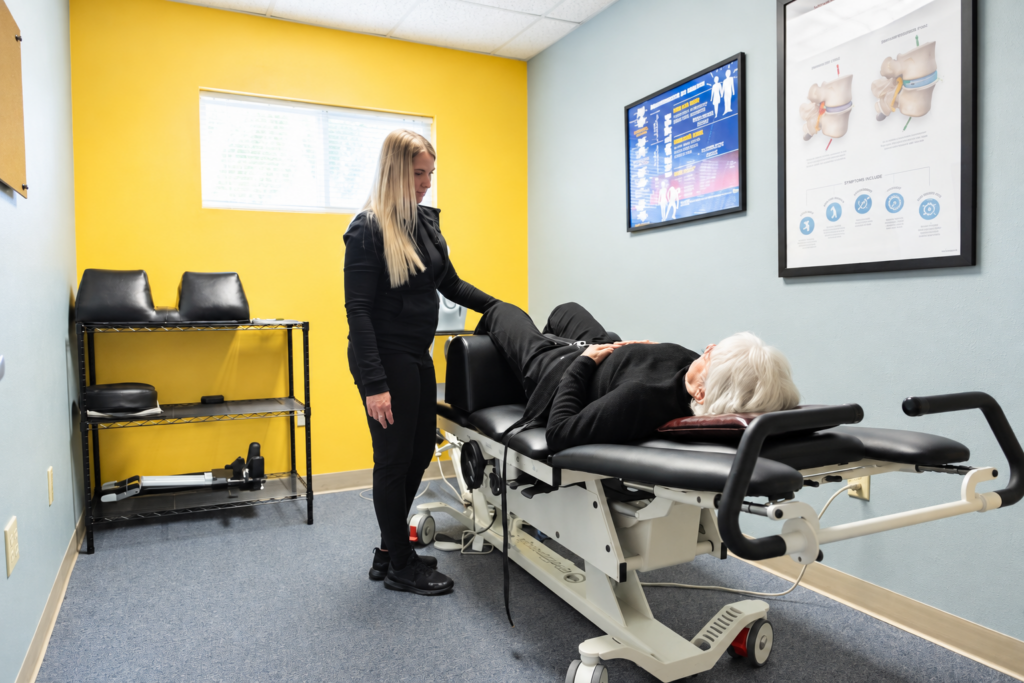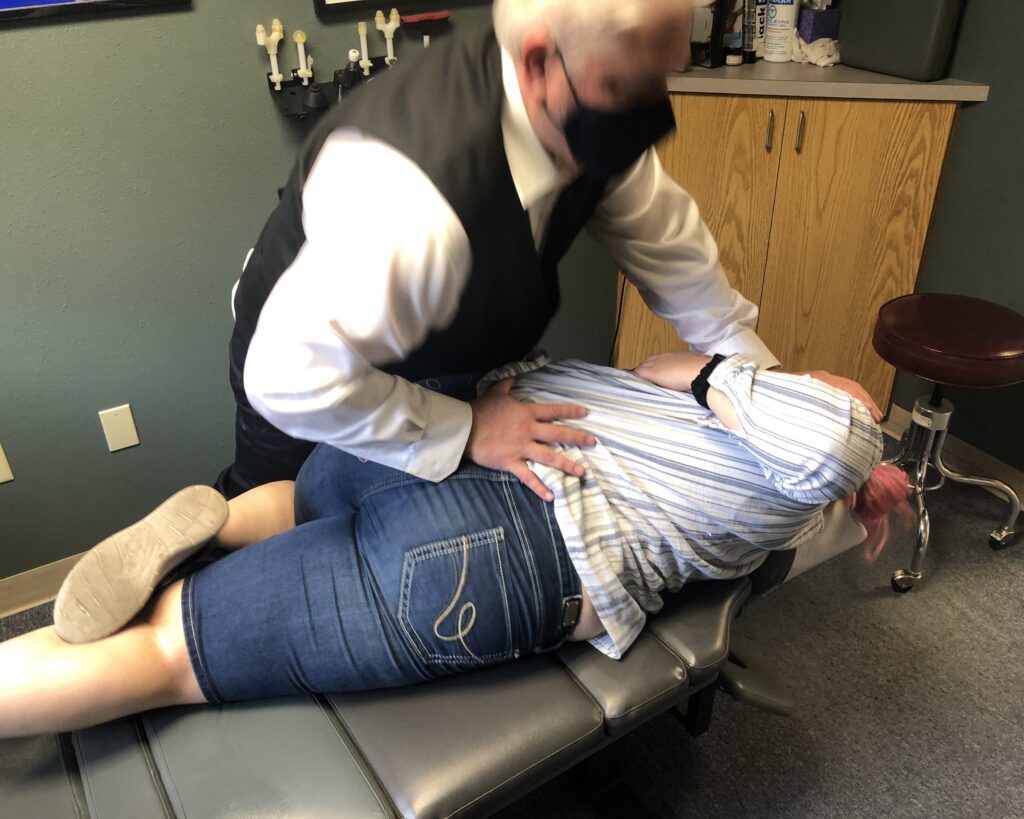

As a local chiropractor, I want to emphasize the importance of looking beyond traditional recovery methods when dealing with sports injuries. Many patients are surprised to learn how effective a natural approach can be. By focusing on proper nutrition, gentle movement, and mindfulness, you can significantly enhance your healing process.
Nutrition plays a crucial role in recovery; the right foods can aid in reducing inflammation and promoting healing. Gentle movement, tailored to your condition, can help maintain flexibility and strength without putting undue stress on your injury. Additionally, incorporating mindfulness techniques can help manage pain and improve your overall mental well-being during this challenging time.
Your mindset is a vital component of recovery. A positive outlook can motivate you to adhere to your recovery plan and engage in the necessary practices that support healing. If you're curious about how to integrate these elements into a personalized recovery plan, I'm here to help you explore the many possibilities of chiropractic care and natural healing tailored to your needs. Let's work together to get you back to your best self!
Understanding Sports Injuries
As a local chiropractor, I want to help you understand the various sports injuries that can affect your performance and overall health. It's crucial to recognize these injuries so that you can recover effectively and prevent future occurrences. Some common injuries we see include sprains, strains, fractures, and tendonitis, each affecting different body parts and requiring specific approaches to healing.
Sprains involve the ligaments, which are the strong bands that connect bones at your joints. For instance, if you twist or overstretch your ankle during a game, you might experience a sprain. This can lead to pain, swelling, and limited movement.
Strains, on the other hand, affect your muscles or tendons. If you push yourself too hard during physical activity, you could strain a muscle, leading to discomfort and weakness.
Fractures are a more serious concern and can occur from high-impact sports or falls. These breaks need immediate medical attention and often involve a longer recovery period.
Tendonitis is another condition frequently seen in athletes, which results from repetitive motions that inflame the tendons, causing pain and stiffness.
Recognizing the signs of these injuries is essential for addressing them in a timely manner. Ignoring symptoms can exacerbate your condition and extend your recovery time. It's important to listen to your body, take necessary breaks, and seek professional advice if you're uncertain about the severity of an injury.
At our chiropractic practice, we focus on natural healing methods to support your recovery. By understanding the nature of sports injuries, you empower yourself to make informed decisions about treatment and recovery. Together, we can work towards a healthier, more active lifestyle for you.
The Role of Nutrition
As your local chiropractor, I want to emphasize the crucial role that nutrition plays in your recovery from sports injuries. When you sustain an injury, what you eat can significantly influence your healing process.
Incorporating anti-inflammatory foods into your diet can help alleviate pain and reduce swelling, which is vital for your overall recovery. Additionally, staying well-hydrated is essential, as it supports your body's natural healing mechanisms.
It's important to understand that nutrition isn't just about fueling your body; it's about providing it with the right tools to heal effectively. By making mindful choices in your diet, you can enhance your recovery journey and complement the chiropractic care you receive.
Let's discuss how simple dietary changes can make a meaningful impact on your healing.
Anti-inflammatory Foods Benefits
As a local chiropractor, I want to share how incorporating anti-inflammatory foods into your diet can significantly enhance your recovery from sports injuries. When it comes to healing, reducing inflammation is crucial, and the right nutrients can make all the difference.
Fruits and vegetables, particularly berries, leafy greens, and citrus fruits, are rich in antioxidants that help combat cellular damage. This is vital for your body's recovery process. Additionally, omega-3 fatty acids—found in fatty fish like salmon and nuts such as walnuts—are known to effectively decrease inflammation.
Including spices like turmeric and ginger in your meals can also be beneficial, as they possess strong anti-inflammatory properties. Whole grains, such as quinoa and brown rice, are excellent choices as they provide essential nutrients that support your body's healing processes.
Nuts and seeds deliver healthy fats and protein, which are vital for muscle repair and overall recovery. Don't overlook legumes, either! They're packed with fiber and protein, helping to maintain your energy levels as you heal.
By consciously incorporating these anti-inflammatory foods into your diet, you create an environment conducive to healing. This not only helps you recover more quickly but also allows you to return to your favorite activities feeling stronger than ever.
As your chiropractor, I encourage you to embrace these natural healing strategies for optimal health and recovery.
Hydration and Healing
As a local chiropractor dedicated to your overall well-being, I want to emphasize the vital role hydration plays in your recovery from sports injuries.
Think of hydration as a lifeline for your body; when you stay well-hydrated, your cells operate at their best, which is crucial for healing and can significantly shorten your recovery time. On the other hand, dehydration can hinder your body's natural ability to repair tissues, so it's important to prioritize your fluid intake.
Here are some practical tips to enhance your hydration and support your healing process:
- Water Intake: Strive to drink at least 8-10 glasses of water each day. Staying hydrated helps flush toxins from your body and ensures that essential nutrients reach your injured tissues.
- Electrolytes: Consider incorporating electrolyte-rich beverages, especially if you find yourself sweating more than usual. These drinks help maintain the right balance of fluids in your body, which is particularly important as you recover.
- Hydrating Foods: Don't forget about the power of hydrating foods! Incorporate fruits and vegetables that have high water content, such as cucumbers, watermelon, and oranges. Not only will these foods keep you hydrated, but they also provide vital vitamins and minerals to support your healing journey.
By focusing on proper hydration, you can enhance your recovery and move toward better health.
If you have any questions about how hydration connects with chiropractic care and natural healing, feel free to ask!
Gentle Movement Techniques
As a local chiropractor, I want to share the importance of gentle movement techniques in your recovery from sports injuries.
These practices aren't just about healing; they also help you regain mobility and strength in a safe and effective manner.
By incorporating gentle movements into your routine, you can support your body's natural healing process and improve your overall well-being.
Let's delve into the benefits of these techniques and how they can aid in your recovery journey.
Benefits of Gentle Movement
As a local chiropractor, I want to share how gentle movement techniques can significantly support your recovery from sports injuries. Many people may not realize the important role that mild physical activities play in the healing process.
By incorporating gentle movements into your daily routine, you can unlock a variety of benefits that promote a smoother recovery journey:
- Improved blood flow: Engaging in gentle movements enhances circulation, which is crucial for delivering vital nutrients to your injured tissues. This increased blood flow can help accelerate your healing process.
- Pain relief: Light physical activities can trigger the release of endorphins, which are your body's natural painkillers. By incorporating these gentle movements, you might find relief from the discomfort associated with your injury.
- Enhanced flexibility: Gentle movements facilitate the gradual stretching of muscles and tendons, which can improve your range of motion. This can be especially important in preventing future injuries as your body heals.
Integrating gentle movement into your recovery plan is a natural and effective way to support your healing.
As your chiropractor, I'm here to guide you through this process and help you understand how these techniques can enhance your overall well-being.
Effective Gentle Movement Practices
As a chiropractor, I want to share how incorporating effective gentle movement practices into your recovery routine can significantly enhance your healing process.
These techniques not only help you maintain mobility but also reduce pain and promote circulation—all without the risk of further injury.
Let's start with simple stretches that can improve your flexibility.
It's crucial to focus on slow, controlled movements that allow you to truly listen to your body and make adjustments as necessary.
This kind of mindful movement is essential in promoting healing.
I also recommend considering practices like yoga or Pilates.
Both of these disciplines emphasize mindfulness and body awareness, which can help you connect with your body while also strengthening your core muscles.
If you're new to these practices, look for beginner classes or routines specifically designed for injury recovery.
Walking is another excellent option for gentle movement.
Engaging in short, frequent walks can stimulate blood flow and aid in your recovery process.
Remember to choose a pace that feels comfortable for you; it's all about finding what works best for your body.
If you're looking for a more structured approach, water therapy can be incredibly beneficial.
The buoyancy of water alleviates pressure on your joints, allowing you to move more freely and comfortably.
Lastly, I can't stress enough the importance of deep breathing.
Incorporating deep, rhythmic breaths into your gentle movements can enhance relaxation and reduce tension, further supporting your recovery.
By embracing these gentle practices as part of your routine, you'll be actively supporting your body's natural healing process and gradually regaining strength and mobility.
If you have any questions about how to implement these practices safely, feel free to ask.
Your health and recovery are our priority!
Mindfulness and Mental Resilience
As a local chiropractor, I believe that practicing mindfulness can significantly enhance your mental resilience during the recovery process from sports injuries. By focusing your mind on the present moment, you can alleviate anxiety and cultivate a sense of calm, which is essential when facing the physical and emotional challenges associated with healing.
Mindfulness enables you to acknowledge your thoughts and feelings without judgment, making it easier to navigate the ups and downs of recovery.
Here are three mindfulness techniques that I encourage you to incorporate into your daily routine as part of your holistic healing journey:
- Breath Awareness: Dedicate a few minutes each day to focus on your breath. Inhale deeply and exhale slowly, allowing your mind to clear. This straightforward practice can help you regain control over your thoughts and promote relaxation.
- Body Scan: Find a comfortable position, lie down, and mentally scan your body from head to toe. Pay attention to any areas of tension or discomfort without attempting to change them. This practice fosters a deeper connection with your body and encourages relaxation, which is beneficial for recovery.
- Gratitude Journaling: Each day, write down three things you're grateful for. Shifting your focus to positive aspects of your life can enhance your mindset and uplift your overall mood.
Integrating these mindfulness practices into your recovery routine can help build mental resilience. You'll learn to accept your current situation and cultivate a more positive outlook.
Natural Supplements for Recovery
As a local chiropractor, I want to emphasize the importance of both mental and physical resilience during your recovery process. While chiropractic care focuses on spinal alignment and overall body function, integrating natural supplements can significantly enhance your healing journey. These supplements can support your body's ability to recover from sports injuries, reduce inflammation, and accelerate tissue repair.
One of the standout supplements I often recommend is omega-3 fatty acids, which are commonly found in fish oil. These fatty acids are celebrated for their anti-inflammatory effects, helping to ease pain and swelling associated with injuries.
Another excellent option is curcumin, the active ingredient in turmeric. Curcumin is well-regarded for its inflammation-fighting capabilities and its role in promoting healthy blood circulation, which is vital for healing.
In addition to these, collagen supplements are worth considering. Collagen plays a crucial role in repairing tendons and ligaments, making it an excellent addition to your recovery plan. Ensuring you have adequate vitamin D levels is also important, as it supports bone health and contributes to a smoother recovery process.
Don't forget about branched-chain amino acids (BCAAs), which can be beneficial for reducing muscle soreness and fatigue after an injury. Lastly, magnesium is essential for optimal muscle function and can aid in preventing cramps and spasms during your rehabilitation.
Before you start any new supplements, I strongly recommend consulting with a healthcare provider, such as myself. I can help guide you on the appropriate dosages and combinations tailored to your specific needs.
Creating a Recovery Plan
Creating a structured recovery plan is vital for anyone looking to effectively bounce back from a sports injury, and as your local chiropractor, I'm here to guide you through this important process. A well-thought-out recovery plan not only helps you stay focused but also ensures you're taking the right steps to speed up your healing naturally.
Here's how you can create a robust recovery plan tailored to your individual needs.
First and foremost, it's essential to assess your injury. I recommend consulting with a healthcare professional, such as myself, to gain a clear understanding of your specific recovery timeline. Once we establish a clear picture of your injury, we can structure your plan around these key components:
- Rest and Rehabilitation: It's crucial to allocate time for rest and engage in gentle rehabilitation exercises that align with your injury type. I can help guide you through appropriate movements and adjustments to gradually reintroduce activity based on your comfort level and professional advice.
- Nutrition: A balanced diet plays a significant role in the healing process. Focus on nourishing your body with foods rich in protein, vitamins, and minerals that support recovery. Incorporating leafy greens, lean meats, and nuts can significantly boost your healing efforts.
- Mindset and Motivation: Staying motivated is key, so I encourage you to set small, achievable goals throughout your recovery. Celebrate every milestone, whether it's regaining mobility or experiencing reduced pain levels.
Remember, your recovery plan should be flexible and adapt as you progress. Regularly check in with how you're feeling, and don't hesitate to reach out for guidance if you have any questions or concerns.
As your chiropractor, I'm here to support you every step of the way. By sticking to a structured recovery plan, you'll not only facilitate healing but also prepare yourself to return to sports stronger and more resilient than ever. Embrace the journey to natural healing with confidence!
Conclusion
As a local chiropractor, I want to share how a holistic approach can significantly enhance your recovery from sports injuries. Many of you may not be familiar with chiropractic care, but it plays a crucial role in promoting natural healing. By integrating anti-inflammatory nutrition, gentle movement, and mindfulness practices into your recovery plan, you can support not just your physical healing, but also your mental resilience.
It's essential to understand that healing is a journey that requires balance and attentiveness to your body's needs. I encourage you to create a personalized recovery plan that includes these key elements. By doing so, you'll be taking proactive steps towards revitalizing your recovery naturally. Remember, embracing this journey with intention can lead to more effective healing outcomes. Let's work together to help you recover and thrive!