
If you’ve ever felt a sharp, burning pain shoot down your leg, or noticed that your neck ache seems to radiate into your arm, there’s a chance a herniated disc could be involved. It’s one of the more common — and more misunderstood — causes of spinal pain we see here at Kuns Chiropractic Clinic in Gresham, OR. Many people hear “herniated disc” and immediately assume the worst. But understanding what causes a herniated disc, how it develops, and what you can do about it goes a long way toward reducing that fear. Dr. Westley Kuns has helped many Gresham-area patients navigate disc-related pain and get back to living their lives — and this article is designed to give you a clear, honest picture of what’s actually going on in your spine.
What is a herniated disc? A herniated disc occurs when the soft, gel-like center of a spinal disc pushes through a crack or weak spot in its tougher outer layer. This can irritate nearby nerves and cause pain, numbness, or weakness in the back, neck, arms, or legs — depending on where in the spine it happens.
- Understanding Your Spinal Discs
- What Causes a Herniated Disc?
- Signs and Symptoms to Watch For
- How Chiropractic Care Fits In
- Practical Tips for a Healthier Spine
- When to See a Chiropractor
- Herniated Disc: Common Causes vs. Contributing Factors
- Myths vs. Facts About Herniated Discs
- Final Thoughts from Kuns Chiropractic Clinic
- Frequently Asked Questions
- TL;DR Summary
Understanding Your Spinal Discs
Before diving into what causes a herniated disc, it helps to understand what spinal discs actually are and what job they perform. Your spine is made up of a column of bones called vertebrae, stacked one on top of the other. Between each pair of vertebrae sits a spinal disc — a small, round cushion that acts like a shock absorber for your spine.
Each disc has two main parts. The outer ring, called the annulus fibrosus, is made of tough, fibrous cartilage. The inner core, called the nucleus pulposus, is a soft, jelly-like substance. Together, they distribute pressure evenly across your spine as you move, bend, and carry weight throughout your day.
When everything is working well, these discs allow for smooth, pain-free movement. But when the outer ring is weakened or damaged, that inner gel can push outward — and that’s when problems begin. Understanding this anatomy makes it much easier to understand why certain habits, injuries, and lifestyle patterns lead directly to disc damage.
It’s also worth knowing that discs change as we age. They naturally lose some of their water content over time, which makes them less flexible and more vulnerable to injury. This is a normal part of aging, but certain behaviors can accelerate that process significantly. If you’re curious how to get ahead of that curve, learning how to prevent degenerative disk disease is a great place to start.
What Causes a Herniated Disc?
This is the big question — and the honest answer is that herniated discs usually don’t happen from a single dramatic event. Most of the time, disc herniation is the result of gradual wear and tear combined with one or more contributing factors. Let’s walk through the most common causes.
Age-Related Disc Degeneration
The most common underlying cause of a herniated disc is simply the natural aging process. As we get older, the discs in our spine gradually dry out and become less pliable. This reduction in hydration and elasticity makes the outer ring more prone to cracking or tearing under everyday stress. By middle age, many people have some degree of disc degeneration even if they’ve never had a back injury — and for some, that degeneration eventually leads to herniation.
Repetitive Strain and Poor Body Mechanics
Repetitive movements — especially those involving bending, twisting, and lifting — can place enormous cumulative stress on the spine. People who work in physically demanding jobs like construction, landscaping, or manufacturing are particularly at risk. But even office workers who sit with poor posture for hours on end create uneven pressure across their discs over time. Poor lifting technique, such as bending at the waist instead of the knees, is one of the leading mechanical causes of herniated discs that Dr. Westley Kuns sees in his Gresham patients.
Acute Injury or Trauma
A sudden, forceful event can also cause disc herniation — especially when the disc is already weakened from age or prior strain. Car accidents are a classic example. The rapid deceleration forces involved in a collision can jar the spine in ways that tear the outer disc layer instantly. If you’ve been in an auto accident and are experiencing back or neck pain, learning more about auto injury chiropractic care may be an important next step. Falls, sports collisions, and heavy lifting accidents can also cause acute disc injuries.
Excess Body Weight
Carrying extra body weight places significantly more load on the lumbar spine — the lower back — than it was designed to handle over the long term. This chronic mechanical stress accelerates disc wear and increases the likelihood of herniation. Even a modest reduction in body weight can meaningfully reduce the compressive forces on your spinal discs.
Sedentary Lifestyle and Muscle Weakness
Your spinal discs rely heavily on the surrounding muscles for support. When core muscles and back muscles are weak or deconditioned, the discs have to bear more of the mechanical load on their own. A sedentary lifestyle not only weakens these supportive muscles but also reduces blood flow to spinal tissues, which can slow their ability to heal and maintain themselves. This is one reason why staying active — even with gentle, regular movement — is such an important part of spinal health.
Genetics
Some people are simply more predisposed to disc problems due to genetic factors. Research suggests that susceptibility to disc degeneration has a meaningful hereditary component. If disc issues run in your family, that’s not a guarantee you’ll develop one — but it is a reason to be especially mindful of the other contributing factors listed here.
Signs and Symptoms to Watch For
Knowing what causes a herniated disc is one thing — but recognizing its symptoms is equally important. The location of your symptoms depends on where in the spine the disc is herniated.
Herniated discs in the lower back (lumbar spine) most often cause pain, numbness, or tingling that radiates down one leg — a pattern commonly referred to as sciatica. If this sounds familiar, you can learn more about sciatica treatment and what it involves. The pain may also feel like a deep ache in the buttock or hip. Herniated discs in the neck (cervical spine) tend to cause pain that radiates into the shoulder, arm, or hand, and may also produce weakness in the arm. Neck pain associated with disc issues can be persistent and frustrating — and it’s one of the more common concerns we address at Kuns Chiropractic Clinic.
Some people with a herniated disc experience no pain at all if the disc isn’t pressing on a nerve. Others experience intense, debilitating discomfort. The severity varies widely depending on the degree of herniation, which nerve is affected, and the individual’s overall spinal health. What’s important is not to ignore symptoms that persist for more than a week or two, especially if they’re radiating into your limbs.
How Chiropractic Care Fits In
One of the most common questions Dr. Westley Kuns hears from new patients is: “Can a chiropractor actually help with a herniated disc?” The short answer is — yes, often quite effectively, especially when the herniation is mild to moderate and hasn’t caused severe neurological compromise.
Chiropractic care takes a conservative, drug-free, non-surgical approach to managing disc-related pain. Rather than masking symptoms with medication, the goal is to address the underlying biomechanical issues contributing to the problem. At Kuns Chiropractic Clinic in Gresham, care for disc-related conditions is individualized — no two patients are the same, and neither are their treatment plans.
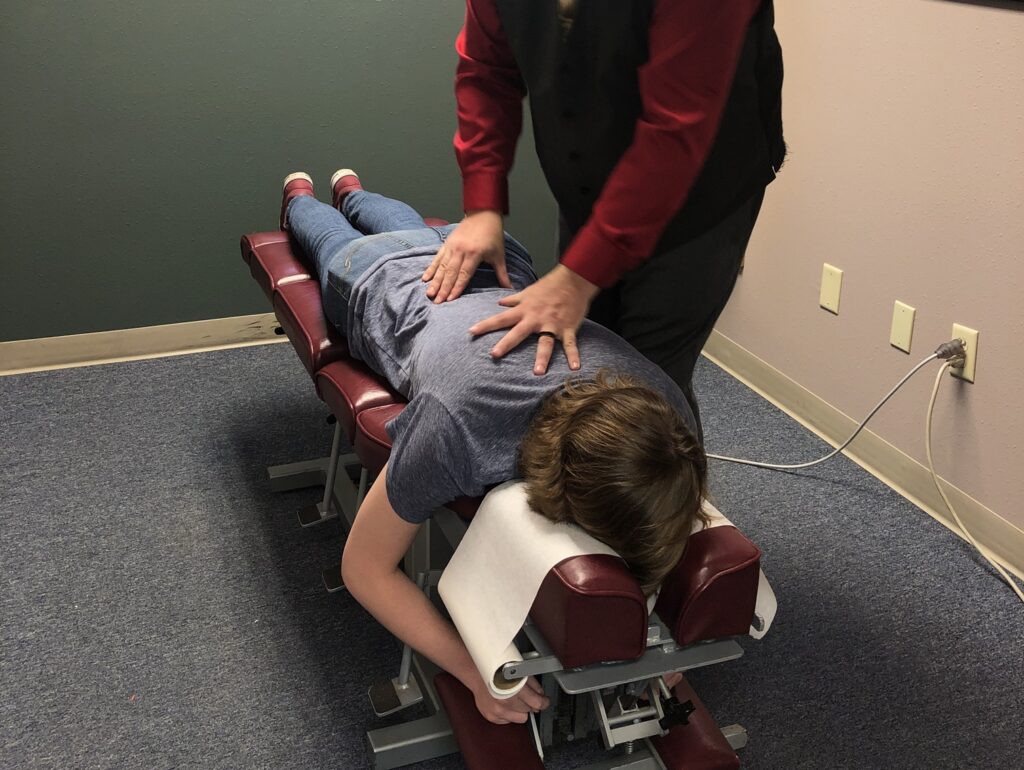
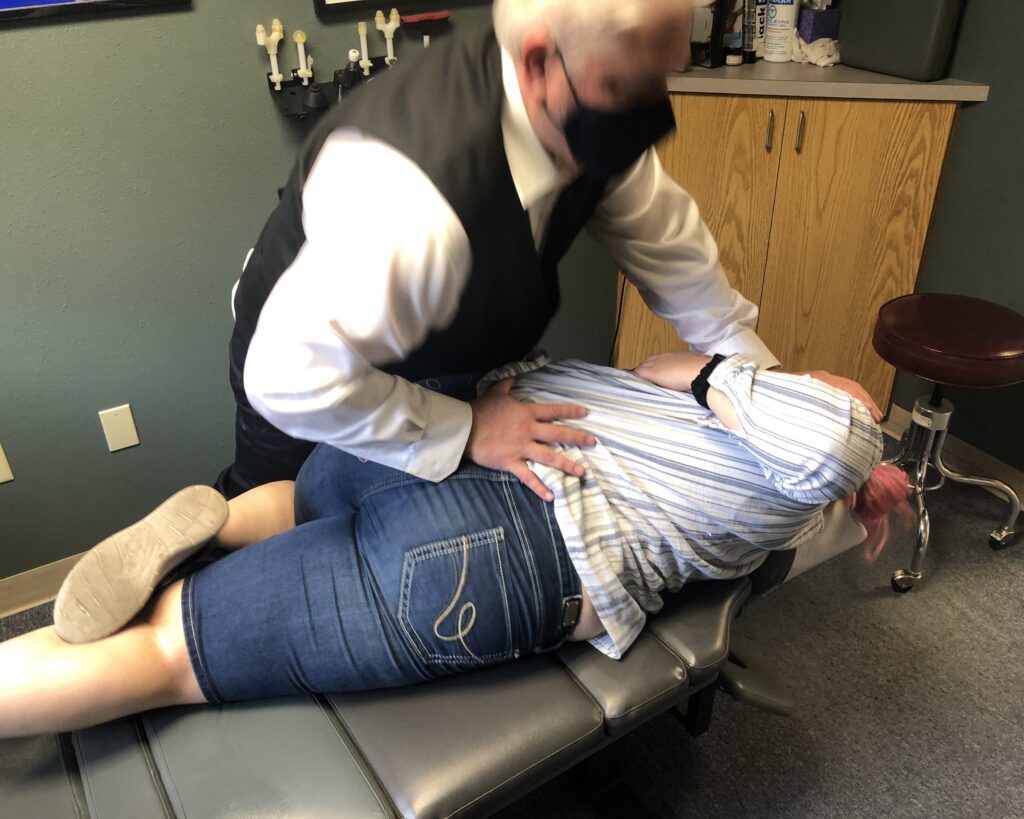
Spinal adjustments can help restore proper alignment to the vertebrae surrounding a herniated disc, reducing mechanical stress and creating more favorable conditions for healing. Evidence from organizations like the American Chiropractic Association and guidelines from the ACP (American College of Physicians) support spinal manipulation as part of a conservative approach to low back pain management.
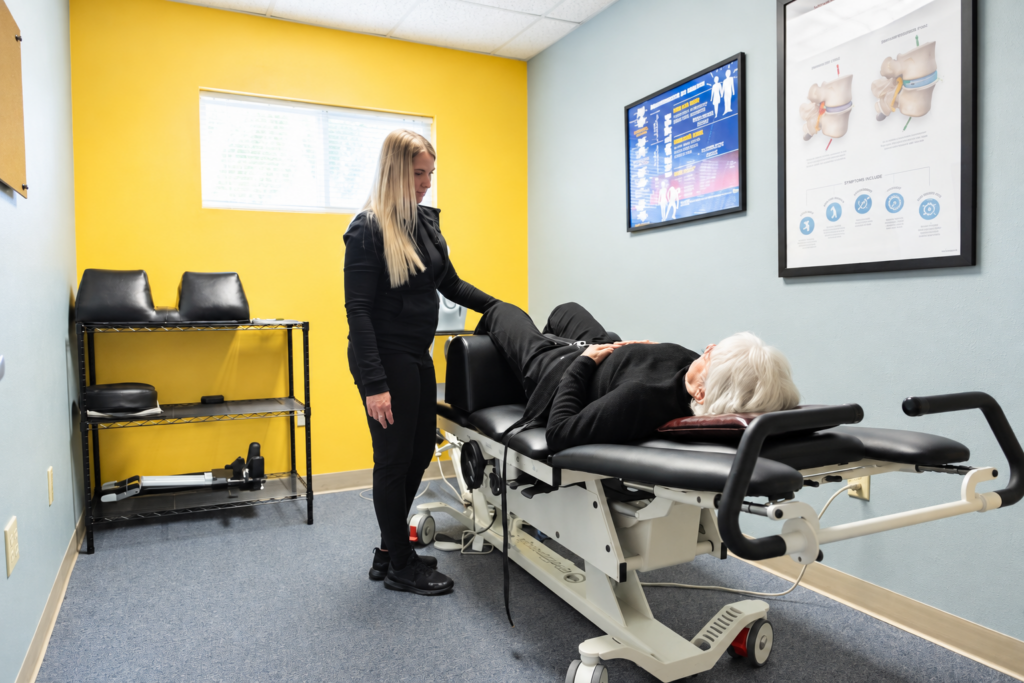
Spinal decompression therapy is another tool that may be appropriate for disc herniation. This gentle, traction-based treatment creates negative pressure within the disc space, which can help draw the herniated material back inward and reduce nerve compression. If you’d like to understand this approach more deeply, it’s worth reading about why spinal decompression works when everything else failed for some patients.
At Kuns Chiropractic Clinic, care may also incorporate physical therapy techniques to strengthen the muscles that support your spine, which is a critical part of long-term recovery. The goal isn’t just pain relief — it’s building the kind of spinal resilience that helps prevent the problem from returning. For people dealing with ongoing disc-related back pain, chiropractic care has been shown to help with chronic back pain in meaningful ways.
Practical Tips for a Healthier Spine
Whether you’re trying to prevent a herniated disc or you’re recovering from one, there are daily habits that make a real difference. Here in Gresham, Dr. Westley Kuns consistently emphasizes these fundamentals with his patients.
First, learn to lift correctly. When picking up anything heavy — or even just moderately weighty — bend at your knees and hips, not your waist. Keep the load close to your body and avoid twisting your spine while lifting. This single habit adjustment dramatically reduces the compressive and shearing forces on your lumbar discs.
Second, pay attention to how you sit. If you spend hours at a desk, make sure your chair supports the natural curve of your lower back. Your feet should rest flat on the floor, and your monitor should be at eye level. Taking short movement breaks every 30–45 minutes helps prevent the kind of prolonged static loading that weakens disc tissue over time.
Third, stay active in a spine-friendly way. Low-impact activities like walking, swimming, and gentle yoga help maintain disc hydration, strengthen core muscles, and improve overall spinal mobility. You don’t need to run marathons — consistent, gentle movement is what matters most.
Finally, don’t smoke. Research consistently shows that smoking impairs circulation to spinal discs, accelerating their degeneration. It’s one of the most overlooked lifestyle factors when it comes to spinal health, but it’s a significant one.
When to See a Chiropractor
If you’re experiencing back pain or neck pain that has lasted more than a week or two, especially if it radiates into your arms or legs, it’s worth getting evaluated. Chiropractic care is generally considered appropriate for mild to moderate disc herniation, particularly when accompanied by musculoskeletal symptoms rather than severe neurological deficits.
Dr. Westley Kuns at Kuns Chiropractic Clinic in Gresham, OR, will typically perform a thorough physical and orthopedic evaluation before recommending any treatment approach. In some cases, imaging may be recommended to get a clearer picture of what’s happening in the spine.
There are certain red flag symptoms that warrant immediate medical attention rather than a chiropractic visit. These include loss of bladder or bowel control, severe progressive weakness in the legs, or numbness in the groin or inner thighs — a condition sometimes called cauda equina syndrome. These are rare but serious and require urgent evaluation by a physician or emergency provider. Dr. Westley Kuns is trained to recognize these red flags and will always refer appropriately when needed.
For most people with disc-related pain, though, a conservative approach through chiropractic care is a safe, evidence-informed first step — and it avoids the risks that come with surgery or long-term medication use.
Herniated Disc: Common Causes vs. Contributing Factors
| Primary Causes | Contributing Risk Factors |
|---|---|
| Age-related disc degeneration | Sedentary lifestyle / weak core muscles |
| Acute trauma (car accident, fall, sports injury) | Smoking (reduces disc blood supply) |
| Repetitive bending, twisting, and lifting | Excess body weight |
| Poor lifting mechanics | Genetic predisposition |
| Prolonged poor posture | Occupational hazards (heavy labor, prolonged sitting) |
Myths vs. Facts About Herniated Discs
Myth: A herniated disc always requires surgery.
Fact: The vast majority of herniated disc cases resolve with conservative, non-surgical treatment. Research consistently shows that chiropractic care, physical therapy, and lifestyle modifications are effective first-line approaches for most patients. Surgery is typically considered only after conservative methods have been exhausted, or in cases of severe neurological compromise.
Myth: If you have a herniated disc, you should rest in bed until it heals.
Fact: Prolonged bed rest can actually slow recovery by weakening the muscles that support your spine. Gentle, appropriate movement — guided by a healthcare professional — is generally recommended. Staying as active as comfortably possible tends to produce better outcomes than complete rest.
Myth: A herniated disc means you’ll be in pain forever.
Fact: Many people with herniated discs recover fully or experience significant improvement in their symptoms over time. The body has a remarkable capacity to heal, and with the right care and habits, most patients see meaningful relief. At Kuns Chiropractic Clinic, Dr. Westley Kuns helps patients in Gresham understand that a herniated disc diagnosis is not a life sentence.
Myth: Herniated discs only happen to older people or athletes.
Fact: While age increases risk, herniated discs can and do occur in younger adults and even in people who aren’t particularly athletic. Poor posture, sedentary habits, and even a single awkward lift can trigger disc herniation at any age. This is one reason spinal health education matters for people of all life stages.
Myth: Cracking your back causes herniated discs.
Fact: Self-manipulating your own back by “cracking” it is not the same as a chiropractic spinal adjustment, and it doesn’t directly cause disc herniation. However, it also doesn’t deliver the targeted, controlled correction that a professional adjustment does. Relying on self-manipulation instead of proper care can mean the underlying cause of your discomfort goes unaddressed.
Final Thoughts from Kuns Chiropractic Clinic
Understanding what causes a herniated disc puts you in a much stronger position to protect your spine and make informed decisions about your care. The good news is that most disc herniation cases respond well to conservative treatment — and chiropractic care is one of the most effective, lowest-risk approaches available.
Here at Kuns Chiropractic Clinic in Gresham, OR, Dr. Westley Kuns is committed to helping the local community understand their spinal health and find real, lasting relief without unnecessary interventions. Whether you’re dealing with a recent injury, chronic back pain, or a nagging nerve symptom you can’t quite explain, our team is here to listen, evaluate, and build a care plan that fits your life and your goals.
Gresham deserves access to compassionate, knowledgeable chiropractic care — and that’s exactly what we strive to provide every day. If any of what you’ve read here resonates with what you’re experiencing, we encourage you to reach out and take that first step toward understanding your spine better. You don’t have to live with pain, and you don’t have to navigate it alone.
Frequently Asked Questions
Can a herniated disc heal on its own?
In many cases, yes — the body can reabsorb some of the disc material over time, reducing symptoms naturally. However, conservative care including chiropractic treatment, exercise, and lifestyle changes can significantly support and accelerate that healing process. Ignoring symptoms and hoping they go away without addressing the underlying cause is not always the best strategy.
What does a herniated disc feel like?
Symptoms vary depending on the location of the herniation. Common experiences include sharp or burning pain in the back or neck, pain that radiates down an arm or leg, tingling or numbness in the extremities, and muscle weakness. Some people with herniated discs experience no symptoms at all if no nerve is being compressed.
Is chiropractic care safe for a herniated disc?
For most people with mild to moderate disc herniation, chiropractic care is considered safe and appropriate. Dr. Westley Kuns performs a thorough evaluation before beginning any treatment to ensure the approach is right for your specific situation. There are certain severe cases — particularly those involving significant neurological symptoms — where a medical referral is more appropriate.
How long does it take to recover from a herniated disc with chiropractic care?
Recovery timelines vary depending on the severity of the herniation, how long symptoms have been present, and the individual’s overall health. Some patients experience noticeable improvement within a few weeks; others require a longer course of care. Dr. Westley Kuns at Kuns Chiropractic Clinic will give you a realistic picture of what to expect based on your evaluation.
What is the difference between a herniated disc and a bulging disc?
A bulging disc means the disc has expanded beyond its normal boundary but the outer layer is still intact. A herniated disc involves a rupture or tear in that outer layer, allowing the inner gel to push through. Herniated discs are generally considered more severe and are more likely to compress nearby nerves, though both can cause significant discomfort.
Can herniated discs be prevented?
While there’s no guarantee of complete prevention — especially given the role of genetics and aging — there is a great deal you can do to reduce your risk. Maintaining a healthy weight, using proper lifting mechanics, staying physically active, avoiding smoking, and getting regular chiropractic wellness care are all meaningful protective steps.
TL;DR Summary
- A herniated disc occurs when the soft inner core of a spinal disc pushes through its tougher outer layer, often irritating nearby nerves.
- The most common causes include age-related degeneration, poor lifting mechanics, repetitive strain, acute trauma (like a car accident), excess body weight, and sedentary habits.
- Symptoms range from localized back or neck pain to radiating pain, numbness, or weakness in the arms or legs — depending on which disc is affected.
- Chiropractic care, including spinal adjustments, spinal decompression, and physical therapy, offers a conservative, drug-free approach that helps many patients recover without surgery.
- If you’re in the Gresham, OR area and experiencing disc-related symptoms, Dr. Westley Kuns at Kuns Chiropractic Clinic can evaluate your spine and create an individualized plan to help you feel better and move better.