
If you’ve ever felt a sharp, burning pain shoot down your leg — sometimes all the way to your foot — you already know how disruptive sciatica can be. It can make sitting at a desk feel unbearable, turn a short walk into a challenge, and even disturb your sleep. Here in Gresham, OR, this is one of the most common complaints Dr. Westley Kuns hears from patients walking through the doors of Kuns Chiropractic Clinic. The good news is that understanding what causes sciatica is the first step toward finding real, lasting relief. In this article, we’ll walk through the anatomy behind sciatica, the most common triggers, how chiropractic care can help, and what you can do right now to start feeling better.
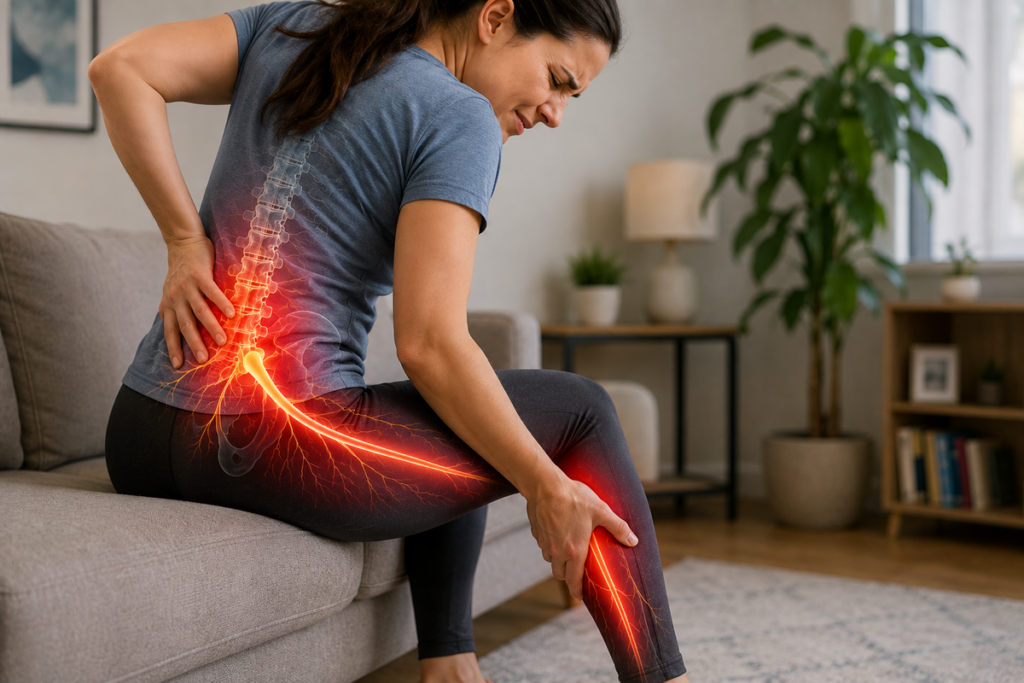
What causes sciatica? Sciatica occurs when the sciatic nerve — the longest nerve in the human body — becomes irritated, compressed, or inflamed somewhere along its path from the lower spine down through the hips, buttocks, and legs. The result is pain, tingling, numbness, or weakness that can radiate anywhere along that nerve’s route. It is a symptom, not a standalone diagnosis, meaning something else in the body is creating pressure on the nerve.
- What Is the Sciatic Nerve and Why Does It Matter?
- The Most Common Causes of Sciatica
- Who Is Most at Risk for Sciatica?
- Signs and Symptoms to Watch For
- How Chiropractic Care Fits Into Sciatica Relief
- Practical Tips to Manage and Prevent Sciatica
- When to See a Chiropractor for Sciatica
- Myths vs. Facts About Sciatica
- Final Thoughts from Kuns Chiropractic Clinic in Gresham
What Is the Sciatic Nerve and Why Does It Matter?
The sciatic nerve is formed from several nerve roots that branch out from the lower lumbar and sacral spine — specifically from levels L4, L5, S1, S2, and S3. These roots merge into one large nerve that travels through the pelvis, passes beneath the piriformis muscle in the buttock, and continues down through the back of the thigh, branching into the lower leg and foot. It is the longest and widest nerve in the entire body.
Because of how far the sciatic nerve travels, compression or irritation at any point along its path can cause symptoms that seem completely unrelated to the spine. Someone may feel pain in the calf without any back pain at all, which is why sciatica is sometimes misidentified or confused with other conditions. Understanding the nerve’s anatomy helps explain why the location of pain doesn’t always tell the full story about where the problem originates.
At Kuns Chiropractic Clinic, Dr. Westley Kuns takes time to trace the source of each patient’s symptoms — because treating sciatica effectively means addressing the root cause, not just masking the pain. If you’ve been dealing with unexplained leg pain, our dedicated sciatica treatment page has additional information about what care looks like in our Gresham office.
The Most Common Causes of Sciatica
Sciatica is a symptom with many possible origins. Knowing what causes sciatica in your specific situation is essential, because different underlying problems respond best to different types of care. Here are the most frequently seen causes in clinical practice.
Herniated or Bulging Discs
This is the single most common cause of sciatic nerve compression. The discs that sit between your spinal vertebrae act as shock absorbers. When one of these discs — particularly in the lower lumbar spine — breaks down, bulges, or ruptures, the inner material can press against adjacent nerve roots. At the L4-L5 or L5-S1 levels, this pressure directly irritates the roots that form the sciatic nerve. Dr. Westley Kuns frequently identifies disc-related sciatica in patients at Kuns Chiropractic Clinic, and the herniated disc treatment options available here in Gresham are specifically designed to address this kind of nerve compression without surgery or medication.
Lumbar Spinal Stenosis
Spinal stenosis refers to a narrowing of the spinal canal — the channel through which your spinal cord and nerve roots travel. As we age, bone spurs, thickened ligaments, and arthritic changes can gradually close in on this space, squeezing the nerves inside. Lumbar stenosis is a particularly common cause of sciatica in adults over 50. The nerve compression tends to worsen with prolonged standing or walking and often eases when you sit or lean forward slightly.
Degenerative Disc Disease
Over time, the discs in the lumbar spine naturally lose some of their height and hydration. This degeneration reduces the cushioning between vertebrae and can allow the bones to shift in ways that pinch nearby nerve roots. While some degree of disc degeneration is a normal part of aging, it becomes problematic when it contributes to nerve irritation. If you’re interested in learning more about preventing this process, our article on how to prevent degenerative disk disease offers practical and evidence-informed guidance.
Piriformis Syndrome
The piriformis is a small but powerful muscle located deep in the buttock. The sciatic nerve either passes directly beneath this muscle or, in some people, directly through it. When the piriformis becomes tight, inflamed, or goes into spasm — often from prolonged sitting, overuse during athletic activities, or a direct injury — it can compress the sciatic nerve and produce symptoms nearly identical to disc-related sciatica. This is sometimes called “pseudo-sciatica” because the nerve irritation occurs outside the spine. It’s a commonly overlooked cause that a thorough chiropractic evaluation can help identify.
Spondylolisthesis
Spondylolisthesis occurs when one vertebra slips forward over the vertebra beneath it. This misalignment can narrow the opening through which nerve roots exit the spine, placing direct pressure on the sciatic nerve’s component roots. It can result from trauma, degenerative changes, or even a stress fracture in the vertebra. When sciatica is linked to spondylolisthesis, stabilizing the spine and addressing the underlying instability becomes an important part of care.
Auto Accident Injuries and Trauma
A sudden impact — like a rear-end collision — can jar the spine, herniate discs, or cause soft tissue injuries that place pressure on the sciatic nerve. Many people in the Gresham area who experience sciatica after a car accident don’t immediately connect the two events, especially if pain develops gradually in the days following a crash. The auto injury chiropractic care available at Kuns Chiropractic Clinic is designed to identify and address exactly this kind of trauma-related nerve involvement early, before it becomes a chronic problem.
Who Is Most at Risk for Sciatica?
Sciatica does not discriminate by age or lifestyle, but certain factors do make it more likely. People who spend long hours sitting — especially with poor posture — place consistent pressure on the lumbar spine and increase the risk of disc herniation over time. Jobs that require heavy lifting, twisting, or driving for long periods are also associated with higher rates of sciatica.
Age is another significant factor. The natural wear that occurs in spinal discs and joints over the decades creates more opportunities for nerve compression. Carrying excess body weight can also increase the load on the lumbar spine, accelerating disc degeneration. Even something as seemingly unrelated to back health as diabetes can affect sciatic nerve health, since high blood sugar levels can contribute to nerve damage over time.
Athletes are not immune either. Repetitive impact activities, explosive movements, and poor training mechanics can all contribute to the spine issues that lead to sciatica. The sports chiropractic care offered at Kuns Chiropractic Clinic in Gresham includes spinal assessments that can catch these issues early, before they escalate into full-blown sciatic nerve compression.
Signs and Symptoms to Watch For
Sciatica is often described as a shooting, burning, or electric pain that travels from the lower back or buttock down through the back of the leg. But it can also present as a dull ache, a feeling of weakness, numbness, or pins-and-needles tingling in the leg or foot. Some people experience only leg symptoms with no noticeable back pain at all, which is part of why sciatica can be confusing to self-diagnose.
Symptoms are typically one-sided, affecting only the leg on the side where the nerve is being compressed. They may worsen when sitting for extended periods, when coughing or sneezing, or when bending forward. They sometimes ease with walking or lying down in certain positions. In more severe cases, patients may notice difficulty controlling bladder or bowel function — and this particular symptom always warrants immediate medical attention, as it can signal serious nerve involvement.
Because the symptoms of sciatica can overlap with other conditions — including hip pain, knee pain, and even pinched nerve conditions elsewhere in the spine — a proper evaluation is always the most important step toward an accurate diagnosis.
How Chiropractic Care Fits Into Sciatica Relief
Chiropractic care is widely regarded as one of the most effective non-surgical, drug-free approaches to managing sciatica. Evidence from several respected organizations, including the American College of Physicians, supports spinal manipulation as a first-line option for low back pain and related nerve symptoms. The goal of chiropractic care is not to mask pain, but to address the structural issue creating pressure on the nerve in the first place.
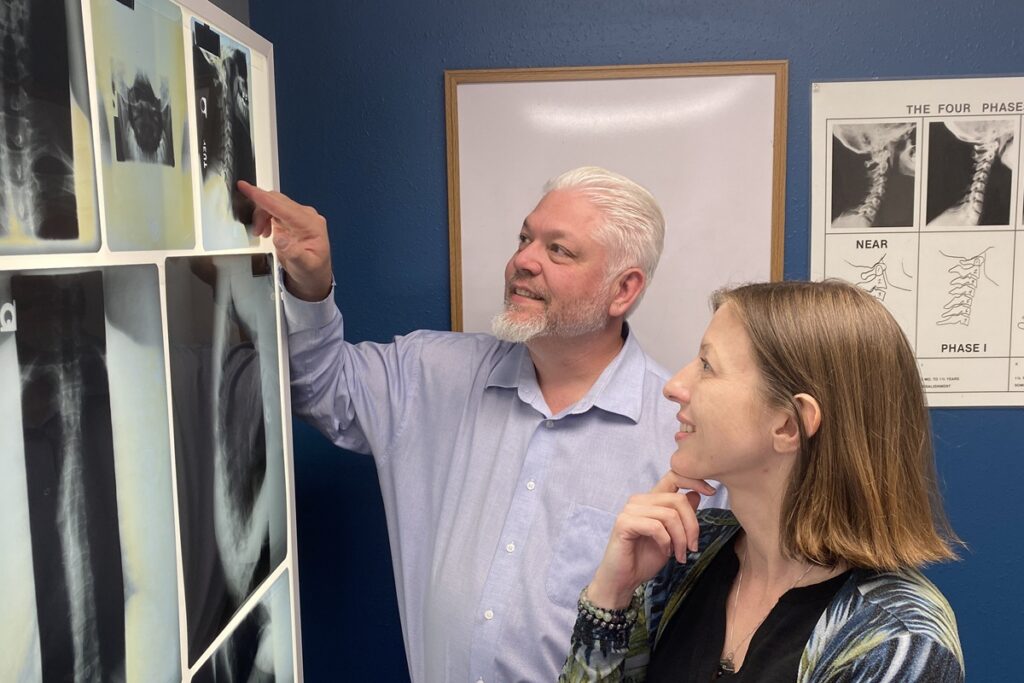
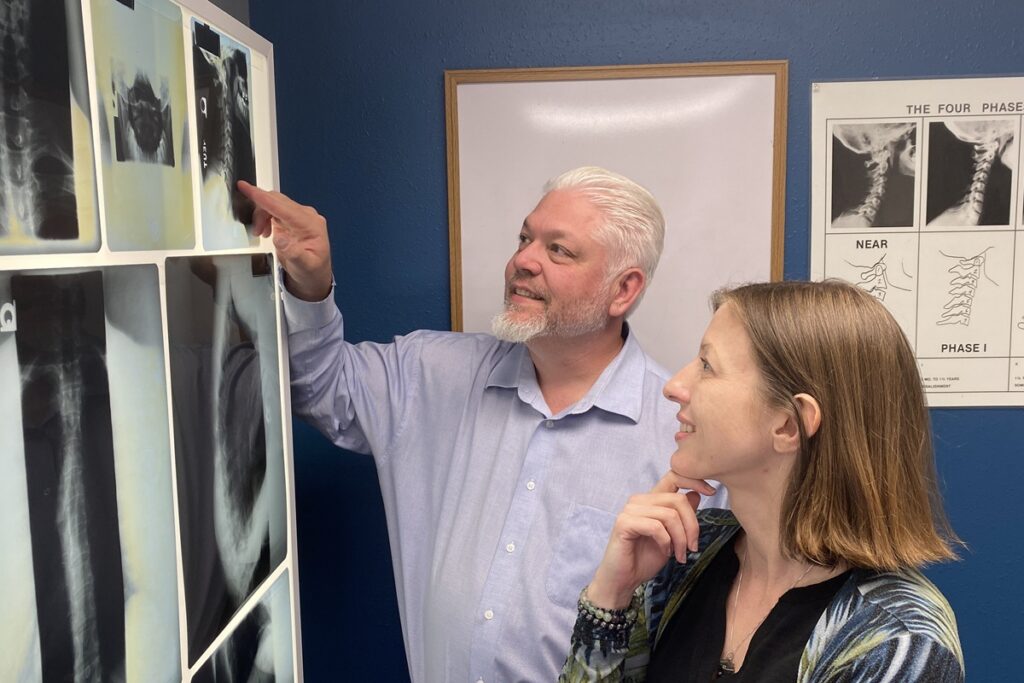
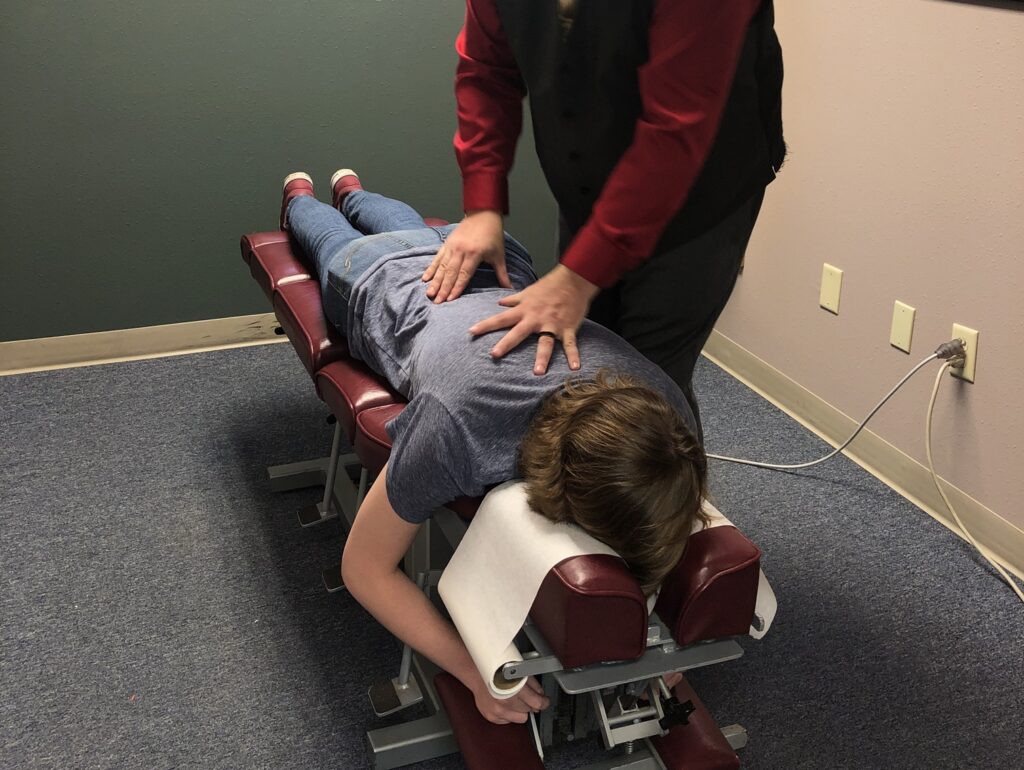
At Kuns Chiropractic Clinic, Dr. Westley Kuns uses a thorough evaluation process — including postural analysis, orthopedic testing, and neurological assessment — to identify where the sciatic nerve is being compromised and why. From there, care is individualized. Spinal adjustments help restore proper alignment and joint motion in the lumbar spine, which can take direct pressure off compressed nerve roots. When disc involvement is significant, spinal decompression therapy may be incorporated into the care plan. This gentle, traction-based treatment creates negative pressure within the disc space, helping to draw bulging material back and promote healing — without surgery or downtime. Many patients who have not found relief elsewhere have experienced meaningful improvement with this approach. If you’re curious about why this works so well, our article on why spinal decompression works when everything else failed explains the mechanism in plain language.
Depending on the source of your sciatica, the team at Kuns Chiropractic Clinic may also incorporate soft tissue therapy to release tension in the piriformis or surrounding muscles, as well as rehabilitative exercises to strengthen the muscles that support the lumbar spine. Our physical therapy services complement chiropractic adjustments by building the long-term strength and flexibility needed to keep sciatica from coming back. If you’d like a broader look at what chiropractors specifically do for this condition, our in-depth piece on what chiropractors do to treat sciatica walks through the most commonly used approaches.
Practical Tips to Manage and Prevent Sciatica
While professional care is essential for resolving the underlying cause of sciatica, there are meaningful steps you can take on your own to reduce flare-ups and support your recovery. These tips won’t replace a proper evaluation, but they can make a real difference in your day-to-day comfort.
Pay close attention to how long you sit without moving. Extended sitting places significant compressive load on the lumbar discs, and for someone with sciatica, this can easily trigger or intensify symptoms. Setting a reminder to stand up, walk briefly, or gently stretch every 30 to 45 minutes is one of the simplest and most effective habits you can build. When you do sit, try to keep your hips at or slightly above knee level and make sure your lower back is supported — either with the chair’s built-in lumbar support or a small cushion.
Sleeping position also matters more than most people realize. Lying on your back with a pillow beneath your knees, or on your side with a pillow between your knees, can reduce tension on the sciatic nerve and make nights more comfortable. Avoid sleeping on your stomach, which forces the lumbar spine into an uncomfortable arch.
Staying active — even gently — is generally more helpful for sciatica than complete rest. Short, controlled walks can help keep the spine mobile and reduce inflammation around the nerve. However, high-impact activities or heavy lifting should be avoided during a flare-up. Gentle hip flexor stretches, piriformis stretches, and core-strengthening movements can also be valuable, though it’s best to have Dr. Westley Kuns or a member of the Kuns Chiropractic Clinic team guide you on which exercises are appropriate for your specific situation.
When to See a Chiropractor for Sciatica
Mild sciatic symptoms that came on after an identifiable cause — such as a long car trip or an awkward lift — sometimes resolve on their own within a few days with rest, gentle movement, and ice or heat. However, if your symptoms have been present for more than a week or two, are getting progressively worse, or are interfering with your ability to work, sleep, or move normally, it’s time to seek professional care.
You should also seek care promptly if your pain is severe from the outset, if you’re experiencing significant weakness in the leg, or if the numbness is spreading. As mentioned earlier, any loss of bladder or bowel control requires immediate emergency evaluation — this can indicate a serious condition called cauda equina syndrome, which is a medical emergency. Chiropractic care is not appropriate for that situation, and you should go to an emergency room right away.
For the large majority of sciatica cases, however, chiropractic evaluation is an excellent and timely first step. The chiropractic care provided at Kuns Chiropractic Clinic is conservative, non-invasive, and tailored to your individual needs. Getting evaluated sooner rather than later tends to lead to faster recovery and a lower likelihood of the problem becoming chronic.
| Potential Cause of Sciatica | Where Compression Occurs | Common Aggravating Factors | Chiropractic Approach |
|---|---|---|---|
| Herniated Disc | Lumbar spine (L4-L5, L5-S1) | Sitting, bending forward, coughing | Spinal adjustment, spinal decompression |
| Lumbar Spinal Stenosis | Narrowed spinal canal | Walking, prolonged standing | Flexion-based adjustments, decompression |
| Piriformis Syndrome | Deep in the buttock | Sitting, hip rotation activities | Soft tissue therapy, piriformis stretching |
| Degenerative Disc Disease | Collapsed disc space at lumbar levels | Morning stiffness, prolonged inactivity | Gentle mobilization, rehabilitation exercises |
| Spondylolisthesis | Vertebral slippage at lumbar levels | Extension movements, heavy loading | Stabilization care, targeted adjustments |
| Post-Trauma (e.g., auto accident) | Varies based on injury pattern | Movement, sustained postures | Injury-specific care, soft tissue, decompression |
Myths vs. Facts About Sciatica
Myth: Sciatica is a diagnosis in itself.
Fact: Sciatica is actually a symptom — not a standalone condition. It describes pain along the sciatic nerve’s path, but the underlying cause (herniated disc, stenosis, piriformis syndrome, etc.) is the true diagnosis. Treating sciatica effectively means identifying and addressing that root cause.
Myth: You need to rest completely until sciatica goes away.
Fact: Prolonged bed rest is generally not recommended for sciatica and can actually slow recovery. Evidence suggests that staying gently active — with appropriate modifications — promotes healing better than immobilization. Dr. Westley Kuns helps patients in Gresham find the right balance of activity and recovery during treatment.
Myth: Sciatica always comes from a back problem.
Fact: While the lower spine is the most common origin point, sciatica can also be caused by piriformis muscle compression in the buttock — entirely outside the spine. This is why a thorough evaluation matters. Not all sciatic pain traces back to a disc or vertebra.
Myth: Surgery is the only way to fix severe sciatica.
Fact: For the majority of people with sciatica, conservative care — including chiropractic adjustments, spinal decompression, and physical rehabilitation — can provide meaningful relief without surgery. Surgery is typically reserved for cases where conservative treatment has not succeeded after an extended period, or when there is progressive neurological compromise.
Myth: If sciatica goes away on its own, you don’t need to do anything.
Fact: While some episodes of sciatica do resolve on their own, the underlying cause often remains. Without addressing the structural issue, recurrence is common. Many patients at Kuns Chiropractic Clinic in Gresham come in after a second or third episode, wishing they had taken action sooner. Our article on the top causes of leg pain and how chiropractic treatment can help explores this pattern in more depth.
Final Thoughts from Kuns Chiropractic Clinic in Gresham
Sciatica can be one of the most uncomfortable and discouraging things to deal with — especially when you’re not sure what’s causing it or whether it will ever get better. But the truth is, most people with sciatica do improve, and they improve fastest when they understand what’s driving their symptoms and address it directly. Here in Gresham, OR, that’s exactly what Kuns Chiropractic Clinic is here to help with.
Dr. Westley Kuns has built this practice on the belief that every patient deserves a real explanation of what’s happening in their body and a care plan that makes sense for their specific situation. Whether your sciatica stems from a herniated disc, years of desk work, an old injury, or something else entirely, the goal is the same: help you move better, feel better, and stay better. Beyond sciatica, if you’re also dealing with related concerns like back pain or want to learn more about our broader wellness chiropractic care, we’re here to answer your questions and support your whole-body health.
You don’t have to figure this out alone. If you or someone you care about in the Gresham community is dealing with shooting leg pain, numbness, or any of the other symptoms described in this article, reaching out to Kuns Chiropractic Clinic is a great first step toward getting your life back.
Frequently Asked Questions About Sciatica
Can sciatica go away without treatment?
Mild cases of sciatica sometimes resolve on their own within a few weeks, particularly if the cause was a temporary irritation rather than a structural issue. However, without addressing the underlying cause, symptoms frequently return. Professional evaluation helps determine whether self-care is sufficient or whether treatment is needed.
How long does sciatica typically last?
The duration of sciatica varies widely depending on the underlying cause and how quickly care is initiated. Some episodes resolve within four to six weeks with conservative care, while others — particularly those involving disc herniation or spinal stenosis — may take longer. Chronic cases that go untreated can persist for months or longer.
Is it safe to see a chiropractor for sciatica?
For most people, chiropractic care is a safe and effective option for sciatica. A thorough initial evaluation allows the chiropractor to identify the cause and determine the most appropriate approach. In cases with certain red flags — such as progressive neurological loss — a chiropractor will refer out to the appropriate specialist.
What does sciatica feel like compared to regular back pain?
Regular back pain tends to stay localized in the back itself. Sciatica, by contrast, typically radiates — traveling from the lower back or buttock down through the back of the thigh, into the calf, and sometimes all the way to the foot. It often has a sharp, burning, or electric quality that distinguishes it from general muscle soreness.
Can sciatica affect both legs at the same time?
True bilateral sciatica — affecting both legs simultaneously — is relatively uncommon and can indicate a more serious condition, such as central disc herniation or severe spinal stenosis. If you experience symptoms in both legs, especially combined with any bowel or bladder changes, seek medical evaluation promptly rather than waiting.
Does sciatica during pregnancy require different care?
Sciatica is relatively common during pregnancy due to the added pressure on the lumbar spine and changes in pelvic alignment. Specialized chiropractic approaches designed for pregnant patients can address this safely and effectively. The prenatal chiropractic care at Kuns Chiropractic Clinic in Gresham is specifically tailored to support expectant mothers through these kinds of musculoskeletal challenges.
TL;DR — Key Takeaways
- Sciatica is a symptom caused by compression or irritation of the sciatic nerve, most often from a herniated disc, spinal stenosis, degenerative disc disease, piriformis syndrome, or trauma.
- Symptoms include shooting, burning, or tingling pain that travels from the lower back or buttock down through the leg — sometimes reaching the foot.
- Chiropractic care, including spinal adjustments, decompression therapy, and physical rehabilitation, is a well-supported, non-surgical approach to managing and resolving most cases of sciatica.
- Staying gently active, improving posture habits, and avoiding prolonged sitting can help manage symptoms and support recovery between care visits.
- If symptoms persist beyond a couple of weeks, worsen over time, or include bladder/bowel changes, seeking professional evaluation promptly is always the right call.