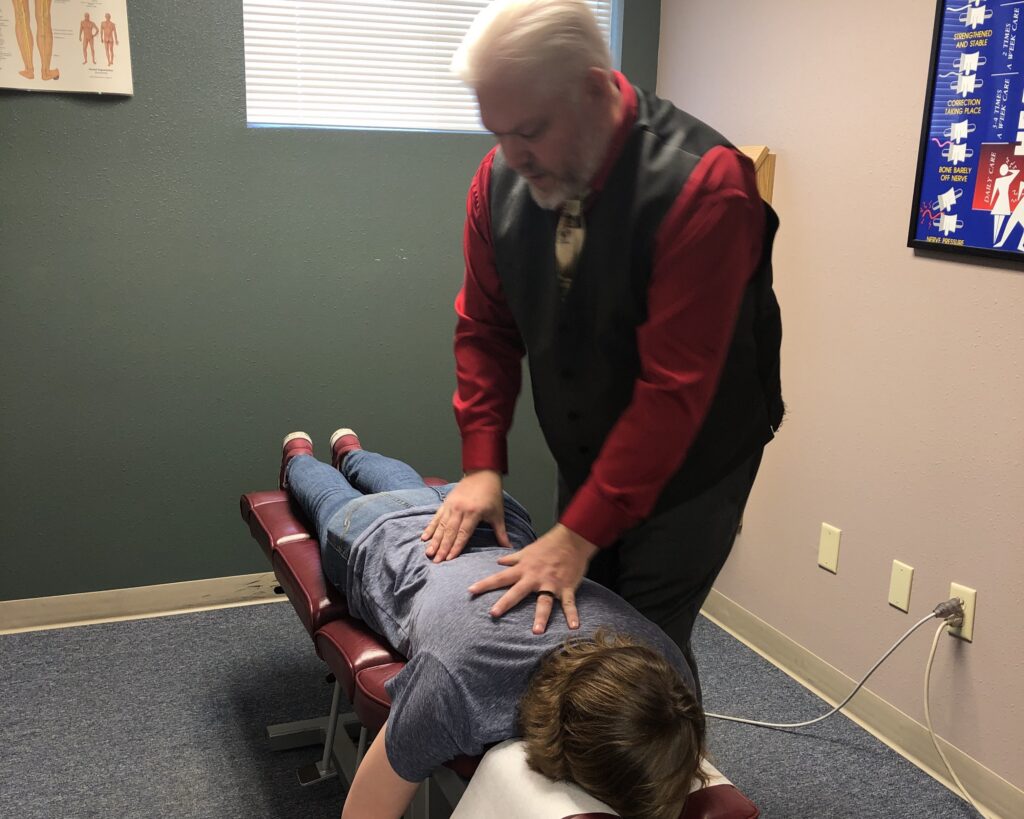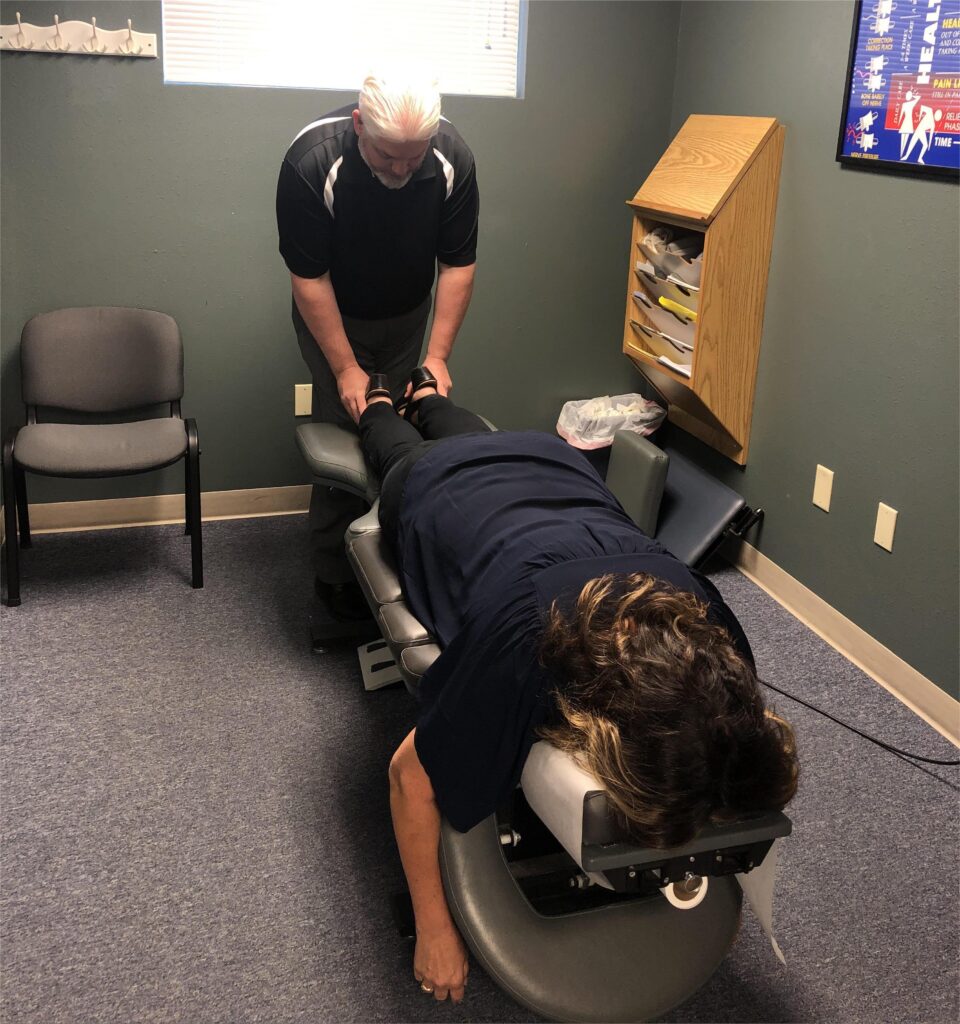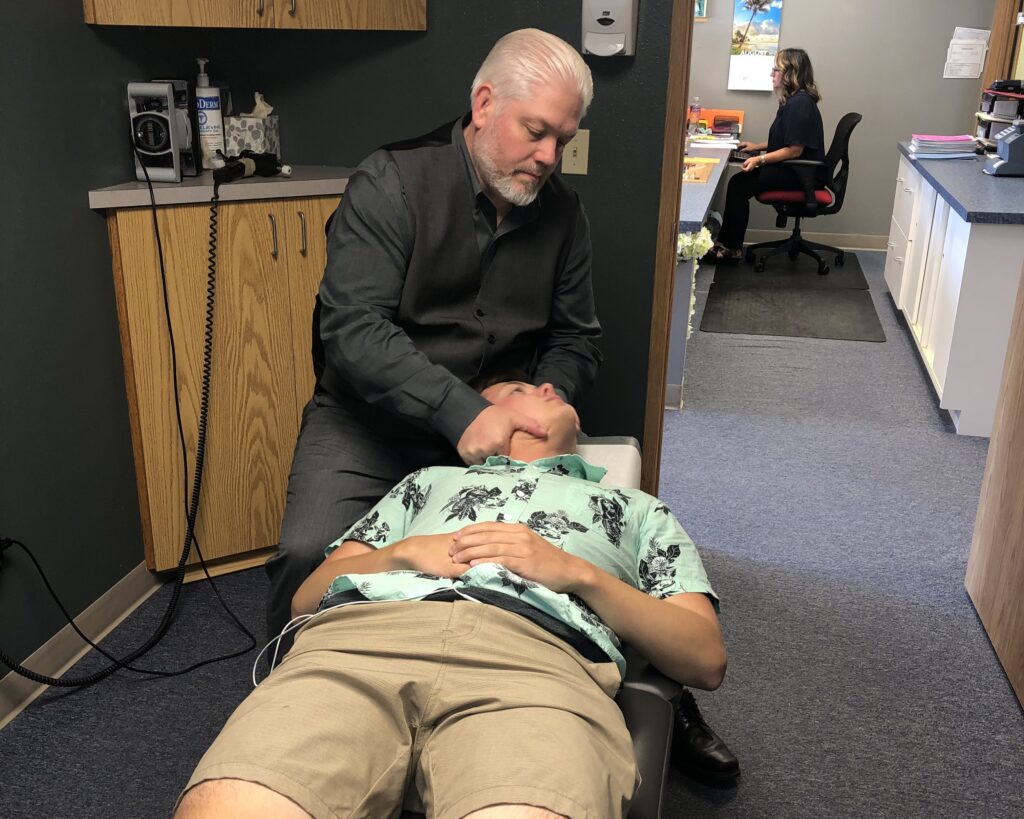

As a local chiropractor, I often see patients who are struggling with lower back pain and the ways it can disrupt their everyday lives. It's important to understand that there are effective, non-invasive solutions available that can help you find relief. Chiropractic adjustments, for example, play a vital role in addressing misalignments in the spine that may contribute to your pain.
In addition to adjustments, I encourage patients to incorporate specific exercises into their routine. These exercises can strengthen the muscles that support your back and improve overall flexibility, which is essential for long-term relief. However, it's crucial to remember that finding relief is not just about quick fixes. We also need to consider the root causes of your pain and look at holistic approaches to healing.
If you're curious about how chiropractic care and natural healing can work together to alleviate your lower back pain, let's explore the strategies that might be most effective for you. You might be surprised at the positive changes you can experience!
Understanding Lower Back Pain
As a local chiropractor, I want to help you understand lower back pain and how it can affect your daily life. This type of pain can come on suddenly or develop gradually, and it's important to recognize its root causes in order to find effective, natural relief. Many factors can lead to lower back discomfort, such as muscle strains, herniated discs, and poor posture.
Muscle strains are quite common, often resulting from overexertion or sudden movements. If you've been sitting for long periods, your muscles can weaken, making it harder for them to support your spine properly, which can lead to discomfort.
Additionally, herniated discs can cause significant pain; this occurs when the soft cushioning between your vertebrae slips out of place and puts pressure on nearby nerves.
Another key consideration is your body mechanics. If you frequently bend awkwardly or lift heavy objects incorrectly, you may unknowingly be putting extra strain on your lower back. Even something as simple as your footwear can impact how your back feels; shoes lacking proper support can alter your posture and contribute to pain.
As you begin to address your lower back pain, it's important to pay attention to how your body reacts to different movements and activities. By identifying patterns and potential triggers, you can gain a better understanding of your pain. This knowledge empowers you not only to manage your discomfort but also to improve your overall well-being.
In chiropractic care, we focus on natural healing methods to restore balance and function to your body. I encourage you to explore these options as we work together to alleviate your lower back pain and enhance your quality of life.
Lifestyle Modifications
As your local chiropractor, I want to share some simple lifestyle modifications that can significantly alleviate lower back pain and enhance your overall health. Many people are unaware that by making small adjustments to their daily habits, they can foster a healthier back and improve their well-being.
Here are some effective changes you can easily incorporate into your routine:
- Maintain a Healthy Weight: Carrying extra weight, particularly around your abdomen, can put unnecessary strain on your lower back. I recommend focusing on a balanced diet and engaging in regular physical activity to maintain a healthy weight. This can greatly reduce the pressure on your spine.
- Practice Good Posture: Whether you're sitting, standing, or lifting, proper posture is crucial for spinal health. Aim to keep your back straight and your shoulders relaxed. Good posture can significantly lessen the strain on your spine and help prevent pain.
- Use Ergonomic Furniture: If you spend long hours sitting, consider investing in a chair that offers proper lumbar support. Ergonomic furniture can help you maintain a healthy posture throughout the day, reducing discomfort and promoting better alignment.
- Stay Hydrated: Hydration plays a key role in spinal health. Drinking sufficient water helps maintain the elasticity of your spinal discs, which can reduce the risk of pain and discomfort.
- Limit Prolonged Sitting: It's important to avoid sitting for extended periods without taking breaks. I encourage you to stand up, stretch, or walk around every hour. This keeps your back mobile and helps reduce stiffness.
Incorporating these modifications into your daily life doesn't have to be overwhelming; even small changes can lead to significant improvements.
Stretching and Strengthening Exercises
As a local chiropractor, I want to emphasize the importance of incorporating effective stretching techniques and core strengthening exercises into your daily routine to help alleviate lower back pain.
These practices aren't just about immediate relief; they play a crucial role in enhancing your flexibility and supporting your spine in the long run.
By focusing on specific movements designed to target the areas that contribute to back pain, you can significantly improve your overall well-being.
It's essential to understand that integrating these exercises into your lifestyle can lead to lasting benefits, promoting a healthier back and a more active life.
If you're new to chiropractic care and natural healing, I encourage you to explore these options as a vital part of your journey towards better health.
Effective Stretching Techniques
As a local chiropractor, I want to share with you some effective stretching techniques that can play a vital role in managing lower back pain and enhancing your overall mobility.
By incorporating these stretches into your daily routine, you can help alleviate discomfort and improve your flexibility naturally. Here are some stretches that I recommend:
- Child's Pose: This gentle stretch is excellent for releasing tension in your lower back. Begin by kneeling on the floor, sitting back on your heels, and stretching your arms forward while lowering your torso. Hold this position for 20-30 seconds and feel the relaxation in your back.
- Cat-Cow Stretch: This dynamic stretch helps to mobilize your spine. Start on your hands and knees, then alternate between arching your back upwards (like a cat) and lowering your belly towards the floor (like a cow). Repeat this sequence 5-10 times to loosen your spinal muscles.
- Knees-to-Chest Stretch: This stretch is particularly beneficial for relieving lower back tension. Lie on your back and gently pull your knees toward your chest. Hold this position for 20-30 seconds, allowing the stretch to alleviate discomfort in your lower back.
- Seated Forward Bend: To stretch your hamstrings and lower back, sit with your legs extended in front of you. Reach for your toes while keeping your back straight. Hold this stretch for 20-30 seconds, feeling the elongation in your back and legs.
- Piriformis Stretch: This stretch targets the piriformis muscle, which can contribute to lower back pain. Lie on your back, cross one leg over the other knee, and gently pull the uncrossed knee towards your chest. Hold for 20-30 seconds on each side to release tension in the hips and lower back.
By regularly integrating these stretches into your routine, you can significantly enhance your lower back health and overall well-being.
If you have any questions or need further guidance on incorporating these techniques, feel free to reach out!
Core Strengthening Exercises
As a local chiropractor, I want to emphasize the importance of core strengthening exercises in maintaining a healthy spine and alleviating lower back pain. Many people think of stretching when they consider flexibility, but a strong core is equally vital. It supports your spine, helps you maintain proper posture, and reduces strain on your lower back, which can prevent discomfort and injuries.
To get started, I recommend incorporating a few essential core strengthening exercises into your daily routine. One of the best foundational exercises is the plank. To perform this, position yourself face down on the floor, resting on your forearms and toes, while keeping your body in a straight line. Aim to hold this position for 20-30 seconds to begin with, and as your strength improves, gradually extend the duration.
Another excellent exercise is the bridge. Lie on your back with your knees bent and your feet flat on the floor. Lift your hips toward the ceiling, squeezing your glutes at the top. Hold this position for a few seconds before lowering back down. This movement not only strengthens your core but also engages your lower back and glute muscles.
The bird-dog exercise is also particularly beneficial. Start on all fours, and simultaneously extend one arm forward while stretching the opposite leg back. Hold this position for a brief moment, then switch sides. This exercise enhances balance and stability, which are crucial for overall spinal health.
Finally, I encourage you to try side planks. Lie on your side and prop your body up on one forearm, lifting your hips off the ground. This exercise effectively engages your obliques, which are important for maintaining a strong core.
Daily Routine Integration
As a local chiropractor dedicated to promoting natural healing and wellness, I want to emphasize the critical role that stretching and strengthening exercises play in enhancing your lower back health. Many people may not realize that by simply incorporating a few targeted movements into your daily routine, you can significantly improve your flexibility, stability, and overall strength.
These factors are essential for preventing pain and reducing the risk of injury. You don't need to set aside a lot of time for this—just a few minutes each day can yield remarkable benefits.
Here are some straightforward exercises I recommend that you can easily integrate into your daily life:
- Cat-Cow Stretch: This dynamic movement is fantastic for improving spinal flexibility and mobility.
- Child's Pose: A gentle stretch that helps release tension in your lower back, promoting relaxation.
- Bird-Dog: This exercise not only strengthens your core but also enhances your balance.
- Pelvic Tilts: Engaging your lower abdominal muscles with this move provides essential support to your back.
- Wall Sits: This exercise strengthens your legs and core, alleviating pressure on your lower back.
You can perform these exercises in the comfort of your home, during breaks at work, or even while watching your favorite show. The key to reaping the benefits is consistency, so aim to incorporate them into your daily routine.
Physical Therapy Options
As a local chiropractor, I want to share how chiropractic care can be a natural and effective solution for alleviating lower back pain. Many individuals are unaware of the benefits that chiropractic adjustments and holistic approaches can provide. When you visit our clinic, we'll take the time to understand the underlying causes of your discomfort and create a personalized treatment plan tailored to your unique needs.
During your initial consultation, we'll conduct a thorough assessment to evaluate your pain, its intensity, and any contributing factors. Based on this evaluation, we'll develop a comprehensive chiropractic care plan that may include spinal adjustments, which help to realign the vertebrae and alleviate pressure on the nerves. This realignment can significantly reduce tension and improve overall function.
In addition to adjustments, your treatment may involve specific exercises designed to enhance your core strength, flexibility, and mobility. Strengthening your abdominal and back muscles is crucial for supporting your spine and preventing future discomfort.
We also utilize a variety of natural modalities, such as heat and ice therapies, to help reduce inflammation and pain. These techniques can work in conjunction with chiropractic adjustments to provide more immediate relief and improve your ability to engage in daily activities.
It's essential to stay consistent with your chiropractic care. Regular visits and adherence to the exercises we recommend at home can have a profound effect on your recovery journey. I encourage open communication; please let me know if you notice any changes in your symptoms or progress. This allows us to modify your treatment plan as needed, ensuring that you're always moving forward in your quest to manage lower back pain effectively.
Investing in chiropractic care not only helps with pain relief but can also enhance your overall quality of life. Embrace this natural healing approach, and let's work together toward achieving lasting wellness.
Alternative Therapies
As a local chiropractor, I want to help you understand that chiropractic care is just one component of a comprehensive approach to managing lower back pain. Exploring alternative therapies can offer you additional relief and significantly enhance your overall well-being. These methods focus on holistic healing, targeting not only the symptoms but also the root causes of your discomfort.
Here are some alternative therapies that I often recommend to my patients:
- Acupuncture: This ancient practice from Chinese medicine involves the insertion of fine needles into specific points on your body. It has been shown to relieve pain and promote the body's natural healing processes.
- Massage Therapy: Therapeutic massage is a fantastic way to relax tight muscles, improve blood circulation, and ease tension in your lower back, creating a sense of relief and comfort.
- Yoga: Incorporating gentle yoga into your daily routine can greatly improve flexibility and strengthen your core muscles. This practice also promotes relaxation, which can be incredibly beneficial for reducing back pain.
- Tai Chi: This low-impact martial art emphasizes slow and controlled movements, which can enhance balance and posture while alleviating muscle tension. Many of my patients find it a great way to improve their physical health.
- Mindfulness and Meditation: Engaging in mindfulness practices can be a powerful tool for managing pain. By shifting your focus away from discomfort, you can promote relaxation and improve your overall mental well-being.
Integrating these alternative therapies into your pain management plan can complement the benefits of chiropractic care. I encourage you to always consult with a healthcare professional before starting any new treatment to ensure it's appropriate for your specific condition.
Over-the-Counter Medications
As a local chiropractor, I want to share some insights into managing lower back pain and how over-the-counter medications can play a role in your overall care. While these medications can provide immediate relief, it's crucial to understand that they're just one piece of the puzzle when it comes to addressing your discomfort.
Common options like nonsteroidal anti-inflammatory drugs (NSAIDs), including ibuprofen and naproxen, can help reduce inflammation, which is often a contributing factor to pain. When taken as directed, they can alleviate that persistent ache and allow you to engage in your daily activities more comfortably. However, relying solely on these medications isn't the best long-term solution.
Acetaminophen is another medication you may come across. It's known for its pain-relieving properties without the anti-inflammatory effects. For some individuals, especially those with specific health conditions or who are on certain medications, acetaminophen may be a safer alternative. Remember to always read the labels and adhere to the dosage instructions to avoid any potential complications.
In addition to oral medications, topical pain relievers like creams or patches containing menthol or capsaicin can also be beneficial. Applying these directly to your lower back can offer targeted relief, making them a convenient option if you prefer not to take pills.
However, as a chiropractor, I emphasize that while these over-the-counter options provide temporary relief, they don't address the root cause of your pain. It's essential to listen to your body. If your discomfort persists or intensifies despite using these medications, I encourage you to seek professional guidance.
A chiropractor can help identify the underlying issues contributing to your pain and develop a comprehensive treatment plan that may include spinal adjustments, physical therapy, and lifestyle modifications.
Effective management of lower back pain often requires a holistic approach. By combining medication with chiropractic care and natural healing techniques, you can achieve better long-term results and improve your overall well-being.
Prescription Treatments
If you're dealing with persistent lower back pain, it's important to explore all your options for relief, including chiropractic care and natural healing methods.
While some people find temporary relief from over-the-counter medications, they may not be sufficient for everyone. As your chiropractor, I can assess your individual situation and guide you toward effective non-invasive treatments tailored to your needs.
Here are some common approaches I might recommend in your treatment plan:
- Chiropractic adjustments: These gentle manipulations of the spine can help restore proper alignment, reduce pain, and improve mobility.
- Physical therapy: Incorporating stretches and exercises can strengthen your back and core muscles, providing long-term relief and preventing future issues.
- Massage therapy: This can help alleviate muscle tension and improve circulation, promoting healing in the affected area.
- Nutritional support: A balanced diet can play a significant role in your recovery. Certain anti-inflammatory foods may help reduce pain and promote overall wellness.
- Mind-body techniques: Practices like yoga or meditation can help you manage stress and improve your body's response to pain.
It's crucial to approach your recovery holistically.
As your chiropractor, I'll work closely with you to monitor your progress and make adjustments to your treatment plan as needed.
Remember, combining chiropractic care with lifestyle changes can often yield the best results.
Always feel free to share your symptoms and any concerns you may have during our sessions, so we can work together to find the most effective path to relief.
When to Seek Professional Help
As a local chiropractor, I'm here to help you understand when it might be time to seek professional help for lower back pain. It's crucial to pay attention to your body and recognize when your discomfort isn't improving or is actually getting worse. If you've been experiencing lower back pain for more than a few weeks without significant relief, this may be a sign that it's time to reach out for a professional assessment. Persistent pain can indicate underlying issues that may benefit from chiropractic care or other medical interventions.
If your pain is severe and starts to interfere with your daily activities—making it difficult to bend, lift, or even sit comfortably—please don't hesitate to contact a chiropractor or healthcare professional. These activities shouldn't have to be a struggle, and there are natural healing methods available that can help.
Additionally, if you notice any numbness, tingling, or weakness in your legs, these symptoms could suggest nerve involvement, which is a condition that requires prompt evaluation. It's essential to address these issues early on to prevent further complications.
Be aware of other concerning signs such as unexplained weight loss, fever, or a loss of control over bladder or bowel functions. These symptoms can be indicative of more serious health concerns that require immediate attention. If you've recently experienced an injury or a fall that has resulted in back pain, it's important to seek professional help to rule out fractures or other potential injuries.
In general, don't wait until your pain significantly disrupts your quality of life. Early intervention through chiropractic care can lead to better outcomes and a quicker return to your daily activities.
Trust your instincts—if something feels off or you're worried about your back pain, consulting with a chiropractor is a proactive step you can take. We can provide a thorough evaluation, a proper diagnosis, and guide you toward effective natural treatment options tailored specifically for you.
Conclusion
As a local chiropractor, I want to share with you how important it is to address lower back pain through a comprehensive approach that combines lifestyle adjustments and natural healing techniques. Incorporating ergonomic furniture into your daily routine, staying physically active, and engaging in regular stretching exercises can significantly enhance your comfort levels.
Don't overlook the benefits of alternative therapies, like chiropractic adjustments, which can provide quick and effective relief. Over-the-counter medications can also be helpful, but it's crucial to understand that they are often just temporary solutions. If your pain continues, I encourage you to seek professional guidance; a personalized chiropractic treatment plan can address your specific needs and help you heal properly.
Remember, adopting a holistic strategy not only helps alleviate pain but also fosters long-term health and wellness. My goal is to help you remain active and enjoy life to the fullest, free from the limitations of back pain. Let's work together to find the best path for your recovery!