
As a local chiropractor, I understand that back pain can significantly impact your daily life. It's essential to explore effective relief techniques that can enhance your overall well-being. A multifaceted approach often works best, combining stretching, core strengthening, and mindful practices to provide the support your back needs.
Incorporating simple stretches, such as the cat-cow pose, can greatly enhance flexibility and reduce tension in your spine. Additionally, focusing on core exercises will help stabilize your body, providing a solid foundation for your back. Mindfulness practices are also beneficial, as they can assist in managing chronic pain and improving your mental resilience.
If you're curious about which specific techniques might be most effective for you, I encourage you to consider chiropractic care as a natural healing option. Together, we can explore various methods tailored to your individual needs, leading you toward lasting relief and a more fulfilling life.
Stretching and Flexibility Exercises
As a local chiropractor, I want to emphasize the importance of stretching and flexibility exercises in managing and alleviating back pain. These simple yet effective movements can become your best allies in promoting a healthier, more mobile lifestyle. When you integrate these exercises into your daily routine, you may experience a noticeable reduction in discomfort and an improvement in your overall well-being.
Start with gentle stretches that specifically target the muscles in your back, hips, and legs. One of the first exercises I recommend is the cat-cow stretch, which helps enhance spinal flexibility. To perform this stretch, get down on all fours, then arch your back upwards like a cat, and follow by lowering it down, creating a smooth, flowing motion. Hold each position for a few seconds, and remember to breathe deeply throughout.
Another beneficial stretch you can try is the child's pose. Begin by kneeling on the floor, sitting back on your heels. Extend your arms forward and gently lower your torso towards the ground. This pose is excellent for elongating your spine and relieving tension in your back. Aim to hold this position for 20-30 seconds, and focus on the soothing stretch in your lower back.
It's also crucial to pay attention to your hamstrings, as tightness in these muscles can contribute to back pain. To stretch them, sit on the floor with one leg extended straight out and the other knee bent. Gently reach towards the toes of your extended leg, and you'll feel a stretch in the back of your thigh.
Always listen to your body during these exercises. If you experience pain, it's important to ease off or modify the movement accordingly. Consistency is vital for effective results; I encourage you to stretch daily. With dedication, you can improve your flexibility and significantly reduce back pain, enhancing your quality of life.
Incorporating these exercises into your routine not only supports your musculoskeletal health but also complements the chiropractic care I provide. Together, we can work towards a pain-free, active lifestyle.
Strengthening Core Muscles
As a local chiropractor, I want to share with you the importance of strengthening your core muscles for managing back pain effectively. Many people often think that having a strong core is just about aesthetics, like achieving a six-pack.
However, your core consists of all the muscles in your abdomen, back, and pelvis that play a crucial role in supporting your spine. A strong core stabilizes your body and helps reduce strain on your back, ultimately improving your posture and overall well-being.
Here are some effective exercises I recommend to strengthen your core and alleviate back pain:
- Planks: Start by holding a plank position for 20-30 seconds, and as you build strength, gradually increase your time. This exercise activates multiple core muscles, providing a solid foundation for your spine.
- Bridges: Lying on your back with your knees bent, lift your hips toward the ceiling. This exercise primarily targets your glutes and lower back muscles, promoting strength in the posterior chain.
- Bird-Dogs: Begin in a tabletop position and extend one arm and the opposite leg simultaneously. This movement enhances your balance and coordination while effectively strengthening your core.
- Dead Bugs: Lying on your back with your arms and legs in the air, lower one arm and the opposite leg towards the floor, then return to the starting position. This exercise is particularly great for engaging your deep core muscles.
- Russian Twists: Sit on the floor with your knees bent and lean back slightly. Twist your torso side to side, which engages your obliques and improves rotational strength.
Incorporating these exercises into your daily routine can significantly enhance your core strength and help reduce back pain.
As you embark on this journey, remember to start slowly and listen to your body, gradually increasing the intensity as you become stronger. If you have any questions or need guidance on how to properly perform these exercises, feel free to reach out to me.
Together, we can work towards a healthier, pain-free back!
Heat and Cold Therapy
As a local chiropractor, I want to share with you some valuable insights into managing back pain through heat and cold therapy. These natural healing methods can be incredibly effective and understanding how to use them appropriately can greatly enhance your recovery process.
When you're experiencing muscle stiffness or tension, heat therapy is your go-to option. Applying heat can help relax those tight muscles and encourage blood flow to the affected area, which is essential for healing. You can use a heating pad, a warm towel, or even indulge in a warm bath for relief.
Just remember to keep the temperature comfortable to avoid any burns. I recommend applying heat for about 15 to 20 minutes at a time. This allows your muscles to loosen up and helps alleviate discomfort.
On the flip side, if you're dealing with inflammation or sharp pain, cold therapy is the best choice. Ice packs or cold compresses can effectively reduce swelling and numb the painful area. It's crucial to wrap ice packs in a cloth to protect your skin from damage.
Just like with heat, apply cold therapy for around 15 to 20 minutes, especially after activities that might aggravate your pain.
By incorporating these simple techniques into your routine, you can take proactive steps in managing your back pain and promote your overall well-being.
If you have any questions or need further guidance on how to use these therapies effectively, don't hesitate to reach out!
Mindfulness and Relaxation Techniques
As a local chiropractor, I want to share how mindfulness and relaxation techniques can significantly enhance your well-being, especially when it comes to managing back pain.
Many of my patients find that incorporating deep breathing exercises, guided imagery practices, and progressive muscle relaxation into their daily routine helps alleviate discomfort and reduce stress levels.
These techniques aren't just about managing pain; they also promote a peaceful state of mind, which is essential for healing.
By embracing these natural methods alongside chiropractic care, you can support your body's recovery process and improve your overall quality of life.
If you're new to these practices, I'm here to guide you and provide the resources you need to get started.
Deep Breathing Exercises
As your local chiropractor, I want to share with you the benefits of deep breathing exercises as a natural method for managing back pain. Many of my patients are often surprised to learn that focusing on your breath can play a significant role in reducing tension and discomfort in your body.
Stress and tightness can exacerbate pain, and by taking a few moments to practice deep breathing, you can help re-center yourself and alleviate some of that stress.
Here's how you can easily incorporate deep breathing into your daily life:
- Find a comfortable position: Begin by sitting or lying down in a relaxed posture. This will help you focus on your breath without distractions.
- Inhale deeply: Slowly breathe in through your nose, filling your lungs completely. This helps oxygenate your body and can promote relaxation.
- Hold your breath: Take a moment to pause at the top of your inhalation. This allows your body to fully absorb the oxygen you just took in.
- Exhale slowly: Release your breath gently through your mouth, and visualize the tension leaving your body with each exhale.
- Repeat regularly: Aim to practice this for a few minutes each day to help make it a part of your routine.
By incorporating these deep breathing exercises, you can't only help alleviate back pain but also enhance your overall sense of relaxation and mindfulness.
Many of my patients find that dedicating just a few minutes to this practice can lead to a notable improvement in their well-being.
Guided Imagery Practices
As your local chiropractor, I want to introduce you to a powerful technique that can complement your chiropractic care: guided imagery practices. This approach is all about harnessing the power of your imagination to create calming mental images that help reduce stress and tension, which can be particularly beneficial in managing discomfort, including back pain.
Imagine yourself in a serene environment—a peaceful beach, a tranquil forest, or any place that resonates with you. By focusing on these comforting scenes, you can engage your senses: listen to the gentle sound of waves, smell the fresh scent of pine, or feel the warm sun on your skin. Allow yourself to fully immerse in these sensations; this mental escape not only promotes relaxation but also helps shift your focus away from any discomfort you may be experiencing.
To get started, find a quiet place where you can relax without interruptions. Close your eyes, take a deep breath, and let your imagination take over. You may choose to listen to guided recordings that walk you through these visualizations, or you can create your own vivid scenes in your mind.
Incorporating guided imagery into your routine can be a valuable addition to your pain management strategy, giving you a sense of control and tranquility. I encourage you to practice this technique regularly, as it can enhance its effectiveness over time, helping you achieve a deeper state of relaxation each session.
Progressive Muscle Relaxation
As a chiropractor, I often recommend Progressive Muscle Relaxation (PMR) as an effective technique for my patients looking to alleviate tension and foster a sense of calm in their bodies. This method involves systematically tensing and then relaxing various muscle groups, which can enhance your awareness of physical sensations and significantly reduce back pain—something many of my patients struggle with.
PMR works wonders because it promotes mindfulness. By focusing on your body and its sensations, you can shift your attention away from stressors and discomfort.
Here's how you can practice PMR, which I encourage you to incorporate into your routine:
- Find a Quiet Space: Look for a tranquil environment where you won't be interrupted.
- Get Comfortable: Either sit or lie down in a position that feels good for you. If it feels comfortable, close your eyes.
- Start with Your Toes: Tense your toes tightly for a few seconds, then let go and relax them.
- Move Upward: Progressively work your way up your body—focus on your calves, thighs, abdomen, arms, and neck, repeating the tensing and relaxing process for each area.
As you perform this routine, visualize the tension melting away with each relaxation phase. Not only will you feel more relaxed, but you may also notice a reduction in back pain and other physical discomforts.
Physical Therapy Options
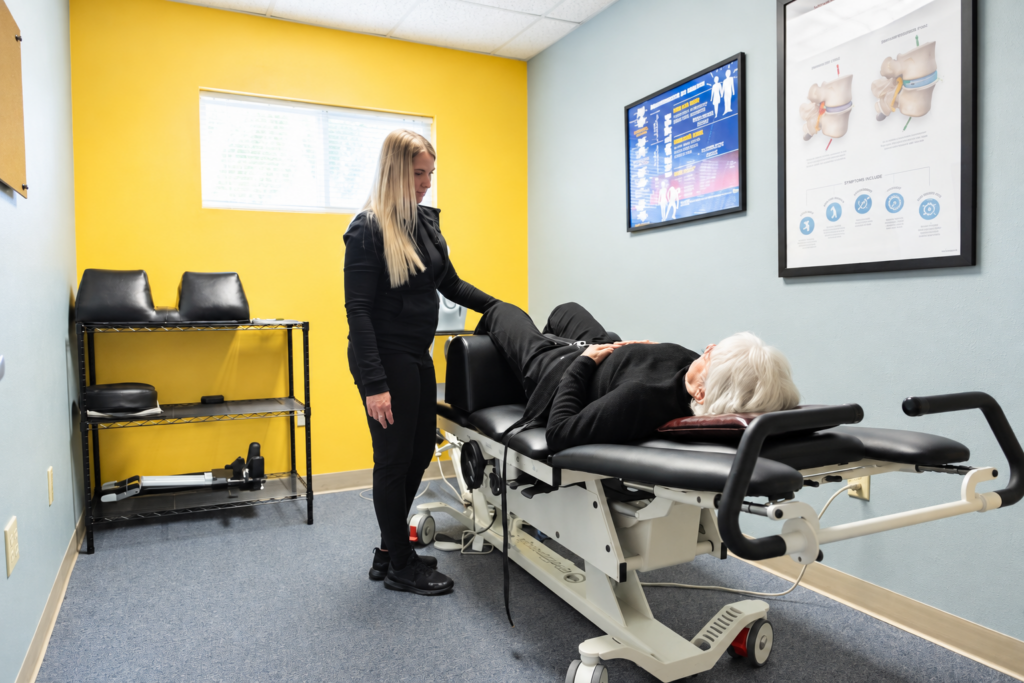
When it comes to managing back pain, chiropractic care offers a range of effective options that focus on natural healing. Our approach emphasizes the importance of aligning your spine and optimizing your body's function, which can lead to significant improvements in pain relief and overall mobility.
By working with a licensed chiropractor, you can develop a personalized treatment plan that addresses your unique needs and pain levels.
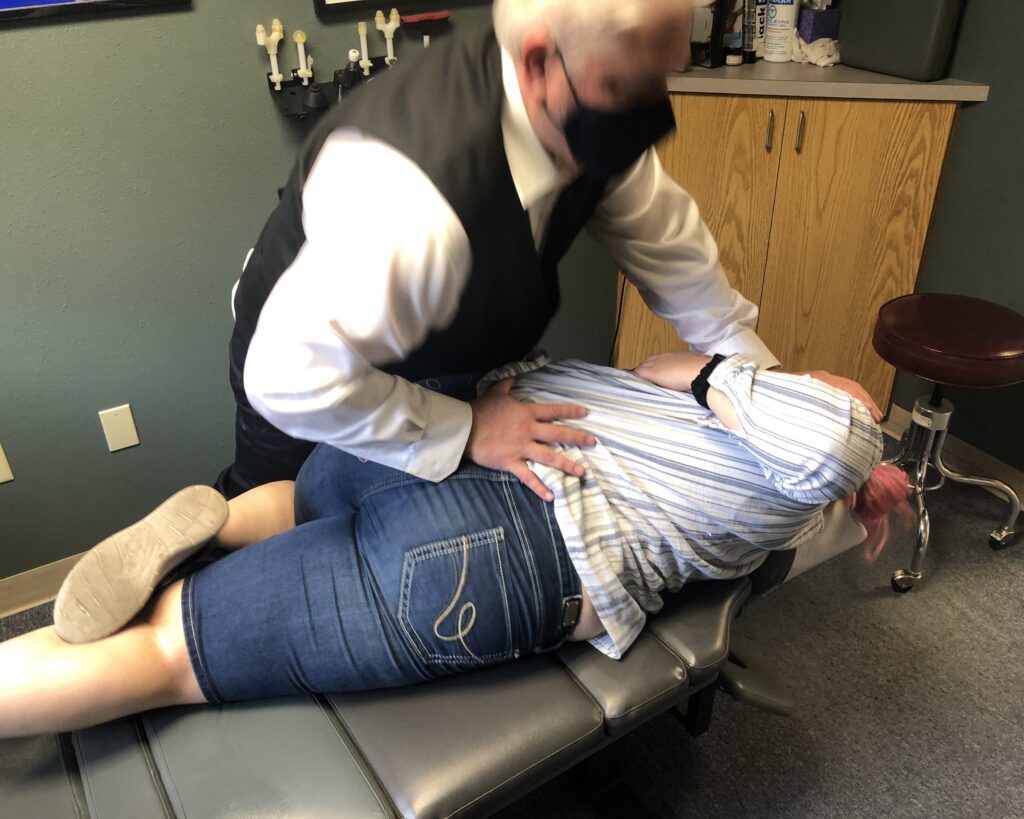
One of the primary techniques we utilize is spinal manipulation, where we use gentle, hands-on adjustments to correct misalignments in your spine and surrounding structures. This process not only alleviates pain but also restores proper movement and function.
Additionally, we often incorporate therapeutic exercises designed to strengthen the muscles that support your spine and improve flexibility.
We also offer various modalities such as heat therapy, cold therapy, ultrasound, and electrical stimulation to help reduce pain and inflammation. These treatments can be seamlessly integrated into your overall care plan, enhancing your healing process.
Education is a key component of our chiropractic care. We take the time to teach you proper body mechanics and movement patterns to help prevent future injuries. This knowledge empowers you to take an active role in your recovery and overall health.
We encourage you to ask questions and share any concerns during your visits. Open communication with your chiropractor ensures that we can tailor your treatment effectively, maximizing its benefits.
Proper Posture Practices
As your local chiropractor, I'm here to help you understand how important posture is in managing and preventing back pain. It's essential to pay attention to how you position your body throughout the day—whether you're sitting at your desk, standing, or even while you sleep. Proper alignment can significantly impact your comfort and overall well-being.
Let's dive into some practical tips for creating a healthier posture in your daily life.
We'll cover essential desk ergonomics to ensure your workspace supports your spine, tips for standing in a way that maintains your body's natural alignment, and the best sleeping positions to encourage restful nights without strain.
Desk Ergonomics Essentials
As a local chiropractor dedicated to helping you achieve optimal health and wellness, I want to emphasize the importance of maintaining proper posture while working at your desk. This simple adjustment can significantly reduce your risk of back pain and enhance your overall comfort throughout the day.
Here are some essential practices that can support a healthier posture and promote your well-being:
- Adjust your chair: It's crucial to have a chair that supports your lower back. Ensure that your feet can rest flat on the floor or on a footrest to maintain proper alignment and support your spine.
- Position your monitor: To avoid straining your neck, the top of your monitor should be at eye level. This way, you won't have to tilt your head up or down, which can lead to discomfort over time.
- Keep your keyboard and mouse close: Position these tools within easy reach to prevent unnecessary stretching and straining of your arms and wrists. This can help reduce the risk of repetitive strain injuries.
- Sit back in your chair: It's important not to slouch. Make sure your back is firmly against the chair and your shoulders are relaxed. This posture can help maintain the natural curve of your spine.
- Take breaks: Don't forget to stand up, stretch, and walk around every hour. This practice is vital for relieving tension and promoting healthy circulation, which can enhance your overall comfort and productivity.
By incorporating these practices into your daily routine, you can support your spine's health and reduce the likelihood of discomfort.
Standing Alignment Tips
As a local chiropractor dedicated to promoting natural healing and overall wellness, I want to emphasize the significance of proper posture, not only while sitting but also when standing. Good standing alignment plays a crucial role in minimizing your risk of back pain, which many of my patients experience.
To start, make sure to distribute your weight evenly across both feet. Standing with your feet about hip-width apart will provide you with a stable foundation. It's important to avoid locking your knees; instead, keep them slightly bent to allow for natural movement and flexibility.
Engaging your core muscles is essential for supporting your spine. Picture a string gently pulling your head up toward the ceiling while you tuck your chin in slightly. This technique aligns your head directly over your shoulders, which can alleviate strain on your neck and back.
Remember to keep your shoulders relaxed and slightly pulled back rather than allowing them to slump forward.
For those of you who find yourselves standing for extended periods, I recommend shifting your weight from one foot to the other periodically. If you're stationary for a while, using a footrest to elevate one foot can greatly relieve pressure on your lower back.
Don't forget the importance of taking breaks and stretching regularly; just a few minutes of movement can significantly refresh your posture and help prevent discomfort.
Sleeping Positions Advice
As a chiropractor dedicated to your overall well-being, I want to emphasize how crucial your sleeping position is for maintaining a healthy spine and alleviating back pain. The way you sleep can significantly impact your spinal alignment and comfort throughout the night.
Here are some valuable tips to help you achieve a restful night without aggravating any existing back issues:
- If you find comfort in sleeping on your side, try placing a pillow between your knees. This simple adjustment helps keep your spine aligned and reduces strain on your lower back.
- For those who prefer sleeping on their back, consider placing a small pillow under your knees. This technique can help relieve pressure on your lower back and promote a more neutral spine position.
- I recommend avoiding stomach sleeping whenever possible, as it can put unnecessary strain on both your neck and spine, leading to discomfort.
- Selecting the right mattress is essential. Look for one that strikes a balance between support and comfort—neither too firm nor too soft—so that your spine can maintain its natural curve.
- Don't forget about your pillow! A supportive pillow that keeps your head aligned with your spine is vital in preventing neck strain and ensuring a good night's sleep.
I encourage you to experiment with these positions and minor adjustments to discover what feels best for your body.
Remember, your sleep environment is a key player in your back health. By incorporating these small changes, you can wake up each morning feeling refreshed and pain-free, ready to embrace the day ahead!
If you have any questions or need personalized advice, don't hesitate to reach out during your next visit.
Alternative Treatments and Therapies
As a local chiropractor, I often encounter patients seeking alternative treatments and therapies to alleviate back pain and enhance their overall well-being. It's important to understand that these approaches can complement traditional medical treatments or serve as standalone options, depending on your individual preferences and needs.
One of the most effective alternative therapies is chiropractic care. In our practice, we focus on manual manipulation of the spine to correct alignment issues. By doing this, we can relieve pressure on nerves, reduce pain, and restore proper function to the body. Many of our patients experience significant relief from discomfort and report improved mobility after just a few sessions.
Regular visits to our clinic can also help maintain spinal health and prevent future issues.
In addition to chiropractic adjustments, I often recommend massage therapy to my patients. This hands-on approach helps ease muscle tension, improve circulation, and promote relaxation. Whether you prefer deep tissue, sports, or Swedish massage, working with a skilled therapist can greatly enhance your recovery process.
We also encourage our patients to explore practices like yoga and Pilates. These activities not only strengthen your core but also improve flexibility, which is essential for supporting your spine. Many of our patients find that these practices not only relieve pain but also promote overall physical and mental well-being.
Lastly, I want to highlight the potential benefits of herbal remedies and supplements. While these can be great complementary options, it's crucial to consult with me or your healthcare provider before trying any new treatments. Natural options like turmeric, ginger, and omega-3 fatty acids may offer anti-inflammatory benefits that can enhance your healing journey.
As you consider these alternative treatments, remember that chiropractic care is a holistic approach that focuses on your body's inherent ability to heal itself. I'm here to guide you through your recovery and help you achieve optimal health.
Conclusion
As a local chiropractor, I want to share some effective techniques that can help alleviate your back pain and enhance your overall well-being. By incorporating stretching exercises, strengthening your core muscles, and practicing mindfulness into your daily routine, you can adopt a holistic approach to pain relief.
Additionally, utilizing heat and cold therapy can provide significant relief, as can maintaining good posture throughout your day. If you find that your pain continues despite these efforts, it may be beneficial to seek professional chiropractic care. Remember, even small changes can lead to a healthier, pain-free life. I'm here to support you on your journey to wellness!