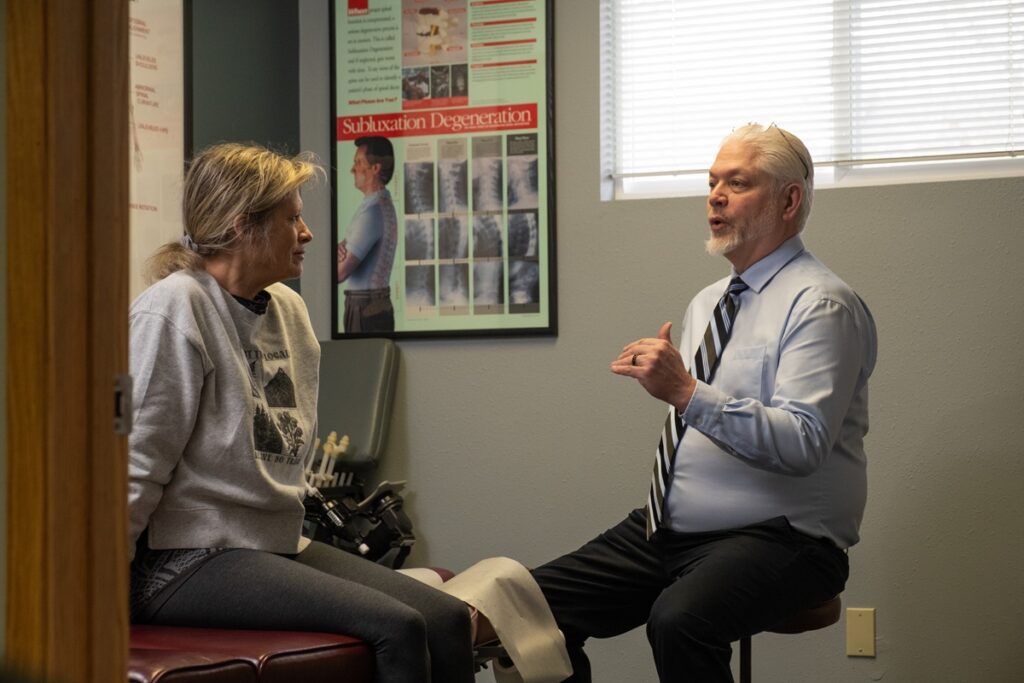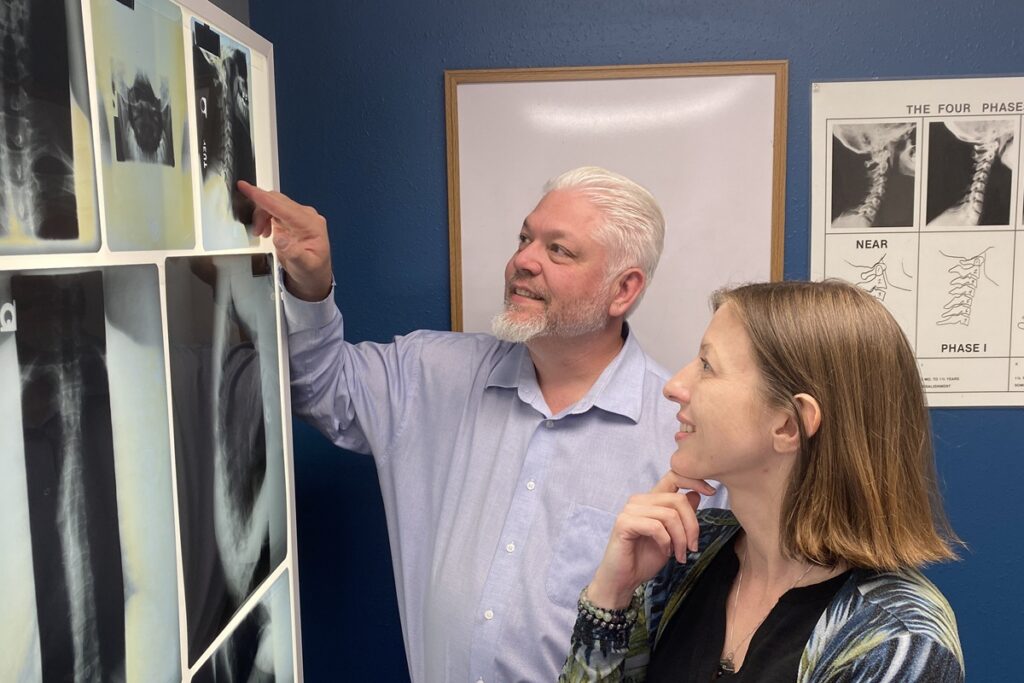

As a local chiropractor, I want to emphasize the importance of a holistic approach to recovering from an injury. While many people may think that rest is the only requirement for healing, there are several key strategies that can significantly enhance your recovery and help you return to peak performance.
First and foremost, proper nutrition plays a vital role in the healing process. Fueling your body with the right nutrients can support tissue repair and reduce inflammation. It's also important to consider your mental health; stress management techniques such as mindfulness and relaxation can aid in recovery.
Physical therapy is often a go-to option for rehabilitation, providing you with tailored exercises to regain strength and mobility. However, chiropractic care offers additional benefits that you might not be aware of. By focusing on spinal alignment and overall body mechanics, we can help alleviate pain, improve function, and promote faster healing.
Moreover, there are lesser-known strategies that can complement your recovery journey, such as gentle stretching, mobility work, and ergonomic adjustments in your daily activities. By exploring these elements, you can optimize your healing process and change your approach to injury recovery for the better.
If you're navigating an injury, I encourage you to consider chiropractic care as part of your recovery plan. Together, we can create a personalized strategy that addresses your unique needs and helps you get back to doing what you love.
Understanding Your Injury
Understanding your injury is crucial for a successful recovery, and as your local chiropractor, I'm here to help you navigate this journey. When you sustain an injury, it's important to take the time to learn about what's happening in your body. This knowledge not only aids in understanding the severity of your condition but also shapes your approach to rehabilitation.
Begin by identifying the specific type of injury you have. Is it a sprain, strain, fracture, or perhaps a misalignment? Each condition comes with its own characteristics and healing timelines. Recognizing what you're dealing with is the first step in your healing process.
Next, it's essential to consider the underlying causes of your injury. Reflect on your daily activities, exercise routines, or any sudden changes in your lifestyle that might've contributed. Understanding these factors can help us develop a plan to prevent future injuries.
I encourage you to consult with me for a thorough evaluation. I can provide a detailed diagnosis and recommend a personalized treatment plan that aligns with your individual needs.
Stay informed about the healing process. Familiarize yourself with the stages of recovery—such as inflammation, repair, and remodeling. This awareness empowers you to set realistic goals for returning to your daily activities.
It's also vital to listen to your body throughout your recovery. Pay attention to pain levels, mobility, and any unusual symptoms. Recognizing your limits can significantly reduce the risk of re-injury.
Lastly, don't overlook the mental aspect of your injury. It's normal to feel apprehensive about returning to your sport or activity. Acknowledging these feelings is an important part of your overall recovery strategy.
Importance of Rest
As your local chiropractor, I want to emphasize the vital role of rest in your recovery process. When your body experiences an injury, allowing yourself to rest is crucial for repairing those muscles effectively.
But rest isn't solely about physical recovery; it also plays a significant part in enhancing your mental resilience. By giving yourself the time to recuperate, you aren't only facilitating healing but also preparing yourself for a stronger and more resilient comeback.
Prioritizing rest is a key component of the natural healing process we advocate for in chiropractic care. Let's work together to ensure your body has the chance to recover fully.
Muscle Repair Process
As a local chiropractor, I want to help you understand the vital muscle repair process, especially if you're an athlete or someone who enjoys staying active. When you sustain a muscle injury, your body naturally begins a healing journey through several essential phases that are crucial for regaining strength and function.
Initially, your body responds to injury with inflammation. This may feel uncomfortable, but it's a necessary step that signals your body to start the repair of damaged tissues. This inflammation is part of your body's natural defense mechanism, and while it might be tempting to push through the discomfort, it's important to recognize its role in healing.
Following the inflammation phase, your body enters muscle regeneration, where it starts to create new muscle fibers. This is where rest becomes incredibly important. If you return to your activities too quickly, you risk aggravating the injury or extending your recovery time. Instead, allow your muscles the time they need to rebuild and heal.
During periods of rest, your body focuses on synthesizing proteins, which are essential for developing stronger and healthier muscles. I encourage you to prioritize quality sleep and schedule adequate rest days into your fitness routine.
Remember, these times of inactivity aren't wasted; they're critical for complete recovery. By respecting your body's repair process, you not only enhance your recovery but also significantly lower your chances of encountering future injuries.
As your chiropractor, I'm here to support you in understanding these natural healing processes and to help you on your journey to better health.
Mental Recovery Benefits
As a local chiropractor, I understand that many people focus primarily on the physical aspects of recovery, especially when it comes to training and competition. However, I want to emphasize that mental recovery is just as crucial as physical healing. Taking the time to rest not only helps your body recover but also allows your mind to reset.
If you push through injuries without giving your mind the breaks it needs, you may be setting yourself up for burnout and increased anxiety, which can ultimately affect your overall performance.
Prioritizing mental recovery can significantly enhance your focus and motivation when you return to your sport. Engaging in mindfulness practices like meditation or deep-breathing exercises can help alleviate stress and bolster your mental resilience.
Often, simply stepping away from the competitive environment can provide you with a fresh perspective on your goals and the challenges you face.
Additionally, allowing your mind to rest can cultivate creativity and problem-solving skills, both of which are essential for any athlete.
Remember, recovery isn't solely about physical rest; it's also about nurturing your mental well-being. Embrace those breaks! Use this valuable time to reflect on your journey and set new intentions for the future.
Physical Therapy Techniques
As a local chiropractor, I want to emphasize the importance of effective physical therapy techniques in your recovery process.
Whether you're healing from an injury or simply looking to enhance your overall well-being, a personalized chiropractic care plan can significantly aid in regaining strength and flexibility.
Here are three key techniques that I encourage you to consider:
1. Chiropractic Adjustments: This hands-on approach involves carefully realigning the spine and other joints to promote optimal function.
By correcting misalignments, we can alleviate pain, enhance circulation, and improve your range of motion.
Regular adjustments play a crucial role in relieving tension in tight areas, which is essential for your recovery and overall health.
2. Rehabilitative Exercises: Just like traditional physical therapy, rehabilitative exercises are vital in my practice.
I'll create a customized exercise program tailored to your specific needs, focusing on strengthening and stretching key muscle groups.
These exercises not only help rebuild strength but also improve balance and coordination, which are critical for both everyday activities and athletic performance.
3. Therapeutic Modalities: We utilize various modalities such as ultrasound, electrical stimulation, and heat or ice therapy in our treatment plans.
Each of these techniques serves a unique purpose—whether it's reducing inflammation, relieving pain, or enhancing the healing process.
Together, we'll determine which modalities are best suited for your individual case and stage of recovery.
Integrating these chiropractic techniques into your healing journey can make a significant difference.
By staying committed to your treatment plan and following my guidance, you'll be on the path to feeling your best in no time!
Nutrition for Recovery
As a local chiropractor, I want to emphasize the crucial role that nutrition plays in your recovery from an injury.
When you're healing, your body requires essential nutrients to effectively support tissue repair. It's not just about what you eat, but also about staying well-hydrated, as hydration is key to the healing process.
Additionally, the timing of your meals can significantly influence how quickly you recover. By nourishing your body properly, you can enhance the benefits of chiropractic care and facilitate a smoother healing journey.
Essential Nutrients for Healing
As a local chiropractor, I want to emphasize the crucial role that essential nutrients play in your recovery process, especially if you're dealing with injuries.
Focusing on nourishing your body with the right nutrients can significantly enhance your healing and help you regain strength more effectively. Here are three essential nutrients you shouldn't overlook:
1. Protein: This nutrient is vital for repairing damaged tissues. It supports muscle recovery and growth, which is essential after an injury.
I recommend including lean meats, fish, eggs, or plant-based sources like beans and legumes in your meals to ensure you're getting enough protein.
2. Vitamin C: Known for its powerful antioxidant properties, vitamin C is crucial for collagen synthesis, which is necessary for healing connective tissues.
To boost your vitamin C intake, consider incorporating citrus fruits, berries, and leafy greens into your diet. These foods can aid in your recovery and overall health.
3. Omega-3 Fatty Acids: These healthy fats are renowned for their anti-inflammatory properties, which can help reduce swelling and pain associated with injuries.
You can find omega-3 fatty acids in fatty fish like salmon, as well as walnuts and flaxseeds. Including these in your diet can support your healing process.
Remember, nutrition is a key component of natural healing and can complement the chiropractic care you're receiving.
Hydration and Recovery Importance
As a local chiropractor, I want to emphasize the vital role hydration plays in your recovery process. Just like the nutrients you consume, staying well-hydrated is crucial for healing and overall health. Water is essential for transporting nutrients to your cells, flushing out toxins, and ensuring your body functions at its best.
When you're dealing with an injury, your body works overtime to heal, and proper hydration can significantly support that healing process. Many people overlook the importance of hydration, but dehydration can lead to issues like muscle cramps, increased fatigue, and a slower recovery. Even minor drops in hydration levels can negatively impact your performance and ability to heal.
I encourage you to drink water consistently, especially after an injury, to keep your tissues hydrated and functioning optimally. Additionally, incorporating electrolyte-rich fluids can help replenish essential minerals, especially if you're active or sweating more than usual.
It's important to listen to your body; if you're feeling thirsty, that's a clear indication that you need to hydrate. I recommend carrying a water bottle with you throughout your day and setting reminders to drink water if necessary.
Remember, hydration isn't solely about drinking water—you can also obtain fluids from fruits and vegetables with high water content, which can enhance your overall intake. Prioritizing hydration in your recovery plan won't only support your healing journey but also improve your overall well-being.
Let's work together to ensure you stay properly hydrated as part of your path to recovery!
Timing Meals for Recovery
As a local chiropractor dedicated to your recovery journey, I want to emphasize that the timing of your meals is just as crucial as the nutritional content itself. By providing your body with the right nutrients at key moments, you can significantly enhance your healing process and regain your strength more effectively.
Here are three important timing strategies to consider:
- Post-Physical Activity Nutrition: After your physical therapy sessions or light workouts, it's vital to nourish your body with a meal or snack rich in protein and carbohydrates within 30 minutes. This not only helps replenish your glycogen stores but also initiates muscle repair, which is essential for your recovery.
- Consistent Meal Schedule: Maintaining a regular eating schedule throughout the day can greatly benefit your healing process. Aim to enjoy balanced meals every 3-4 hours. This approach helps stabilize your energy levels and ensures that your body receives a consistent flow of nutrients needed for optimal recovery.
- Nutrition Before Sleep: A small, protein-rich snack before bedtime can be beneficial for overnight muscle recovery. Options like Greek yogurt or cottage cheese are excellent choices that support your body's repair processes while you rest, allowing you to wake up feeling rejuvenated.
By incorporating these meal timing strategies into your routine, you can support your body's natural healing abilities and complement the chiropractic care you're receiving.
Together, we can work towards your recovery and overall well-being!
Mental Health Strategies
Recovering from an injury goes beyond just addressing the physical aspects; it also involves nurturing your mental health. As a chiropractor, I understand that when you're sidelined from your usual activities, it's common to experience feelings of frustration, isolation, or even sadness. That's why it's essential to implement effective mental health strategies to support your healing journey.
First and foremost, it's important to acknowledge your emotions. Feeling a mix of anger, sadness, or anxiety is perfectly normal during this time. I recommend journaling as a way to process these feelings. Writing down your thoughts can help you gain insights into your emotional state and track your progress as you heal.
Establishing a daily routine can also help create a sense of normalcy amidst your recovery. Schedule specific times for your chiropractic appointments, relaxation, and social interactions. This structure can provide comfort and stability while you navigate the healing process.
Incorporating mindfulness and meditation into your daily practices can significantly enhance your recovery. Mindfulness techniques can help you stay grounded, reducing anxiety about the future or frustration with your current limitations. Even just a few minutes of deep breathing exercises can clear your mind and improve your overall mental clarity.
Social support is crucial during your recovery. I encourage you to reach out to friends, family, or fellow patients who understand what you're experiencing. Sharing your journey with others can help lighten your emotional burden and offer encouragement during tough times.
Lastly, it's vital to set realistic goals for your recovery. Focus on small, achievable milestones, rather than feeling overwhelmed by the bigger picture. Celebrating these small victories can boost your confidence and keep you motivated.
Gradual Return to Activity
As a local chiropractor, I want to emphasize the importance of a gradual return to activity for a successful recovery. Many individuals may not realize that jumping back into intense training too quickly can lead to re-injury or setbacks.
Therefore, it's crucial to adopt a thoughtful approach to ensure you heal properly. Always listen to your body and consult with a healthcare professional, like myself, to create a personalized plan for your return to activity.
Here are three essential steps to consider during your gradual return to physical activity:
1. Start Slow: Initiate your recovery with low-impact exercises that prioritize mobility and flexibility. Engaging in activities such as walking, cycling, or swimming can help you maintain fitness levels while minimizing stress on the injured area.
These gentle movements can aid in promoting circulation and healing, which are key components of natural recovery.
2. Increase Intensity Gradually: As you start to feel more comfortable, gradually enhance the intensity and duration of your workouts. This phase may include light strength training or sport-specific drills tailored to your needs.
It's vital to remain in tune with your body; if you experience any pain or discomfort, consider it a cue to ease back and consult with your chiropractor for further guidance.
3. Set Realistic Goals: Establish tangible milestones to track your progress. Whether it's achieving a certain duration of exercise or performing specific movements without discomfort, these achievable goals won't only keep you motivated but also provide a clear pathway for your recovery.
Remember, chiropractic care can support you in reaching these goals by addressing any underlying issues and facilitating a smoother healing process.
Preventing Future Injuries
As a local chiropractor, I want to emphasize the importance of injury prevention as an essential part of your overall health and wellness, especially if you're active in sports or exercise.
It's vital to adopt strategies that can help you minimize the risk of future injuries and maintain peak performance.
One of the first steps in injury prevention is to strengthen your muscles, tendons, and ligaments. I recommend incorporating resistance training and flexibility exercises into your routine.
These practices not only enhance your physical performance but also equip your body to handle the stresses of your activities more effectively.
Another key factor is your technique. Whether you're running, jumping, or lifting weights, using the correct form is crucial for preventing injuries.
If you're uncertain about your technique, I encourage you to seek guidance from a coach or a certified trainer. They can provide valuable feedback and help you develop good habits.
Remember, investing time in learning the right techniques now can save you from painful injuries later.
It's also important to listen to your body. If you experience any pain or discomfort, please don't ignore it.
Rather than pushing through, take a moment to rest and evaluate what you're feeling. Ignoring those initial warning signs can lead to more serious injuries in the future.
Lastly, ensure that you're allowing adequate rest and recovery in your schedule. Overtraining is a common issue among athletes and can lead to a higher risk of injury.
Make sure you prioritize recovery time, which includes sufficient sleep, proper hydration, and a balanced diet to nourish your body.
As your chiropractor, I'm here to support you in achieving your health goals and keeping your body functioning optimally.
Together, we can create a personalized plan that incorporates these injury prevention strategies to help you stay healthy and active.
Conclusion
Injury recovery is more than just addressing the physical aspects; it's a comprehensive journey that requires focus on rest, nutrition, and mental wellness. As a local chiropractor, I want to emphasize the importance of understanding your injury and prioritizing effective recovery strategies. Collaborating with healthcare professionals, like chiropractors, can help you regain strength and mobility more effectively.
It's crucial not to rush the recovery process. Allow yourself the necessary time to heal fully, and consider integrating injury prevention techniques into your routine. Both your body and mind deserve attention and care to ensure you're back to peak performance. Embrace this holistic approach to recovery, and you'll find yourself better equipped to tackle future challenges. Remember, chiropractic care is here to support you on this journey to recovery and beyond.