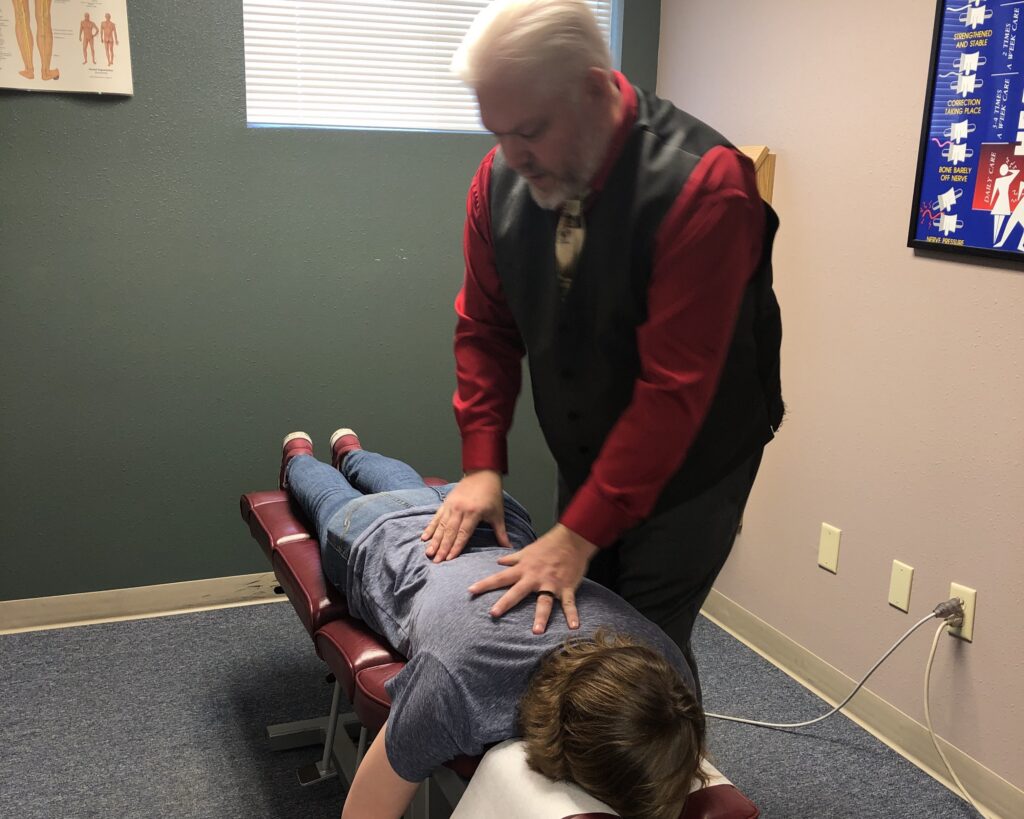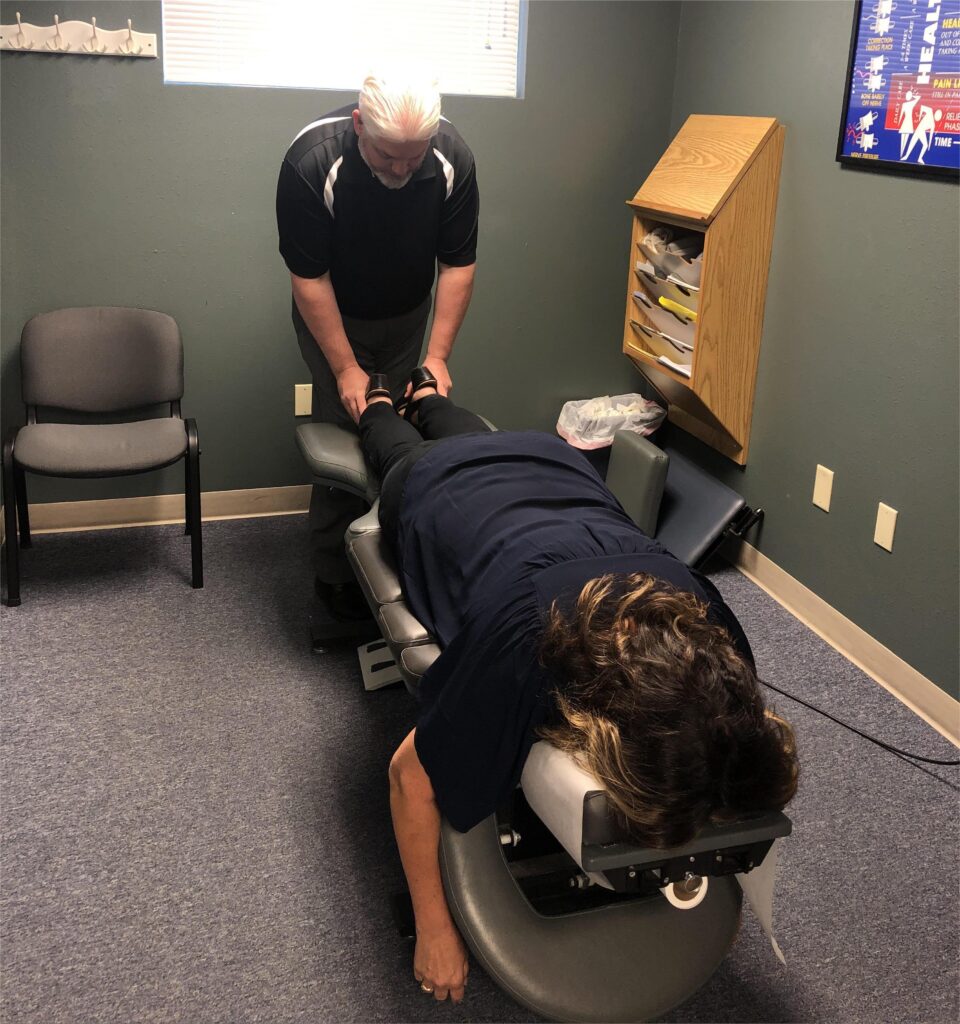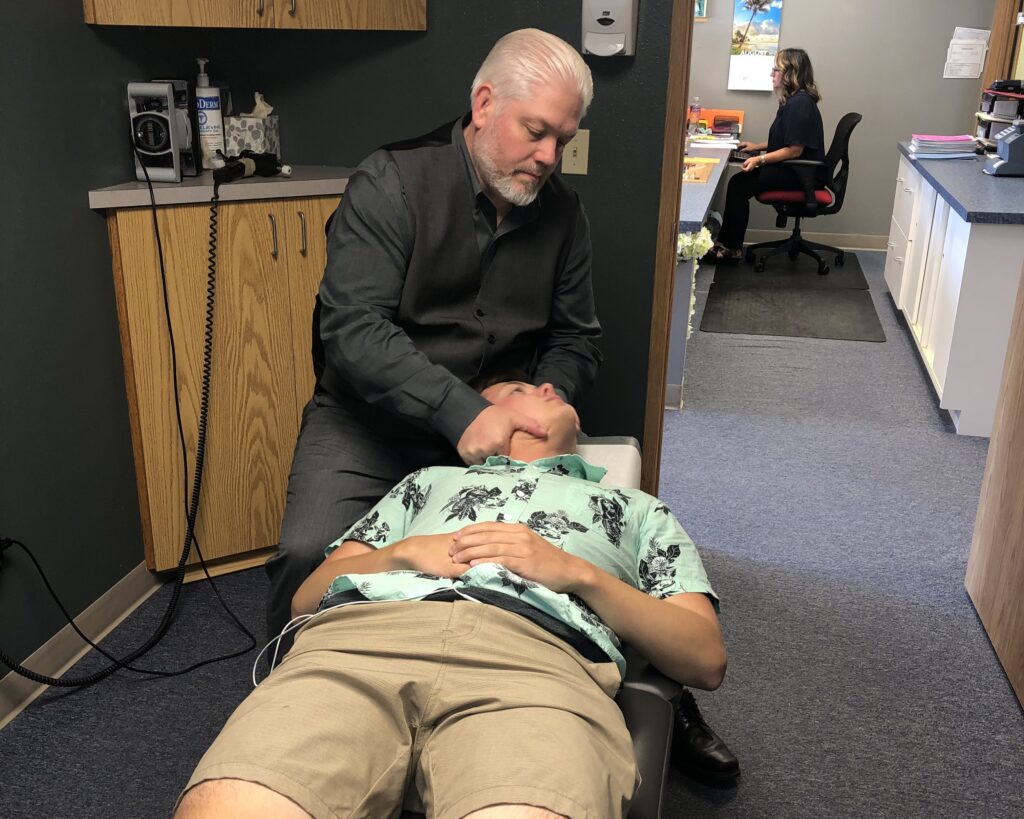

As a local chiropractor, I want to help you understand that if you've been dealing with persistent upper back pain, you're not alone in this struggle. Many individuals experience this discomfort, which often arises from factors like poor posture, stress, or even the routine activities we engage in daily. You might be surprised to learn that with some simple adjustments and targeted exercises, you can significantly improve your situation and enhance your quality of life.
In this guide, I will share effective strategies that not only help alleviate your pain but also focus on preventing it from returning. Before we dive into these solutions, it's important to recognize the common causes that may be contributing to your discomfort. Understanding these factors is the first step toward finding relief and embracing a healthier, pain-free lifestyle through chiropractic care and natural healing methods.
Understanding Upper Back Pain
As a local chiropractor, I often meet patients who are unfamiliar with the nuances of upper back pain and how it can impact their daily lives. This type of pain can feel like a heavy weight pressing down, making even the simplest tasks challenging. You may notice discomfort when sitting at your desk, lifting items, or reaching for something on a high shelf. Understanding the root of this pain is crucial for effective relief.
Your upper back, also known as the thoracic spine, is made up of 12 vertebrae that provide support to your neck and shoulders. It's designed for both stability and movement, but certain factors, such as poor posture, muscle strain, or a sedentary lifestyle, can lead to discomfort. You may experience sensations of tightness, stiffness, or even sharp pain, all of which can disrupt your daily routine.
To better comprehend your upper back pain, I encourage you to reflect on your daily habits. Are you spending long hours sitting without taking breaks? Do you often find yourself slouching or leaning over your phone? These habits can lead to muscle tension and imbalances that exacerbate your pain.
Additionally, stress plays a significant role; when we experience stress, our muscles often tighten, leading to further discomfort.
It's important not to overlook the signals your body is sending you. Identifying the characteristics of your pain—whether it's consistent or comes and goes—can greatly aid in your communication with a healthcare professional. Keeping track of when the pain occurs and any other symptoms you might experience will provide valuable insight into your condition.
By understanding your upper back pain, you can take proactive steps toward finding relief. Chiropractic care focuses on natural healing methods that can restore balance, alleviate discomfort, and help you return to a more comfortable, active lifestyle.
Let's work together to understand your pain and explore effective treatment options that suit your needs.
Common Causes of Discomfort
As a local chiropractor, I want to shed light on the common causes of upper back pain, particularly poor posture and muscle strain.
Many of my patients are surprised to learn just how their daily habits can significantly contribute to their discomfort. Simple things like slouching while sitting or not taking breaks during prolonged activities can lead to tension in the upper back.
By identifying and addressing these issues, we can work together to take the first steps toward relieving your pain and promoting better spinal health.
Understanding the connection between your habits and your discomfort is crucial in the journey towards natural healing and improved well-being.
Poor Posture Practices
As a local chiropractor, it's important for me to educate you about the effects of poor posture on your upper back. Many of my patients come in unaware of how their daily habits can lead to discomfort that disrupts their lives.
By recognizing and addressing these common posture pitfalls, you can take steps toward alleviating that persistent pain.
Let's explore three common habits that contribute to poor posture:
1. Slouching while sitting: This is one of the most frequent issues I see in patients. When you lean back in your chair or hunch over your desk, the strain on your upper back can become significant.
I recommend sitting with your back straight and shoulders relaxed to help distribute your weight evenly and reduce tension.
2. Looking down at your phone: Many people experience what we call "tech neck." This occurs when you frequently bend your neck forward to check messages or scroll through social media.
To minimize strain, try holding your device at eye level. This simple adjustment can make a big difference in how your upper back feels.
3. Unbalanced backpack use: Carrying a heavy backpack on one shoulder can lead to muscular imbalances in your upper back.
It's best to distribute weight evenly by using both shoulders or considering a wheeled bag. This practice helps maintain proper alignment and reduces the risk of pain.
By being mindful of these habits and making small changes, you can significantly improve your posture and overall well-being.
If you're experiencing discomfort, I'm here to help guide you on your path to natural healing.
Muscle Strain and Injury
As a local chiropractor, I want to share valuable insights about muscle strain and injury, particularly as they relate to upper back discomfort. Many of my patients often find that understanding the common causes of these issues can be the first step toward prevention and improved health.
One key factor in upper back pain is overexertion during physical activities. Whether you're lifting heavy objects or engaging in repetitive motions, pushing your muscles beyond their limits can lead to strains. It's essential to listen to your body and know when to take a break.
Another significant contributor to muscle strain is poor ergonomics. Many people spend extended periods sitting or standing in awkward positions, leading to fatigue and strain in the muscles. I encourage you to assess your workspace and posture regularly. Making small adjustments, such as using an ergonomic chair or maintaining proper alignment, can greatly alleviate discomfort.
Additionally, I can't emphasize enough the importance of warming up before any physical activity. Taking the time to properly prepare your muscles can significantly reduce your risk of injury.
Similarly, a lack of flexibility can play a role in muscle strain. Incorporating stretching exercises into your routine can't only enhance your range of motion but also help protect against injuries.
Lastly, it's important to recognize that emotional stress can manifest physically as tension in your muscles. This tension can exacerbate discomfort, so I recommend exploring relaxation techniques such as deep breathing exercises or yoga to help manage stress.
By being aware of these common causes of upper back strain and injury, you can take proactive steps to protect your body and improve your overall well-being.
Effective Stretching Techniques
As a chiropractor, I often see patients struggling with upper back pain, and I want to share some effective stretching techniques that can easily be incorporated into your daily routine. Stretching not only improves your flexibility but also helps to relieve muscle tension, which is crucial for maintaining a healthy spine.
Here are three essential stretches you might find beneficial:
- Cat-Cow Stretch: Begin on all fours, ensuring your wrists are aligned under your shoulders and your knees are positioned beneath your hips. Inhale deeply, arch your back, and lift your head and tailbone toward the ceiling (this is the Cow position). On your exhale, round your back and tuck your chin to your chest (the Cat position). Repeat this gentle flow for about 5-10 breaths; it can help loosen the spine and enhance mobility.
- Child's Pose: Kneel comfortably on the floor and sit back on your heels. Extend your arms forward and lower your chest toward the ground. Hold this pose for 30 seconds to a minute. This stretch is fantastic for gently elongating your back and alleviating tension in your shoulders, contributing to an overall sense of relaxation.
- Upper Back Stretch: Whether standing or sitting, maintain a tall posture. Clasp your hands together and stretch them out in front of you, rounding your upper back as you do so. Hold this position for 20-30 seconds while taking deep, calming breaths. This stretch effectively targets the muscles between your shoulder blades and promotes a sense of relaxation and relief.
Incorporating these stretches into your day can help support your overall spinal health and ease discomfort.
Strengthening Exercises for Relief
As a local chiropractor, I often see patients struggling with upper back pain, and I want to share some valuable insights on how strengthening your back muscles can play a crucial role in long-term relief and support.
While stretching is vital for alleviating tension, building strength in your back is equally important for maintaining proper posture and minimizing strain on your muscles and spine. Here are some effective exercises you can add to your routine.
Let's start with the superman exercise. To perform this, lie face down on a mat with your arms and legs extended. Simultaneously lift your arms, chest, and legs off the ground, holding the position for a few seconds before lowering back down. Aim to repeat this exercise 10-15 times to engage your entire back effectively.
Next, consider incorporating rows into your regimen using resistance bands or dumbbells. Stand with your feet shoulder-width apart, hinge at your hips, and lean slightly forward. Pull the weights or band towards your chest while squeezing your shoulder blades together. This movement is particularly beneficial for your upper back and can significantly enhance your posture.
Don't overlook the importance of planks. This exercise not only strengthens your core but also contributes to better back stability. Position yourself on your forearms and toes, keeping your body in a straight line. Start by holding the plank for 20-30 seconds, and as you become stronger, gradually increase the duration.
Finally, I recommend incorporating wall angels into your routine. Stand with your back against a wall and position your arms in a "W" shape. Slowly slide your arms up the wall into a "Y" shape while ensuring your back remains flat against the wall. This exercise is excellent for enhancing shoulder mobility and reinforcing upper back strength.
By regularly practicing these exercises, you can improve your back strength and support, paving the way for lasting relief from upper back pain.
Ergonomic Adjustments at Work
As a local chiropractor, I want to help you understand how making some ergonomic adjustments at your workspace can significantly alleviate upper back pain.
It's essential to create an environment that supports your body's natural alignment. Begin by assessing your desk setup—make sure that your chair height allows your feet to rest flat on the floor, and your knees are level with your hips.
Position your monitor at eye level to prevent straining your neck. These adjustments aren't just simple tweaks; they're crucial steps toward enhancing your comfort and overall well-being during the workday.
Desk Setup Recommendations
As a chiropractor, I understand the importance of a well-designed desk setup in preventing and alleviating upper back pain, especially for those who spend long hours in front of a computer.
Proper adjustments to your workspace can have a significant impact on your posture and overall comfort. Here are three crucial recommendations to help optimize your desk setup:
1. Monitor Height: It's essential to position your monitor at eye level and about an arm's length away. This arrangement helps you avoid leaning forward or craning your neck, both of which can lead to strain in your upper back.
An aligned monitor reduces the risk of discomfort and promotes a healthier posture.
2. Keyboard and Mouse Placement: Ideally, your keyboard and mouse should be at the same level. When your elbows rest at a comfortable 90-degree angle, it alleviates tension in both your upper back and shoulders.
This simple adjustment can make a big difference in how your body feels after a long day of work.
3. Desk Organization: Keeping your frequently used items within easy reach is vital. This approach minimizes unnecessary stretching or twisting, which can contribute to upper back strain.
A tidy workspace not only promotes better posture but also enhances your productivity and comfort while working.
By implementing these recommendations, you can create a more ergonomic workspace that supports your body's natural alignment, ultimately helping you feel better and reducing the risk of pain.
If you're experiencing persistent discomfort, don't hesitate to reach out to a chiropractor for personalized advice and treatment options.
Chair Height Importance
As a local chiropractor, I want to emphasize the importance of adjusting your chair height for optimal comfort and spinal health, especially if you spend long hours at a desk. One of the simplest yet most impactful changes you can make is to ensure your chair is set at the correct height.
When your chair is properly adjusted, your feet should rest flat on the floor, with your knees forming a 90-degree angle. This alignment is crucial for maintaining good posture and reducing strain on your upper back.
If your chair is too low, you may find yourself slumping or leaning forward, which can lead to muscle fatigue and discomfort. On the other hand, if your chair is too high, it might create pressure on the backs of your thighs and make it difficult to comfortably reach your desk. Both situations can lead to upper back pain and overall discomfort, which is something we want to avoid.
To find the ideal chair height, adjust your seat so that your elbows are also at a 90-degree angle when resting on your desk. If necessary, consider using a footrest to ensure your feet are fully supported.
It's important to remember that even minor adjustments can significantly impact your well-being. I encourage you to regularly reassess your chair height, particularly if you're experiencing any discomfort. Taking the time to optimize your seating can help you maintain proper posture and significantly reduce the risk of upper back pain throughout your workday.
Your spine will thank you!
Monitor Positioning Tips
As a local chiropractor, I want to emphasize the importance of proper monitor positioning in your workspace for your overall well-being and comfort. Many people may not realize that the way you set up your monitor can significantly impact your neck and upper back health, potentially leading to discomfort and pain.
Here are some essential tips to help you optimize your monitor positioning:
- Eye Level: It's crucial to position the top of your monitor screen at or just below your eye level. This simple adjustment encourages a neutral neck position, which can help prevent strain and misalignment.
- Distance: Aim to keep your monitor approximately an arm's length away from you. This distance not only minimizes eye strain but also promotes a more relaxed and ergonomic posture, making it easier on your body.
- Tilt and Angle: Consider tilting your monitor slightly backward—about 10 to 20 degrees. This angle helps keep your head aligned and reduces the urge to lean forward, which can lead to tension in your upper back and neck.
By following these guidelines, you can create a more supportive work environment that contributes to your overall health and well-being.
The Role of Mindfulness
As a local chiropractor, I want to emphasize the vital role mindfulness can play in managing upper back pain. Many of my patients find that focusing on the present moment can significantly reduce the stress that often exacerbates their discomfort. By practicing mindfulness, you can become more aware of your physical sensations, which helps you pinpoint areas of tension in your upper back. This heightened awareness allows you to respond to pain more effectively and promotes a sense of control over your healing process.
Incorporating mindfulness techniques, such as deep breathing exercises or meditation, can activate your body's natural relaxation response. This is crucial, as it can lead to decreased muscle tension and improved circulation—both essential for alleviating upper back pain.
I recommend that while you're sitting quietly or engaging in gentle stretches, concentrate on your breath. Pay attention to how each inhale and exhale feels in your body, particularly in your upper back. This practice not only grounds you but also shifts your focus away from pain and toward a state of relaxation.
Additionally, integrating mindfulness into your daily routine can be beneficial in managing stress, a significant contributor to chronic pain. By learning to observe your thoughts without judgment, you can reduce anxiety and foster a more peaceful mental environment. This transformation can help break the cycle of stress and pain, allowing your body to heal more effectively and complement the chiropractic care you receive.
I encourage you to set aside a few minutes each day for mindfulness practice. Whether through guided meditation, yoga, or simply sitting in silence, prioritizing mindfulness can lead to lasting improvements in your experience with and management of upper back pain.
Heat and Cold Therapy
As a local chiropractor, I want to share some valuable insights about how heat and cold therapy can effectively alleviate upper back pain. These natural methods can help reduce inflammation, enhance circulation, and relax tense muscles, making them a great addition to your pain relief routine.
Here's how to incorporate them:
1. Heat Therapy: Utilizing heat can help soothe stiff muscles and promote increased blood flow to the affected area. You might consider using a heating pad, a hot water bottle, or a warm towel.
I recommend applying heat for about 15-20 minutes; this will allow your muscles to relax and ease any discomfort you might be experiencing.
2. Cold Therapy: Cold therapy is particularly beneficial for reducing inflammation and numbing sharp pain. You can use an ice pack or even a bag of frozen vegetables wrapped in a towel.
Apply it to the painful area for 15-20 minutes, but remember to take breaks to protect your skin from frostbite.
3. Alternating Heat and Cold: For many patients, alternating between heat and cold therapy can yield the best results. Start with heat for 15-20 minutes, then switch to cold for the same duration.
You can repeat this cycle several times, especially after physical activities that might trigger your upper back pain.
Always listen to your body. If you find that either method increases your pain or discomfort, please stop immediately.
With consistent use, heat and cold therapy can support your recovery process, helping you move more freely and enjoy your daily activities without pain.
If you have any questions or need further guidance, don't hesitate to reach out to me during your next visit.
When to Seek Professional Help
If you've been experiencing upper back pain for more than a few weeks, it may be time to consider seeking professional assistance, such as from a local chiropractor.
It's essential to be mindful of any unusual symptoms that may accompany your pain, like numbness or weakness, as these could indicate a more serious underlying condition.
Moreover, if your discomfort is interfering with your daily activities, I encourage you to reach out to a chiropractor for a consultation.
We specialize in natural healing methods that can help alleviate your pain and improve your overall well-being.
Your health is important, and we're here to support you on your journey to recovery.
Persistent Pain Duration
As a local chiropractor, I understand how frustrating upper back pain can be, especially when it lasts longer than we hope. If you're experiencing discomfort for more than a few days, it's essential to take a closer look at your situation.
Here are three important signs that indicate it may be time to seek my help or the help of another healthcare professional:
- Pain Duration: If your upper back pain persists for more than a week without any sign of improvement, I encourage you to reach out for a consultation. Chronic pain can often benefit from specialized chiropractic care that addresses the root cause rather than just masking the symptoms.
- Increased Intensity: Pay attention to how your pain is changing. If you find that your discomfort is becoming more intense over time instead of gradually easing, this is a signal that something may be wrong. Sudden increases in pain can indicate an issue that requires a closer examination and targeted treatment.
- Impact on Daily Activities: If your upper back pain is affecting your ability to carry out everyday tasks—such as lifting, bending, or even sitting comfortably—this is a significant concern. Chiropractic adjustments and holistic approaches can often help restore mobility and comfort, allowing you to return to your normal routine.
Listening to your body is crucial. Ignoring persistent pain can lead to more significant complications in the future.
It's always wise to prioritize your health and seek assistance when you're uncertain. As a chiropractor, I'm here to support you on your journey to natural healing and improved well-being.
Accompanying Symptoms Assessment
As a local chiropractor, I want to help you understand the signs that your upper back pain may need professional evaluation.
If you experience any numbness, tingling, or weakness in your arms or legs, it's crucial to reach out to a healthcare provider. These sensations could indicate nerve involvement or other serious issues that require immediate attention.
It's also important to be aware of pain that radiates down your arms or any difficulty you have in gripping objects. These symptoms may point to more significant underlying problems.
Additionally, if you notice other signs such as fever, unexplained weight loss, or night sweats, these could be indicators of health concerns that shouldn't be overlooked.
If your pain began after a traumatic incident, like a fall or an accident, please don't hesitate to seek help. Early intervention is key in preventing complications and supporting your recovery.
Moreover, if your upper back pain is disrupting your sleep or daily activities, that's a clear signal that you should take seriously.
Trust your instincts. If something doesn't feel right, it's always better to be proactive and obtain a professional evaluation.
Remember, addressing potential complications early can lead to more effective treatment and a quicker return to your everyday life.
Don't wait for your symptoms to worsen—reach out when it matters most. Your health is worth it!
Impact on Daily Activities
As a local chiropractor, I want to help you understand how persistent upper back pain can significantly affect your daily life. When you're dealing with discomfort, even the simplest tasks can become daunting. You may find yourself steering clear of activities you once loved or struggling to keep up with work responsibilities.
It's essential to pay attention to your body and know when to seek professional assistance. Here are three critical signs that indicate it might be time to visit a chiropractor:
- Worsening Pain: If you notice that your pain is getting more intense over time or isn't improving with home remedies, this is a strong indication that you should reach out to a healthcare provider who specializes in spinal health.
- Radiating Symptoms: If your upper back pain begins to radiate down your arms, neck, or legs, this could signal a more serious issue that requires immediate attention from a professional who understands how to address these concerns effectively.
- Difficulty with Daily Activities: Are you having trouble lifting, bending, or even sitting comfortably? If so, it's vital to get evaluated by a chiropractor. We can help identify the root cause of your discomfort and develop a personalized treatment plan.
Ignoring these signs can lead to chronic pain and further complications down the line. Don't hesitate to reach out for help if you're experiencing significant discomfort or limitations in your daily routine.
Early intervention is often the key to restoring your mobility and enhancing your overall quality of life. Remember, chiropractic care focuses on natural healing and can be a beneficial approach to managing your pain and improving your well-being.
Lifestyle Changes for Prevention
As your local chiropractor, I want to share some important lifestyle changes that can help you prevent upper back pain and promote your overall well-being. One of the first things to consider is your posture throughout the day. It's crucial to maintain a straight back, relaxed shoulders, and flat feet while sitting. Investing in ergonomic furniture, like a supportive chair for your lower back, can significantly improve your posture and comfort.
Regular physical activity is also essential for preventing upper back pain. I recommend incorporating exercises that strengthen your core and upper back, such as yoga, Pilates, or swimming. These activities improve muscle tone and flexibility, which can lower your risk of injuries.
Additionally, if you find yourself sitting or standing for long periods, make sure to take breaks every hour. Stand up, stretch, and move around to keep your muscles active and engaged.
Your sleep position plays a vital role in your spinal health as well. If you sleep on your side, try placing a pillow between your knees to help align your spine. For back sleepers, using a pillow under your knees can provide extra support. It's also important to choose a mattress that offers the right balance of support and comfort for your individual needs.
Lastly, don't underestimate the impact of stress on your body. High stress levels can lead to muscle tension, particularly in your upper back. I encourage you to explore mindfulness practices such as meditation or deep breathing exercises to help manage stress effectively.
Long-Term Pain Management Strategies
As a local chiropractor dedicated to your health and well-being, I understand that managing long-term upper back pain involves more than just seeking immediate relief. It necessitates a comprehensive approach that not only alleviates discomfort but also fosters overall spine health.
Here are three effective strategies that I encourage you to consider for long-term management of your upper back pain:
- Regular Exercise: Incorporating low-impact activities, such as swimming, walking, or yoga, into your routine can significantly strengthen your back muscles, enhance flexibility, and improve your posture. I recommend aiming for at least 30 minutes of exercise most days of the week. These activities can greatly complement the adjustments and treatments you receive in our office.
- Physical Therapy: Collaborating with a physical therapist can be highly beneficial. They can provide you with personalized exercises and techniques that are tailored to your specific needs. Additionally, they'll teach you proper body mechanics, helping you avoid movements that may exacerbate your pain. Working together, we can create a holistic approach to your care.
- Mindfulness and Stress Management: It's important to recognize that chronic pain often carries emotional components that can intensify your discomfort. Engaging in mindfulness practices, such as meditation or deep breathing exercises, can effectively reduce stress and enhance your overall pain tolerance. I encourage you to explore these techniques as part of your healing journey.
Integrating these strategies into your daily routine can create a sustainable way to manage your upper back pain. Remember, consistency is key.
I also recommend consulting with a healthcare professional to develop a tailored plan that works best for you. By taking a proactive approach, you can regain control over your pain and significantly improve your quality of life. Together, we can work towards a healthier, pain-free future.
Conclusion
As a local chiropractor dedicated to your well-being, I want to emphasize that relieving upper back pain is not only possible, but it can also be achieved through natural methods. Many people are unaware of how common causes of upper back discomfort can be effectively managed through chiropractic care. By focusing on correct posture, incorporating targeted stretching and strengthening exercises, and making ergonomic adjustments in your daily life, you can significantly enhance your comfort levels.
It's essential to listen to your body and recognize when it's time to seek professional guidance. Chiropractic adjustments can help realign your spine, alleviate tension, and restore proper function, making a world of difference in your everyday life. I encourage you to embrace lifestyle changes and long-term management techniques that our practice can help you implement. These strategies not only assist in relieving pain but also contribute to your overall health and vitality.
Take proactive steps today by exploring the benefits of chiropractic care for a healthier, pain-free tomorrow! Together, we can work towards achieving your wellness goals.