
When it comes to managing back pain, you might find that a one-size-fits-all approach just doesn't cut it. Your unique experience with pain—shaped by factors like intensity, duration, and medical history—demands a tailored treatment plan. Generic solutions can overlook essential details, leaving you stuck in a cycle of discomfort. Understanding what makes your situation different can lead to more effective strategies. So, what does a personalized approach look like, and how can it transform your recovery journey?
Understanding Back Pain
Back pain's impact on daily life can be profound, affecting everything from your mood to your ability to work. Understanding the nature of your back pain is essential for effective management. It can stem from various causes, including muscle strain, herniated discs, or even poor posture. Recognizing these underlying issues can help you take the first steps toward relief.
First, consider the type of pain you're experiencing. Is it sharp, dull, or throbbing? Does it radiate to other areas, like your legs or arms? This can give you insight into whether it's muscular, nerve-related, or something else entirely.
You'll want to pay attention to when the pain occurs too. Does it flare up after long periods of sitting or lifting heavy objects? Identifying triggers can guide you in altering your daily habits.
Next, think about the duration and frequency of your pain. Is it acute, lasting a few days or weeks, or chronic, persisting for months or longer? Chronic pain often requires a different approach than acute pain, so understanding this distinction can help you choose the right treatment.
Ultimately, being proactive in understanding your back pain empowers you to seek tailored treatments. Your experience is unique, and recognizing the specific factors contributing to your discomfort lays the groundwork for finding effective solutions.
The Limitations of Generic Treatments
Generic treatments for back pain often assume a one-size-fits-all solution, which can leave you feeling frustrated.
Since the sources of pain can vary widely from person to person, these standard approaches mightn't address your specific needs.
It's crucial to recognize these limitations if you want to find effective relief.
One-Size-Fits-All Approach
Many people seeking relief from back pain often find themselves caught in the trap of a one-size-fits-all approach to treatment. This method might seem convenient, but it usually overlooks the unique aspects of your condition.
When you rely on generic treatments, you're likely missing out on solutions that address the specific causes of your pain. Medications, physical therapy routines, or exercises designed for the average patient may not work for you. What eases someone else's discomfort might exacerbate your issues.
This cookie-cutter mentality can lead to frustration, prolonged pain, and even further injury. You deserve a treatment plan tailored to your individual needs. By ignoring your specific symptoms, lifestyle, and medical history, a one-size-fits-all approach can obstruct your recovery process.
Instead of settling for broad solutions, it's essential to seek personalized care. This guarantees that your treatment aligns with your unique pain profile and promotes effective healing.
Embracing a customized approach can help you regain control over your back pain and enhance your overall quality of life. Remember, your back pain journey is uniquely yours; your treatment should be too.
Varying Pain Sources
Pain can stem from a variety of sources, making it clear that a generic treatment plan often falls short. Your back pain could be due to muscle strain, a herniated disc, or even an underlying medical condition. Each of these sources requires a different approach to treatment.
When you rely on a one-size-fits-all solution, you risk not addressing the root cause of your discomfort. For instance, if your pain comes from a muscle issue, physical therapy and targeted exercises might be the answer. However, if it's due to a disc problem, you may need more specialized interventions like chiropractic care or injections.
Ignoring these nuances can lead to prolonged suffering and frustration. Additionally, emotional factors such as stress or anxiety can exacerbate your back pain. A generic treatment will likely overlook these psychological components, leaving you feeling stuck.
You deserve a treatment plan that acknowledges the complexity of your pain, catering to both the physical and emotional aspects.
The Importance of Individual Assessment
When it comes to back pain, your unique pain profile plays an essential role in determining the right treatment.
By evaluating your specific situation, you can develop a customized treatment plan that addresses your individual needs.
This tailored approach enhances the chances of effective relief and recovery.
Unique Pain Profiles
Understanding your unique pain profile is vital for effective back pain treatment. Everyone experiences pain differently, and recognizing the specific characteristics of your discomfort can greatly influence your recovery. Your pain might be sharp, dull, or throbbing, and it could radiate to other areas like your legs or buttocks. Identifying these details helps healthcare providers pinpoint the underlying causes.
When evaluating your pain, consider factors like its intensity, duration, and triggers. Is it worse after prolonged sitting or lifting objects? Does it improve with rest, or does movement exacerbate it? These insights provide valuable information for your treatment plan.
Additionally, understanding any past injuries or existing medical conditions can help tailor your care further.
Remember that emotional factors can also play a role in your experience of pain. Stress, anxiety, and depression can amplify your discomfort, making it important to address these aspects during your evaluation.
Customized Treatment Plans
Recognizing the unique aspects of your back pain is vital for developing a customized treatment plan that truly meets your needs. Every individual experiences pain differently, influenced by factors such as your lifestyle, medical history, and specific symptoms. By evaluating these elements, healthcare providers can create a tailored approach to your treatment.
During your initial evaluation, expect to discuss your pain's intensity, duration, and the activities that exacerbate it. This information allows your doctor to pinpoint the root cause and identify any underlying conditions. From there, they can recommend a combination of therapies that may include physical therapy, medication, or lifestyle changes.
It's important to remember that a one-size-fits-all solution rarely works when it comes to back pain. By committing to a personalized treatment plan, you're more likely to see improvement and regain your quality of life.
Regular follow-ups will guarantee that your plan evolves as your condition changes, allowing for adjustments that keep you on the right track.
Ultimately, investing time in a thorough evaluation will lead to more effective management of your back pain, giving you the best chance for recovery.
Factors Influencing Back Pain
Back pain can stem from a variety of factors that intertwine physical, emotional, and environmental influences. Understanding these factors is essential to managing your pain effectively.
First, consider your physical health. Poor posture while sitting or standing, lack of exercise, and obesity can all contribute to back pain. If you spend long hours hunched over a computer, your spine pays the price. Regular exercise strengthens your core, providing better support for your back.
Next, your emotional state plays a significant role too. Stress, anxiety, and depression can manifest as physical pain, including back issues. When you're anxious, your muscles tense up, leading to discomfort. It's important to address your mental health as part of your overall wellness strategy.
Environmental factors also come into play. Your work environment, including the ergonomics of your workspace, can impact how your back feels. If you lift heavy objects incorrectly or don't take breaks, you're more likely to injure your back.
Lastly, age and genetics can't be overlooked. As you age, your spine undergoes natural wear and tear, which might lead to chronic pain. If your family has a history of back problems, you might be predisposed to similar issues.
Customized Treatment Options
Finding the right treatment for back pain can feel overwhelming, especially with so many factors at play. But customizing your treatment options can make a significant difference in your recovery journey and overall quality of life.
Everyone's back pain is unique, influenced by personal history, lifestyle, and specific symptoms. By tailoring your approach, you can target the root causes rather than just masking the pain.
Start by evaluating your needs. Are you looking for immediate relief, or are you focused on long-term management? Identifying your goals will help you choose the most effective treatment options.
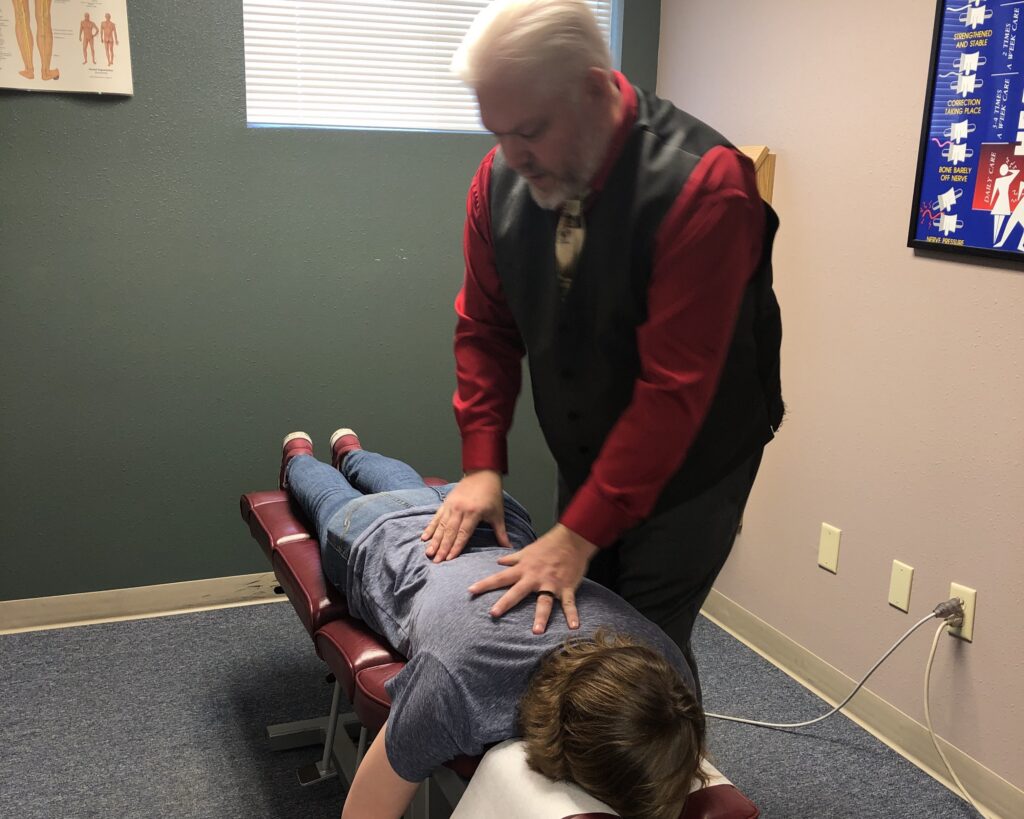
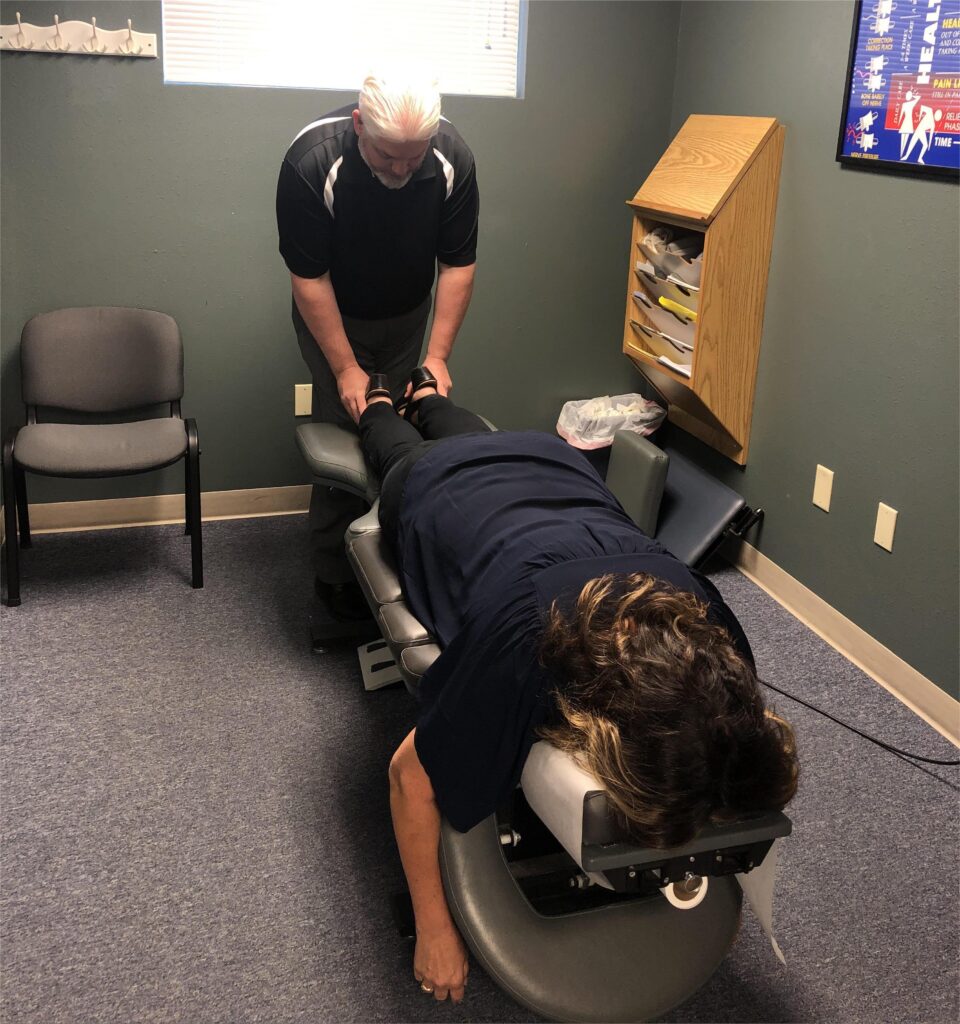
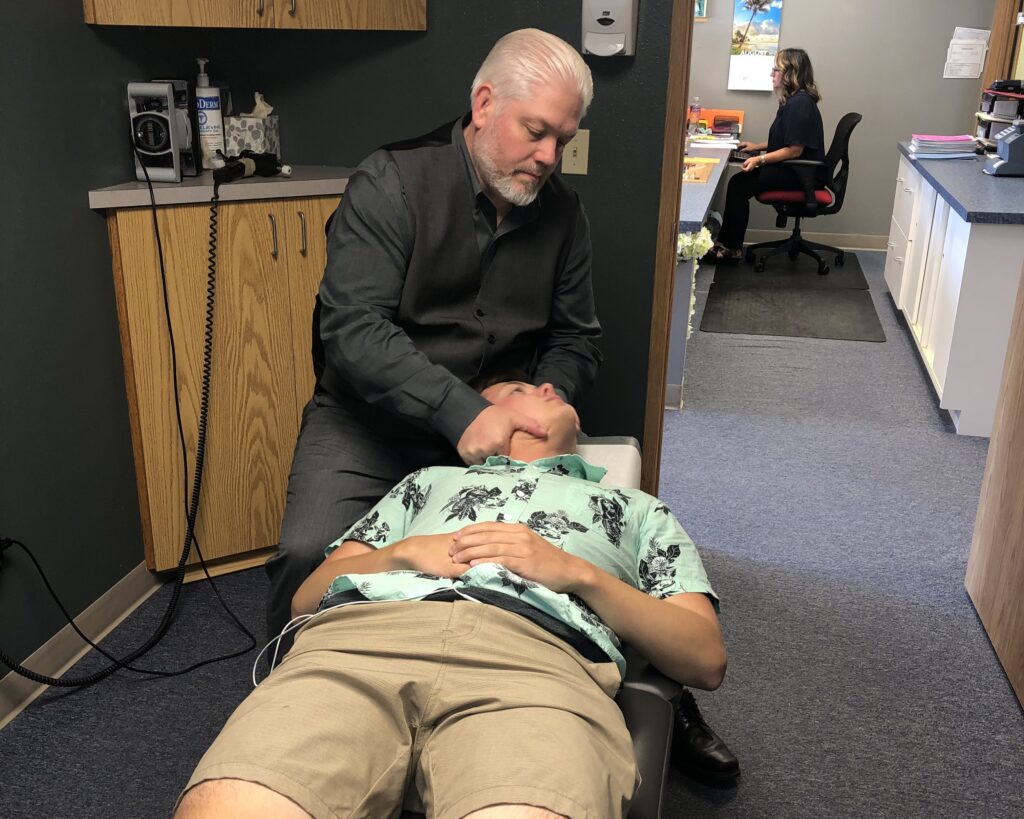
Some people benefit from medication to reduce inflammation and alleviate pain, while others find success with alternative therapies like acupuncture or chiropractic adjustments.
You might also consider lifestyle modifications. Incorporating regular exercise, maintaining a healthy weight, and practicing good posture can create a solid foundation for your treatment plan.
If you've got a specific injury or condition, specialized treatments like injections or surgery may be warranted, but these should always be discussed thoroughly with your healthcare provider.
Don't forget about the importance of ongoing communication with your healthcare team. Regularly updating them on your progress allows for adjustments to your treatment plan as needed.
Role of Physical Therapy
Physical therapy often plays an essential role in managing back pain effectively. It focuses on alleviating pain, improving mobility, and restoring function. When you engage in physical therapy, you're not just treating symptoms; you're addressing the underlying issues contributing to your back pain.
Your physical therapist will assess your condition and develop a personalized treatment plan tailored specifically for you. This plan may include exercises designed to strengthen your core, improve flexibility, and enhance posture. By targeting these areas, you'll gain better support for your spine, reducing the risk of future pain.
Manual therapy techniques, such as massage and joint mobilization, are also commonly employed. These hands-on methods help relieve tension in your muscles and improve circulation, facilitating healing. You'll likely notice that your pain decreases as you progress through your sessions.
Additionally, education is a vital aspect of physical therapy. Your therapist will teach you about body mechanics and proper lifting techniques, which can prevent further injury. They'll also guide you on how to incorporate these practices into your daily life.
As you consistently attend sessions, you'll learn how to manage your pain independently. The skills you acquire will empower you to take charge of your back health.
Integrating Lifestyle Changes
Making simple lifestyle changes can greatly impact your back pain management. You don't have to overhaul your entire routine; small adjustments can lead to significant improvements in how you feel.
Start by paying attention to your posture. Whether you're sitting at a desk or lifting objects, maintaining proper alignment can reduce strain on your back. Invest in ergonomic furniture if you spend long hours sitting.
Physical activity is another important component. Aim for regular exercise, focusing on activities that strengthen your core and back muscles. Low-impact options like swimming or walking can keep your body active without putting undue pressure on your spine.
Incorporating stretching exercises into your routine can also help maintain flexibility and ease tension.
Nutrition plays an essential role in your overall health and can influence inflammation and pain levels. Eating a balanced diet rich in fruits, vegetables, lean proteins, and whole grains can support your body's healing processes.
Stay hydrated, as proper hydration is necessary for maintaining the elasticity of muscles and joints.
Don't underestimate the power of sleep. Quality rest is critical for recovery and managing pain. Create a sleep-friendly environment by keeping your room dark, quiet, and cool.
Consider your sleeping position, too; using a supportive mattress and pillow can make a big difference.
Lastly, manage stress through mindfulness practices like yoga or meditation. Stress can exacerbate pain, so finding ways to relax is important for your back health.
Monitoring Progress and Adjustments
How can you effectively track your progress in managing back pain? Monitoring your progress is essential for understanding how well your tailored treatment plan is working. Regularly evaluating your symptoms and making adjustments based on your experiences will empower you to take control of your recovery.
Here are some practical strategies to help you stay on track:
- Keep a pain diary: Document your daily pain levels, activities, and any treatments you've tried. This will help you identify patterns and triggers, enabling you to make informed decisions about your care.
- Set specific goals: Establish clear, achievable goals related to your daily activities, mobility, or pain levels. This gives you a target to work towards and helps you stay focused on your journey.
- Regularly consult with your healthcare provider: Schedule check-ins with your doctor or therapist to discuss your progress. They can help you reevaluate your treatment plan based on your feedback and make necessary adjustments.
Success Stories of Tailored Approaches
Many individuals have found relief from back pain through tailored approaches that address their unique needs and circumstances.
For instance, consider someone like you who struggled with chronic lower back pain for years. After trying generic treatments with little success, you decided to seek a personalized plan. A healthcare professional evaluated your lifestyle, work habits, and physical condition, creating a program that combined targeted exercises, physical therapy, and stress management techniques. Over time, you noticed significant improvements in your pain levels and mobility.
Another success story involves an athlete who experienced recurrent back issues after intense training. Instead of a one-size-fits-all treatment, a customized approach focused on strengthening the core and improving flexibility was implemented. With specific exercises tailored to their sport, the athlete not only alleviated pain but also enhanced performance.
Then there's the case of someone dealing with back pain due to a sedentary job. After receiving a personalized treatment plan that included ergonomic adjustments and regular movement breaks, they found relief. Their productivity increased, and they could enjoy activities they once loved.
These stories highlight the power of individualized treatment plans in overcoming back pain. When you invest in a tailored approach, you're not just treating symptoms; you're addressing the root causes of your discomfort.
Conclusion
In summary, tailored treatments for back pain are essential for your healing journey. By understanding your unique experience and addressing the specific factors influencing your discomfort, you can achieve effective pain management. Personalized approaches not only target the root causes but also improve your overall quality of life. Embracing customized strategies, including physical therapy and lifestyle changes, empowers you to monitor your progress and make necessary adjustments. Take control of your back pain and discover a path to lasting relief.