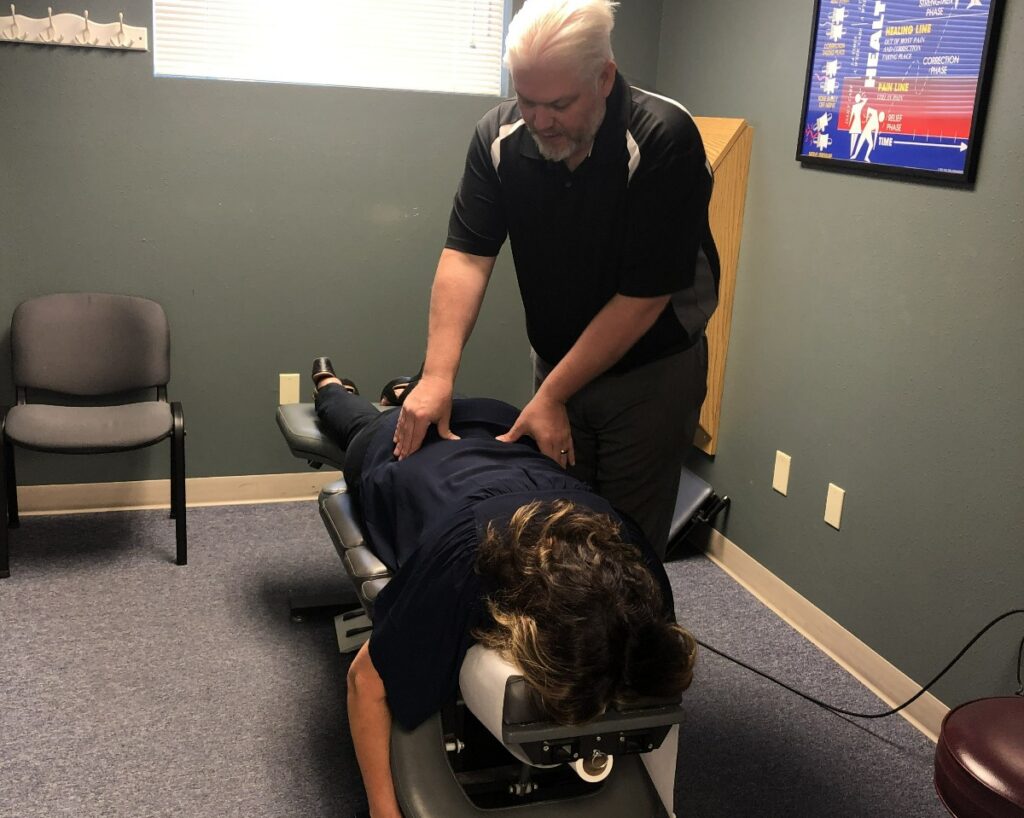

As a local chiropractor, I want to share some insights on how chiropractic adjustments can significantly improve your flexibility, even if you're not familiar with the concept. Many people don't realize the profound impact these adjustments can have on your overall range of motion. By enhancing joint mobility and relieving muscle tension, chiropractic care lays the groundwork for improved movement in your daily life.
Let's delve into ten effective ways these adjustments can elevate your flexibility. I encourage you to consider how simple changes—like incorporating regular chiropractic visits—can lead to a remarkable transformation in your flexibility. Ready to discover practical strategies that can easily fit into your routine? Let's start by exploring the first few methods, which may reshape your understanding of flexibility and how to achieve it naturally.
Incorporate Dynamic Stretching
As a chiropractor dedicated to your overall wellness, I want to emphasize the importance of incorporating dynamic stretching into your routine. This practice can significantly enhance your flexibility and prepare your muscles for various activities, which is vital for maintaining a healthy body.
Unlike static stretching—where you hold a position for an extended period—dynamic stretching involves moving your body through a full range of motion. This method not only warms up your muscles but also improves their elasticity, making it easier for you to engage in physical activities without strain.
To get started, include movements that mimic your chosen workout or sport. For instance, if you're preparing for a run, consider incorporating leg swings, high knees, or butt kicks into your warm-up. These exercises activate key muscle groups such as your hip flexors, hamstrings, and quadriceps, ensuring they're primed for action. Aim for 10-15 repetitions of each dynamic stretch to maximize the benefits.
It's crucial to perform these stretches at a controlled pace. This allows your muscles to adapt safely and reduces the risk of injury. You should feel a gentle pull during the stretches, but never push yourself to the point of pain. Always prioritize your form; focusing on quality movements is far more important than the number of repetitions.
I recommend integrating dynamic stretching into your warm-up routine, ideally spending around 10-15 minutes on these movements before starting any intense workout. By doing so, you prepare your body for better performance while also minimizing the risk of injury.
Ultimately, dynamic stretching can become an essential part of your overall wellness strategy, enhancing not just your flexibility, but also your endurance and strength. As your chiropractor, I'm here to support you on your journey to a healthier, more active lifestyle.
Focus on Breathing Techniques
As a local Chiropractor, I want to share how focusing on breathing techniques can significantly enhance your flexibility and overall well-being.
One powerful method is diaphragmatic breathing, which promotes better breath control. This improvement can support your body's movements, making activities more fluid and comfortable.
By integrating mindfulness into your daily routine, not only will you see an increase in flexibility, but you'll also enrich your overall health and chiropractic practice.
Embracing these techniques can lead to a more balanced and natural healing experience.
Diaphragmatic Breathing Benefits
As a chiropractor, I often emphasize the importance of holistic practices that can greatly enhance your physical and mental well-being. One such practice is diaphragmatic breathing, which you may have encountered in yoga or meditation. Engaging your diaphragm during breathing allows for a fuller expansion of your lungs, significantly improving oxygen intake. This boost in oxygen not only energizes you but also enhances your stamina, making everyday tasks feel more manageable.
Moreover, diaphragmatic breathing is a powerful tool for reducing stress and anxiety. By concentrating on deep, intentional breaths, you activate your body's natural relaxation response. This can lead to lower heart rates and reduced blood pressure, creating a calming effect that improves your focus and mental clarity. With a clearer mindset, you can approach challenges with greater ease.
Incorporating diaphragmatic breathing into your daily routine can also positively influence your posture. As you become more mindful of your breath, you'll start to notice how it affects your body alignment. Deep breathing encourages an upright posture, which can alleviate tension in your back and shoulders—a common issue I see in my practice.
I encourage you to take a few moments each day to practice diaphragmatic breathing. It can't only foster a sense of calm but also improve your overall physical performance. By integrating this simple yet effective technique, you'll likely find that it enhances various aspects of your life, promoting a healthier and more balanced you.
Breath Control Practices
As a local chiropractor, I want to share with you some essential breath control practices that can significantly enhance your overall well-being and performance. Incorporating specific breathing techniques into your daily routine can lead to improvements in flexibility and physical capabilities—key components of a healthy spine and body.
One effective method I recommend is the 4-7-8 technique. This involves inhaling deeply through your nose for four counts, holding that breath for seven counts, and then exhaling slowly through your mouth for eight counts. This technique not only calms your nervous system but also prepares your body for movement, which is vital for maintaining a healthy spine.
Another valuable practice is box breathing. This involves inhaling for four counts, holding the breath for four counts, exhaling for four counts, and then pausing for another four counts. This rhythmic breathing pattern helps you focus and can increase your lung capacity, supporting better oxygen flow to your body and enhancing your overall well-being.
You might also find pursed-lip breathing beneficial. Inhale through your nose and then exhale slowly through pursed lips, as if you're blowing out a candle. This technique encourages better breath control during physical activities, which can lead to improved endurance and flexibility—important factors in chiropractic care.
Finally, I encourage you to practice mindful breathing. This simple yet powerful technique involves focusing on your breath without any judgment. It helps ground you and enhances body awareness, which is essential as you work on your flexibility and overall health.
Embrace these breathing techniques, and you may be surprised at how they can transform your practice and promote a healthier spine. Remember, chiropractic care is about more than just adjustments; it's about empowering you with tools for a balanced and vibrant life!
Mindfulness and Flexibility
Incorporating mindfulness into your flexibility routine can significantly enhance your breathing techniques and overall physical performance. As a chiropractor, I often emphasize the importance of being aware of your body and its movements.
When you practice mindfulness, you develop a stronger connection between your breath and physical actions, which can lead to better control and deeper stretches.
Before you start stretching, take a moment to focus on your breath. Inhale deeply through your nose, allowing your diaphragm to fully expand. As you exhale, visualize the tension releasing from your muscles. This simple yet powerful technique can help you ease into each stretch more effectively and safely.
While you stretch, keep your focus on your breath; let it guide your movements and keep your mind centered.
Additionally, I encourage you to incorporate visualization techniques into your routine. As you breathe in, imagine drawing in energy and flexibility. When you breathe out, picture letting go of any stiffness and resistance.
This mindful approach not only increases your range of motion but also fosters a sense of calmness, helping you to be more in tune with your body.
As you explore these practices, remember that they complement the principles of chiropractic care, which focuses on restoring balance and function to the body.
Add Yoga to Your Routine
As a local chiropractor, I want to emphasize the benefits of incorporating yoga into your daily routine. Not only does it enhance flexibility, but it also contributes to your overall well-being, which is essential for maintaining a healthy spine and body.
There are various styles of yoga available, allowing you to choose one that aligns with your personal preferences and lifestyle. Practicing yoga at home can be a convenient way to start, making it easier to incorporate this beneficial practice into your life consistently.
Benefits of Regular Practice
As a local chiropractor, I want to emphasize the incredible benefits of incorporating regular yoga practice into your wellness routine. Engaging in yoga consistently can significantly enhance your flexibility and overall well-being, which is vital for maintaining a healthy spine and preventing discomfort.
When you commit to a regular practice, you'll likely observe improvements in your range of motion and muscle elasticity. Each session builds upon the last, allowing your body to adapt and stretch deeper over time, which can be crucial in preventing injuries and ensuring that your daily activities are both easier and more enjoyable.
Beyond the physical advantages, practicing yoga regularly can also foster mental clarity and alleviate stress. By concentrating on your breath and movements, you create a mindful environment that calms your mind. This mental clarity can lead to improved concentration and productivity in your everyday life, which is essential for overall mental health.
In addition, yoga promotes better posture, which is key for maintaining good spinal health. As you become more aware of your body's alignment, you'll carry yourself with greater confidence and ease, reducing the risk of developing discomfort or pain associated with poor posture.
Finally, participating in yoga classes fosters a sense of community, providing motivation and support that can encourage you to stay committed to your wellness journey.
Whether you're new to yoga or have been practicing for years, incorporating it into your routine can yield lasting benefits for both your body and mind, complementing the natural healing approach of chiropractic care.
Different Yoga Styles
As a local chiropractor, I want to share with you the diverse range of yoga styles that can complement your journey towards natural healing and overall wellness. Each yoga style is like a unique approach to caring for your body, and finding the right fit can enhance your physical health and mental well-being.
If you're looking for a calming and meditative experience, Hatha yoga is an excellent choice. It emphasizes gentle movements and breath control, which can help alleviate stress and promote mindfulness—important aspects for maintaining a healthy spine and nervous system.
For those who enjoy a more vigorous workout, Vinyasa or Ashtanga yoga may be more aligned with your preferences. These styles involve dynamic sequences that challenge your strength and stamina, encouraging better circulation and heart health, which are essential for optimal chiropractic care.
If increasing flexibility is a priority for you, consider incorporating Yin yoga into your routine. This style focuses on holding poses for longer periods, allowing deep stretches that can help release tension and improve mobility, which is particularly beneficial for spinal health.
For a holistic approach, Kundalini yoga is worth exploring. It combines physical postures, breathwork, and meditation to awaken your energy, promoting a balanced body and mind that supports natural healing.
If you're in need of relaxation and recovery, Restorative yoga utilizes props to support gentle stretches, fostering an environment of healing and tranquility. This can be especially helpful for those recovering from injury or looking to alleviate chronic pain.
With so many yoga styles available, you're likely to find one that resonates with your personal health goals. I encourage you to experiment with different classes, as this can enhance your flexibility, strengthen your body, and support your overall well-being, aligning perfectly with the principles of chiropractic care.
Incorporating Yoga at Home
Finding a wellness practice that suits your needs is just the beginning; integrating it into your daily routine can significantly enhance your overall health. As a chiropractor, I encourage you to establish a specific time each day for activities like yoga. Whether you choose to practice in the morning or evening, consistency is essential for optimal benefits.
Creating a designated space in your home that promotes relaxation and focus can be incredibly beneficial. Even a small corner dedicated to your practice can make a difference. Make sure to have your yoga mat and any necessary props close at hand, creating an inviting environment that encourages you to engage in your wellness routine.
Explore various online resources or apps that provide guided yoga sessions. A mix of styles and levels can keep your practice interesting and dynamic, helping to prevent monotony and burnout.
If you're new to yoga or pressed for time, start small. Even dedicating just 10-15 minutes a day can lead to substantial improvements in your flexibility and overall health. Focus on breathwork and gentle stretches initially, and as you become more comfortable, you can gradually increase the intensity of your practice.
Most importantly, always listen to your body. It's crucial to respect your limits while gently encouraging yourself to step out of your comfort zone.
Celebrate your progress, no matter how minor it may seem; every moment spent on your mat contributes to your well-being. Integrating yoga into your home routine can be a transformative experience, benefiting both your physical body and mental clarity.
Use Foam Rollers Regularly
As a local chiropractor dedicated to helping you achieve optimal health, I'd like to introduce you to a valuable tool that can enhance your flexibility and overall well-being: foam rollers. By incorporating foam rolling into your routine, you can effectively release muscle tension and improve your range of motion, which is essential for maintaining a healthy body.
Foam rolling is a form of self-myofascial release, meaning it helps to break down knots and tightness in your muscles. This process not only alleviates discomfort but also prepares your muscles for deeper stretching, making it a fantastic addition to any flexibility routine.
To get started, you'll want to choose a foam roller that meets your needs. For those who prefer a firmer touch, a harder roller can provide deeper pressure. However, if you're new to foam rolling or have heightened sensitivity, a softer roller may be a better option.
I recommend spending about 1-2 minutes on each major muscle group, paying special attention to areas that feel particularly tight. Focus on your calves, quads, hamstrings, and back, as these are common areas where tension can accumulate.
When using the foam roller, remember to move slowly and with control. If you encounter a tender spot, take a moment to pause and apply gentle pressure for 20-30 seconds. This technique can effectively release built-up tension, leading to a noticeable improvement in how your muscles feel and how easily you can stretch afterward.
Incorporating foam rolling into your routine is a simple yet effective way to prepare your body for more intense flexibility exercises. I recommend aiming to foam roll at least a few times a week. The consistency of this practice will enhance your flexibility and contribute to your overall muscle health.
Practice Consistent Warm-Ups
As a local chiropractor, I want to emphasize the importance of a solid warm-up routine for your overall health and well-being. Preparing your body for exercise through consistent warm-ups is essential in enhancing your flexibility and ensuring your muscles are ready for movement.
When you engage in a warm-up, you increase blood flow to your muscles, making them more pliable and reducing the risk of injury. This practice can significantly improve your overall performance, whether you're working out or engaging in daily activities.
Begin your warm-up with dynamic stretches that mimic the movements you'll be performing. This could include leg swings, arm circles, or torso twists. I recommend dedicating at least 5 to 10 minutes to this activity, which should elevate your heart rate and warm your muscles.
Remember, you don't need to push yourself too hard; just aim to feel your body start to loosen up. Incorporating a variety of movements into your warm-up is key. This not only targets different muscle groups but also keeps the routine engaging.
You might consider adding lunges or high knees to engage your legs, or side bends to stretch your torso. The goal is to keep moving and gradually increase your range of motion.
It's crucial not to skip your warm-up, even on days when you feel short on time. Consistency is what truly matters. By regularly practicing warm-ups, you develop a habit that enhances your flexibility over time and promotes better mobility during your workouts.
This ultimately allows you to push your limits safely, reducing the likelihood of injury. So, I encourage you to commit to a solid warm-up routine. Your body will thank you, and you'll likely notice improvements in your flexibility and overall physical performance.
Engage in Strength Training
As a local chiropractor, I want to emphasize the significant role that strength training plays in enhancing your flexibility and overall fitness. Building strength isn't just about increasing muscle size; it's about improving how your muscles function. Stronger muscles provide better support for your joints and can enhance your range of motion. This added stability allows for freer movement, which directly benefits your flexibility.
Incorporating strength training into your routine can involve a variety of exercises, such as squats, lunges, and resistance band workouts. These movements engage multiple muscle groups, promoting balanced strength development. It's crucial to pay attention to both your upper and lower body. This balanced approach ensures that all muscle groups work together harmoniously, helping to prevent imbalances that could limit your flexibility.
You don't need to lift heavy weights to enjoy the advantages of strength training. Bodyweight exercises can be incredibly effective. Start with exercises like push-ups, planks, or even yoga poses that engage your muscles while building strength. As you become more comfortable, you can gradually increase the resistance or complexity of your workouts.
It's also important to listen to your body. As you work on building strength, be aware of how it affects your flexibility. Incorporating dynamic movements into your strength training can greatly enhance your flexibility as well. For example, movements that stretch your muscles while you strengthen them can lead to even better results.
Apply Static Stretching
As a local chiropractor, I want to share with you the incredible benefits of static stretching and how it can enhance your flexibility and overall well-being. Many of my patients aren't familiar with the importance of incorporating stretching into their daily routines, but I assure you, it's a game-changer for your health.
Static stretching is a technique that involves holding a stretch for a period of time to lengthen and relax the muscles. By practicing this regularly, you can improve your range of motion, which can lead to better performance in daily activities and sports. More importantly, it can significantly reduce your risk of injury, something we all want to avoid.
To achieve the best results with static stretching, it's essential to follow best practices. This includes holding each stretch for at least 15-30 seconds, breathing deeply, and never forcing your body into an uncomfortable position. It's about listening to your body and allowing it to gently open up.
Incorporating static stretching into your routine can complement the chiropractic care I provide, helping you maintain a healthy spine and musculoskeletal system. Together, we can work towards enhancing your overall health and mobility.
Benefits of Static Stretching
As a local chiropractor, I want to emphasize the importance of incorporating static stretching into your routine, as it offers a variety of benefits that can significantly enhance your flexibility and overall physical performance. One of the key advantages is that static stretching increases muscle elasticity, allowing you to achieve a greater range of motion. Improved flexibility can lead to better posture and alignment, which is crucial in reducing the risk of injuries during any physical activities you may engage in.
Additionally, static stretching plays a vital role in muscle recovery. When you hold stretches for an extended period, you promote blood flow to your muscles, which aids in delivering essential nutrients and oxygen. This process can help alleviate soreness and speed up recovery after intense workouts or physical exertion, making it a valuable practice for anyone looking to maintain their health and wellness.
Incorporating static stretching into your routine can also enhance your athletic performance. By preparing your muscles and joints for movement, you can improve your efficiency in various exercises, whether you enjoy running, swimming, or weightlifting. As your body becomes more adaptable to different physical demands, you may notice a marked improvement in your overall performance.
Lastly, I want to highlight the mental benefits of static stretching. Taking a few moments to stretch can serve as a form of relaxation and stress relief, promoting a sense of well-being that's essential for both your physical and mental health.
Best Practices Explained
As a local chiropractor, I want to share some valuable insights on static stretching that can help you enhance your flexibility and minimize the risk of injury.
These best practices are essential for anyone looking to improve their overall well-being through natural healing techniques.
1. Hold Each Stretch for 15-30 Seconds: When you hold a stretch for this duration, it allows your muscles to relax and lengthen effectively.
It's crucial to avoid bouncing or jerking during your stretches, as these movements can lead to strain and discomfort.
2. Focus on Major Muscle Groups: Prioritize stretching key areas such as your hamstrings, quadriceps, and shoulders.
By ensuring that you address all major muscle groups, you promote balanced flexibility and help prevent tightness in specific areas, which can contribute to discomfort and misalignment.
3. Breathe Deeply and Relax: Incorporating deep breathing into your stretching routine can significantly enhance its effectiveness.
As you exhale, allow your body to sink deeper into the stretch. This practice not only promotes relaxation but also contributes to better results in your flexibility journey.
Stay Hydrated for Flexibility
As a local Chiropractor, I want to emphasize the importance of staying hydrated for maintaining and enhancing your flexibility. Proper hydration is crucial for your body to function optimally, especially when it comes to your muscles and connective tissues.
When you're well-hydrated, these tissues remain elastic and pliable, allowing for a greater range of motion during stretches and physical activities. Conversely, inadequate water intake can lead to stiffness in your muscles, making them less responsive and ultimately limiting your flexibility.
You may have noticed that your performance improves when you're adequately hydrated. On the other hand, dehydration can result in muscle cramps, soreness, and fatigue, all of which can obstruct your ability to stretch and move freely.
To combat these issues, I recommend making it a habit to drink water regularly throughout the day, particularly before, during, and after your workouts. Pay attention to your body—if you feel thirsty, that's a clear signal that it's time to hydrate.
Additionally, consider adding hydrating foods to your diet. Fruits and vegetables, such as watermelon, cucumbers, and oranges, aren't only packed with essential nutrients but also help increase your fluid intake. This is especially useful if you often find it challenging to drink enough water.
A simple way to monitor your hydration status is by checking the color of your urine; it should ideally be a light yellow. Darker urine could indicate that you're dehydrated, which can negatively affect your flexibility and overall well-being.
By prioritizing hydration, you can significantly improve your flexibility and enhance your performance in various physical activities. So, grab that water bottle, fill it up, and make hydration a vital part of your daily routine.
This small adjustment can lead to significant benefits for your flexibility and overall muscle health, supporting the natural healing process we advocate in chiropractic care.
Maintain a Balanced Diet
As a local chiropractor, I want to emphasize the importance of maintaining a balanced diet for enhancing your flexibility and overall physical performance. Proper nutrition is fundamental in supporting your body's natural healing processes, and it plays a significant role in improving flexibility, muscle recovery, and joint health.
Here are three crucial components to consider for a balanced diet that can positively impact your flexibility:
1. Protein: It's vital to include lean sources of protein in your meals, such as chicken, fish, beans, and legumes. Protein is essential for muscle repair and growth, which means that after your workouts, it helps your body bounce back and stay active.
This active lifestyle is key to maintaining the flexibility that chiropractic care aims to enhance.
2. Healthy Fats: Embrace healthy fats that you can find in avocados, nuts, and olive oil. These fats aren't only delicious but also serve a significant purpose in reducing inflammation and supporting joint health.
Additionally, they provide the necessary energy to sustain your flexibility training, complementing the adjustments and therapies I provide in the office.
3. Vitamins and Minerals: Ensure that your diet is rich in a diverse array of fruits and vegetables, packed with vitamins and minerals. For instance, foods high in vitamin C, like oranges and bell peppers, support collagen production, which is vital for keeping your connective tissues healthy.
Similarly, magnesium-rich foods, such as spinach and almonds, can help with muscle relaxation and flexibility, further enhancing the effects of your chiropractic care.
Listen to Your Body
As a chiropractor, I want to emphasize the importance of listening to your body for optimizing flexibility and overall health. When you become attuned to what your body is communicating, you can gain valuable insights into its needs and limitations. This heightened awareness not only helps you avoid injuries but also enhances your flexibility routine.
If you experience tightness or discomfort during stretching, it's crucial not to push through the pain. Instead, take a step back to allow your body to recover. Recognizing these signals can prevent further strain and encourage a more sustainable practice.
It's also vital to consider how your body feels after workouts. Are you experiencing soreness or fatigue? These sensations may indicate that it's time to adjust your routine. Incorporating rest days or lighter sessions can support muscle recovery and promote strength.
Additionally, the timing of your stretching can play a role in your flexibility. Some individuals may find they're more limber in the morning, while others might benefit from stretching in the evening. Experimenting with different times can help you discover when your body is most receptive.
Hydration is another key factor in flexibility. When you maintain proper hydration levels, your muscles function more effectively, making it easier to stretch and move. Be mindful of signs of dehydration as well.
Finally, trust your instincts. If something doesn't feel right, it's important to listen. By being attentive and responsive to your body's cues, you can enhance not only your flexibility but also your overall wellness.
Conclusion
As a local chiropractor, I want to emphasize how incorporating chiropractic adjustments into your wellness routine can significantly improve your flexibility. Many people may not realize that chiropractic care not only addresses pain but also supports your body's natural alignment and mobility, which are crucial for flexibility.
In addition to adjustments, I encourage you to explore dynamic stretching, breathing techniques, and practices like yoga and foam rolling. These activities complement the benefits of chiropractic care and help to enhance your overall mobility. Staying hydrated and maintaining a balanced diet are also essential, as they provide the nutrients your body needs to function optimally.
Listening to your body's signals is key. With consistent effort and awareness, you will not only see an improvement in your flexibility but also experience a boost in your overall physical performance and well-being. Embrace these strategies, and let's work together towards a more flexible and healthier you!