If you're dealing with persistent back pain, exploring non-invasive treatments might be a beneficial step for you. Many individuals find relief through options like physical therapy, chiropractic care, and acupuncture, each offering unique strategies tailored to your needs. These methods not only aim to alleviate pain but also focus on enhancing your overall well-being. You might be surprised at how effective these treatments can be, but what exactly sets them apart? Let's take a closer look at each approach and see how they can play a role in your recovery.
Physical Therapy
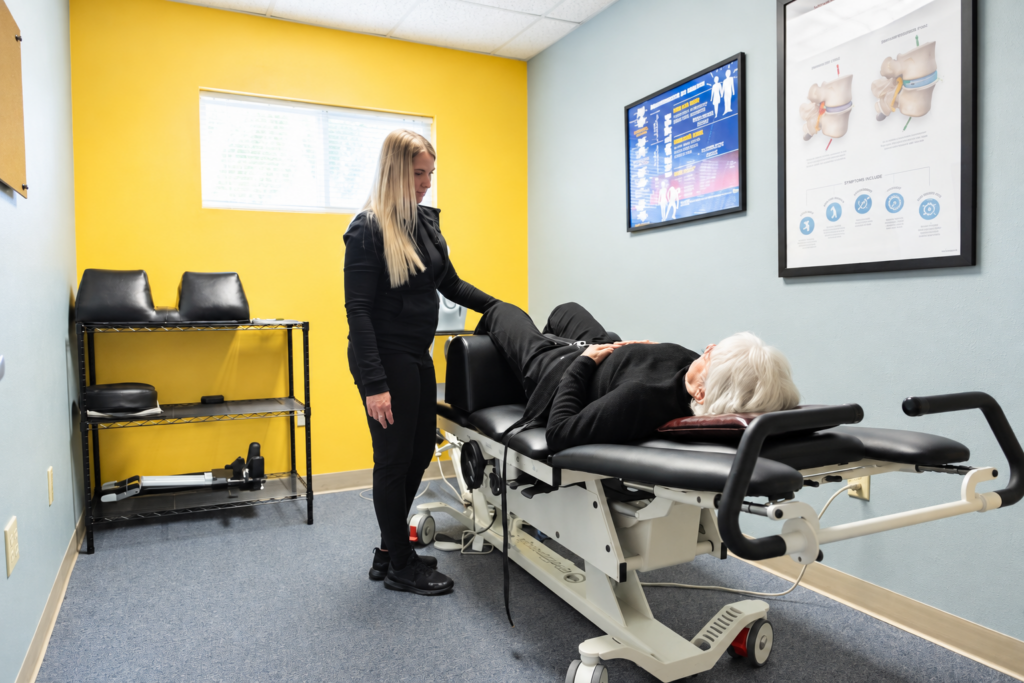
Physical therapy offers a powerful approach to managing back pain without invasive procedures. When you choose physical therapy, you're taking an active step toward understanding your body and how to alleviate discomfort. A skilled physical therapist will assess your specific condition, identifying the underlying causes of your pain. This personalized assessment allows them to create a tailored treatment plan that suits your needs.
During your sessions, you'll engage in various exercises designed to strengthen your back and core muscles. These exercises not only help relieve pain but also improve your overall flexibility and stability. As you progress, you'll notice that these movements become easier, and your confidence will grow as you regain control over your body.
In addition to exercises, your therapist may use techniques such as manual therapy, massage, or heat and ice therapy to further alleviate pain and promote healing. Education plays a key role, too—your therapist will teach you proper body mechanics and posture to prevent future injuries.
You might also explore modalities like ultrasound or electrical stimulation, which can help reduce inflammation and enhance circulation. Throughout the process, you'll work closely with your therapist, allowing for adjustments to your treatment as you improve.
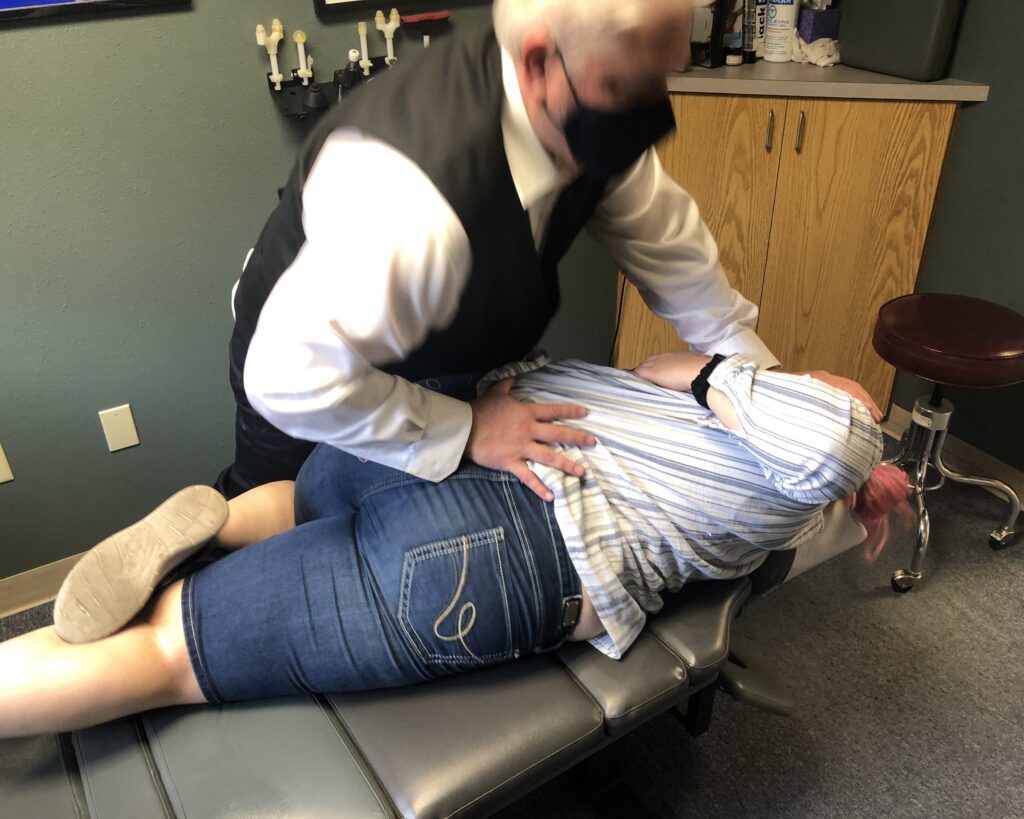
Chiropractic care offers a holistic approach to managing back pain through spinal adjustments and manipulations. When you visit a chiropractor, they'll evaluate your spine's alignment and identify any issues that might be contributing to your discomfort. By realigning your spine, they help restore proper function to your nervous system, which can lead to reduced pain and improved mobility.
You'll often find that chiropractic treatments can address various types of back pain, whether it's from an injury, poor posture, or everyday wear and tear. After a thorough assessment, your chiropractor will create a personalized treatment plan tailored to your specific needs. This plan may include a series of adjustments, muscle strengthening exercises, and lifestyle recommendations.
Most importantly, chiropractic care is non-invasive, meaning you won't have to worry about surgery or medication side effects. Many patients report immediate relief after their sessions, while others experience gradual improvements over time. Regular visits can help maintain your spine's health and prevent future issues, making it a proactive approach to back pain management.
In addition to spinal adjustments, chiropractors often incorporate other therapies, such as massage or heat treatments, to enhance your healing process.
If you're tired of living with back pain, consider consulting a chiropractor. They can provide you with the tools and techniques necessary to regain control of your comfort and overall well-being. With the right care, you can experience a significant reduction in pain and an increase in your quality of life.
Acupuncture
If you're seeking relief from back pain, acupuncture might be an effective option to contemplate. This ancient practice, rooted in Traditional Chinese Medicine, involves inserting thin needles into specific points on your body. The goal is to restore balance and promote healing, which can be particularly beneficial for chronic back pain.
During your acupuncture session, a trained practitioner will assess your condition and determine the best points to target. Many people report feeling relaxed during the treatment, and some even experience a sense of euphoria as endorphins are released. It's a relatively quick process, usually lasting between 30 to 60 minutes, and you may notice improvements after just a few sessions.
Research supports acupuncture's efficacy for back pain relief, with many studies showing significant reductions in pain levels. This non-invasive treatment may also help reduce inflammation and improve your overall mobility. Since acupuncture encourages blood flow and stimulates the body's natural healing processes, it can complement other treatment methods you might be using.
While most people tolerate acupuncture well, it's crucial to consult with your healthcare provider before starting. They'll help determine if it's a suitable option for your specific situation.
Conclusion
To summarize, exploring non-invasive treatments like physical therapy, chiropractic care, and acupuncture can greatly help alleviate your back pain. Each method offers a unique approach, focusing on strengthening your body, restoring alignment, or balancing your energy. By choosing one or a combination of these treatments, you can find relief tailored to your needs. Don't let back pain hold you back—take the first step toward a healthier, pain-free life today!
Discover how spinal decompression therapy helps Gresham patients find non-surgical relief from herniated discs and chronic back pain. Learn if it’s right for you.
Dr. Kuns is likeable and knows his stuff!! Front desk lady and Dr. Kuns assistant are lovely humans!!!! I recommend this clinic to anyone who needs chiropractic care!!!!!! 100%!!!!
Dr. Kuns is amazing! I go in once a month for maintenance adjustments and have felt better ever since. Easy to get in and out. Friendly staff and very accommodating. Highly recommend.
Very friendly and welcoming! Always fast and efficient and very easy to schedule. Been to a many a chiropractor and really found a solid on in Dr. Kuns.
My first appt with Dr. Kuns was great! I was in a lot of pain and had mobility issues going in. I texted them over the weekend and they were able to get me in quickly on Monday afternoon.<br><br>The front desk staff was lovely. They gave me a quick tour of the practice as I walked to meet the doctor. Dr Kuns was very thorough, taking imaging and walking me through what he was looking for and how he was diagnosing the issue. I was in and out in about 20 minutes with immediate relief. I will definitely be back for regular adjustments and I highly recommend Dr. Kuns and his team!
Kuns has taken care of me for a couple different issues that I have delt with in my neck and in my spine over the past few year's. He Is excelent, professional and has a great staff in the office.
Wonderful life-changing clinic. I had extreme pain down my left arm for weeks. Doctor said get massages, didn't help. Went to see Dr. Kuns, he checked me over, took x-rays, and determined I had a pinched nerve. Left my first visit with him with 30% less pain!!! So awesome to feel better. Every visit has left me feeling closer to normal. Really appreciate his approach to healing me up. His team is caring and efficient, they all rock. Thank you!
I originally discovered Dr.Kuns from a social media ad and thankfully he was in network for my insurance. I appreciate the conversation and how comfortable everyone in this office is, as well as being able to fit me in for an adjustment lasy minute really helps. 10/10 recommend 👌
I have been seeing a chiropractor since age 6 and doctor kunes for at least 10 years and in every aspect this man is the apppitome of a great physician that truly cares for your well-being and improving your quality of life<br>I recommend him to everyone I can
Fantastic staff and "doc" is the best. We have been using Kuns Chiropractic since 2000. Dr. Kuns was a Godsend then and still is today. Working through a myriad of back and leg problems as a result of auto accidents was not easy, but Dr. Kuns and staff made the experience first rate. Periodic maintenance to help with endurance bike rides has been beneficial time and time again. Highly recommend them as the last chiropractic clinic you will ever need.
Been going there for years everyone on staff is lovely and helpful, getting set up and treated is a fast and smooth process everything is explained well and Dr.Kun is friendly and knowledgeable treatment is much more affordable than I ever thought professional medical help could be one of th3 best decisions of my life
Dr. Kuns instantly figured out what was wrong with me and cured the biggest problem with my neck. I was impressed directly after the relief he gave me, and on the first day, I can't wait to see what he does next appointment.
Thank you Dr. Kuns for correcting my<br>Lower back, Middle back and rib, and neck injuries! Neck and Lower back are 30 yr. old injuries, and ribs injury was 6 years ago.<br>11 months of adjustments and I am doing much better.<br>Great business model with professional staff made it enjoyable.
I’ve really enjoyed coming here for my chiropractic care it’s in a convenient location for me and they are always accommodating. Ive been coming here for years and plan to continue.
I love visiting Dr Kuns. It’s always a quick in and out and I leave feeling so much better! I especially appreciated the X-rays done at intake which proved that it wasn’t normal back pain, but severely deteriorated discs!!!
I've only been to Doctor Kuns a few times, but believe me when I say that the few times he's worked on me it was like a miracle! The only issue I have is my fault for not seeing him more regularly. I suffer from excruciating back,neck,and shoulder pain, but I felt like a new woman walking out of his office. He's a champion at what he does, and his fee is so reasonable! If you're suffering from pain I absolutely do recommend him! Thank you Doctor Kuns for taking my pain away, and I called to make an appointment today! 😁❤️
Dr Kuns is the best in town hands down! He is so talented and can really help you feel better.<br>He is passionate about what he does, he’s friendly and easy to talk to and has the best bedside manners I’ve ever experienced! I like to call him an angel on earth haha.<br>If you have ever experienced pain so bad that you can hardly move, and or hurts to take a deep breath please see Dr Kuns! You won’t regret it- I send everyone I know to him.<br>Thank you Dr Kuns for everything you’ve taught and healed for me and my father, husband, and friends 🙏🏼
I was in a lot pain with my shoulder and back. That one day at work I couldn't even walk even so a Doctor gave me Dr Kunz number it was the best decision I made now that everything was explained to what was wrong and treatment I doing much better everyday Thank you Dr Kunz
WOW!! This entire experience was just amazing!! Location location - in the heart of Gresham, plenty of parking, clean, well laid out. The staff - stupendous - fun, engaging, smiling, conversation and no bologna. The Doctor - so knowledgeable so willing to teach and direct. The adjustment - Dr. Kuns is obviously proficient in many methods for me it hit perfect. I learned more than expected to learn, my thoughts and needs were considered, the treatment is affordable and it felt like a home town doctor that I have known my whole life!! I feel amazing and highly recommend Kuns to anyone who wants excellence in Chiropractic care.
I had a pinched nerve which has occurred three or four times over the last fifty years. The pain was extremely high but after the first visit it was changed from a 9 to 2 level. My second adjustment resolved the issue. What was different about this visit was Dr<br>Kuns very skilled handling and his approach of not trying to do any up sales, just wanting to resolve the my pain issues. Best experience I have ever had with Chiropractic care. Dr. Kuns is my ACE card I'll hold close to my vest should the need ever arrive.
I'm luke. I am 20 years old. I like to excersice excessively. Two years ago I recieved an injury working out on my bench press. I over looked the problem thinking nothing of it. My injury continued to strain my back muscle severely. Keep in mind if I had already been aware of chiropractors and Dr.kuns personally. I have faith that I would have been taken care of and the problem would have been addressed immediately.<br><br>Well, given that I had waited two years before I fortunately found Dr.kuns. my back muscle was in the state of misery. Given that I am currently 20 years old, not being able to stand up and having pain problems while working fast food, is not a good thing in the slightest.<br><br>Well, it has been a long journey with Dr.kuns, but I have recieved tremendous help and support and I have had nothing except faith throughout this entire process.<br>I have experienced extreme recovery and all around respect with communication addressing the situation. This place gets a recommendation from myself.
Everyone there are pleasant and very professional. But also very relaxing environment. I would highly recommend this place. I went there because of his special first time coupon. And I paid for alot more visits. Mr. Kuns is very easy to talk to. He explains things in terms that you can truly understand. So please go see him!! And see for yourself.
I love this office. They are not in network with my insurance but I choose them anyway. I came in last minute barely able to move my neck. Left feeling so much better…Thank you so much.
I have been privileged to be under the expert care of Dr Kunz for at least 15 years. My pain issues have been at bay for most of those years, and when something creeps up, he takes care of it right away. Danielle has been a wonder worker dealing with insurance companies. Both of them are so caring, kind, professional, smart, helpful, full of fun, laugh at my jokes, sing & dance - oops, I’m getting carried away now. I recommend them completely!
I saw Dr. Kuns after 2 weeks of having constant back issues, and seeing many different chiropractors, with no change in my back health... My sister, who has been a long time client, suggested that I go see Dr.Kuns and see if anything can be done...<br><br>ONE visit and my back felt completely new (I understand if takes many visits to regain full back health) but I cannot even begin to describe how good I felt after one visit.<br><br>Not only did he adjust my back, but he also took X-rays and took me aside and described what was happening with my back and WHY I was feeling pain in certain areas.<br><br>I called to schedule an appointment on Monday, and they were able to see me SAME day. It was amazing.<br><br>If you are waiting to get your back checked out, dont! Call them today.
Amazingly kind staff and very little wait times. Dr.Kuns has the upmost professionalism. He is an amazing chiropractor and always makes my back feel better every time. Had a car crash a few years ago with some pretty serious whiplash, Dr.Kuns did an amazing job correcting the whiplash leaving me with no pain. I will continue to give Kuns Chiropractic my business for years to come.
Dr. Kuns has been my chiropractor for years. He offers other helpful modalities that support adjustments such as massage, e-stim, cold laser, and KT taping. I would recommend Dr. Kuns to anyone looking for chiropractic care.
Dr Kuns and his staff are pleasant, professional, and palliative. I had severe L hip pain and a cervical whiplash following a bad MVA. Dr Kuns and his expert LMTs have restored function and my active lifestyle (for a 70 yr old) in two months of kind, gentle, effective care. The full spectrum of accurate diagnosis and targeted treatment was far beyond the muscle relaxers and Motrin that limited my PCPs ability to “care” for me and absolutely did “cure” my ills. Don’t suffer, see this care team,!
I am continually impressed with the patient care and professionalism at Kuns Chiropractic. I have been a patient for 22 years and I have been well cared for, either with maintenance care or emergency situations. I feel like my well being is important to Dr. Kuns and his office staff.<br>I highly recommend Dr.Kuns to everyone.
I am an anxiety ridden individual and was very nervous about my appt .. I knew I had a problem with my neck. Dr. Kuns was kind and tolerant of my anxiety.. he explained everything so thoroughly! He did my neck diagnosis and adjustment and for the first time in YEARS I felt INSTANT pain relief. We now have a plan of action to get me back on track. It was emotional, I am grateful. This doctor changes lives. I’m looking forward to my treatments! And that’s saying something for someone with anxiety. Thank you Dr. Kuns.
Kuns Chiropractic is my go-to place for chiropractic care. The staff is friendly and helpful, Dr. Kuns is passionate and knowledgeable about his profession, and the massage therapists are outstanding! If you need a chiropractor with real skills, or an affordable therapeutic massage with no up-sell, this is the place to go!
When I first went to see Dr. Kuns, I was in bad shape! I have an old back injury that requires periodic treatment and I had been without insurance for several years so I found a way to live with the pain. A new job and new insurance led me to Dr. Kuns. His knowledgeable staff helped me navigate through the insurance paperwork and with his cutting edge electronic test equipment, he was able to diagnose my problems and develop a treatment plan that worked great for me and was totally within my price range!