
As a local chiropractor, I understand how challenging sports-related back pain can be, and it's crucial to approach it with a proactive mindset. First, let's talk about the importance of evaluating your posture. Proper alignment during your activities can significantly reduce strain on your back. I encourage you to pay attention to how you hold your body while playing sports or exercising.
Next, incorporating stretching into your daily routine is essential. Focus on areas that are commonly tight or prone to discomfort, such as the hamstrings, hip flexors, and lower back. Stretching helps to maintain flexibility and can alleviate tension that contributes to pain.
Additionally, strengthening your core muscles is vital for providing better support to your spine. A strong core stabilizes your body and helps prevent injuries. There are specific exercises I can recommend that target these muscles effectively.
These three steps—evaluating your posture, stretching regularly, and strengthening your core—can significantly improve your condition. If you're unsure how to implement these techniques correctly, I'm here to guide you on your journey to recovery and help you understand the benefits of chiropractic care and natural healing. Let's work together to get you back to enjoying your favorite sports pain-free!
Assess Your Posture
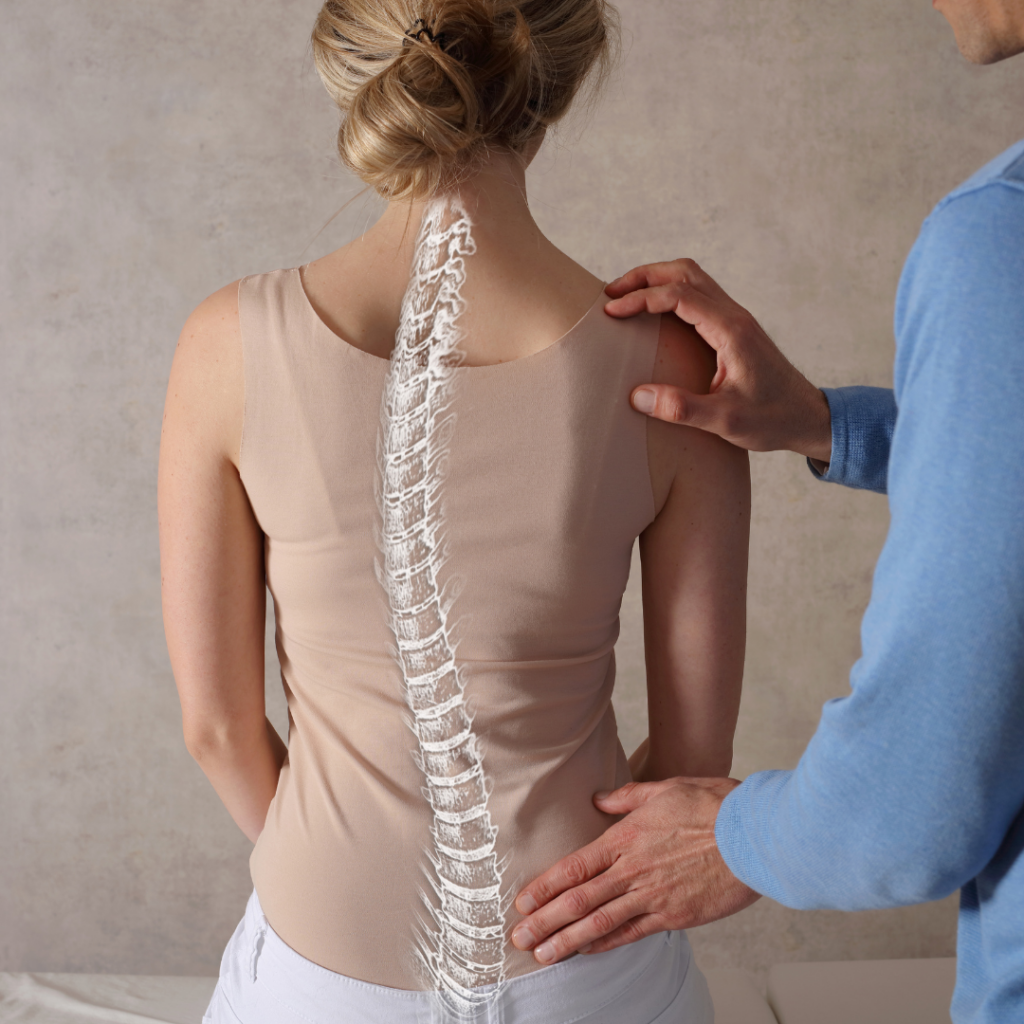
As a local chiropractor, I want to emphasize the importance of evaluating your posture, especially when it comes to preventing and alleviating sports-related back pain. Proper alignment during physical activities is crucial for distributing weight evenly across your spine, which can help reduce unnecessary stress on your back muscles and joints.
Let's start with a simple self-assessment of your posture both in motion and at rest. When you stand, make sure you're tall with your feet shoulder-width apart and your shoulders relaxed. Your ears should be aligned with your shoulders, and your hips should sit directly above your knees and ankles. This alignment is key to supporting your spine.
Next, let's talk about sitting posture. If you find yourself spending long hours at a desk or in a vehicle, it's essential that your chair offers support for your lower back. Ideally, your knees should be level with or slightly lower than your hips.
Be mindful to avoid slouching or leaning forward, as these habits can lead to muscle imbalances and strain over time. When you're standing or moving, aim to keep your weight evenly distributed on both feet and remember to engage your core muscles; this will help stabilize your spine.
During sports activities, maintaining proper posture is equally important. Whether you're running, cycling, or playing a team sport, strive to keep an upright position. If you begin to feel discomfort, take a moment to realign your body and adjust your stance.
By actively monitoring and correcting your posture, you not only enhance your performance but also significantly reduce the risk of developing back pain.
Incorporate Stretching Routines
As a local chiropractor, I want to share important insights on how to effectively alleviate sports-related back pain through the incorporation of regular stretching routines into your daily activities. Stretching is a simple yet powerful practice that can significantly improve your flexibility, promote better blood flow to your muscles, and reduce tension, all of which are vital for maintaining a healthy back.
I recommend setting aside at least 10 to 15 minutes before and after your workouts specifically for stretching. This dedicated time will help target your back and the surrounding muscle groups, providing the care your body needs.
Focus on stretches that are particularly beneficial for the lower back, hamstrings, and hip flexors. For example, the cat-cow stretch is excellent for enhancing spinal flexibility. To perform this, get on all fours and alternate between arching your back upwards while tucking your chin and lowering your belly while lifting your head. This movement not only mobilizes your spine but also helps relieve pressure.
Another beneficial stretch is the seated forward bend. Sit with your legs extended in front of you and gently reach toward your toes, which will help stretch your lower back and hamstrings. Aim to hold each stretch for at least 20 to 30 seconds, and remember to breathe deeply throughout the process to enhance relaxation.
In addition to these static stretches, I encourage you to incorporate dynamic stretches, such as torso twists and side bends, into your warm-up routine. These movements effectively prepare your spine for the physical demands of your sport, ensuring that your body is ready for action.
Always listen to your body during stretching. If you experience pain, it's important to ease back and modify the stretch to suit your comfort level.
By regularly integrating these stretching routines into your regimen, you can't only alleviate current pain but also prevent future issues. This proactive approach will help you perform at your best while minimizing the risk of injury.
Strengthen Core Muscles
As a local chiropractor, I want to share with you the vital role that strengthening your core muscles plays in alleviating sports-related back pain. Your core, which encompasses the muscles in your abdomen, lower back, and pelvis, is fundamental in providing stability and support for your spine. A strong core not only helps to evenly distribute the stress from physical activities but also significantly reduces strain on your back.
To get started, I recommend focusing on exercises that engage multiple core muscles. Planks, bridges, and bird-dogs are excellent options. These movements not only build core strength but also enhance your balance and coordination. Aim to incorporate these exercises into your routine two to three times a week, gradually increasing the intensity as your strength improves.
Additionally, consider including stability exercises using tools like a stability ball or a balance board. These tools are fantastic for challenging your core stability and activating deeper muscle layers that often go unnoticed. It's crucial to maintain proper form during these exercises to prevent injury and ensure you're getting the most benefit from them.
As you develop your core strength, you may notice a reduction in back pain and an overall improvement in your athletic performance. A strong core also contributes to better posture, which further protects your back during sports activities.
Ultimately, combining core strengthening with other strategies, such as stretching and maintaining proper technique, creates a comprehensive approach to preventing sports-related back pain. I encourage you to make core workouts a regular part of your routine, as doing so will lead you toward a healthier and more resilient back.
If you have any questions or need guidance on how to incorporate these exercises safely, feel free to reach out—I'm here to help!
Conclusion
As a local chiropractor, I want to share some essential tips for managing and preventing sports-related back pain. One of the most effective ways to do this is by focusing on your posture. Good posture can significantly reduce the strain on your back during physical activities.
Incorporating regular stretching into your routine is also crucial. Stretching helps maintain flexibility and reduces the risk of injury. Additionally, strengthening your core muscles is vital, as a strong core provides support for your spine and helps maintain proper alignment.
Remember, consistency is key in these practices. By making them a regular part of your lifestyle, you not only enhance your athletic performance but also safeguard your back for the long term. Prioritizing your spinal health is essential, and by doing so, you can fully enjoy your sports activities without the nagging discomfort that can come with them.
I encourage you to start these practices today. Your body will thank you, and you may be surprised by the positive difference they can make in your overall well-being. If you have any questions or need personalized guidance, don't hesitate to reach out to me. Your journey towards a healthier back and a more enjoyable sports experience begins now!