
If you're experiencing back pain during your pregnancy, I want you to know that you're not alone, and there are effective strategies to help you find relief naturally. As a local chiropractor, I often see expectant mothers who are seeking ways to alleviate discomfort without relying solely on medication. By focusing on your posture, incorporating gentle exercises, and practicing relaxation techniques, you can significantly reduce your pain.
Simple lifestyle adjustments can make a noticeable difference; for instance, using supportive pillows while sleeping and applying heat or cold to the affected areas can provide immediate relief. Additionally, prenatal chiropractic care may be a beneficial option for you. This gentle, specialized approach focuses on aligning your spine and pelvis, which can alleviate tension and improve your overall comfort.
As you explore these natural options, you'll find that addressing your back pain is not just about quick fixes—it's about fostering a healthier and more comfortable pregnancy. Let's dive into seven specific tips that can transform your experience and help you feel your best during this special time.
Maintain Good Posture
As a chiropractor, I want to emphasize the importance of maintaining good posture, especially during pregnancy, to help alleviate back pain. Your body undergoes significant changes, particularly with a growing belly, so being mindful of how you sit, stand, and move is crucial. Poor posture can place unnecessary strain on your back muscles, leading to discomfort and pain.
When sitting, aim to keep your feet flat on the floor and your back straight against the chair. If you find it challenging to maintain this position, consider using a cushion or lumbar roll for added support to your lower back. It's essential to avoid slouching or leaning forward, as this can shift your center of gravity and increase pressure on your spine.
While standing, try to distribute your weight evenly across both feet. Keeping your knees slightly bent can help reduce strain on your back. Engaging your core muscles can also provide additional support to your spine.
When walking, visualize a string gently pulling you upward from the top of your head; this mental cue can help you maintain a more aligned and upright posture.
When it comes to lifting objects, always bend your knees instead of your back. Keep the items close to your body and avoid twisting as you lift. This technique not only protects your spine but also aids in managing the weight of your growing belly more effectively.
Use Supportive Pillows
As a local chiropractor, I want to emphasize the importance of using supportive pillows to help manage back pain during pregnancy. Proper pillow placement is crucial for aligning your spine and relieving pressure on your back, which can significantly enhance your comfort while sleeping or resting.
Here are some effective tips for utilizing supportive pillows to their fullest potential:
- Between your knees: When you lie on your side, placing a pillow between your knees can work wonders. This simple adjustment helps keep your hips aligned and reduces strain on your lower back, promoting better spinal alignment.
- Under your belly: As your baby bump grows, adding a pillow under your belly can provide much-needed support and comfort. This support helps alleviate the weight and pressure on your back, making it easier for you to relax.
- Behind your back: When sitting or lounging, consider using a small pillow behind your lower back. This offers extra lumbar support, which is essential for maintaining good posture and alleviating discomfort during long periods of sitting.
I encourage you to experiment with various pillow shapes and sizes to discover what works best for your body. Many expectant mothers find that a body pillow or a specially designed pregnancy pillow offers the most effective support.
Remember, your comfort is paramount during this time. By incorporating supportive pillows into your routine, you can create a more restful environment that helps ease back pain and enhances your overall well-being.
If you have further questions about how chiropractic care can support your health during pregnancy, feel free to reach out!
Engage in Gentle Exercise
As a local chiropractor, I want to emphasize the significant role gentle exercise plays in managing prenatal back pain.
Integrating specific exercises and stretching techniques into your daily routine can greatly enhance the strength of your back and improve your overall flexibility, which is crucial during pregnancy.
Let's delve into some safe and effective options that can help alleviate discomfort and promote a healthier pregnancy experience.
It's important to consider these natural methods for pain relief and overall well-being, especially when you're unfamiliar with chiropractic care.
Recommended Exercises
As a local chiropractor, I often see expectant mothers struggling with prenatal back pain. It's important to understand that gentle exercise can play a significant role in alleviating discomfort by strengthening the muscles that support your spine.
Incorporating specific movements into your daily routine can also improve your posture, enhance flexibility, and help reduce pain. Here are some exercises I recommend:
- Pelvic tilts: To perform this exercise, stand against a wall with your feet about shoulder-width apart. Gently tilt your pelvis forward and backward to engage your lower back and abdominal muscles. Aim for 10-15 repetitions. This simple movement can help stabilize your spine.
- Cat-cow stretches: Start on your hands and knees in a tabletop position. As you inhale, arch your back (like a cat) and then, as you exhale, lower your belly while lifting your head and tailbone (like a cow). This dynamic stretch not only increases flexibility but also alleviates tension in your back. Try to complete 5-10 cycles.
- Wall sits: Stand with your back against a wall and slowly slide down into a sitting position, ensuring your knees are aligned with your ankles. Hold this position for 10-15 seconds before rising. This exercise strengthens your legs and offers support to your back, which can be incredibly beneficial during pregnancy.
Always pay attention to how your body feels during these exercises.
I highly recommend consulting with your healthcare provider before starting any new exercise program, especially during pregnancy.
Stretching Techniques
As a chiropractor, I want to emphasize the importance of incorporating stretching techniques into your routine, especially during pregnancy.
These gentle, targeted stretches can significantly enhance your comfort and help alleviate back pain that many expectant mothers experience. By improving flexibility and circulation, stretching can make daily activities much easier.
One effective stretch I recommend is the cat-cow stretch. To perform this, get on your hands and knees, ensuring your wrists are aligned under your shoulders and your knees under your hips.
As you inhale, arch your back and look up, then exhale and round your spine while tucking your chin. Repeat this sequence several times to relieve tension and discomfort in your back.
Another beneficial stretch is the seated forward bend. Sit on the floor with your legs extended in front of you.
Inhale deeply, and as you exhale, lean forward from your hips, reaching toward your toes. Hold this position for 15-30 seconds, focusing on your breath. This stretch can alleviate tightness in your lower back and improve your overall flexibility.
Additionally, incorporating side stretches into your routine can be very helpful. Stand with your feet hip-width apart, raise one arm overhead, and lean gently to the opposite side.
Hold this position for a few breaths before switching sides. Regular stretching can make a significant difference in managing prenatal back pain and enhancing your overall well-being during this unique time in your life.
Embracing these natural healing techniques can support your journey through pregnancy and help you feel more comfortable.
Practice Relaxation Techniques
As a local chiropractor, I understand that pregnancy brings about a host of physical and emotional changes, and many of my patients experience back pain during this time. I want to share some relaxation techniques that can provide significant relief and enhance your overall well-being without relying solely on medication.
Incorporating relaxation methods into your daily routine can't only calm your mind but also alleviate muscle tension that contributes to discomfort. Here are a few effective techniques to consider:
- Deep Breathing: This is a fundamental practice that can be easily integrated into your day. Focus on your breath—inhale deeply through your nose, hold it for a moment, and then exhale slowly through your mouth. Deep breathing helps to reduce stress levels and promotes relaxation in your muscles.
- Progressive Muscle Relaxation: This technique involves systematically tensing and then relaxing each muscle group, starting from your toes and moving up to your head. It helps you recognize areas of tension and encourages a full-body release, which can be especially beneficial for managing back pain.
- Guided Imagery: Picture yourself in a serene setting, such as a beach or a tranquil forest. Engage your senses by imagining the sounds, smells, and feelings associated with that place. This mental exercise can serve as a powerful distraction from discomfort and significantly reduce stress levels.
By incorporating these relaxation techniques into your daily routine, you can greatly enhance your well-being throughout your pregnancy.
Dedicate just a few minutes each day to practice these methods, and you may notice a decrease in your back pain while fostering a greater sense of calm.
Apply Heat or Cold
As a local chiropractor, I want to share some valuable insights about managing prenatal back pain, particularly through the use of heat and cold therapy.
Many expectant mothers may not be familiar with these natural healing methods, but they can offer significant relief.
Heat therapy is excellent for soothing tight muscles and improving circulation, which can be especially beneficial during pregnancy when your body is undergoing numerous changes.
On the other hand, a cold compress is effective for reducing inflammation and numbing sharp pain, which can be a common complaint during this time.
Understanding when to apply heat and when to use cold can empower you to manage discomfort more effectively.
If you're unsure about how to incorporate these techniques into your routine, I encourage you to reach out; I'm here to help guide you through personalized strategies that support your journey to wellness.
Benefits of Heat Therapy
As a local chiropractor, I often see patients seeking relief from prenatal back pain, a common discomfort many expectant mothers experience. One of the natural and effective methods I recommend is heat therapy. It can provide soothing relief, especially during those long days when discomfort seems to persist.
By applying heat, you can increase blood flow, relax tight muscles, and reduce stiffness, all of which contribute to your overall comfort. Here are some effective ways to incorporate heat therapy into your routine:
- Heating Pads: A heating pad set on a low setting can work wonders. Apply it to the affected area for about 15-20 minutes, ensuring you place a cloth between your skin and the pad to prevent burns.
- Warm Baths: Taking a warm bath isn't only relaxing but also helps alleviate tension in your back. For added benefits, consider adding Epsom salts to the water, which can enhance the soothing effects.
- Warm Towels: You can create a simple yet effective heat pack by moistening a towel and warming it in the microwave for a few seconds. Once it's comfortably warm (not hot), wrap it around your lower back for targeted relief.
Always pay attention to how your body feels when using heat therapy, and avoid prolonged exposure. If you experience any adverse effects, I encourage you to reach out to your healthcare provider for guidance.
Embracing heat therapy can be a wonderful way to find comfort as you navigate through the beautiful journey of pregnancy!
Cold Compress Advantages
As a chiropractor, I often emphasize the importance of a holistic approach to managing prenatal back pain, and one effective method is the use of cold compresses.
While many people are familiar with the soothing effects of heat therapy, cold compresses can provide equally valuable benefits. Applying a cold compress can help reduce inflammation and numb the affected area, which may alleviate discomfort. This is particularly useful when you experience sudden, sharp pain or swelling, as a cold pack can quickly become an essential tool in your pain management arsenal.
To use a cold compress correctly, I recommend wrapping ice or a cold pack in a thin cloth and applying it to your lower back for about 15 to 20 minutes. It's important to take breaks between applications to prevent skin irritation. You can repeat this process several times a day, especially after activities that exacerbate your pain.
The numbing effect of cold therapy can also be beneficial for muscle spasms, offering a calming relief that encourages relaxation.
One of the great advantages of using a cold compress is its convenience; you don't need any specialized equipment, just common items you likely have at home.
Incorporating cold therapy into your routine can be a simple yet effective way to manage pain and discomfort during your pregnancy.
If you have any questions about how to integrate this into your overall care plan or if you're seeking more tailored approaches to alleviate your back pain, please feel free to reach out to me.
Consider Prenatal Massage
As a local chiropractor, I want to introduce you to the incredible benefits of prenatal massage and how it can play a pivotal role in alleviating back pain during your pregnancy. This therapeutic approach is designed to relieve tension and discomfort in your muscles, making it an excellent option for expectant mothers.
Beyond just alleviating back pain, prenatal massage can enhance circulation, reduce stress levels, and promote an overall sense of well-being.
Here are a few key benefits of prenatal massage that you might find valuable:
- Targeted Pain Relief: Our specialized massage techniques focus on the specific areas where you may be experiencing discomfort. This targeted approach not only provides immediate relief but also promotes relaxation throughout your body.
- Improved Sleep Quality: By effectively reducing tension and anxiety, prenatal massage can help you achieve a more restful night's sleep, which is vital for your health and well-being during pregnancy.
- Enhanced Emotional Health: The soothing nature of massage can significantly elevate your mood and emotional state, making your pregnancy journey more enjoyable and fulfilling.
If you're considering prenatal massage, I encourage you to seek out a certified massage therapist who specializes in working with pregnant women.
These professionals are trained to modify their techniques to ensure both your safety and comfort, as well as that of your baby. Communication is key, so be sure to express any specific needs or areas of concern during your session.
It's crucial that you feel relaxed and secure throughout the experience.
Incorporating regular prenatal massages into your routine can be an effective strategy for managing back pain and enhancing your overall pregnancy experience.
This holistic approach allows you to focus on the joys of expecting your little one while preparing for their arrival.
As a chiropractor, I'm here to support you on this journey toward natural healing and wellness.
Consult a Healthcare Professional
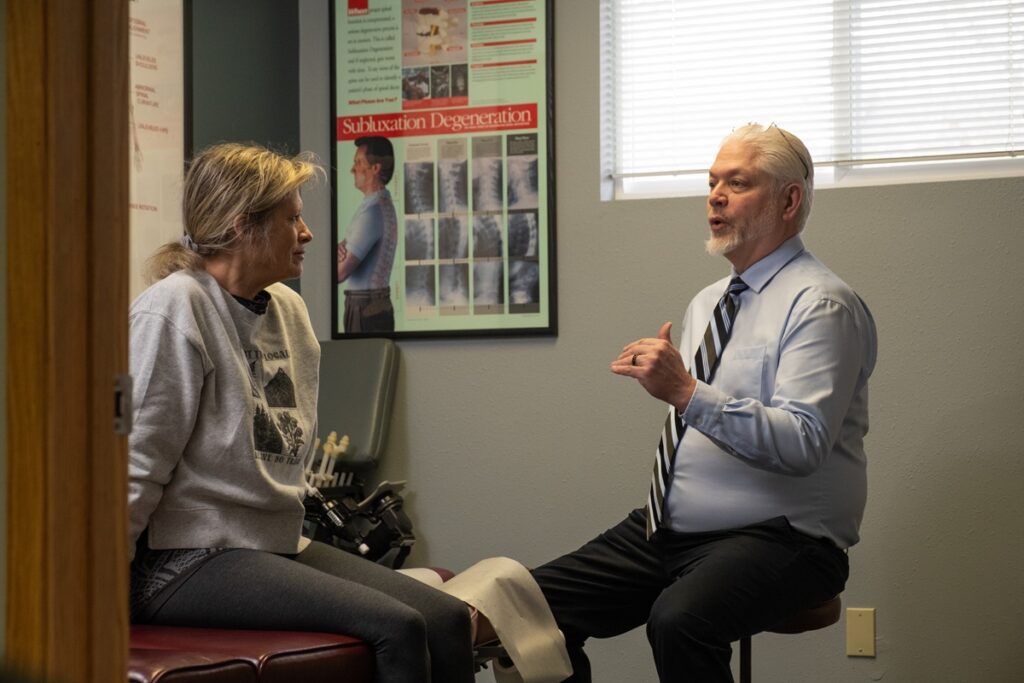
As a local chiropractor, I want to emphasize the importance of consulting a healthcare professional, especially when it comes to managing prenatal back pain. Chiropractic care offers a natural and holistic approach to alleviating discomfort during pregnancy, and I'm here to guide you through this process.
If you're experiencing back pain while expecting, I encourage you to reach out to a chiropractor who specializes in prenatal care. We take into account your medical history and the unique changes your body undergoes during this special time. It's essential to have a tailored treatment plan that addresses your specific situation.
During your visit, we'll discuss your symptoms in detail. I'll ask you about when the pain occurs, its intensity, and any activities that seem to worsen it. This information is crucial in identifying the underlying cause of your discomfort.
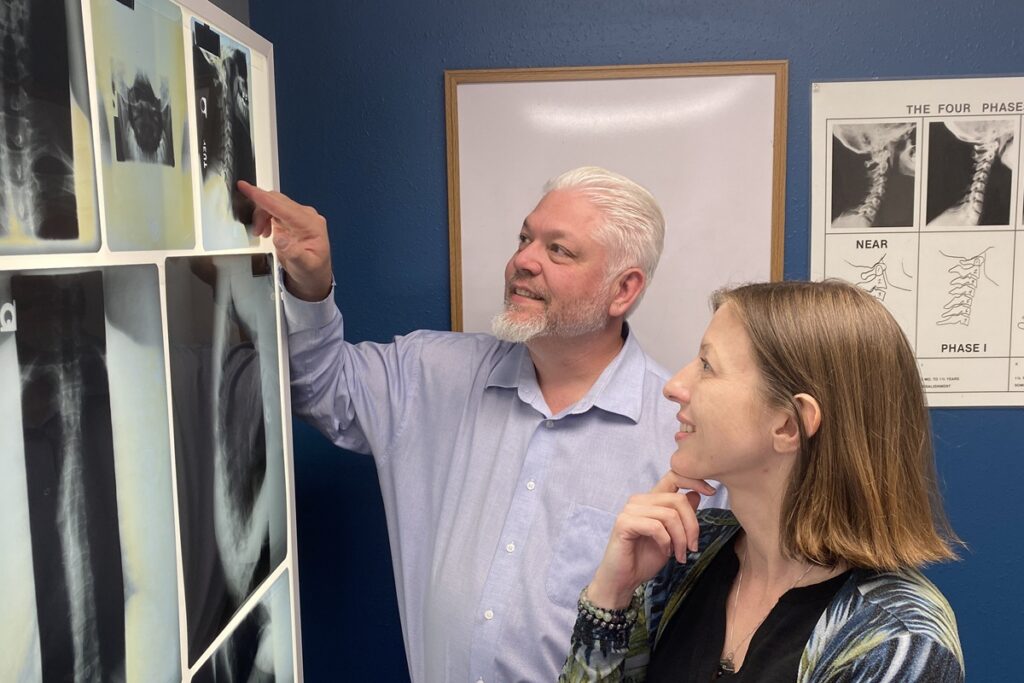
A physical examination will also help us assess your posture, spinal alignment, and muscle strength. Based on our findings, I may recommend specific chiropractic adjustments, exercises, or stretches that are safe for you during pregnancy.
Additionally, we can discuss modifications to your daily activities that can help alleviate strain on your back. If necessary, I can also refer you to trusted specialists, such as massage therapists who've experience working with pregnant individuals.
Maintaining open communication with your chiropractor is key. If your pain worsens or if you notice any new symptoms, please don't hesitate to schedule another appointment.
My goal is to support you in your journey to a comfortable pregnancy, ensuring both your health and your baby's well-being. By choosing chiropractic care, you're taking a proactive step toward managing your prenatal back pain in a natural and effective way.
Conclusion
As a local chiropractor, I want to share with you seven effective strategies to help alleviate prenatal back pain and improve your comfort throughout your pregnancy. First and foremost, maintaining good posture is crucial; it can help reduce strain on your back. Additionally, using supportive pillows can provide the necessary support for your body as it changes.
Gentle exercises tailored for pregnant individuals can also be incredibly beneficial. These exercises promote strength and flexibility, which are essential during this time. Incorporating relaxation techniques into your routine can further enhance your comfort levels.
Applying heat or cold to the affected areas can offer instant relief, and I often recommend considering prenatal massages as well, as they can significantly ease tension and discomfort.
If your pain persists, I encourage you to consult a healthcare professional, such as a chiropractor, who specializes in prenatal care. We can work together to create a personalized plan that prioritizes your well-being and that of your baby. Remember, taking care of yourself is not just important for you, but for your little one as well!