
As a local chiropractor, I want you to know that if you're suffering from chronic back pain, you're not alone. Many individuals face this challenge, but there are effective, natural strategies we can implement to help you find relief.
First and foremost, incorporating regular exercise and proper stretching into your routine can significantly improve your flexibility and reduce tension in your back. It's essential to keep your body moving and to engage in activities that promote strength and stability.
In addition to exercise, optimizing your workspace is crucial. Ensuring that your desk and chair are ergonomically designed can help prevent strain on your back as you go about your daily tasks.
Don't underestimate the power of heat and cold therapy, either. Applying heat can soothe tight muscles, while cold therapy can help reduce inflammation and numb sharp pain.
But there's more to consider. Mindfulness techniques, such as meditation and deep breathing, can greatly enhance your overall well-being and help you manage pain more effectively.
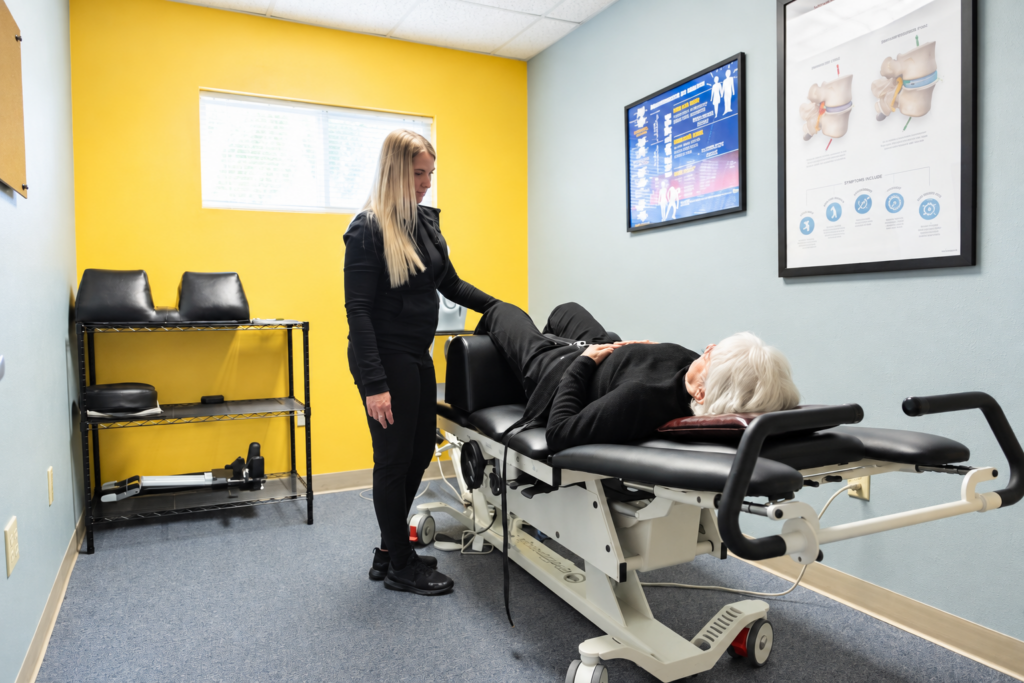
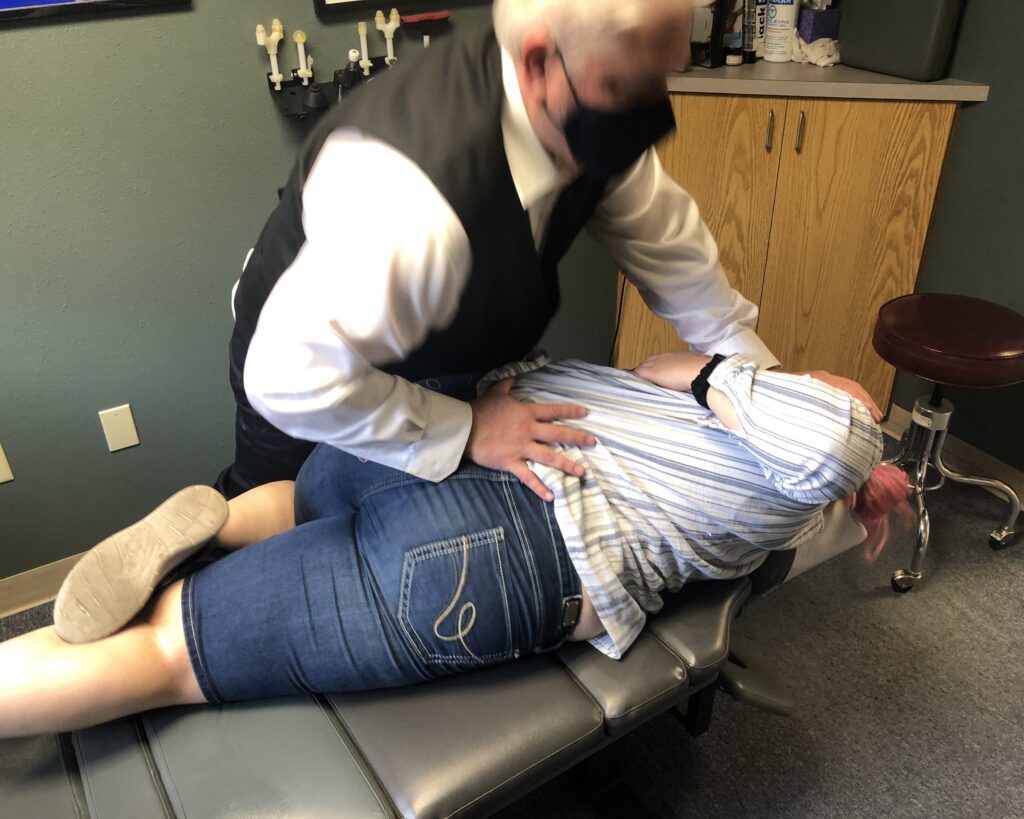
Lastly, professional treatments like chiropractic care play a vital role in your recovery. By addressing the underlying issues in your spine and musculoskeletal system, we can work together to create a personalized plan that promotes long-lasting relief.
I invite you to explore these strategies with me, as we work toward a healthier, pain-free future together.
Regular Exercise
As a chiropractor, I want to emphasize the transformative power of regular exercise for alleviating back pain. When you integrate movement into your daily life, you help strengthen the muscles that support your spine, leading to better posture and less strain on your back.
It's crucial to choose exercises that resonate with you personally; when you enjoy the activity, you're more likely to stick with it and experience long-term benefits.
I often recommend starting with low-impact activities such as walking or swimming. These exercises are gentle on your joints while providing significant cardiovascular advantages.
As you grow more comfortable, think about incorporating strength training into your regimen. Targeting your core is particularly important, as a strong core stabilizes and supports your spine. Exercises like planks, bridges, and gentle yoga poses can make a significant difference in your back health.
Don't overlook the importance of flexibility. Including stretching in your routine helps maintain mobility in your back and eases tension in the surrounding muscles. Simple stretches can easily be performed daily and don't require much time.
Always pay attention to your body; if something is causing pain, it's essential to modify or skip that exercise.
Consistency is vital for effective results. Aim for at least 30 minutes of moderate exercise on most days of the week. You may be surprised at how even minor changes, such as opting for stairs instead of the elevator, can contribute to your overall progress.
With dedication and the right exercises, you can significantly reduce back pain and enhance your quality of life. Remember, as your chiropractor, I'm here to help guide you on this journey toward better health through natural healing and movement.
Proper Posture
As a local chiropractor, I want to emphasize the importance of proper posture in alleviating back pain. One of the first steps you can take is to create an ergonomic workspace that not only supports your back but also promotes healthy alignment. This means adjusting your chair, desk, and computer screen to fit your body comfortably.
Moreover, I encourage you to practice mindful sitting techniques throughout the day. Being aware of your posture can make a significant difference in how you feel.
By maintaining a healthy posture, you can reduce strain on your spine and improve your overall well-being. Remember, chiropractic care focuses on natural healing, and good posture is a fundamental aspect of that journey.
Let's work together to help you achieve better health!
Ergonomic Workspace Setup
As a local chiropractor, I want to emphasize the importance of creating an ergonomic workspace to support your overall health and well-being. A well-designed work environment can significantly reduce discomfort and prevent issues like back pain that many people experience.
Here are three critical elements to consider when setting up your workspace:
- Chair Height: It's crucial that your chair allows your feet to rest flat on the floor, with your knees forming a right angle. This position promotes proper alignment of your spine and helps alleviate unnecessary strain on your muscles and joints.
- Desk Height: Your desk should be at a height that aligns with your elbows when seated. This ensures your arms can rest comfortably while you type, avoiding the tendency to lean forward or hunch over, which can lead to increased strain on your back and neck.
- Monitor Position: Position your computer monitor at eye level, approximately an arm's length away from you. This setup helps prevent neck strain and encourages a more upright posture, which is essential for maintaining spinal health.
In addition to these adjustments, keeping your workspace organized and clutter-free can facilitate easy movement and reduce stress.
Consider investing in ergonomic tools, like keyboard trays and footrests, to further enhance your support. By implementing these changes, you can significantly lower your risk of developing chronic back pain, ultimately making your work hours more comfortable and productive.
Mindful Sitting Techniques
As a local chiropractor, I want to share some essential tips for maintaining proper posture while sitting, which is crucial for preventing back pain. Even if you have an ergonomic workspace, it's important to be mindful of how you position yourself.
Start by sitting all the way back in your chair, ensuring that your back is well-supported. Your feet should rest flat on the floor or on a footrest, and your knees should be at or slightly below hip level. This position helps distribute your weight evenly and minimizes strain on your back.
Pay attention to your shoulders—keep them relaxed and close to your body, forming a 90-degree angle at your elbows. It's important for your wrists to remain straight, with your hands hovering comfortably above the keyboard. Be aware of any tendencies to lean forward or hunch your shoulders, as these habits can lead to tension and discomfort over time.
I also encourage you to take regular breaks. Stand up, stretch, and walk around every 30 to 60 minutes. This practice promotes circulation and alleviates muscle tension, which is key to maintaining a healthy spine.
Additionally, practicing mindfulness while sitting—being conscious of your posture and making adjustments as needed—can significantly reduce your risk of back pain. By incorporating these mindful sitting techniques into your daily routine, you'll create a healthier environment for your back and enhance your overall comfort while working.
Heat and Cold Therapy
As a local chiropractor, I want to share how heat and cold therapy can be valuable tools in managing back pain. Many patients are unfamiliar with these natural healing methods, but understanding how to use them effectively can significantly enhance your comfort and aid in your recovery.
Here are three approaches to applying heat and cold therapy for back pain relief:
1. Heat Application: Utilizing a heating pad or a warm towel can be incredibly beneficial for relaxing tense muscles and promoting blood flow to the affected areas.
I recommend applying heat for about 15-20 minutes at a time. Be sure it's warm, but not too hot, to prevent any burns. This gentle warmth can ease discomfort and help your body heal.
2. Cold Compress: Cold therapy is particularly effective for minimizing inflammation and numbing sharp pain sensations. A cold pack or even a bag of frozen vegetables wrapped in a towel can serve this purpose well.
Apply the cold compress for 15-20 minutes several times a day, especially after activities that may strain your back. This can provide immediate relief and help reduce swelling.
3. Alternating Therapies: In many cases, alternating between heat and cold can yield the most effective results.
Begin with cold therapy to tackle inflammation, then switch to heat to alleviate muscle stiffness. This combination not only addresses multiple aspects of pain but also supports your body's natural healing processes.
Incorporating these methods into your routine can be a great complement to chiropractic care, helping you manage pain and enhance your overall well-being.
If you have any questions about how to implement these therapies safely or effectively, feel free to reach out during your next visit!
Stretching Techniques
As a local chiropractor, I want to emphasize the significance of stretching techniques in alleviating back pain and enhancing your flexibility. Incorporating regular stretching into your daily routine can help release tension in your muscles, improve circulation, and promote better posture. Stretching not only loosens tight muscles but also enhances your overall mobility, which is crucial for preventing future discomfort.
Let's focus on some gentle stretches that specifically target your back, hips, and legs. One effective stretch I recommend is the cat-cow stretch. To perform this, get on all fours. As you inhale, arch your back upward (this is the "cat" position), and then as you exhale, lower your belly toward the ground (the "cow" position). Repeat this sequence several times to gently warm up your spine.
Another beneficial stretch is the child's pose. Kneel on the floor, sit back on your heels, and extend your arms forward. Hold this position for 30 seconds to a minute while taking deep breaths. This stretch helps to relax your back and promote a sense of calm.
Don't forget the hamstring stretch, which is particularly effective in alleviating tension in your lower back. While seated, extend one leg straight out in front of you, keeping the other leg bent. Reach toward your toes on the extended leg, and you should feel a gentle stretch in your hamstring. Hold this position for 15-30 seconds, then switch legs.
It's essential to listen to your body while you stretch. Avoid pushing yourself too hard; the aim is to feel a gentle pull, not pain. I recommend a stretching routine of at least 10-15 minutes daily.
Over time, you'll likely notice increased flexibility and a reduction in back pain. Embracing these techniques can be a pivotal step toward achieving a more comfortable and active lifestyle.
Mindfulness and Relaxation
As a local chiropractor, I want to emphasize the importance of incorporating mindfulness and relaxation techniques into your daily routine to help alleviate back pain and enhance your overall well-being. Many patients may not realize that managing stress is essential for maintaining a healthy spine and body connection.
Here are three effective methods I recommend to help you get started:
- Deep Breathing: I encourage you to take a few minutes each day to focus on your breath. Inhale deeply through your nose, allowing your abdomen to expand, and then exhale slowly through your mouth. This simple yet powerful exercise can help calm your nervous system, reduce tension in your back muscles, and promote relaxation.
- Meditation: Setting aside time for mindfulness meditation can be incredibly beneficial. Find a quiet space, sit comfortably, and focus on your breath or a calming mantra. Even dedicating just 10 minutes a day to this practice can help clear your mind, alleviate pain, and foster a sense of calm, which is vital for healing.
- Progressive Muscle Relaxation (PMR): PMR is a technique I often recommend to my patients. It involves tensing and then relaxing each muscle group in your body, starting from your toes and moving upward. This practice not only increases your awareness of physical tension but also teaches you how to release it, providing significant relief for your back.
By integrating these mindfulness and relaxation techniques into your routine, you can create a positive feedback loop that alleviates stress and discomfort, ultimately enhancing your quality of life.
Start small and gradually incorporate these practices into your day. You may notice a remarkable improvement in how you feel, both physically and mentally, and it complements the chiropractic care I provide to support your journey toward natural healing.
Ergonomic Adjustments
As your local chiropractor, I want to emphasize how making ergonomic adjustments to your workspace can significantly enhance your back health. Many of us spend hours seated at a desk, and the way we set up our environment can be crucial in preventing discomfort and promoting overall wellbeing.
First and foremost, selecting the right chair is essential. Look for one that offers lower back support and is adjustable to accommodate your unique body shape. Ideally, your feet should rest flat on the floor, or you can use a footrest if needed to maintain proper alignment.
Next, let's talk about desk height. It's important that your elbows are at a 90-degree angle while you're typing, with your forearms parallel to the ground. An improperly positioned desk can lead to strain in your back and shoulders, so consider using a keyboard tray if necessary to achieve this angle and keep your wrists in a neutral position.
Your computer screen's position is also critical. It should be at eye level to prevent neck strain. You shouldn't have to tilt your head up or down to view the screen comfortably. Keeping the monitor about an arm's length away will help reduce eye strain and encourage good posture.
Don't overlook your sitting posture! Sit all the way back in your chair, ensuring your back is straight and your shoulders are relaxed.
I recommend taking breaks every hour to stand, stretch, and move around. These simple habits can alleviate tension and promote healthy circulation, which are vital for maintaining a healthy spine.
By making these ergonomic adjustments, you can help protect your back and overall health while working. Remember, your body deserves to be comfortable and supported, especially during those long hours at the desk.
If you have further questions or need personalized advice, feel free to reach out to me!
Professional Treatments
As a local chiropractor, I want to share how seeking professional treatments can truly transform your experience with back pain. You don't have to endure discomfort alone; I'm here to offer targeted solutions designed specifically for you.
Let's explore three effective treatments that can make a difference:
- Chiropractic Care: My primary focus is on hands-on spinal manipulation and other techniques to align your body's musculoskeletal structure. This can help relieve pain, improve function, and support your body's natural healing processes. Together, we'll create a personalized plan that addresses your unique needs.
- Physical Therapy Collaboration: In addition to chiropractic adjustments, I often work alongside licensed physical therapists to enhance your recovery. They can develop a tailored exercise program that strengthens your back, increases flexibility, and alleviates pain, ensuring a comprehensive approach to your care.
- Acupuncture Integration: While my specialty is chiropractic care, I also recognize the benefits of complementary therapies like acupuncture. This traditional Chinese medicine technique involves the insertion of thin needles at specific points to promote healing and reduce pain. I'm happy to discuss how these methods can work together for your benefit.
Each of these treatments offers unique benefits, and the right choice often depends on the specifics of your condition. I encourage you to consult with me during your visit so we can evaluate your pain level, medical history, and lifestyle.
This thorough assessment will help us create a treatment plan that's right for you. Many of my patients find that combining treatments, such as chiropractic care with physical therapy, accelerates their recovery.
Conclusion
As a local chiropractor, I want to share with you seven effective strategies that can help alleviate chronic back pain and improve your overall well-being. It's essential to understand that regular exercise, maintaining proper posture, and making ergonomic adjustments to your workspace can lay a strong foundation for pain relief.
Incorporating stretching techniques into your daily routine is also crucial, as it helps maintain flexibility and reduces tension in your muscles. Additionally, using heat and cold therapy can provide immediate relief and help manage inflammation.
Mindfulness practices, such as meditation and deep breathing, can further enhance your healing journey by reducing stress and promoting relaxation. Lastly, seeking professional chiropractic care allows for personalized treatment tailored to your unique needs, helping to address the root causes of your pain.
By taking an active role in your health and implementing these strategies, you can pave the way toward a more comfortable and fulfilling life. Remember, I'm here to support you on this journey to better health!