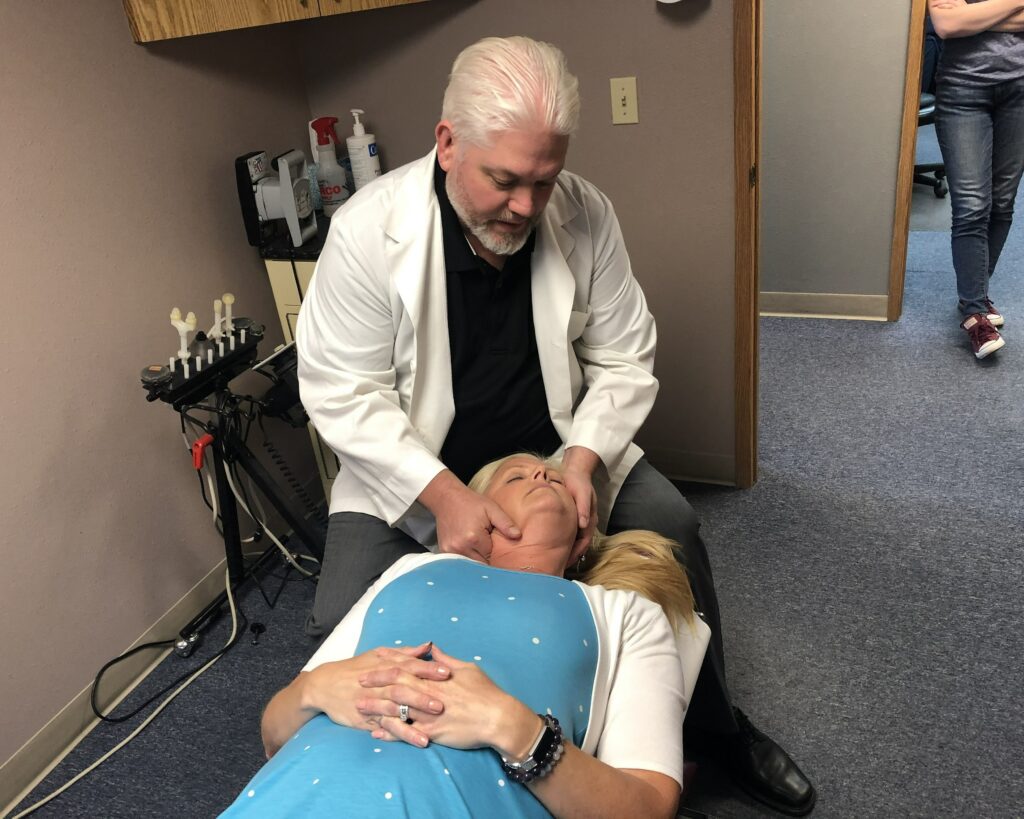

If you're struggling with chronic tension headaches, you might be surprised to learn that relief often lies outside the domain of typical medications. Techniques like mindfulness and meditation can help you identify stress triggers before they escalate, while certain dietary adjustments may play an essential role in reducing headache frequency. Furthermore, alternative therapies such as acupuncture and massage could offer unique benefits. As you explore these options, you'll discover that the solutions may be more accessible than you think, leading you to reflect on what might work best for your situation.
Mindfulness and Meditation Techniques
When it comes to managing chronic tension headaches, mindfulness and meditation techniques can offer significant relief. These practices help you cultivate awareness of your body and mind, allowing you to recognize tension before it escalates into a headache. By focusing on the present moment, you can reduce stress and promote relaxation, which are key factors in alleviating headache symptoms.
One effective technique is deep breathing. Find a quiet space, sit comfortably, and take slow, deep breaths. Inhale through your nose, allowing your abdomen to expand, and exhale through your mouth. As you breathe, visualize tension leaving your body with each exhale. This simple practice can ground you, helping to release built-up stress.
Another approach is progressive muscle relaxation. Start by tensing and then relaxing each muscle group, beginning with your toes and moving up to your head. This technique helps you become aware of areas of tension, enabling you to consciously release it. You might find that as you relax your muscles, your headaches diminish.
Incorporating mindfulness meditation into your daily routine can also be beneficial. Set aside a few minutes each day to sit quietly and focus on your breath. If your mind wanders, gently bring your focus back to your breathing. This practice enhances your ability to manage stress and fosters overall well-being.
Dietary Changes for Relief
Mindfulness practices can create a solid foundation for managing chronic tension headaches, but dietary changes also play an essential role in finding relief. What you eat can greatly impact your headache frequency and intensity.
Start by paying attention to your hydration. Dehydration is a common trigger, so make certain you're drinking enough water throughout the day. Aim for at least eight glasses, and consider increasing this amount if you're active or live in a hot climate.
Next, focus on your diet. Incorporate more whole foods, like fruits, vegetables, whole grains, and lean proteins. Foods rich in magnesium—such as spinach, nuts, and whole grains—can help alleviate headaches. Omega-3 fatty acids found in fish like salmon and flaxseeds may also reduce inflammation and tension.
Be cautious with processed foods, as they often contain additives and preservatives that can trigger headaches. Common culprits include aged cheeses, caffeine, and certain artificial sweeteners. Keep a food diary to identify any specific triggers in your diet.
Regular meal patterns matter too. Skipping meals or going too long without eating can lead to headaches. Make certain you're eating balanced meals at consistent intervals to maintain stable blood sugar levels.
Lastly, consider an elimination diet if you suspect food sensitivities. Gradually remove potential triggers and then slowly reintroduce them to see how your body reacts.
Making these dietary adjustments can greatly contribute to reducing the frequency and severity of your chronic tension headaches.
Physical Therapy Approaches
Physical therapy approaches can be incredibly effective in managing chronic tension headaches. When you engage with a physical therapist, you'll gain personalized strategies that address your specific pain triggers and symptoms. These professionals evaluate your posture, muscle tension, and movement patterns, helping you understand how they contribute to your headaches.
One key component of physical therapy is manual therapy. This hands-on technique involves the therapist manipulating your muscles and joints to relieve tension and improve mobility. You may experience significant relief as they work on tight areas in your neck, shoulders, and upper back.
Additionally, stretching routines tailored to your needs can enhance flexibility and reduce muscle tightness, which is essential for headache management.
Another effective method is therapeutic exercise. Your therapist will design a program focused on strengthening muscles that support your neck and spine. By increasing strength in these areas, you may find that you're less prone to tension headaches.
Breathing exercises and relaxation techniques are often integrated into your sessions, helping you manage stress, a common headache trigger.
Don't underestimate the value of education in these sessions. Your therapist will teach you about body mechanics and ergonomics, empowering you to make small changes in your daily activities to prevent headaches from recurring.
Alternative Therapies to Consider
Exploring alternative therapies can complement the benefits gained from physical therapy in managing chronic tension headaches. You might find that certain approaches not only provide relief but also enhance your overall well-being.
One popular alternative is acupuncture. This ancient practice involves inserting thin needles into specific points on your body, promoting relaxation and reducing pain. Many people report considerable relief from tension headaches after sessions, so it's worth considering if you're open to trying new treatments.
Another option is massage therapy. Regular massages can help alleviate muscle tension and improve circulation, especially in the neck and shoulders, which are common trigger areas for headaches. You might want to experiment with different styles, such as deep tissue or trigger point therapy, to find what works best for you.
Herbal remedies also present a potential avenue for relief. Supplements like butterbur and feverfew have been shown to reduce the frequency of headaches for some individuals. However, it's vital to consult with your healthcare provider before starting any new supplement to guarantee safety and effectiveness.
Lastly, yoga and mindfulness practices can greatly contribute to headache management. These techniques promote relaxation, reduce stress, and improve your body awareness, which can help you identify and alleviate tension before it escalates into a headache.
Lifestyle Adjustments for Prevention
Making simple lifestyle adjustments can greatly reduce the frequency and intensity of chronic tension headaches. Start by examining your daily routine. Are you sitting for long periods? If so, incorporate regular breaks to stretch and move around. This can relieve muscle tension in your neck and shoulders, which is often a trigger for headaches.
Next, pay attention to your hydration levels. Dehydration can lead to headaches, so make it a habit to drink enough water throughout the day. Aim for at least eight glasses daily, and even more if you're active or in a hot environment.
Sleep is another essential factor. Establish a consistent sleep schedule by going to bed and waking up at the same times each day. Aim for seven to nine hours of quality sleep per night to help your body recover and reduce headache triggers.
You should also manage stress effectively. Consider integrating relaxation techniques, such as deep breathing exercises, meditation, or yoga into your routine. These practices can help you unwind and lower your overall stress levels.
Finally, be aware of your posture. Whether you're working at your desk or using your phone, maintaining good posture can prevent unnecessary strain on your muscles. Keep your screen at eye level and your back straight.
Conclusion
Incorporating these surprising solutions into your routine can make a real difference in managing chronic tension headaches. By practicing mindfulness, adjusting your diet, exploring physical therapy, and considering alternative therapies, you can empower yourself to alleviate discomfort. Don't forget the importance of lifestyle adjustments; they can play a vital role in prevention. Take charge of your well-being, and you might just find the relief you've been searching for. Remember, a holistic approach often yields the best results.